Tabelog 100 #31
Our verdict
Osaka’s steak and teppanyaki culture splits between large-format hotel counters and compact rooms where pacing, heat control, and conversation define the meal. Pineapple belongs to the latter camp: a 14-seat Kitashinchi address recognised in Tabelog’s Steak / Teppanyaki WEST 100 in 2024 and 2025, with a dinner spend in the JPY 15,000–19,999 band.

Pearl is the En Primeur Club membership app — saves, bookings, and concierge access live there. Same editors, same standards.
The menu
What to order
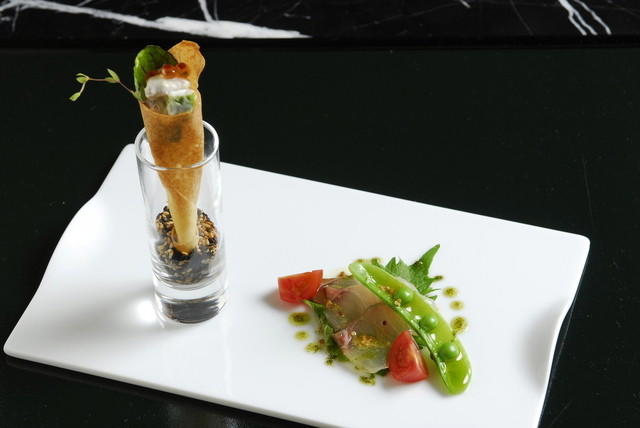
- Kuroge Wagyu steak
- Teppanyaki seafood
- Seasonal vegetables on teppan
- Course menus with Wagyu and seafood
After office hours, Osaka changes character: elevators open onto small dining rooms, counter seats fill before the late-drinking crowd arrives, and beef over iron becomes less spectacle than timing. Here, teppanyaki is a controlled sequence of heat, rest, slicing, pouring, and quiet observation, with the counter as kitchen and stage.
Pineapple sits within that compact Osaka grammar, not the banquet-room version of steak dining. The comparison is not casual grilled beef or tourist-facing wagyu theatre, but small Osaka rooms where the meal depends on proximity to the plate, short sightlines to the grill, and a narrow margin between hospitality and performance. In a city where beef can mean celebration, business dinner, family meal, or late-night luxury depending on the occasion, that distinction matters.
Osaka beef dining, stripped to counter scale
Osaka’s higher-end steak culture has several lanes: formal steakhouses built around private dining, teppanyaki counters where cooking is the event, and creative beef restaurants borrowing from kappo pacing. Pineapple’s category listing, teppanyaki, steak, and creative, places it in the hybrid zone: clearly beef-led, but not bound to the old hotel-counter script.
Scale is central. The experience is built around closeness to the cooking rather than distance from it. That changes the meal’s etiquette. Counter-style dining rewards attention to the cook’s timing, the order in which plates move, and the way drinks pace the evening. More private seating can soften the encounter, but the room’s centre of gravity remains the iron plate.
Recognition from Tabelog’s Hyakumeiten in 2025 gives the restaurant a clear place in the conversation. Tabelog’s Hyakumeiten lists are not international trophy systems; their value is local category sorting. For visitors, that is useful: the restaurant has been noticed within a field where Osaka and surrounding areas compete heavily on beef, technique, and price discipline.
Within Osaka, the reference points are telling. Kitashinchi Fukutatei belongs to the steakhouse lane, while Steak Tsuji offers another way to read the city’s premium beef culture. Sushidokoro Kurosugi Shinkan, though sushi rather than beef, shows how Osaka supports small, premium rooms across genres. At the other end, Odoru Udon Umeda ten argues for speed and everyday value. Pineapple belongs to neither extreme: it is a compact teppanyaki dinner in the middle-upper spend tier, closer to a deliberate evening than a quick stop.
The ritual is heat, pacing, and the social contract of the counter
Teppanyaki is often misread outside Japan as flash: flames, tricks, and broad performance. In Osaka’s serious rooms, the ritual is quieter. What matters is cooking order, doneness, the rhythm between beef and vegetables or side dishes, and how drinks carry the meal without overwhelming it. Pineapple’s listed categories point to a meal shaped by teppanyaki, steak, and creative cooking rather than a single rigid template.
That range reflects Osaka’s flexibility. Tokyo often separates genres more rigidly, with sushi counters, kappo rooms, and steak counters occupying distinct codes. Osaka is more comfortable with overlap. A restaurant can be steak-led, attentive to pacing, and relaxed enough for a personal evening without losing premium footing. The result points to controlled conviviality rather than hushed ceremony.
The price band, JPY 15,000 - JPY 19,999 at dinner, places Pineapple below some of the city’s more expensive beef counters but above casual steak. Diners should expect product and timing, not luxury signalling. Judge the format by whether dinner feels paced rather than padded: enough courses and cooking sequences to justify the evening, without the inflated length that turns teppanyaki into theatre for its own sake.
For travellers building a wider Osaka itinerary, this is the city’s steak counter tradition at compact scale. It pairs naturally with other Osaka dining, from bakeries and coffee to late-night counters. EP Club’s Osaka map places Pineapple alongside nearby and citywide references across casual and premium formats. For the wider city edit, use Our full Osaka restaurants guide, with parallel planning through Our full Osaka hotels guide, Our full Osaka bars guide, Our full Osaka wineries guide, and Our full Osaka experiences guide.
How to read Pineapple against Japan's beef and counter culture
Japan’s premium beef culture is often flattened into one wagyu narrative, but formats differ sharply. Sukiyaki builds around simmering and sweetness, yakiniku around self-cooking and cuts, steak around doneness and rest, and teppanyaki around the choreography of heat in front of the guest. Pineapple’s relevance lies in that last category. It is not an all-purpose Osaka restaurant; it belongs to the subset where the grill is the organising principle.
That makes it sharper for diners who care about cadence. A counter-led teppanyaki dinner asks for less menu hopping and more attention to sequence. It suits Osaka’s evening pattern: start with a focused dinner, then let the city take over with bars, trains, or a second stop. Recognition in Tabelog’s 2025 Hyakumeiten gives category credential, but the better editorial reading is format fit. Choose it for a compact, beef-centred dinner where small scale is part of the point.
Readers comparing across Japan can place this Osaka choice beside other regional food formats rather than treating every restaurant as a direct peer. The country’s dining range runs from beef-led counters to sushi rooms, curry specialists, casual noodle shops, and contemporary restaurants with different rules of pacing and service. For a wider Japanese dining thread, the useful question is not which names sound most famous, but which format best fits the evening you want.
Frequently asked questions
What does dinner at Pineapple typically cost?
Pricing at Pineapple is listed as JPY 15,000 - JPY 19,999.
Is Pineapple open every day?
Opening days and hours should be confirmed directly with Pineapple before visiting.
What's Pineapple's location?
Osaka.
What has Pineapple built its reputation on?
Pineapple’s case rests on format and recognition: it was selected for Tabelog Hyakumeiten in 2025, with listed categories of teppanyaki, steak, and creative. In Osaka, that points to a focused teppanyaki-and-steak address rather than a broad all-day dining room.
Can Pineapple accommodate dietary restrictions?
The venue is listed in the teppanyaki, steak, and creative categories in Osaka. That focused format usually means dietary requests should be discussed before dining, especially for guests planning around counter-style cooking.
A Tight Comparison
Comparable venues to place this listing in its category.
| Venue | Cuisine | Price | Awards | Notes |
|---|---|---|---|---|
| PineappleThis venue (the venue you are viewing) | Teppanyaki Kuroge Wagyu Steakhouse | $50–100 | Tabelog 100 #31 | Not listed |
| Kitashinchi Fukutatei | Modern Wagyu Steakhouse | $150–200 | Michelin Plate · Tabelog 100 #79 | Steakhouse |
| Steak Tsuji | Teppanyaki Steakhouse | $150–200 | Tabelog 100 #94 | JPY 20,000 - JPY 29,999 View spending breakdown |
| Odoru Udon Umeda ten | Japanese Udon | $1–10 | Tabelog 100 #79 | JPY 999 |
| Konishi | Kappo | $300–500 | Michelin Plate | Not listed |
| Sushidokoro Kurosugi Shinkan | Edomae Sushi | $100–150 | Michelin Plate | Sushi |
Recognition history
Dated appearances from independent guides and award organizations, with the underlying list record or original source where available.
Tabelog 100 #31 · No. 31
Tabelog · Tabelog 100 - Steak / Teppanyaki - WEST - 2025