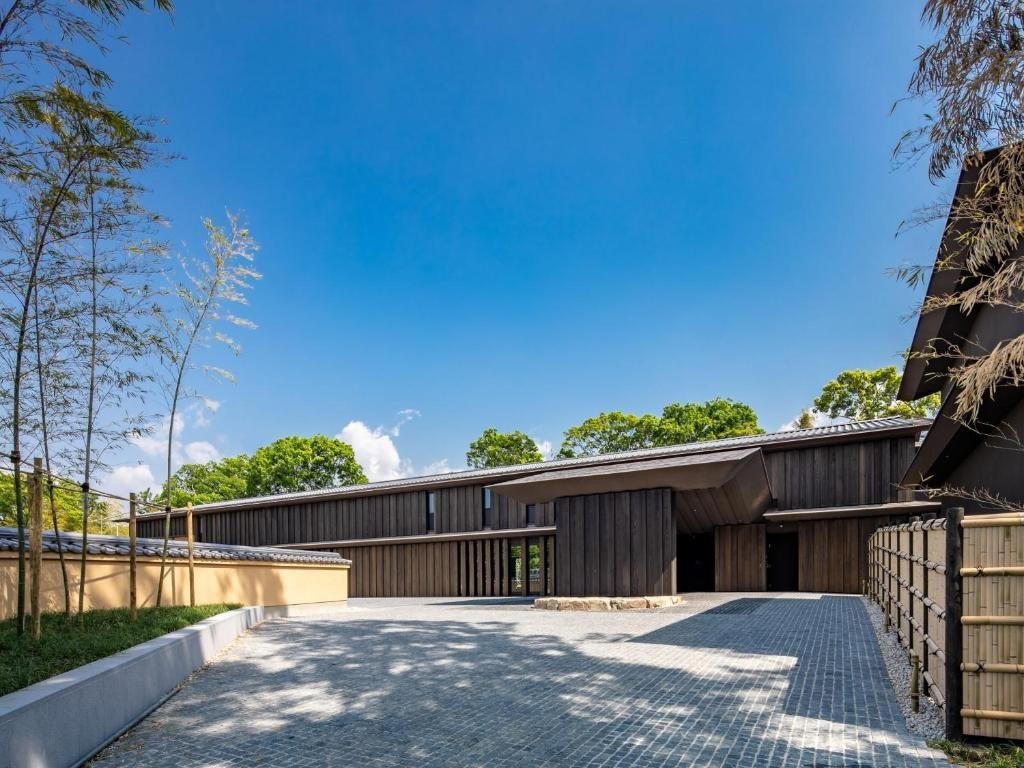
1 Michelin Star · Tabelog 100 #25
Our verdict
Michelin one-star capi sits on the sixth floor of North Shinchi Place in Osaka's Kita Ward, where innovative cuisine trades in the natural character of each ingredient rather than obscuring it. Signature plates such as 'Caviar, Squid and Aubergine' and the richly aromatic 'Bakuretsu Gyokai' baked risotto signal a kitchen that handles luxury produce with restraint.

Pearl is the En Primeur Club membership app, where members save venues, book tables and use the concierge.
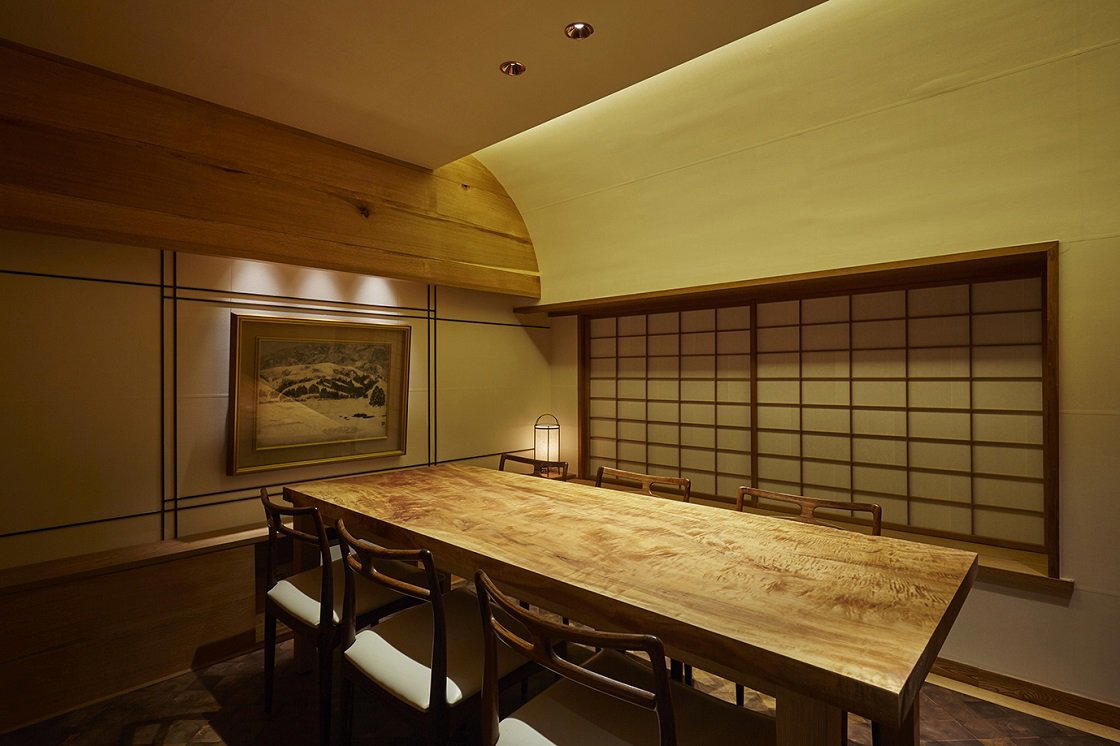
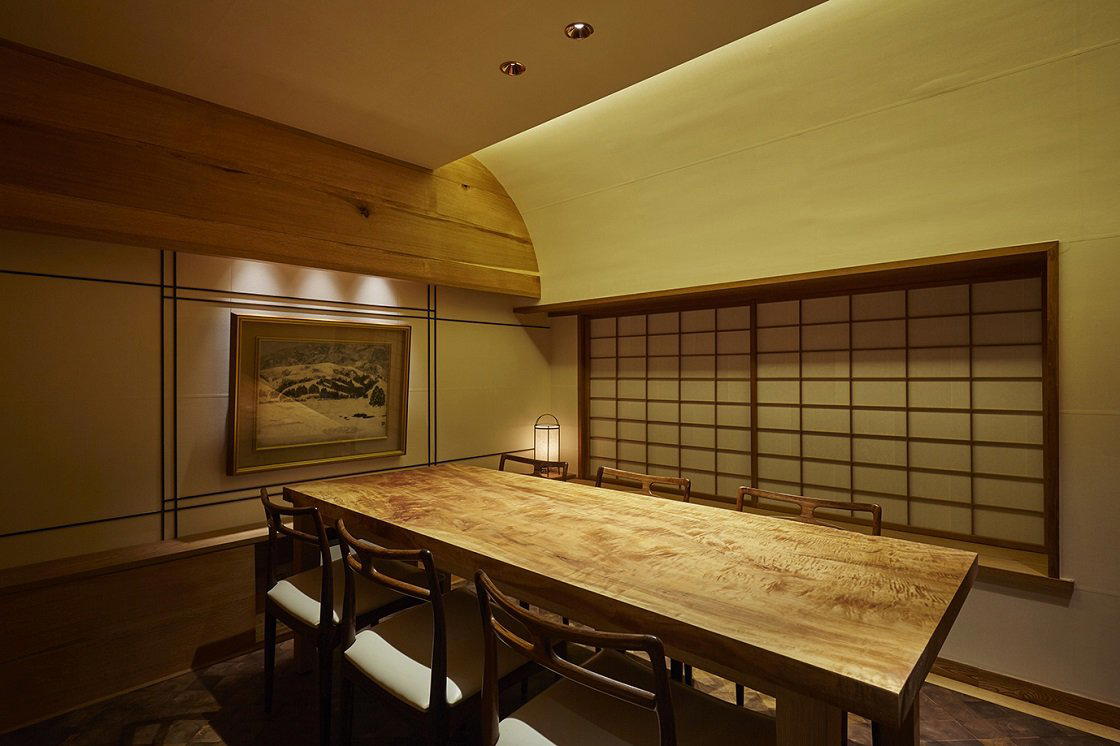
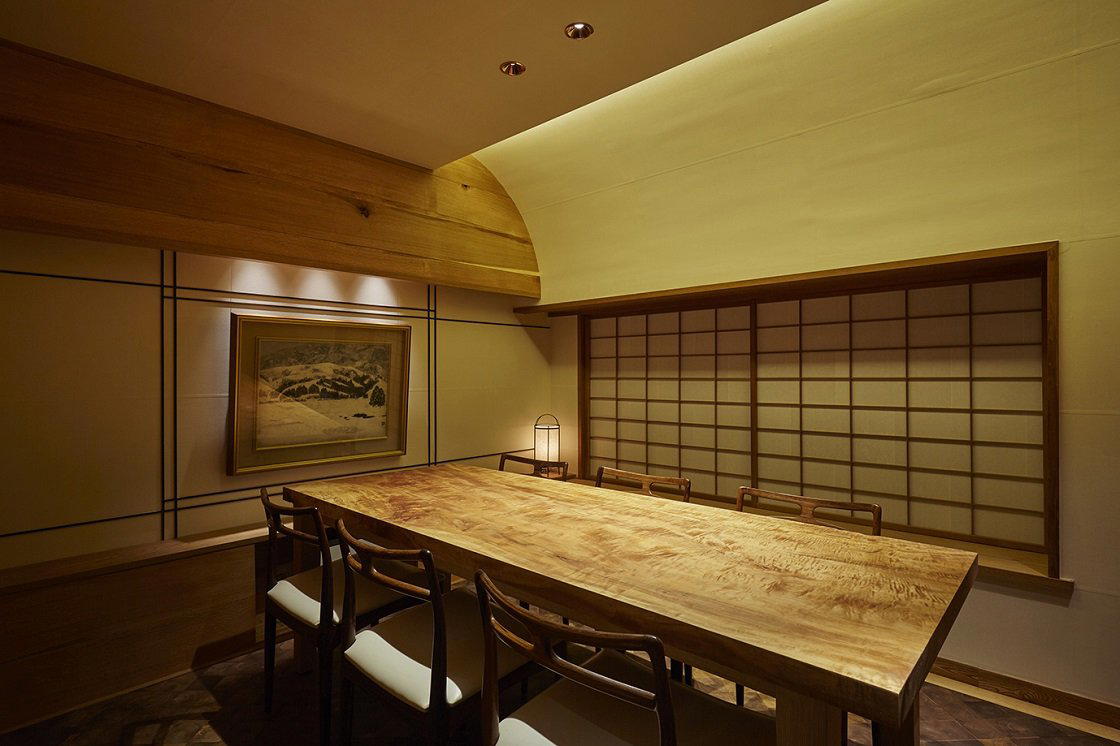
Sixth Floor, North Shinchi: The Room Before the Meal
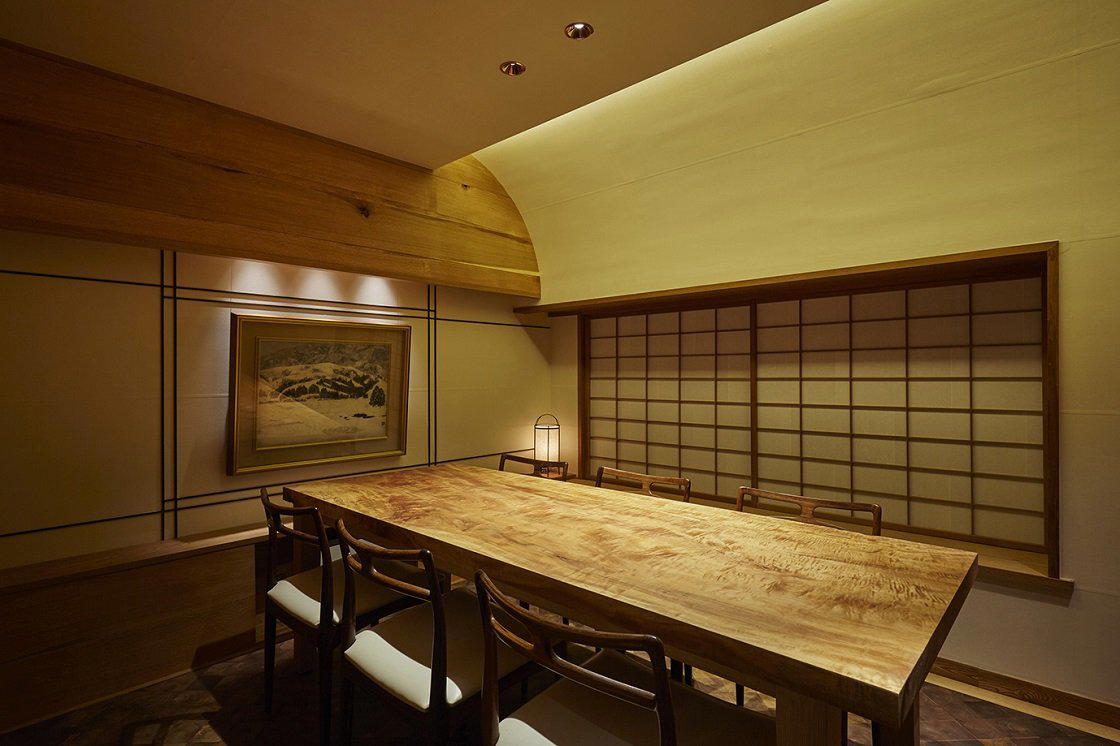
Osaka's Kita Ward rewards the visitor who looks upward. Street level in North Shinchi is dense with bars and counter restaurants, the sort of neighbourhood where the leading rooms are reached by elevator rather than found behind an obvious facade. Capi occupies the sixth floor of North Shinchi Place on Sonezaki Shinchi, a postcode that carries significant weight in the city's dining hierarchy. The approach itself is part of the experience: the transition from the low-lit street-level buzz to a quieter, more considered space above it frames what the kitchen is trying to do before a single dish arrives.
North Shinchi is one of Japan's most concentrated premium dining districts. The streets below capi's building hold enough Michelin-starred restaurants to fill a week's itinerary, and the neighbourhood's reputation for serious cooking without the performance density of, say, Tokyo's Ginza creates a specific kind of atmosphere: attentive, purposeful, and slightly less theatrical than the capital. In that context, a room on the sixth floor signals deliberate separation from the foot-traffic energy below. You are here because you chose to be here.
The Kitchen's Logic: Ingredient First, Technique Second
Osaka's innovative dining tier has grown considerably in depth over the past decade. Where the city once deferred to Kyoto for kaiseki refinement and to Tokyo for European-inflected tasting menus, a cluster of Michelin-recognised kitchens has established Osaka's own voice in that conversation. HAJIME (French, Innovative) holds three stars at ¥¥¥¥ and operates at the upper boundary of what the city offers in experimental cuisine. Fujiya 1935 holds two stars at the same price tier. Capi enters this conversation at one star and ¥¥¥, a pricing tier it shares with several Japanese-format tables in the city, and distinguishes itself through an approach that foregrounds the natural character of ingredients rather than the complexity of their transformation.
That distinction matters because it places capi in a different competitive register than the technically maximalist kitchens around it. The philosophy described in its Michelin recognition, expressing the natural deliciousness of ingredients, mindful of the characteristics of each, is not a modest ambition. It requires the kitchen to have sourced well enough that restraint is credible, and to have composed precisely enough that creative combinations feel inevitable rather than imposed. When that works, the result is food that reads as simple and tastes as dense. When it does not, ingredient-first cooking can feel underpowered against ¥¥¥ expectations.
Caviar, Squid, and Aubergine: The Dish That Defines the Menu's Logic
Among the dishes that have drawn critical attention, the signature plate of Caviar, Squid and Aubergine is the clearest statement of what the kitchen is trying to say. The combination works through contrast: the salinity of caviar against the sweetness that aubergine develops under heat, with squid providing a textural and flavour bridge between the two. None of these are unusual ingredients in high-end Japanese or fusion cooking, but the interplay described in capi's Michelin citation, saltiness and sweetness as structural tension rather than background seasoning, positions the dish as a lesson in how premium produce can be made to do more by being placed in deliberate opposition rather than harmonious alignment.
This is a different approach to luxury ingredients than the one you find at, for example, a kaiseki table where caviar, if it appears at all, tends to accent a dish rather than anchor it. At La Cime (French), the two-star French format at ¥¥¥¥, French technique shapes how luxury produce is framed; the logic is European. Capi's logic is harder to assign to a single tradition, which is partly what earns the innovative classification and partly what gives the room its particular atmosphere of attentive uncertainty, you are not entirely sure what category the food belongs to, and that is deliberate.
Bakuretsu Gyokai: Aroma as Architecture
The second signature, 'Bakuretsu Gyokai', translates roughly as Exploding Seafood, a name that positions the dish as theatre before you taste it. The format is baked risotto combined with a concentrated fish and shellfish soup, and the Michelin citation emphasises billowing aroma and concentrated flavour as the defining sensory experience. In a cuisine where restraint is the stated principle, a dish named for its explosive quality is a studied contrast. The humour in the name does real work: it signals that the kitchen is aware of its own register and chooses when to punctuate it.
Dishes of this type, where a broth or soup component is integrated into a starchy base and the aromatic release becomes part of the eating experience, appear across innovative Japanese cooking and have clear antecedents in French-influenced risotto work that Osaka's kitchens absorbed during the city's long engagement with European technique. The specific combination of baked risotto with a Japanese-style seafood stock places Bakuretsu Gyokai at a productive intersection of those traditions. The aroma, by design, reaches you before the flavour does. That sequencing is an editorial decision by the kitchen, not an accident of cooking method.
Capi in the Osaka Innovative Tier
The innovative restaurants operating at ¥¥¥¥ in Osaka, HAJIME and Fujiya 1935 among them, set the ceiling for ambition and price in this category. KAHALA and Comptoir Feu represent other reference points within the city's broader fine-dining ecosystem. Capi sits below that ceiling on price while operating in the same creative territory. For a diner whose priority is Osaka's innovative cooking without the ¥¥¥¥ commitment, it represents a coherent entry point into what the city's leading kitchens are doing.
The wider Kansai region provides useful comparison, too. Gion Sasaki in Kyoto and akordu in Nara each represent different expressions of serious cooking in the region, the former rooted in kaiseki tradition, the latter bringing a Spanish perspective to local produce. Capi's North Shinchi location places it squarely in the urban, commercially ambitious version of Kansai dining: less concerned with heritage positioning and more concerned with what a given combination of ingredients can be made to mean on a specific evening.
Beyond Kansai, diners with broader Japan itineraries can calibrate capi against Harutaka in Tokyo, Goh in Fukuoka, 1000 in Yokohama, or 6 in Okinawa. Internationally, alla prima in Seoul and MAZ in Tokyo provide reference points for how the innovative category is developing across the region's broader dining conversation.
Planning a Visit
Capi is located at North Shinchi Place 6F, Sonezaki Shinchi 1-10-2, Kita Ward, Osaka, a building in one of the city's most active premium dining corridors. The ¥¥¥ price positioning suggests a mid-tier tasting menu format by Osaka standards; diners familiar with the city's one-star innovative rooms should plan accordingly. Phone and website details are not currently listed in public directories, so booking through hotel concierge channels or a dining reservation service is the most reliable approach for visitors. Given the small room size implied by the format and star level, availability at short notice is unlikely during peak periods; advance planning of two to four weeks is a reasonable baseline, with more lead time advisable around Golden Week and year-end dining seasons.
For broader planning across the city, our full Osaka restaurants guide covers the range from kaiseki to contemporary, and our guides to Osaka hotels, Osaka bars, Osaka wineries, and Osaka experiences provide the context needed to build a full itinerary around a meal at this level.
Frequently asked questions
What kind of recognition has capi received?
capi has received recognition including: The natural deliciousness of ingredients is expressed, mindful of the characteristics of each. Creative combinations weave a cuisine that lingers in the memory. The signature dish, ‘Caviar, Squid and Aubergine’, brings out a unique flavour ….
What's the address for capi?
capi is located at Japan, 〒530-0002 Osaka, Kita Ward, 曽根崎新地1-10-2 北新地PLACE6F, Osaka.
What's the signature dish at capi?
Two dishes define the kitchen's approach. Caviar, Squid and Aubergine pairs saltiness and sweetness to produce a flavour profile that sits outside standard Japanese or European categories. The second, Bakuretsu Gyokai, Exploding Seafood, combines baked risotto with a fish and shellfish broth, where concentrated aroma is as central to the dish as the ingredients themselves. Both appear on the Michelin-recognised menu at the ¥¥¥ price tier.
What type of food is capi known for?
Price and Positioning
| Venue | Cuisine | Price | Awards | Notes |
|---|---|---|---|---|
| capiThis venue (the venue you are viewing) | Innovative Fusion Omakase | $200–300 | 1 Michelin Star · Tabelog 100 #25 | Not listed |
| HAJIME | Avant-Garde Japanese Fine Dining | $300–500 | 3 Michelin Stars · World's 50 Best #83 | French, Innovative |
| La Cime | Modern French with Japanese Ingredients | $150–200 | 2 Michelin Stars · World's 50 Best #13 | French |
| Kashiwaya Osaka Senriyama | Seasonal Kaiseki Omakase | $200–300 | 3 Michelin Stars · La Liste Top Restaurants | Japanese |
| Taian | Traditional Japanese Kaiseki Omakase | $150–200 | 3 Michelin Stars · La Liste Top Restaurants | Kaiseki, Japanese |
| Fujiya 1935 | Modern Japanese with European influences | $100–150 | 2 Michelin Stars · La Liste Top Restaurants | Innovative |
Recognition history
Dated appearances from independent guides and award organizations, with the underlying list record or original source where available.
Michelin 1 Star
Michelin
Tabelog 100 #25 · No. 25
Tabelog · Tabelog 100 - Innovative / Creative cuisine - 2025
Full recognition history (3 entries)
Michelin 1 Star
Michelin