Spice Tandoori sits on Calle de Joaquín Turina in Carabanchel, one of Madrid's most demographically layered working-class districts, bringing tandoor-fired cooking to a neighbourhood where South Asian restaurants remain comparatively scarce. The address places it well outside the tourist circuits of Malasaña or Chueca, making it a reference point for local residents seeking subcontinental cooking in the city's southern reaches.
Pearl is the En Primeur Club membership app — saves, bookings, and concierge access live there. Same editors, same standards.
- Address
- C. de Joaquín Turina, 41, Carabanchel, 28044 Madrid, Spain
- Phone
- +34919485600
- Website
- module.thefork.com
- Directions
- Get directions
 Saves & bookings on Pearl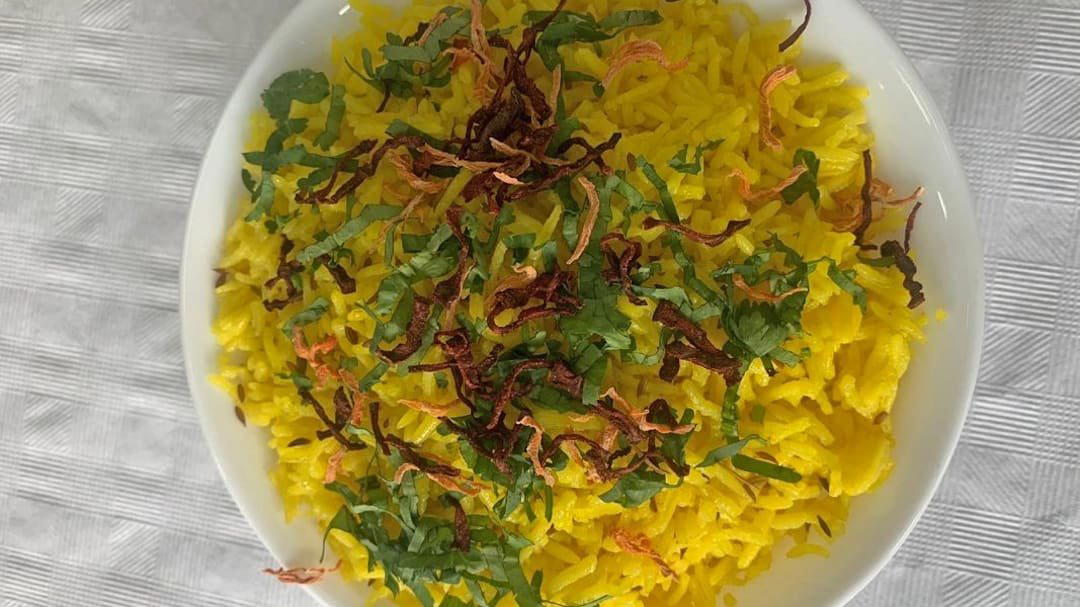
Carabanchel and the Geography of Subcontinental Cooking in Madrid
Madrid's South Asian restaurant scene has long concentrated in specific northern and central corridors, leaving the city's southern districts underserved by that particular cooking tradition. Carabanchel, a working-class barrio with a dense, multigenerational residential character, sits at a remove from the districts where food-focused visitors tend to spend their evenings. That distance is, in itself, a piece of editorial context worth understanding: restaurants that establish themselves here are not positioned around foot traffic from tourists or office workers, but around the daily needs of a neighbourhood with genuine appetite for affordable, consistent cooking. Spice Tandoori, on Calle de Joaquín Turina in the 28044 postal zone, operates inside that logic.
South Asian cooking in Madrid occupies a niche that Spanish culinary media has historically paid less attention to than the city's creative tasting-menu circuit or its Basque-influenced fine dining rooms. That circuit is well-documented: venues like DiverXO (Progressive - Asian, Creative), Coque (Spanish, Creative), Deessa (Modern Spanish, Creative), DSTAgE (Modern Spanish, Creative), and Paco Roncero (Creative) represent the city's award-laden, high-investment tier. Spice Tandoori belongs to a completely different register: neighbourhood dining where the proposition is consistency, affordability, and the specific pleasures of tandoor-fired cooking that cannot be replicated in a conventional oven.
What Tandoor Cooking Actually Means on the Plate
The tandoor is a cylindrical clay oven capable of reaching temperatures between 400°C and 480°C. That extreme heat is not incidental to the food it produces; it is the mechanism behind the char on the exterior of a skewered seekh kebab, the puffed, blistered surface of a freshly pulled naan, and the way a marinated chicken leg can achieve a caramelised crust while retaining moisture in the interior within minutes. These results are structurally different from what a Spanish horno or a gas grill produces, and that difference is why tandoor restaurants occupy a distinct category in the broader map of grilled and roasted cooking, not a subcategory of it.
In cities like London or Birmingham, the tandoor restaurant exists across multiple price tiers, from canteen-format lunch counters to refined dining rooms where the clay oven is positioned as the centrepiece of a full evening's menu architecture. Madrid's subcontinental restaurant base is smaller and less stratified than those British cities, which means neighbourhood-level operators like Spice Tandoori function simultaneously as entry point and reference for local diners who are not working from a prior mental map of regional Indian or Pakistani cooking traditions.
Carabanchel as Context
The barrio of Carabanchel carries a specific identity within Madrid's geography. It developed through waves of internal migration during Spain's mid-twentieth century urbanisation, and its population today reflects successive layers of settlement, including significant communities from Latin America, Sub-Saharan Africa, and South Asia. That demographic breadth has produced a restaurant environment that is less curated than Lavapiés or La Latina, but more representative of how Madrid's working population actually eats on a weekday evening. Restaurants that survive here do so through repeat custom rather than destination dining. That is a harder test in some respects than holding a Michelin star, and it shapes the kind of cooking that makes practical sense in the postcode.
For visitors to Madrid who have spent time with the city's fine dining offer, a meal in Carabanchel represents a different kind of access. Spain's broader gastronomic reputation is carried by venues like El Celler de Can Roca in Girona, Arzak in San Sebastián, Azurmendi in Larrabetzu, Mugaritz in Errenteria, Martin Berasategui in Lasarte-Oria, Quique Dacosta in Dénia, Aponiente in El Puerto de Santa María, Cocina Hermanos Torres in Barcelona, Ricard Camarena in València, and Atrio in Cáceres. Neighbourhood cooking in southern Madrid operates in a parallel economy of expectation, one measured in value, regularity, and the comfort of familiar flavours rather than in tasting-menu progression. Both registers matter, and the city is more legible when you understand how they coexist.
Internationally, the comparison is instructive. Cities like New York support subcontinental cooking across a wide prestige range, including venues like Atomix in New York City at the technically driven high end, while neighbourhood curry houses anchor the base of the market. Madrid's South Asian offer has not yet developed that vertical range, which means the neighbourhood operators carry more of the category's identity than they might in a more saturated market.
Planning a Visit
Carabanchel is accessible by Metro Line 5, with the Carabanchel and Eugenia de Montijo stations serving the broader district. For visitors staying in central Madrid, the journey from Sol or Callao takes approximately fifteen to twenty minutes by metro. The neighbourhood's restaurant density is lower than central barrios, so it is worth confirming current opening hours and reservation availability directly before travelling south. As a working-class residential area rather than a tourist zone, the rhythm of service here follows local mealtimes, which in Madrid means dinner rarely starts before 9pm and can run later than visitors from northern Europe or North America might expect.
For a fuller orientation to the city's dining options across price tiers and cooking traditions, the EP Club Madrid restaurants guide maps the broader offer. Visitors with interest in the city's high-end creative cooking should also reference Le Bernardin in New York City for a sense of how technique-led cooking operates at the top of another major dining market, providing useful comparative context when calibrating expectations across different cities and formats.
Continue exploring
More in Madrid
Restaurants in Madrid
Browse all →
Bars in Madrid
Browse all →
Hotels in Madrid
Browse all →


At a Glance
- Modern
- Quiet
- Casual Hangout
- Business Dinner
- Standalone
Current opening hours
- Monday
- 12 PM–12 AM
- Tuesday
- 12 PM–12 AM
- Wednesday
- 12 PM–12 AM
- Thursday
- 12 PM–12 AM
- Friday
- 12 PM–12 AM
- Saturday
- 12 PM–12 AM
- Sunday
- 12 PM–12 AM
Hours can change for holidays and private events. Last verified .
Modern, charming atmosphere with meticulous decoration providing a precise environment; quiet and attentive service.
Know Before You Go
- Getting there
- C. de Joaquín Turina, 41, Carabanchel, 28044 Madrid, Spain