
Spanish Boqueria brings Sapporo’s Spanish dining conversation into a compact, ritual-led room: 19 seats, no private rooms, and a dinner budget in the JPY 10,000–14,999 bracket. Its Tabelog 100 selection for Spanish cuisine in 2024 and 2026 places it in a narrow national category rather than the city’s broader casual-drinking circuit.
Pearl is the En Primeur Club membership app — saves, bookings, and concierge access live there. Same editors, same standards.
- Address
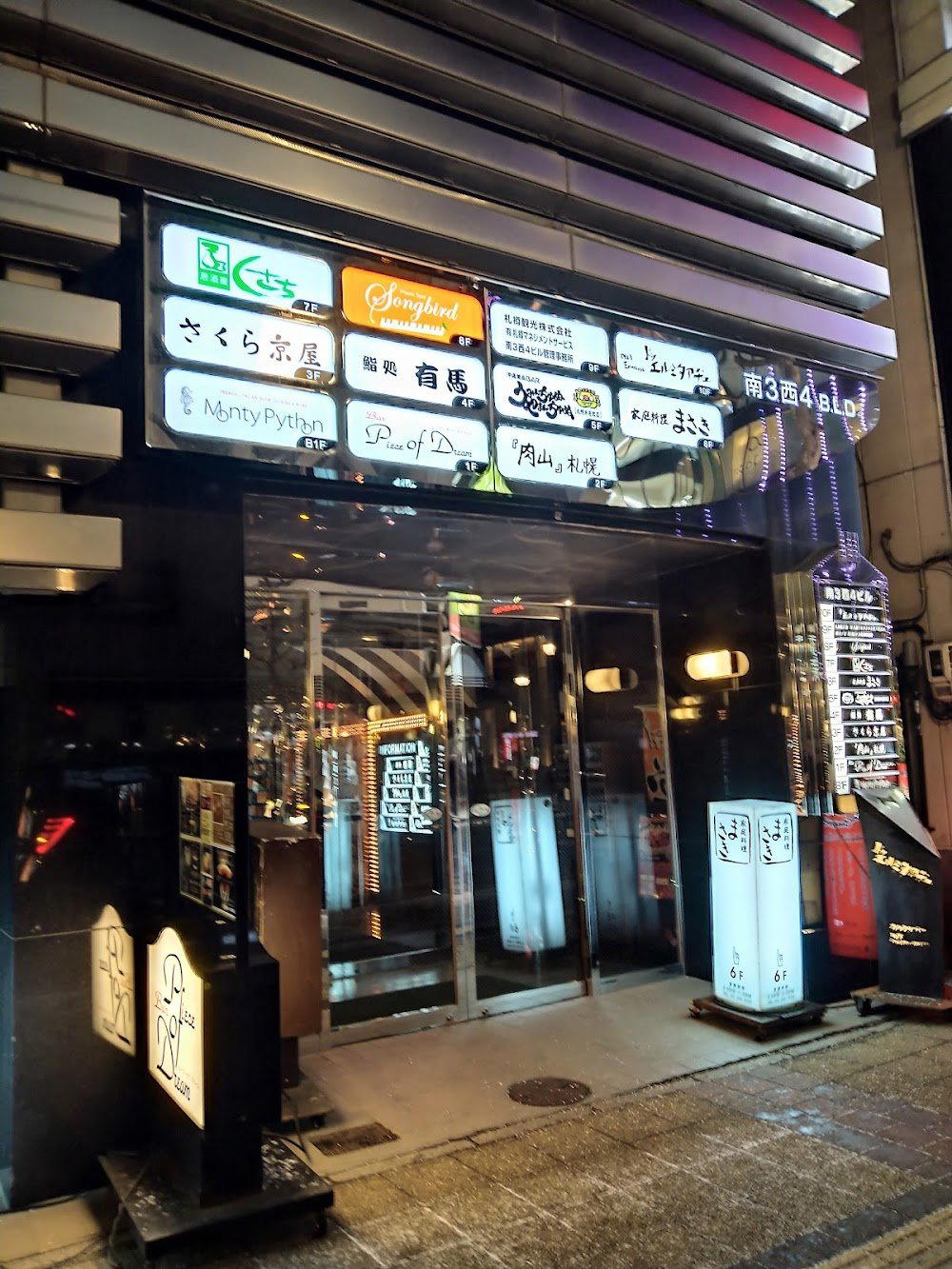
- Japan, 〒060-0063 Hokkaido, Sapporo, Chuo Ward, Minami 3 Jonishi, 7 Chome−7−4 しゃみ靴店 2F
- Phone
- +81 11-209-7071
- Website
- yoyaku.tabelog.com
 Saves & bookings on Pearl
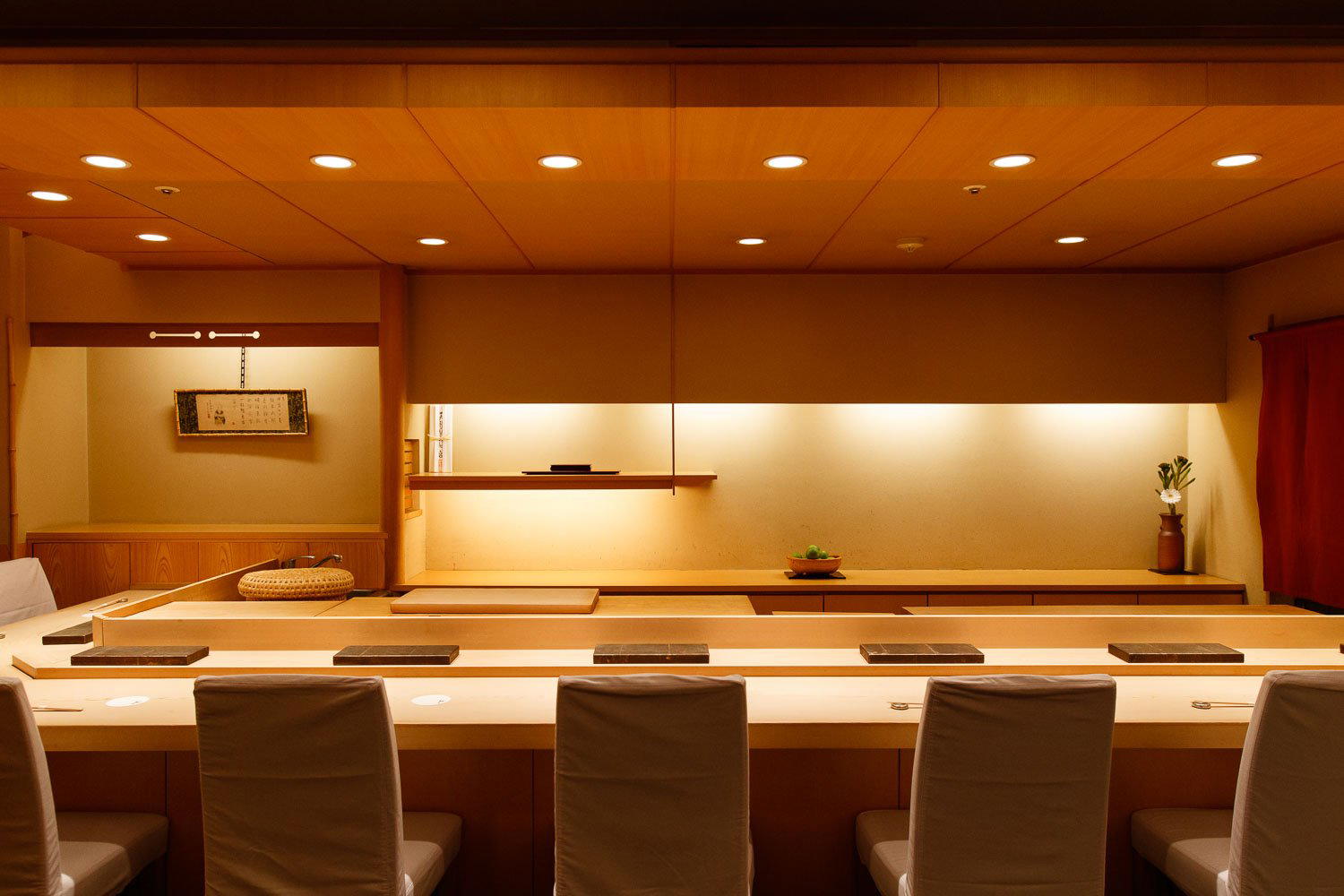
The approach is Sapporo after dark rather than postcard Hokkaido: Chuo Ward’s grid, the pull of Susukino nearby, and a second-floor dining room where Spanish eating is treated less as spectacle than as sequence. The room is small enough to make pacing matter. With 19 seats, including only three at the counter, the meal belongs to the Japanese version of a tasca ritual: controlled portions, wine-led progression, and an expectation that the table stays in step with the kitchen.
Spanish cuisine in Japan often splits into two camps. One side chases tapas-bar looseness, built for quick glasses and shared plates; the other borrows the structure of a full restaurant, where regional Spanish cooking is paced with the precision diners expect in Japan. Spanish Boqueria sits in the second camp. Its recognition in Tabelog 100 for Spanish cuisine in both 2024 and 2026 matters because the category is national, not merely local, and because Spanish restaurants in Japan compete against a dining culture already fluent in counter formats, seafood discipline, and omakase-like timing.
A tasca format translated through Sapporo's small-room discipline
The useful way to read this restaurant is through ritual. Spanish dining traditionally allows drift: a glass, a plate, another plate, conversation stretching the night. In Sapporo, that rhythm becomes more compact. The room size creates a dining pattern closer to a set evening than an open-ended crawl, especially when counter seats are few and larger groups require advance coordination. That does not make the format stiff; it makes timing part of the experience.
Hokkaido also changes the terms of Spanish cooking. The island’s reputation rests on seafood, dairy, produce, and cold-weather appetite, which gives Spanish regional dishes a different kind of local logic than they have in Tokyo or Osaka. The point is not imitation of Spain. The stronger argument is translation: Spanish structure, Hokkaido ingredients, Japanese service expectations. That combination explains why a Sapporo Spanish room can sit comfortably in the same evening-planning conversation as French dining, high-end izakaya, and sushi, rather than being treated as a novelty category.
The price band reinforces that position. JPY 10,000–14,999 at dinner is not casual tapas territory in Sapporo; it is a deliberate dinner spend. For comparison inside the city, Ramen Sapporo Akahoshi occupies a sub-JPY 1,000 bracket, while SOUL STORE and Bem Bera network company sit around JPY 1,000–1,999. Those are different dining decisions, not weaker ones. Spanish Boqueria belongs to the slower, reservation-shaped end of the night, closer in intent to a proper restaurant evening than a stop between bars.
Why the recognition matters in a city better known for ramen, curry, and seafood
Sapporo’s dining identity is often reduced from the outside to ramen, soup curry, crab, lamb, and winter appetite. That shorthand misses how the city absorbs outside cuisines through local habits. A Spanish restaurant here has to do more than import familiar categories; it has to justify why guests should spend a full dinner on Spain when Hokkaido ingredients already have powerful native contexts.
The Tabelog 100 Spanish cuisine selections in 2024 and 2026 answer part of that question. They do not turn the restaurant into a trophy room, but they give the category a measurable signal: repeated inclusion in a national Spanish list. In a city where visitors may already be mapping ramen shops, curry specialists, and seafood counters, that recognition helps frame Spanish dining as part of Sapporo’s serious restaurant range rather than an afterthought.
Etiquette also matters here. The restaurant asks diners to avoid strong fragrances, a policy that makes sense in a wine-and-food setting where aroma is part of the meal’s architecture. Allergy and preference discussions are handled at reservation stage, with later changes not always possible. That is not unusual for small Japanese restaurants, but it is especially relevant in a cuisine built around shared plates, seafood, cured products, stocks, and sauces. The ritual begins before arrival: decide the party size, discuss restrictions early, and treat the evening as a coordinated meal rather than a flexible bar drop-in.
For Sapporo context beyond this room, EP Club’s city coverage is useful in layers: Our full Sapporo restaurants guide, Our full Sapporo hotels guide, Our full Sapporo bars guide, Our full Sapporo wineries guide, and Our full Sapporo experiences guide. Within the city’s restaurant spread, compare the different kinds of appetite represented by 175°DENO Tantanmen Sapporo kitaguchi ten, [Curry Senmon Ten] Maruyama Kyoju., Aigues Vives, Ajanta Indo Curry Ten, and Ajanta Sohonke.
The right diner is planning a paced evening, not a snack run
This is a stronger choice for diners who want Spanish cooking treated as dinner, not pre-dinner grazing. The 19-seat scale, the wine emphasis, the fragrance policy, and the reservation conditions all point toward a room that values control. That will suit guests who enjoy the choreography of a small Japanese restaurant but want a vocabulary outside sushi, kappo, French, or Italian.
There are practical implications to that assessment, even without turning the meal into logistics. Counter seating is limited, so diners who care about that format should state it early. Groups of five or more need advance handling. The room is non-smoking, private rooms are not part of the format, and parking is not provided. Payment is card-friendly but not built around electronic money or QR payments. None of this is ornamental detail; it tells the reader what kind of night this is. Spanish Boqueria is built for a compact dinner with rules, pacing, and a clear sense of category.
For readers comparing Japan dining beyond Sapporo, the wider EP Club map includes -Grilled beef Sukiyaki- KAMAKURA TANUKIAN 鎌倉 たぬき庵 in Kamakura. 鮪と炭火焼き うお炭 秋葉原店 in Tokyo.cafe in Osaka.know in Kumamoto, (Shoku) Vietnam in Kawasaki, and [ki:] in Kyoto. Across the Pacific, Jōdo Saké Bar in Los Angeles and Onigiri Time in Pasadena show how Japanese dining formats travel in the other direction, shaped by different cities and different expectations.
Cuisine and Credentials
Nearby venues at a similar price tier for orientation.
| Venue | Cuisine | Price | Notes |
|---|---|---|---|
| Spanish BoqueriaThis venue — the venue you are viewing | Spanish fine dining | $$$ | Not listed |
| Bar ESTARICO | Spanish tapas & wine bar | $$ | Chūō |
| Sapporo Kanihonke (札幌かに本家 すすきの店) | Hokkaido Crab Specialty | $$$ | Susukino |
| テアトロ ディ マッサ | Modern Italian Regional with Hokkaido Ingredients | $$$ | Chūō |
| Sumika | Japanese Yakiniku | $$$ | Chūō |
| セミーナ | Northern Italian Farm-to-Table Trattoria | $$$ | Chūō |
Recognition history
Dated appearances from independent guides and award organizations, with the underlying list record or original source where available.
Tabelog 100 #37 · No. 37
Tabelog · Tabelog 100 - Spanish cuisine - 2026




At a Glance
- Cozy
- Intimate
- Elegant
- Date Night
- Special Occasion
- Business Dinner
- Group Dining
- Standalone
- Extensive Wine List
Current opening hours
- Monday
- 6–10 PM
- Tuesday
- Closed
- Wednesday
- 6–10 PM
- Thursday
- 6–10 PM
- Friday
- 6–10 PM
- Saturday
- 6–10 PM
- Sunday
- 6–10 PM
Hours can change for holidays and private events. Last verified .
Refined yet cozy bistro-style atmosphere with an intimate dining room, counter seating, and a relaxed, adult-oriented vibe suited to lingering over wine.