On Bloor West, South Indian Dosa Mahal sits inside a stretch of Toronto that has quietly sustained one of the city's most consistent South Asian dining corridors for decades. The kitchen centres on dosa, the fermented rice-and-lentil crepe that functions as both vehicle and statement of regional specificity. For a neighbourhood where lunch counters and curry houses dominate, a focused South Indian format at this address represents a distinct position in the local grid.
Pearl is the En Primeur Club membership app — saves, bookings, and concierge access live there. Same editors, same standards.
- Address
- 1285 Bloor St W, Toronto, ON M6H 1N7, Canada
- Phone
- +1 416 588 4147
- Website
- facebook.com
- Directions
- Get directions
 Saves & bookings on Pearl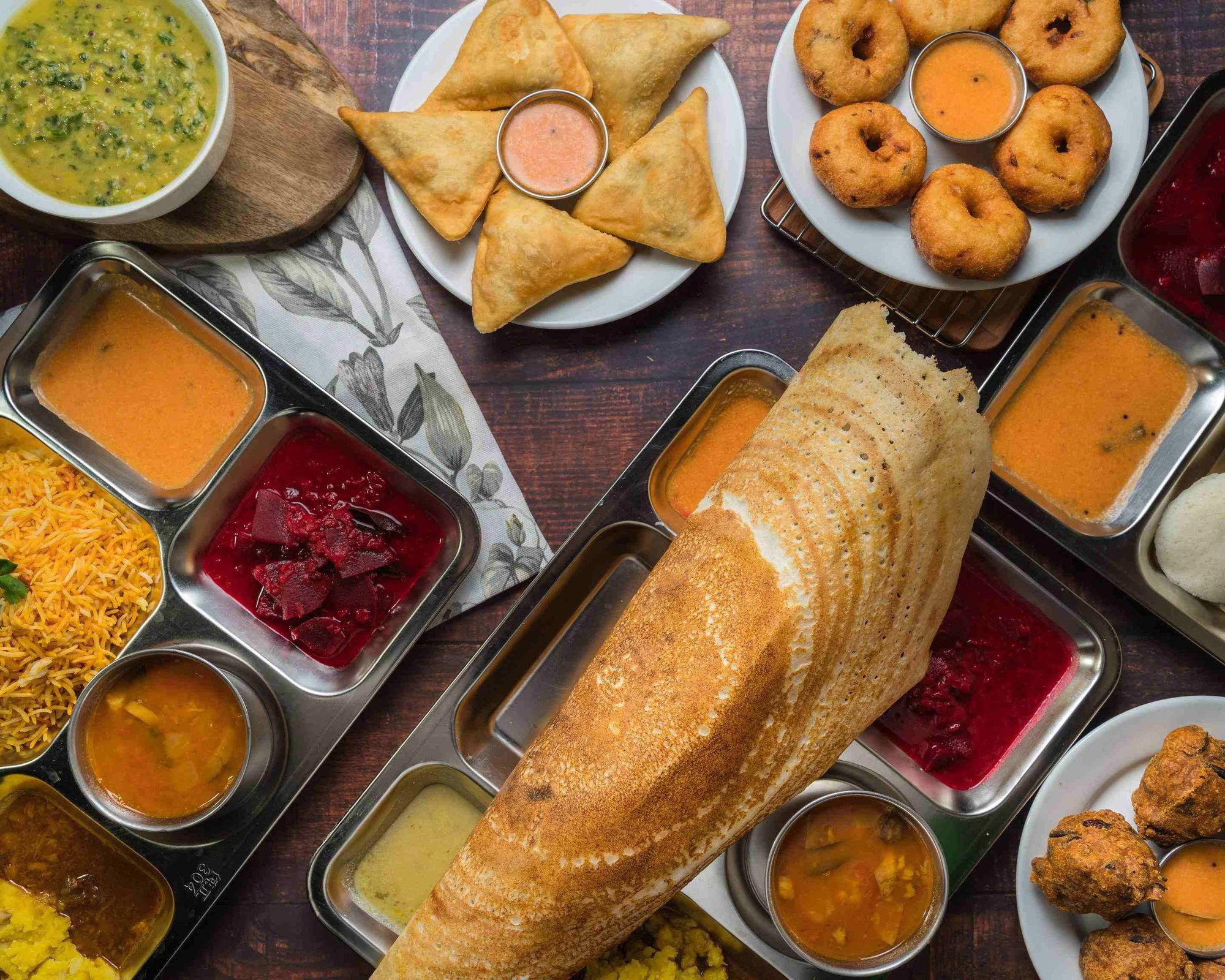
The Bloor West South Asian Corridor and Where Dosa Fits
Toronto's South Asian restaurant density runs in recognisable clusters: Gerrard Street East for the older Bangladeshi and North Indian kitchens, Scarborough's Ellesmere Road for Tamil-heavy menus, and a quieter, more mixed stretch along Bloor West between Lansdowne and Dufferin. The last of those three is South Indian Dosa Mahal (Bloor/Lansdowne) is a South Indian dosa specialist at 1285 Bloor St W in Toronto. South Indian Dosa Mahal at 1285 Bloor St W operates inside that corridor, and what it offers is a cuisine that is genuinely underrepresented at the format level even within Toronto's South Asian dining scene.
Dosa is not a generic category. The preparation depends on a fermented batter of rice and urad dal, a process that takes at minimum two days and is sensitive to ambient temperature, water mineral content, and the ratio of ingredients. That fermentation produces a batter with acidity and complexity that a non-fermented crepe cannot replicate. In South India, the quality of a kitchen's dosa batter is a direct signal of how seriously the broader menu should be taken. The same logic applies in diaspora kitchens: whether or not a Toronto operation maintains the fermentation discipline rather than simplifying to a faster prep method is a meaningful distinction.
Ingredient Logic in a South Indian Kitchen
South Indian cuisine operates on a set of ingredients that are structurally different from North Indian cooking, and that difference matters when reading a menu. Coconut, fresh grated, as milk, or as oil, functions as both fat and flavour base in ways that ghee does in the North. Curry leaves, mustard seeds, and dried red chilli are the aromatic triad for tempering rather than the onion-tomato-ginger-garlic base that dominates Mughal-derived cooking. Tamarind provides acidity in sambars and chutneys where yoghurt or cream would appear further north.
For a kitchen on Bloor West, the sourcing question is practical: fresh curry leaves are available through Toronto's South Asian grocery network, particularly along Gerrard and in Scarborough, and fresh coconut is accessible through the same channels. Kitchens that use dried curry leaf or tinned coconut milk as default produce a measurably different plate. The distinction between a sambar made with fresh tamarind pulp and one built from concentrate is apparent in both texture and acidity. These are not minor refinements, they are the difference between a dish that reads as South Indian and one that approximates it. Within Toronto's current restaurant environment, where Japanese precision counters like Aburi Hana (Kaiseki, Japanese) and Italian kitchens like DaNico (Italian) are defined by sourcing discipline, the same standard of ingredient specificity applies to South Indian cooking even if the price point is an order of magnitude lower.
The Dosa Format: What It Signals About a Kitchen
A well-made masala dosa has three components that must each be correct: the crepe itself, the potato filling, and the accompanying chutneys and sambar. The crepe should be thin enough to crisp at the edges without cracking, with a sour note from fermentation audible in the flavour. The potato masala should be spiced with mustard seeds and curry leaves rather than sweetened or thickened. The coconut chutney should have texture, the slightly coarse grain of fresh coconut, rather than the smooth paste of a blended shortcut. And the sambar should be thin-bodied and tart, not thick or sweet.
Variants, paper dosa, set dosa, rava dosa made from semolina rather than fermented batter, each carry their own technical markers. A kitchen that executes rava dosa correctly is working with a batter that must rest but not ferment, producing a lacy, porous crepe that is architecturally different from the standard variety. These distinctions place the dosa counter in a separate discipline from the broader South Asian lunch-counter format, and they are why dosa-focused kitchens in diaspora cities tend to develop a specific following among eaters from Tamil Nadu, Kerala, Karnataka, and Andhra Pradesh who are making comparisons against regional memory rather than generic Indian restaurant expectations.
Toronto has seen this pattern in other cuisines. The city's Japanese community helped sustain a tier of sushi restaurants, including operations that now rank alongside Don Alfonso 1890 (Contemporary Italian, Italian) at the summit of the dining hierarchy in ambition if not in format, before a broader audience discovered them. South Indian cooking in Toronto has not yet completed that trajectory from community anchor to wider critical recognition, which is partly a function of price point and partly a function of which cuisines receive sustained editorial coverage. Internationally, destination restaurants like Le Bernardin in New York City or Lazy Bear in San Francisco attract the bulk of food media attention; the neighbourhood dosa counter, operating in a lower-cost format with a community-first customer base, occupies a different position in that ecosystem but is not a lesser one in terms of culinary craft.
Neighbourhood Context: Bloor West and Lansdowne
The intersection of Bloor and Lansdowne sits between the Portuguese stretch of Dundas West and the older South Asian and Caribbean commercial strips closer to Dufferin. The neighbourhood has shifted demographically over the past decade, with incoming residents from different economic brackets, but the food businesses along this section of Bloor have shown more continuity than the residential pattern might suggest. South Indian Dosa Mahal at 1285 Bloor St W is positioned inside a block that includes established South Asian grocers and other regional kitchens.
For Toronto diners more accustomed to booking ahead for tasting menus, a dosa counter operates on a walk-in and quick-service model.
Planning Your Visit
| Venue | Cuisine | Price Tier | Booking | Format |
|---|---|---|---|---|
| South Indian Dosa Mahal | South Indian | $ | Walk-in | Counter / casual |
| Alo | Contemporary | $$$$ | Advance booking required | Tasting menu |
| Aburi Hana | Kaiseki, Japanese | $$$$ | Advance booking required | Omakase / kaiseki |
| DaNico | Italian | $$$$ | Recommended in advance | À la carte / tasting |
Other Canadian restaurants worth cross-referencing for regional specificity and sourcing-led cooking include Eigensinn Farm in Singhampton, Fogo Island Inn Dining Room in Joe Batt's Arm, AnnaLena in Vancouver, Cafe Brio in Victoria, Jérôme Ferrer - Europea in Montreal, Narval in Rimouski, The Pine in Creemore, and Busters Barbeque in Kenora, each representing a different point on the sourcing-and-specificity spectrum across Canada.
A Quick Peer Check
Comparable venues nearby, for context on price, style, and recognition.
| Venue | Cuisine | Price | Notes |
|---|---|---|---|
| South Indian Dosa Mahal (Bloor/Lansdowne)This venue — the venue you are viewing | South Indian Dosa Specialists | $$ | Not listed |
| Utsav | Authentic Indian | $$ | Yorkville |
| Kadak | Lively Modern Indian | $$ | Davisville Village |
| Lahore Tikka House | Authentic North Indian & Pakistani | $$ | Little India |
| Le Baratin | Classic French Bistro | $$ | Little Portugal |
| Takht-e Tavoos Restaurant | Traditional Persian Breakfast & Brunch | $$ | Little Portugal |
Continue exploring
More in Toronto
Restaurants in Toronto
Browse all →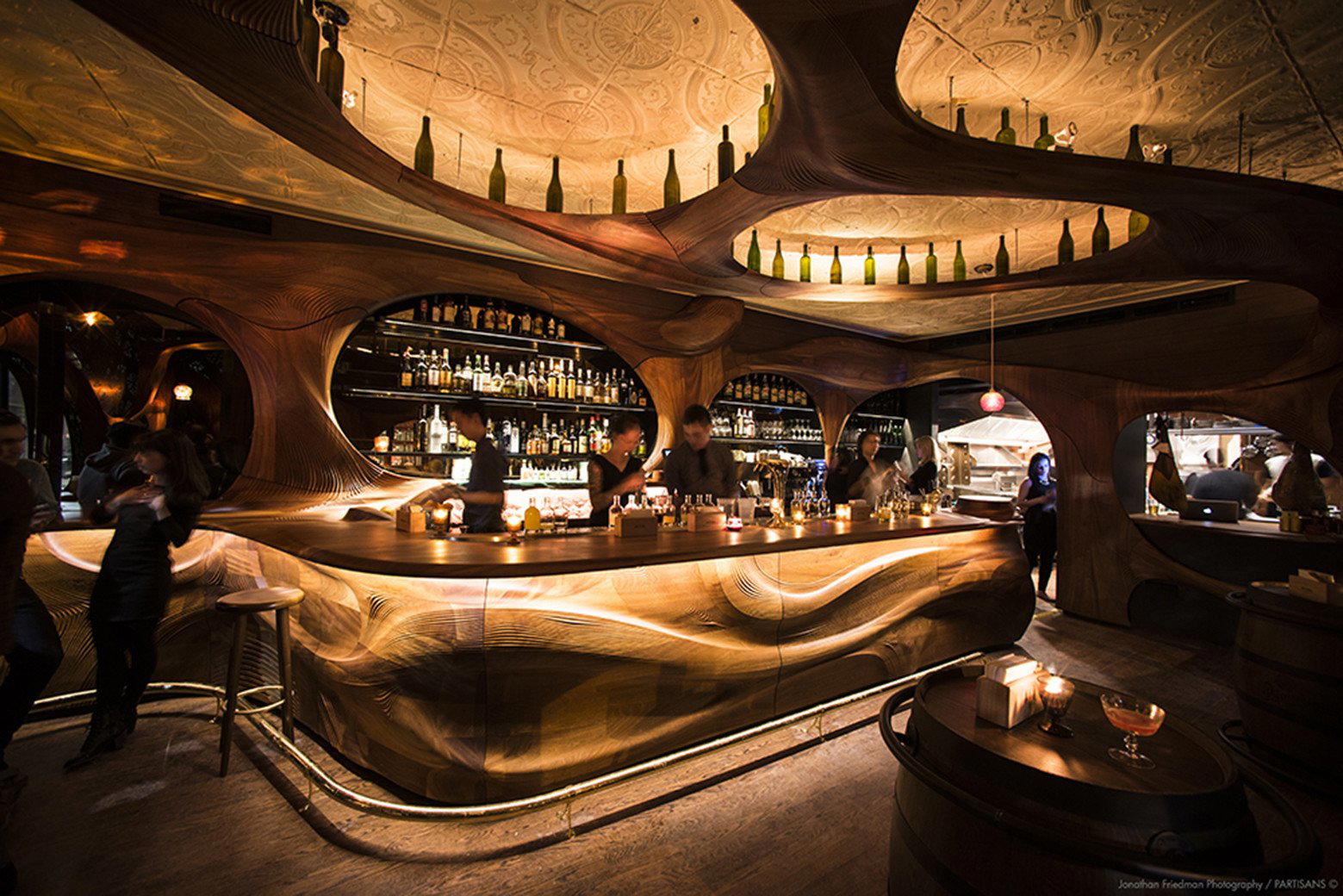
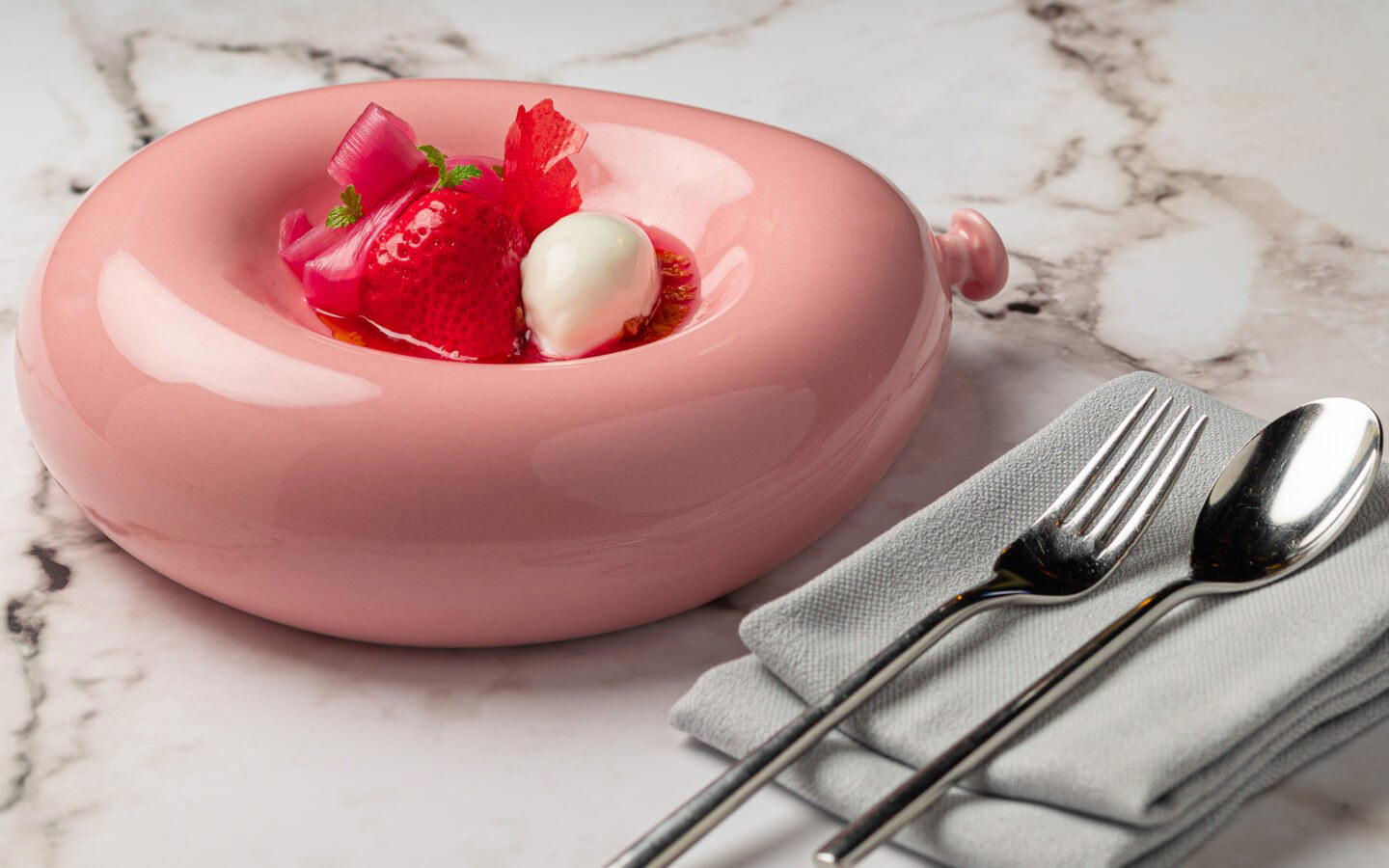
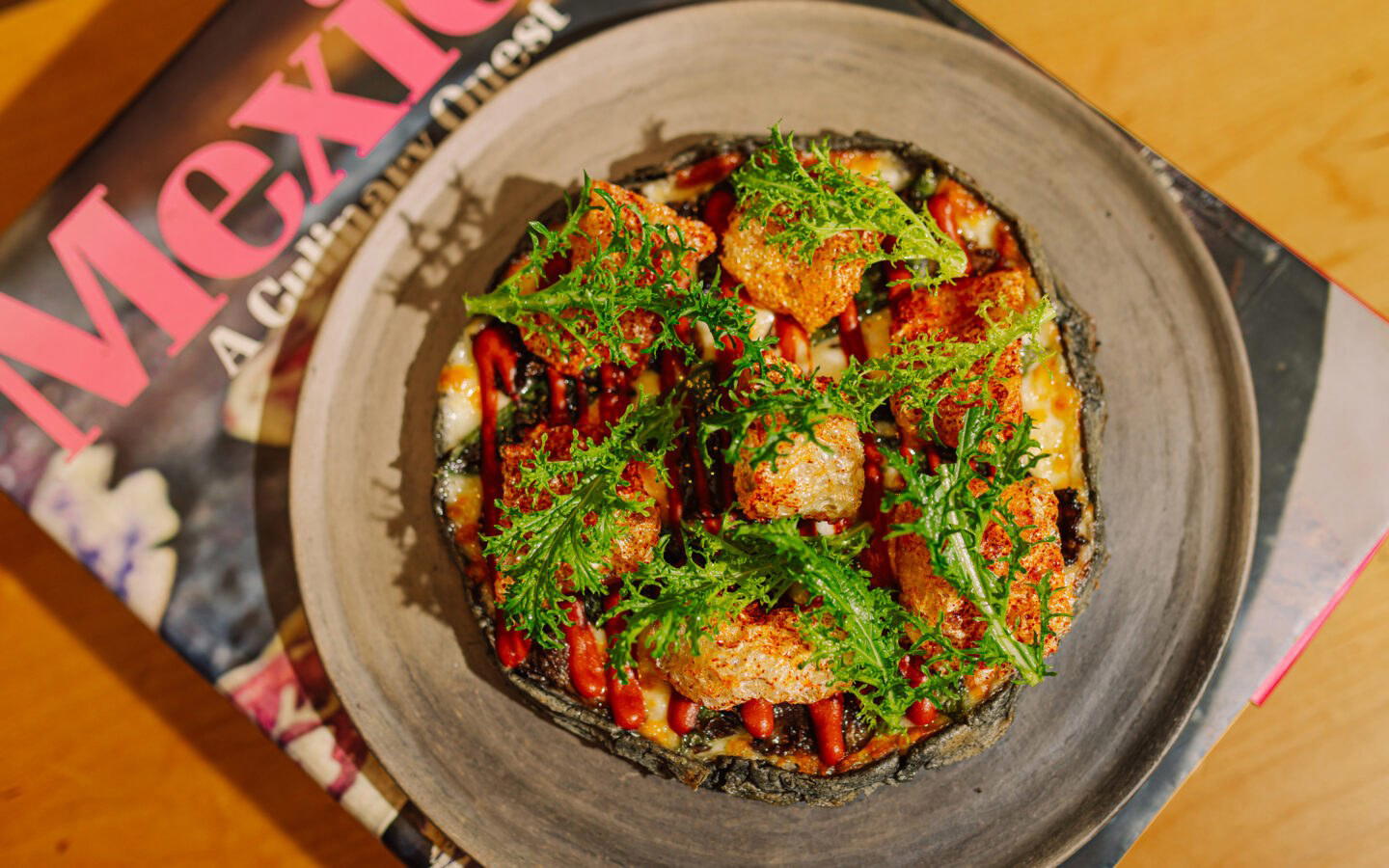
Bars in Toronto
Browse all →
Hotels in Toronto
Browse all →

At a Glance
- Cozy
- Trendy
- Casual Hangout
Current opening hours
- Monday
- 11 AM–9 PM
- Tuesday
- 11 AM–9 PM
- Wednesday
- 11 AM–9 PM
- Thursday
- 11 AM–9 PM
- Friday
- 11 AM–9 PM
- Saturday
- 11 AM–9 PM
- Sunday
- Closed
Hours can change for holidays and private events. Last verified .
Cozy atmosphere with lively pink walls, mason jar light fixtures, and bold tile accents reminiscent of a cantina.