Sous les Micocouliers
In the Alpilles village of Eygalières, Sous les Micocouliers occupies a position that says something about how Provence's quieter dining scene operates: away from the Luberon circuit, grounded in local produce, and shaped by the rhythms of the surrounding agricultural land. The restaurant draws visitors who have done their research and locals who return by habit, which in a village this size is its own form of endorsement.
 Discover on Pearl
Pearl is the En Primeur Club membership app — saves, bookings, and concierge access live there. Same editors, same standards.
- Address
- 43 Trav. Montfort, 13810 Eygalières, France
- Phone
- +33490959453
- Website
- lemicoc.com
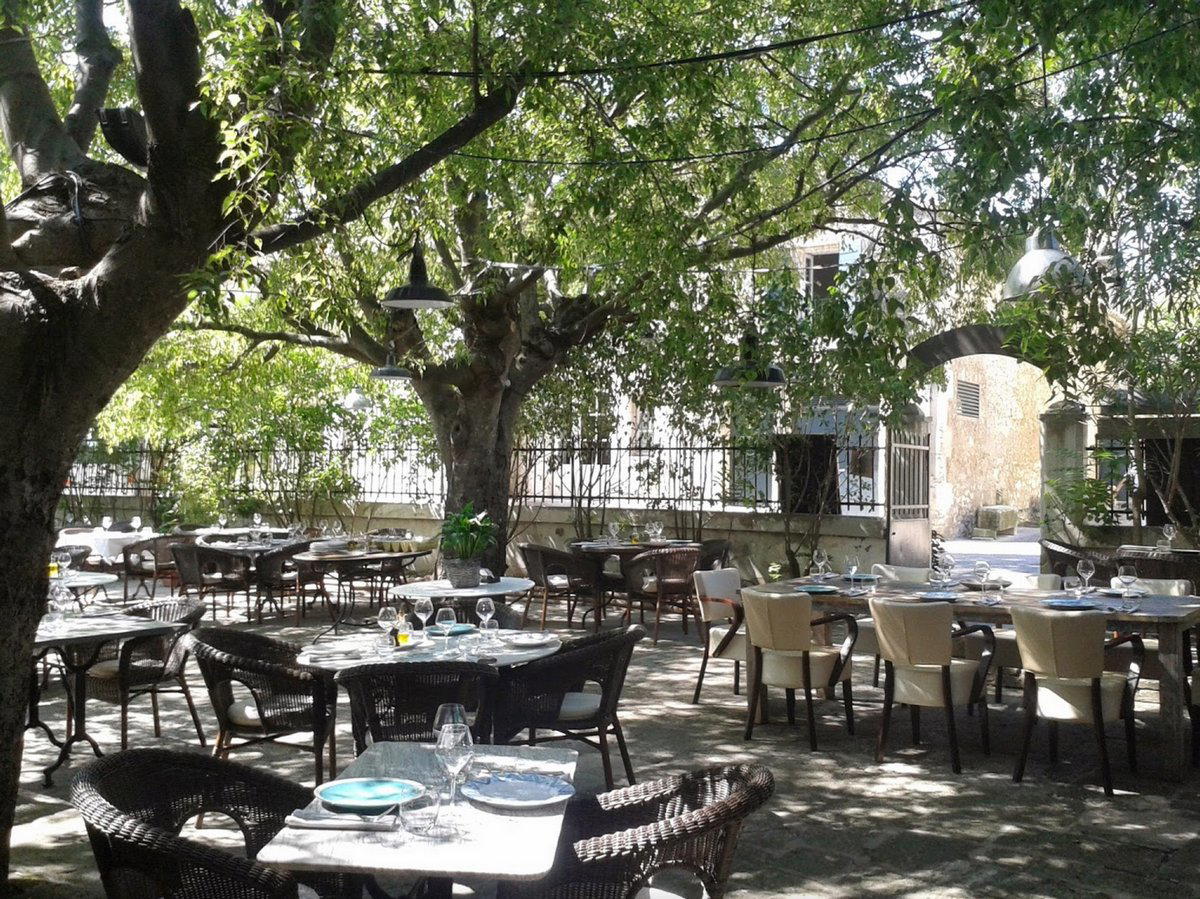
Dining in the Alpilles: What Eygalières Represents
The Alpilles is not a dining destination in the way that Lyon or Paris demands to be taken seriously as a gastronomic city. It operates differently. Villages like Eygalières attract a particular kind of traveller, one who has traded the Luberon's more trafficked routes for something quieter, and who expects the food to reflect the same preference for substance over spectacle. In this context, Sous les Micocouliers sits on Traversée Montfort in a setting that signals its priorities before a dish is placed on the table. The hackberry trees that give the restaurant its name, micocouliers in Provençal French, are a detail rooted in the place, not imported for effect.
For a broader view of how the village's dining options compare and complement each other, the full Eygalières restaurants guide maps the range from traditional auberge cooking to more refined seasonal formats.
The Sourcing Argument Provence Makes Naturally
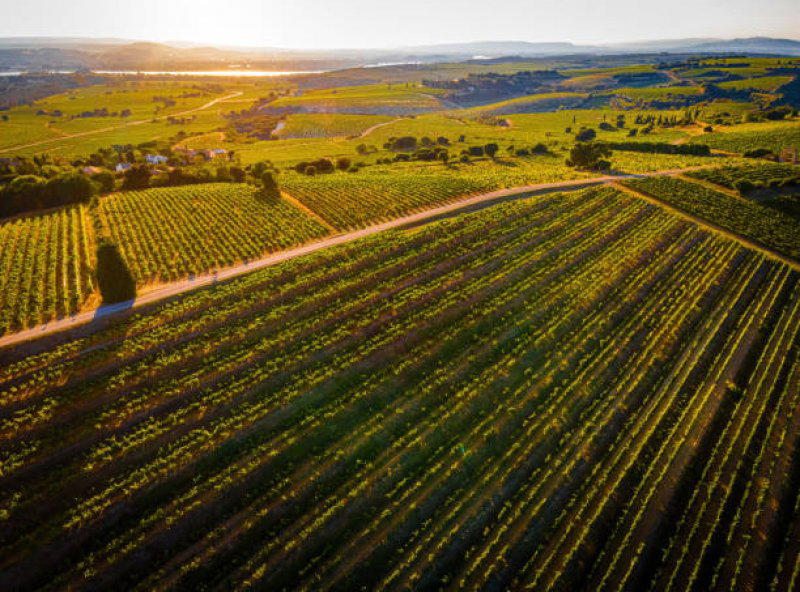
Provençal cooking has always made a territorial argument: that the ingredients of the garrigue, the market gardens of the Alpilles plain, and the olive groves pressing oil within kilometres of the table constitute a cuisine in themselves, requiring less intervention than cuisines built on technique and import. This is the tradition that shapes what appears on plates in this part of the Bouches-du-Rhône. Courgette flowers, tomatoes ripened under genuine sun, lamb from the Crau plain, olive oil from mills whose trees you can see from the road, these are not marketing claims in the Alpilles. They are the infrastructure of the cooking.
What distinguishes the better restaurants in this category from their more formulaic counterparts is the discipline to let sourcing do the compositional work. Provençal produce is not subtle, and it does not require heavy manipulation to communicate. The question a kitchen answers here is whether it has the restraint to serve what it has sourced rather than to cook over it. That restraint is harder to achieve than it appears, and it separates the restaurants worth returning to from those that coast on scenic location.
Across France, the sourcing-led approach has produced some of the country's most significant cooking, from Bras in Laguiole, where Michel Bras effectively codified the terroir-driven French plate, to Mirazur in Menton, where the restaurant's own kitchen garden structures each menu. In that broader national conversation, Provence's village restaurants operate at a more intimate scale, without the international attention, but often with an equally direct relationship between land and plate.
How Eygalières Sits Within the Provençal Dining Circuit
The villages of the Alpilles form an informal circuit for travellers using Saint-Rémy-de-Provence or Les Baux as a base. Eygalières sits at the quieter end of that circuit, less visited than Les Baux, less promoted than Saint-Rémy, and consequently more representative of how the area actually eats when it is not performing for tourists. The restaurants that survive here do so because they serve the community as much as they serve visitors, which tends to produce a more honest product.
Within the village, Sous les Micocouliers shares the local dining scene with Maison Hache, which operates in a more contemporary Provençal register, and Le Bistrot du Brau, which occupies the traditional bistro end of the spectrum. The spread across these three options gives the village a functional dining range without any one of them needing to be all things.
Further afield in the south, AM par Alexandre Mazzia in Marseille and Auberge du Vieux Puits in Fontjoncouse represent what the southern French table looks like when it reaches for formal recognition. Eygalières is not competing in that register, which is part of its point.
The Scale of the Room and What It Implies
Restaurants in villages of this size tend to operate with small teams and correspondingly small covers. The physical environment at Sous les Micocouliers, a Provençal address on a traversée rather than the main commercial drag, suggests a dining room that functions at human scale, where the cooking is shaped by what was available at the morning market rather than a standardised production system. This is the format in which seasonal Provençal cooking works most honestly: too many covers and the sourcing relationship breaks down; too few and the economics become untenable. The middle ground is what makes village dining in this region worth seeking out.
That format discipline connects Sous les Micocouliers to a broader category of French destination dining at the intimate end, properties like Auberge de l'Ill in Illhaeusern or Georges Blanc in Vonnas, which have retained village addresses even as their reputations expanded nationally. The scale difference is significant, but the underlying principle, that a restaurant rooted in a specific place should express that place, connects them.
Planning a Visit
Eygalières is most accessible by car from the A7 autoroute, with Saint-Rémy-de-Provence approximately ten kilometres to the northwest serving as the practical transport hub for the area. The village itself is compact enough to walk entirely, which matters for lunch visits when the afternoon light through the Alpilles makes lingering reasonable. Summer months bring the heaviest visitor traffic to the region; spring and early autumn offer the same produce quality with considerably fewer competing demands on local tables. Given the small-village context, contacting the restaurant directly to confirm current hours and availability before travel is advisable, particularly outside the main summer season when schedules in this part of Provence can shift.
For comparison points at the higher end of French fine dining that share the sourcing emphasis, Flocons de Sel in Megève, Troisgros in Ouches, and Alléno Paris au Pavillon Ledoyen each represent what the terroir argument looks like when scaled to institutional ambition. Sous les Micocouliers operates in a different register entirely, but the underlying question each kitchen answers, what does this land produce, and how directly can we serve it, remains the same.
How It Stacks Up
Comparable venues nearby, for context on price, style, and recognition.
| Venue | Cuisine | Price | Awards | Notes |
|---|---|---|---|---|
| Sous les MicocouliersThis venue — the venue you are viewing | Provençal Mediterranean | $$ | , | |
| Le Bistrot du Brau | Traditional Provençal Bistro | $$$ | Michelin Plate | Eygalières |
| Maison Hache | Modern Provençal Fine Dining | $$$$ | Michelin 1 Star | Eygalières |
| MOMENT | Mediterranean Bistro | $$ | , | Centre Ville |
| Restaurant Femina | Algerian Couscous Specialist | $$ | , | Noailles |
| PEPERE | Mediterranean Cocktail Bar with Tapas | $$ | , | Prefecture |
Continue exploring
More in Eygalières
Restaurants in Eygalières
Browse all →
Bars in Eygalières
Browse all →
Hotels in Eygalières
Browse all →
At a Glance
- Romantic
- Quiet
- Sophisticated
- Cozy
- Elegant
- Date Night
- Special Occasion
- Group Dining
- Casual Hangout
- Garden
- Terrace
- Courtyard
- Historic Building
- Standalone
- Beer Program
- Farm To Table
- Local Sourcing
- Organic
- Garden
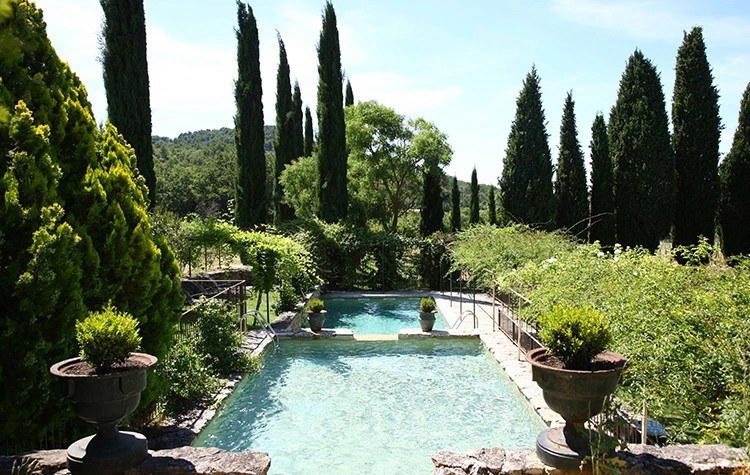
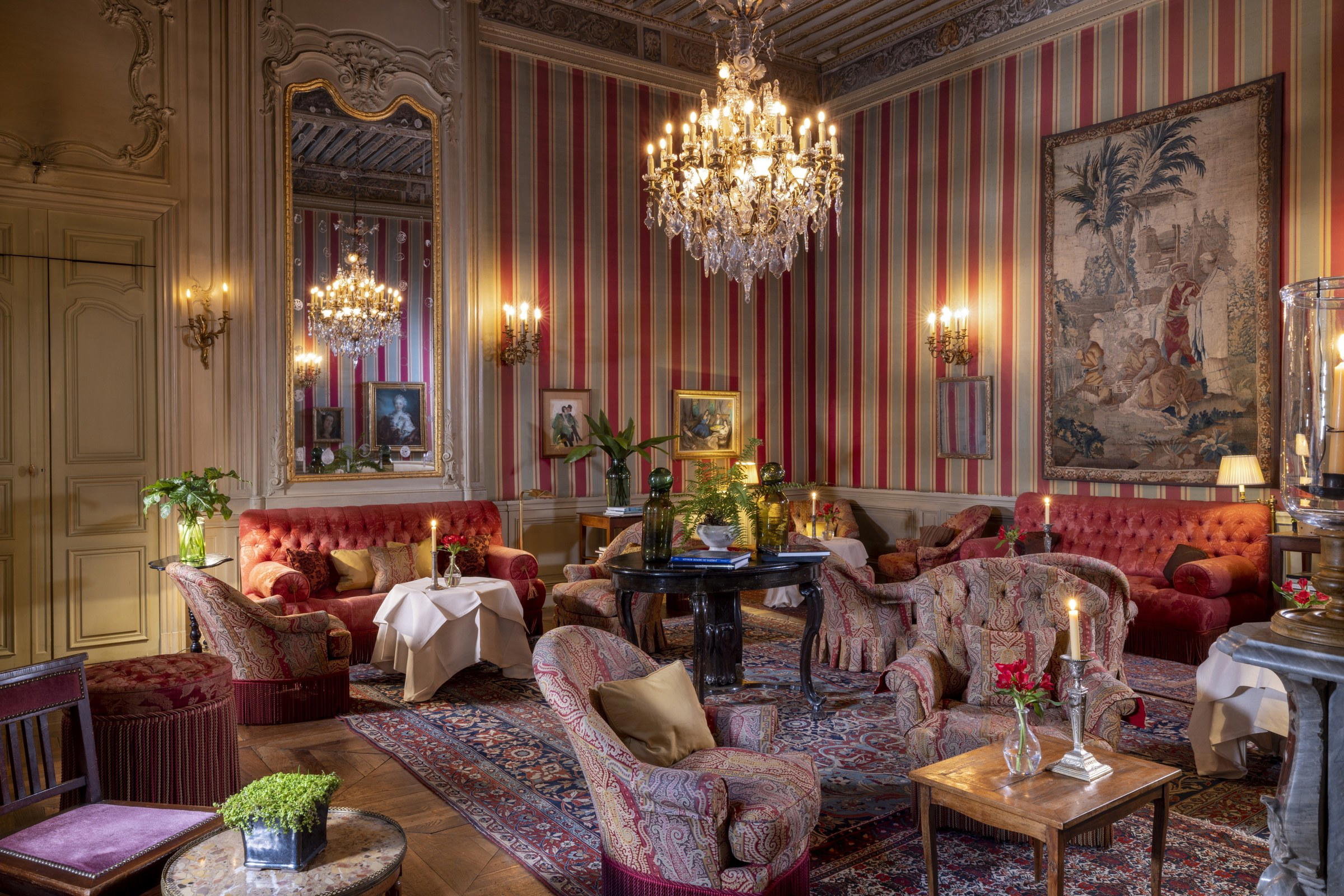
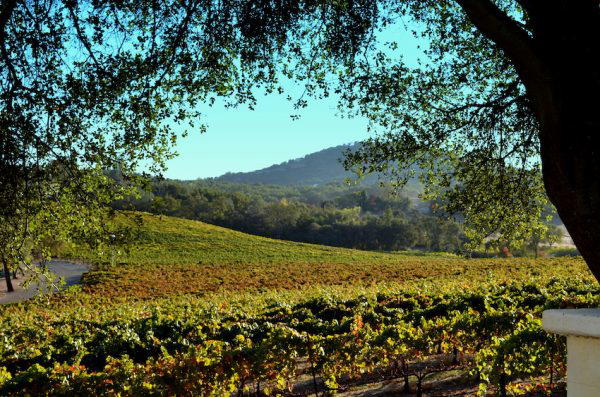
Sophisticated yet welcoming atmosphere with warm, intimate lighting in a charming stone courtyard surrounded by shade trees, creating a tranquil and refined dining experience.