
Le Coq belongs to Sapporo’s compact, serious chicken-dining tier, where counter seating, shochu, and late-evening pacing matter as much as the grill. Its selection for Tabelog 100 Chicken Cuisine 2025 gives it a clear credential within a category often overshadowed by sushi, ramen, and soup curry in Hokkaido dining itineraries.
Pearl is the En Primeur Club membership app — saves, bookings, and concierge access live there. Same editors, same standards.
- Address
- 1 Chome-4-2 Minami 4 Jonishi, Chuo Ward, Sapporo, Hokkaido 064-0804, Japan
- Phone
- +81 11-272-0444
- Website
- instagram.com
 Saves & bookings on Pearl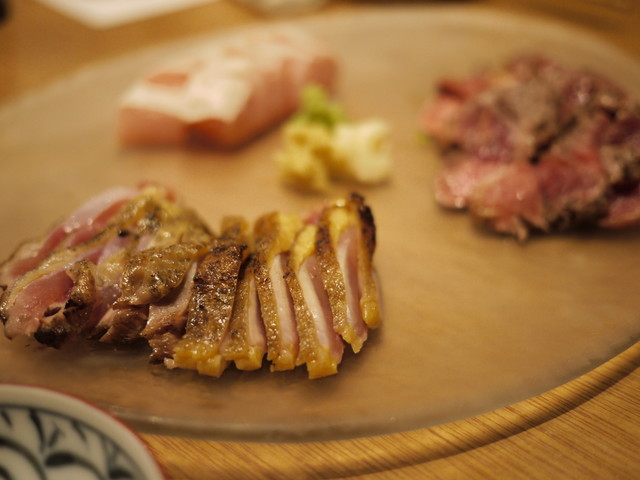
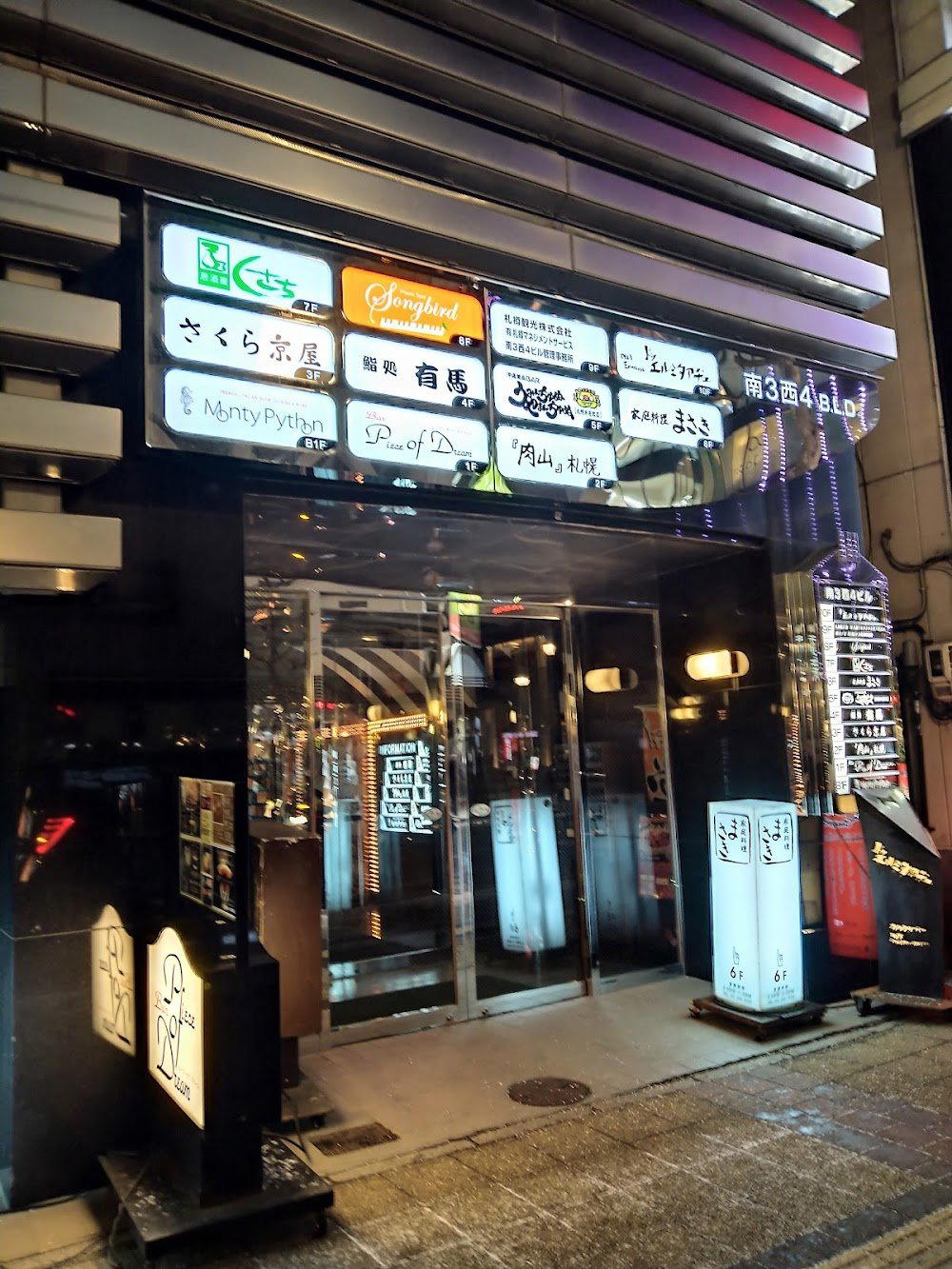
Susukino after dark is built for narrow decisions: ramen counters glowing behind steamed glass, soup curry rooms pulling in office workers, and small drinking dens where dinner is measured in skewers, smoke, and the rhythm of refilled glasses. In that setting, chicken cuisine has its own grammar. It is less ceremonial than sushi and less tourist-facing than crab, but it rewards attention to sourcing, cut, heat, and drink pairing. Le Coq sits inside that Sapporo tradition as a compact counter-led address, selected for Tabelog 100 Chicken Cuisine 2025, with a drinks program that leans into sake, shochu, and cocktails rather than treating alcohol as an afterthought.
Hokkaido’s food reputation is often reduced to dairy, seafood, and winter comfort, but the city’s evening dining culture is broader than that shorthand. Chicken restaurants occupy a useful middle register: more deliberate than casual izakaya eating, less formal than tasting-menu dining, and suited to groups who want a proper night out without turning dinner into a three-hour ceremony. The category depends on restraint. Good chicken cooking does not hide behind luxury ingredients; it asks whether the kitchen can separate texture from toughness, fat from grease, and char from bitterness.
Chicken cuisine in Sapporo's drinking district is about sourcing, cuts, and control
The point of a chicken-focused counter is not simply that poultry appears often. The stronger examples make a meal out of variation: lean and fatty cuts, grilled and simmered preparations, salty drinking food, and sharper accompaniments designed for sake or shochu. Le Coq’s classification as chicken dishes and Japanese shochu bar places it in that exact lane. The pairing matters because shochu changes the meal’s center of gravity. Compared with beer-led izakaya pacing, shochu rewards cleaner seasoning and more deliberate heat; compared with wine service, it keeps the mood local, compact, and late-night friendly.
That is also where ingredient sourcing becomes more than a menu claim. Chicken cuisine has little margin for vague luxury language. The difference between an ordinary bird and a kitchen that understands its supply chain shows up in how many usable textures can be pulled from the same ingredient and how confidently the drinks list supports them. No chef biography is needed to read the format. Counter seating, poultry specialization, and a shochu-forward identity point to a restaurant built around repetition and control rather than novelty.
Within Sapporo, that makes Le Coq a useful counterpoint to the city’s louder comfort-food circuits. The city’s curry culture has its own serious followers, from 175°DENO Tantanmen Sapporo kitaguchi ten for spice-driven noodles to [Curry Senmon Ten] Maruyama Kyoju., Ajanta Indo Curry Ten, and Ajanta Sohonke. Those addresses speak to Sapporo’s appetite for spice and warmth. Chicken dining occupies a different tempo: less broth, more counter heat; less volume, more sequence.
The Tabelog 100 signal places it in a narrower national conversation
Tabelog’s Hyakumeiten lists are useful because they sort by category rather than flattening every restaurant into a single prestige hierarchy. Selection for Tabelog 100 Chicken Cuisine 2025 puts Le Coq in a national conversation around poultry specialists, not merely Sapporo neighborhood dining. That distinction matters. Chicken cuisine in Japan includes yakitori, regional bird dishes, and hybrid drinking-room formats, so recognition in this category indicates depth within a field that does not always receive the same international attention as sushi or kaiseki.
Price positioning reinforces the restaurant’s role. In Sapporo terms, it does not sit with inexpensive curry and noodle counters, and it does not push into the city’s higher-ticket formal tier. Comparison venues make the spread clear: DELHI Sapporo ten and soup curry yellow occupy lower everyday brackets, North Continent Machi No Naka moves into a mid-range Western-influenced lane, while Sanko Sha sits well above for dinner. Le Coq lands in the middle ground where a focused dinner and drinks can feel intentional without becoming a splurge-format booking.
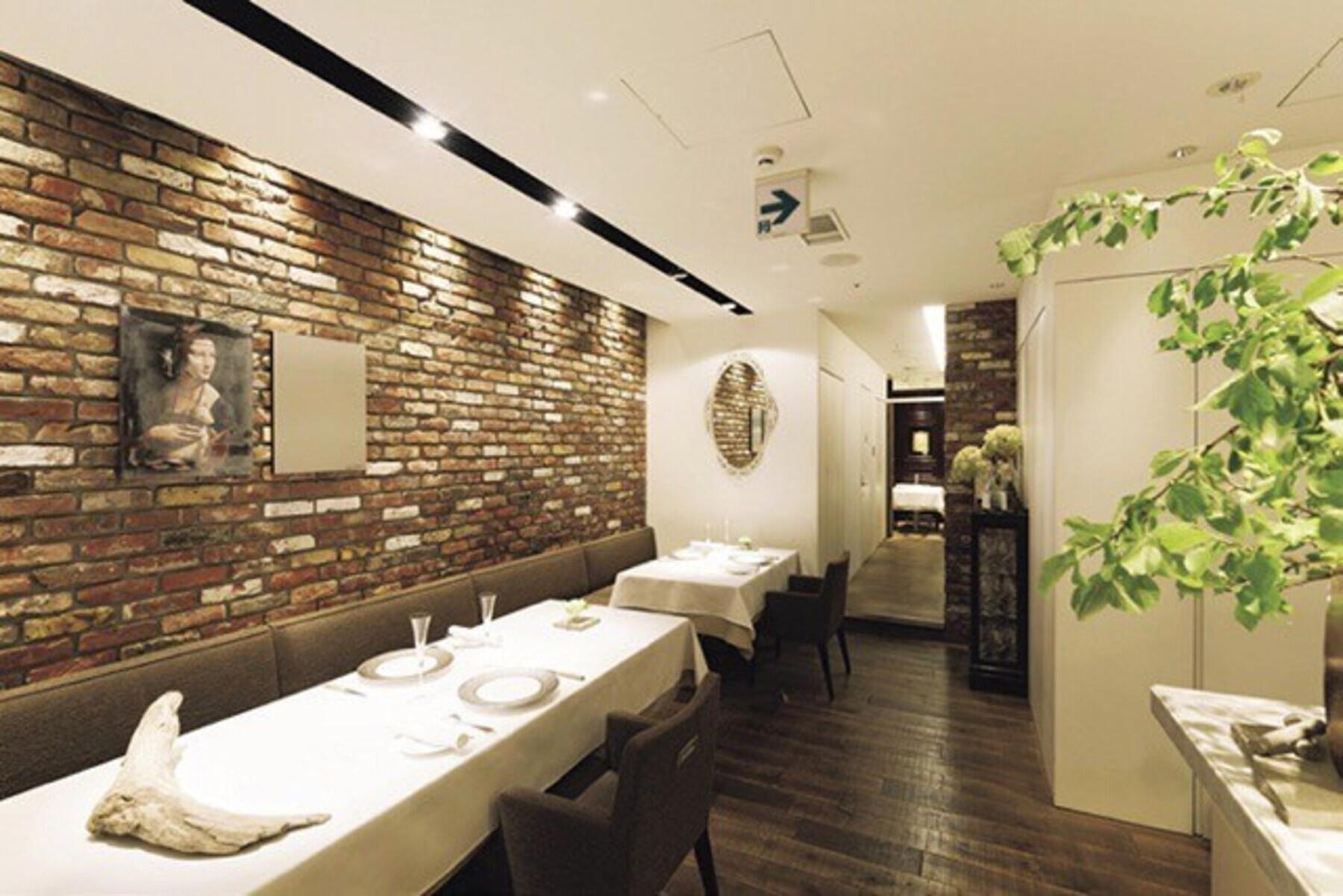
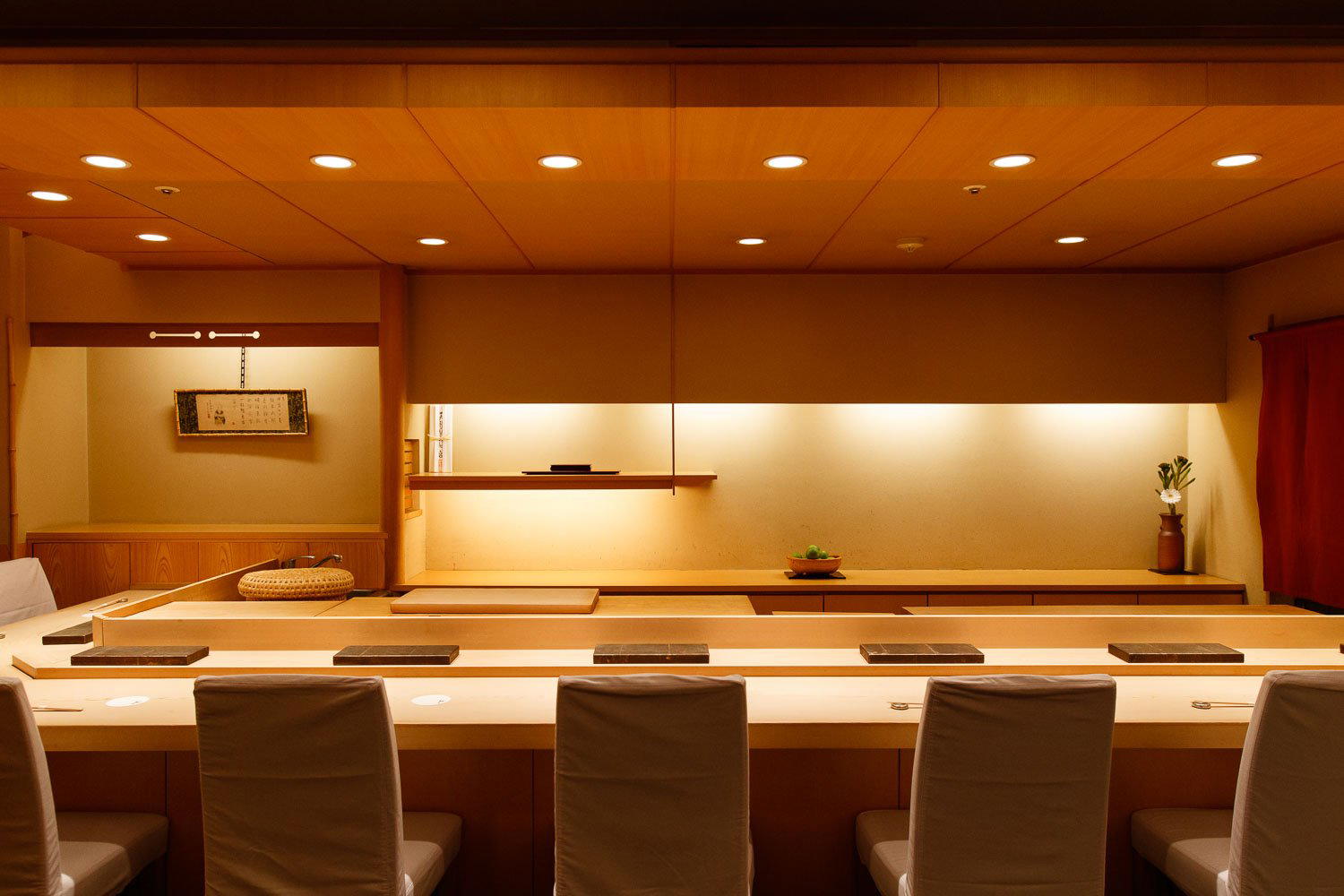
The room format sharpens that reading. Counter seating changes how chicken cuisine is experienced because timing and heat are part of the meal’s logic. It brings the cooking closer to the guest and makes sequencing easier to follow, which suits poultry better than a sprawling à la carte table. This is not a place to judge by décor language or chef mythology. The better question is whether the format supports the ingredient. Here, the answer is coherent: chicken as the anchor, shochu as the companion, and Susukino as the natural setting.
How to place it in a Sapporo food itinerary
For travelers building a Sapporo eating schedule, Le Coq works as a dinner counter rather than a landmark lunch stop. The surrounding district rewards walking between food and drink, and the nearby station access makes it easy to pair with a bar plan afterward. Readers comparing broader categories can use Our full Sapporo restaurants guide for dining, Our full Sapporo bars guide for drinks, Our full Sapporo hotels guide for where to stay, Our full Sapporo wineries guide for wine-focused planning, and Our full Sapporo experiences guide for non-restaurant context.
The editorial case is strongest for diners who already understand that Sapporo is not only a seafood city. Aigues Vives, listed in our local coverage at Aigues Vives, shows another side of Hokkaido’s ingredient culture, while chicken specialists like Le Coq make the argument at night, glass in hand, with a narrower brief. For wider Japan planning, useful contrasts include -Grilled beef Sukiyaki- KAMAKURA TANUKIAN 鎌倉 たぬき庵 in Kamakura. 鮪と炭火焼き うお炭 秋葉原店 in Tokyo.cafe in Osaka.know in Kumamoto, (Shoku) Vietnam in Kawasaki, and [ki:] in Kyoto. Outside Japan, Jōdo Saké Bar in Los Angeles and Onigiri Time in Pasadena show how Japanese drinking and casual-food formats translate abroad, often with a different relationship to sourcing and service rhythm.
Le Coq’s appeal is not scale. It is the disciplined fit between place, ingredient, and drink. In a city where visitors often chase seafood markets by day and ramen queues by night, a chicken counter with national category recognition gives a sharper reading of Sapporo after dark.
A Quick Peer Check
Comparable venues by cuisine and price in the same metro.
| Venue | Cuisine | Price | Notes |
|---|---|---|---|
| Le CoqThis venue — the venue you are viewing | Yakitori Izakaya | $$ | Not listed |
| Soup Curry & Dining Suage+ (suage+ 本店) | Hokkaido Soup Curry | $$ | Susukino, Chuo Ward |
| Menya Yukikaze Susukino ten | Japanese Ramen | $$ | Chūō |
| Keyaki (けやき) | Sapporo Miso Ramen | $$ | Susukino |
| soup curry yellow | Sapporo soup curry specialist | $$ | Chūō |
| Soup Curry GARAKU Sapporo honten | Sapporo soup curry | $$ | Chūō |
Recognition history
Dated appearances from independent guides and award organizations, with the underlying list record or original source where available.
Tabelog 100 #47 · No. 47
Tabelog · Tabelog 100 - Chicken cuisine - 2025


At a Glance
- Lively
- Cozy
- Intimate
- After Work
- Group Dining
- Casual Hangout
- Late Night
- Date Night
- Standalone
- Sake Program
- Beer Program
Current opening hours
- Monday
- 6–10:30 PM
- Tuesday
- 6–10:30 PM
- Wednesday
- 6–10:30 PM
- Thursday
- 6–10:30 PM
- Friday
- 6–10:30 PM
- Saturday
- 6–10:30 PM
- Sunday
- Closed
Hours can change for holidays and private events. Last verified .