On Avenida Eloy Alfaro in Quito's northern residential belt, Somos operates in a city that has quietly become one of South America's more interesting dining destinations. The address places it within reach of the creative restaurants reshaping Ecuadorian cooking, and the venue draws visitors who approach the city's dining scene with some planning already done.
Pearl is the En Primeur Club membership app — saves, bookings, and concierge access live there. Same editors, same standards.
- Address
- Av. Eloy Alfaro N34-421, Quito 170504, Ecuador
- Phone
- +593998003622
- Website
- somos.rest
- Directions
- Get directions
 Saves & bookings on Pearl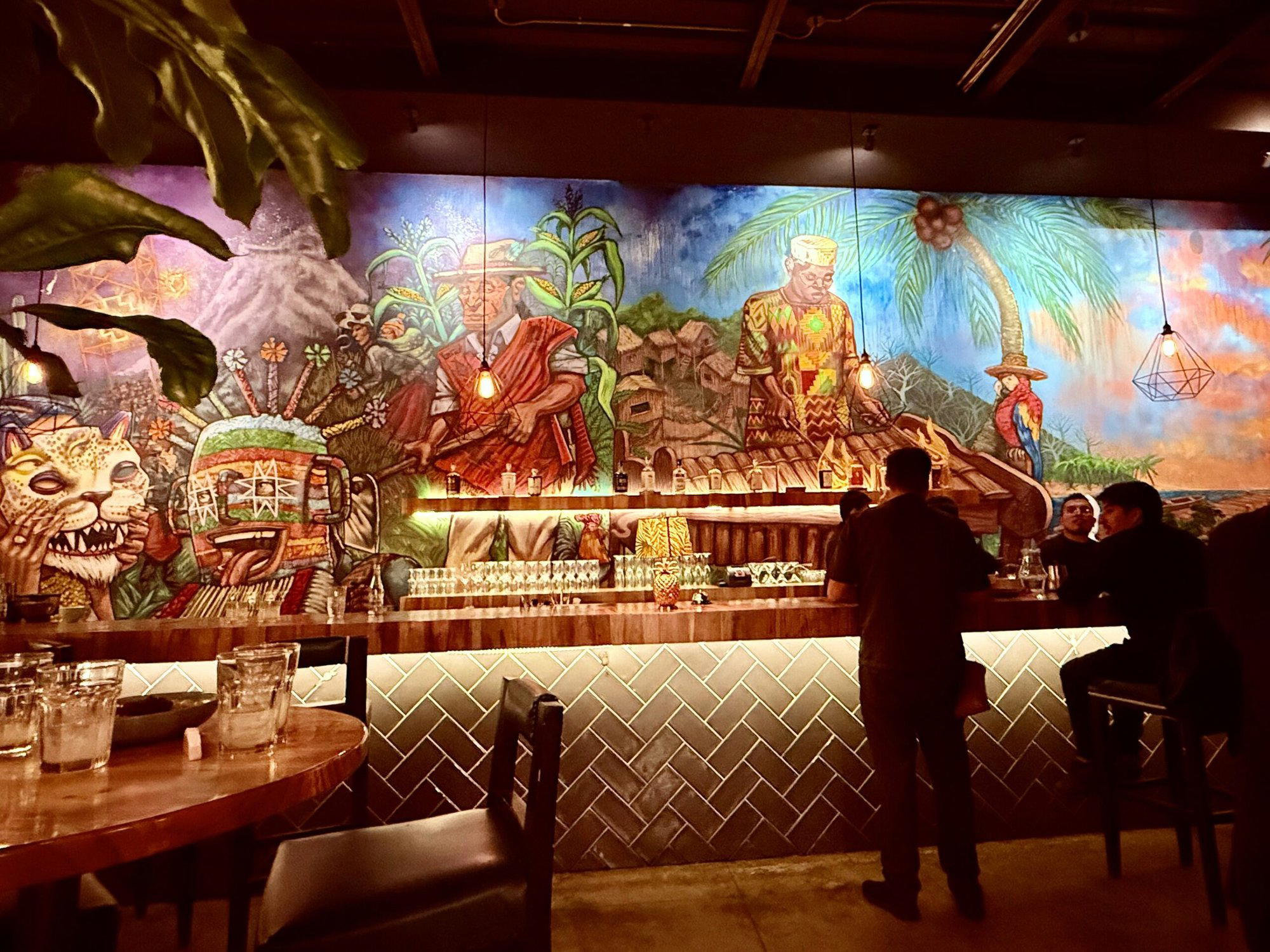
Quito's Dining Scene and Where Somos Sits Within It
Avenida Eloy Alfaro runs through a stretch of Quito that functions as the city's working residential and commercial north, a corridor that lacks the colonial grandeur of the Historic Centre but concentrates a notable share of the capital's serious restaurants. The dining geography here is practical: venues compete on food and format rather than postcard settings, and regulars tend to be Quiteños with opinions rather than tourists in transit. Somos is a restaurant serving Modern Ecuadorian Fusion at Av. Eloy Alfaro N34-421 in Quito, where the conversation around Ecuadorian cooking has grown increasingly specific over the last several years.
That conversation is worth framing before arriving at any individual table. Quito's restaurant culture has split in a way recognisable from other mid-sized South American capitals: one tier chases international fine-dining credentials, another anchors itself in Ecuadorian technique and sourcing, and a third serves the everyday city with little interest in either category. The restaurants that have drawn sustained attention, places like Nuema and Tributo, sit in the second tier, using Andean ingredients as structural material rather than decorative gesture. Somos operates in the same city and the same general moment, which sets the frame for what a visit here means.
Planning the Visit: What You Need to Know Before You Go
The address on Eloy Alfaro is specific enough to find, and reservations are recommended. The restaurant's regular hours are Monday to Thursday from 1 to 4 PM and 6:30 to 10 PM, Friday and Saturday from 1 to 4 PM and 6:30 to 10:30 PM, and Sunday from 1 to 4 PM and 6:30 to 9:30 PM. This is not unusual for the neighbourhood: several of Quito's more interesting addresses operate with limited digital presence, and the assumption that a Google search will resolve logistics quickly does not always hold.
For visitors building a Quito itinerary around specific restaurants, this matters. The city's better-known dining addresses, from Casa Gangotena in the Historic Centre to Cardó and Banh Mi elsewhere in the north, maintain booking infrastructure that makes planning easier. Somos requires a different approach: arrive with flexibility, or contact the venue through any social media presence it maintains, which tends to be more current than search-engine data in Ecuador's restaurant sector.
Getting to the Eloy Alfaro address from the Historic Centre takes roughly 20 to 30 minutes by taxi or rideshare depending on traffic. The neighbourhood itself is walkable once you arrive, and several of the city's grocery and specialty food retailers are nearby, which reflects the kind of area this is: food-literate, locally oriented, and not configured for tourism infrastructure.
The Broader Ecuadorian Dining Context
Understanding what Somos represents as a dining proposition requires some knowledge of where Ecuadorian restaurant cooking currently sits. The country's culinary identity has traditionally been discussed through its regional variation: coastal ceviche and encocado traditions, Sierra preparations built around corn, potato, and pork, and Amazonian ingredients that rarely reach city menus in finished form. What has changed in Quito's better restaurants over the last decade is the degree to which those traditions are being treated as a technical and creative resource rather than a fixed repertoire.
The restaurants that have accumulated critical attention in Ecuador, some of which appear in Latin America's 50 Best rankings, have done so by applying modern kitchen discipline to native ingredients. Chefs working in this register tend to have training in international kitchens and a deliberate focus on Ecuadorian sourcing, a combination that positions them alongside peers in Lima, Bogotá, and São Paulo rather than simply within a domestic market. Venues further afield that have carved a similar position in different culinary traditions, Atomix in New York City with Korean technique, Lazy Bear in San Francisco with its collaborative format, or 8 1/2 Otto e Mezzo Bombana in Hong Kong with European classical training applied to an Asian context, illustrate how the same structural approach plays out across different culinary geographies. Somos operates in a city where this conversation is active, and on a street that sits within the radius of that creative cluster.
Ecuador's dining geography beyond Quito offers useful comparison points for visitors who plan to travel more widely. Red Crab in Guayaquil represents the coast's seafood register, while Le Petit Jardin in Cuenca Canton and Carlo and Carla in Samborondón Canton reflect how the country's secondary cities are developing their own dining identities. For travellers extending the itinerary to the islands, Ecoventura in San Cristóbal and the Evolution Restaurant in the Galápagos Islands sit in a category defined more by location and experience format than culinary ambition. Hornados Dieguito in Los Chillos remains the reference point for traditional Sierra roast pork at a regional level.
What the Address Tells You
Restaurant addresses in Quito carry information. A venue on the Historic Centre's plazas signals a different proposition from one on Eloy Alfaro, where the clientele skews local and the incentive to perform for tourists is low. That context is one reason why the Eloy Alfaro corridor has produced some of the city's more considered cooking over the last several years, with Nuema and the restaurants around it establishing a geographic cluster with genuine critical weight. The trade-off is that venues in this part of the city tend to have thinner digital footprints and require more direct engagement to plan around.
For visitors accustomed to the booking infrastructure of restaurants like Le Bernardin in New York City or Emeril's in New Orleans, Quito's approach to dining logistics can require adjustment. The payoff is access to a restaurant culture that remains genuinely local in its orientation, where the room is more likely to be full of people who live and work in the neighbourhood than of visitors following a list.
At-a-Glance Comparison
Comparable venues nearby, for context on price, style, and recognition.
| Venue | Cuisine | Price | Notes |
|---|---|---|---|
| SomosThis venue — the venue you are viewing | Modern Ecuadorian Fusion | $$$ | Not listed |
| Noe | Ecuadorian-Japanese Fusion Sushi | $$$ | Plaza Las Américas, San Luis, Cumbayá |
| Banh Mi | Asian Fusion with Local Ecuadorian Influences | $$ | La Floresta |
| RINCÓN DE FRANCIA | Classic French with Ecuadorian Touches | $$$ | Mariscal Sucre |
| La Briciola | Authentic Italian | $$ | Cumbaya, La Floresta |
| Chez Jérôme | French-Ecuadorian Fusion Bistro | $$$ | La Pradera |
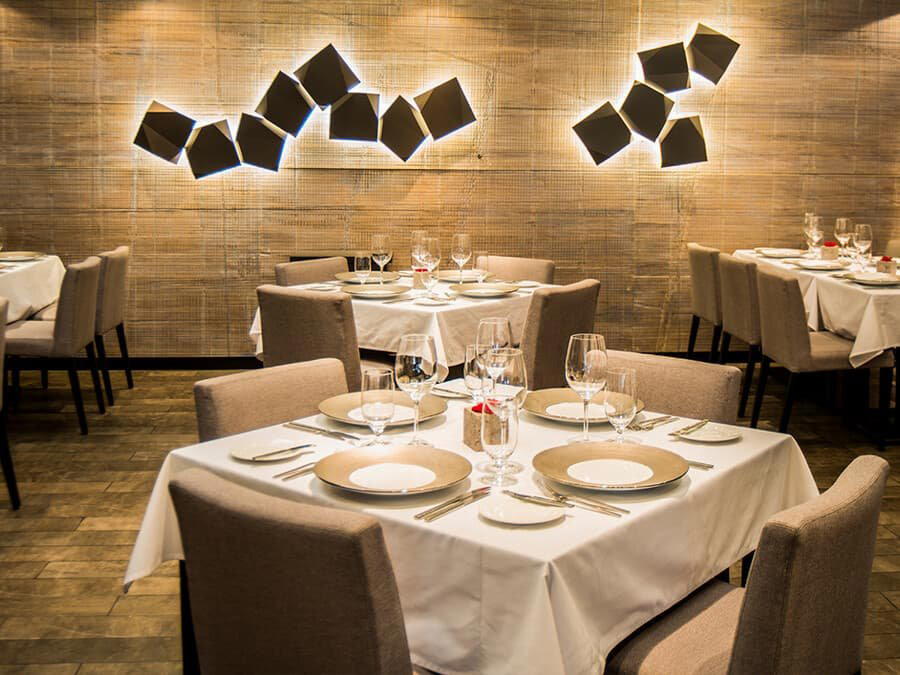
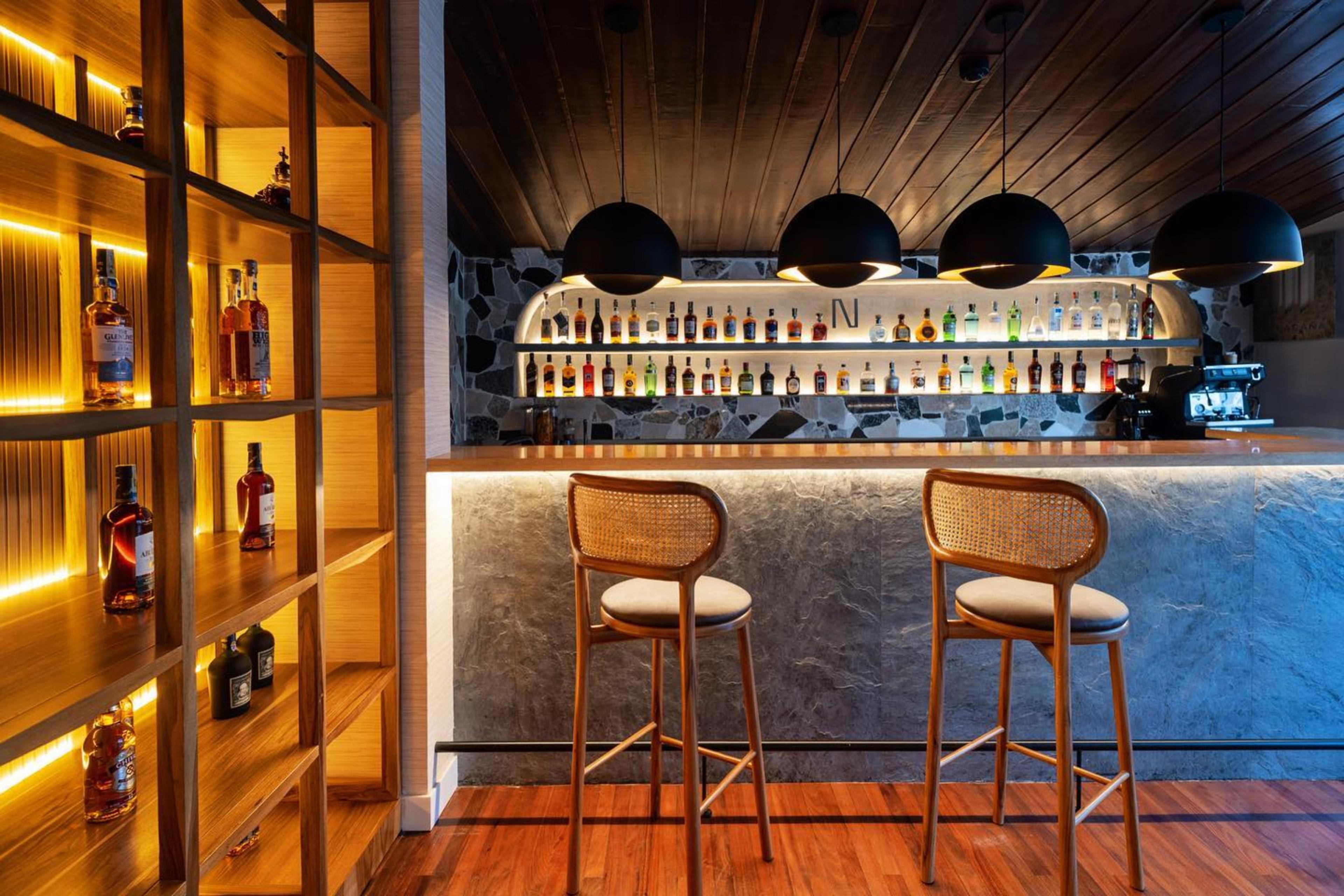
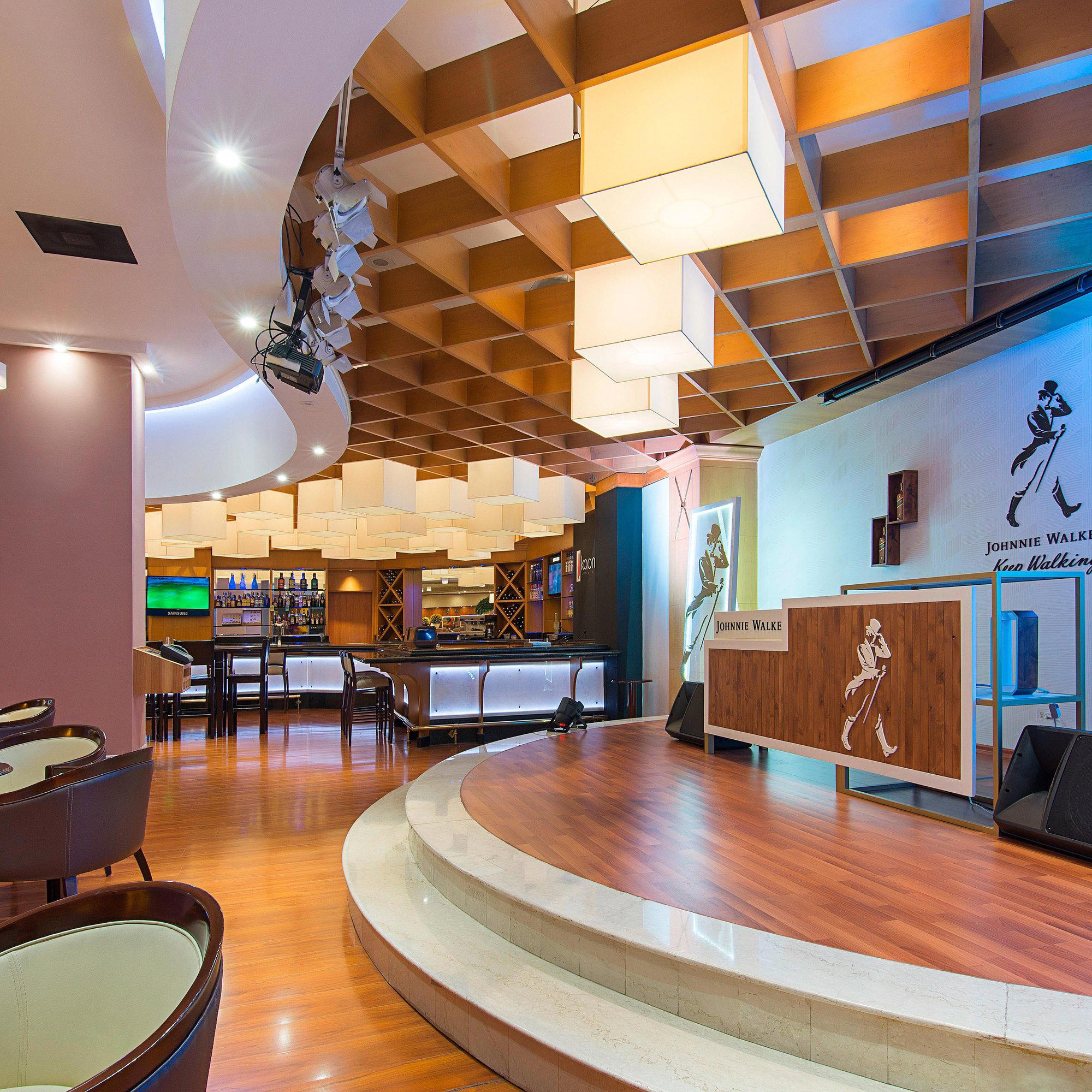
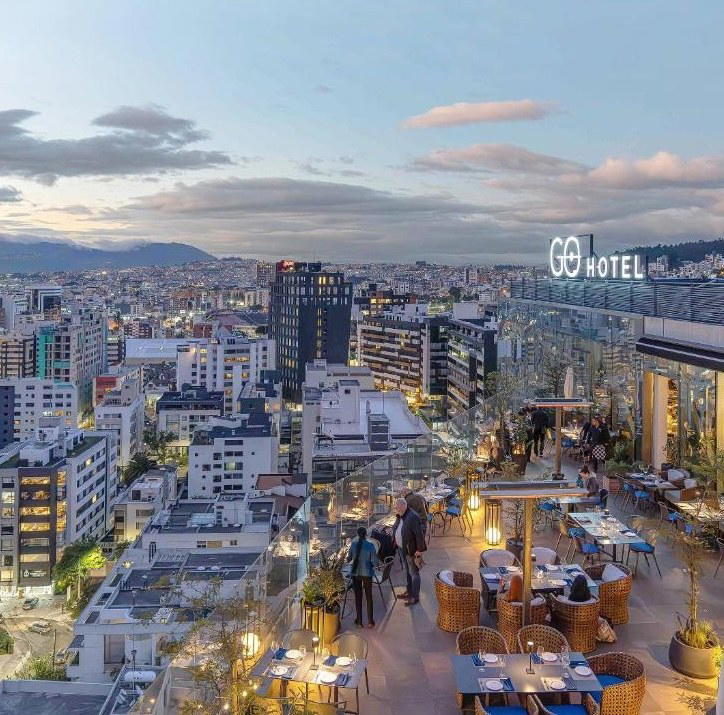
At a Glance
- Modern
- Trendy
- Cozy
- Elegant
- Date Night
- Special Occasion
- Celebration
- Open Kitchen
- Craft Cocktails
- Local Sourcing
Current opening hours
- Monday
- 1–4 PM, 6:30–10 PM
- Tuesday
- 1–4 PM, 6:30–10 PM
- Wednesday
- 1–4 PM, 6:30–10 PM
- Thursday
- 1–4 PM, 6:30–10 PM
- Friday
- 1–4 PM, 6:30–10:30 PM
- Saturday
- 1–4 PM, 6:30–10:30 PM
- Sunday
- 1–4 PM, 6:30–9:30 PM
Hours can change for holidays and private events. Last verified .
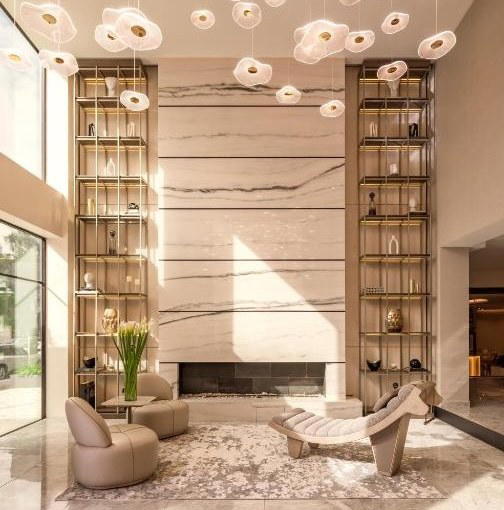
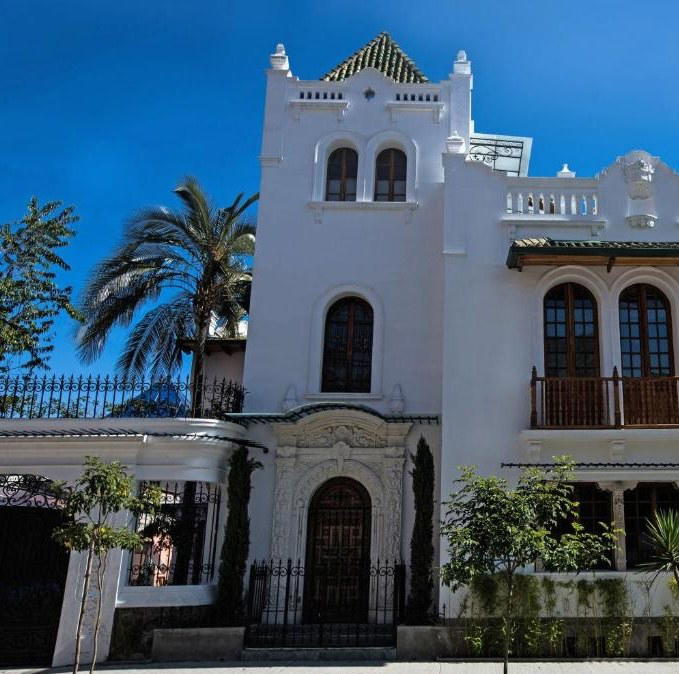
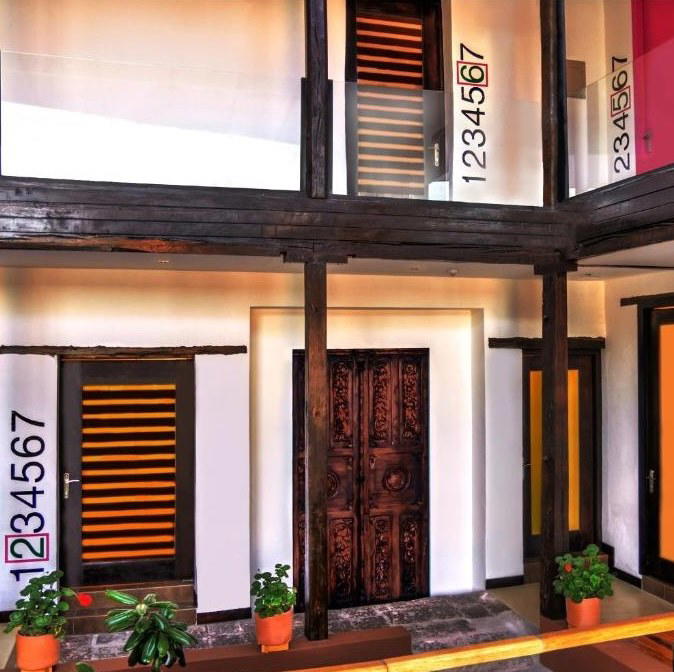
Beautiful dining room as a shrine to Ecuador's colors and materials, with colorful murals fostering an atmosphere of food, conversation, and human connection.