Nubori occupies a corner address in Quito's González Suárez corridor, a neighbourhood that has become the reference point for the city's more considered dining options. The restaurant sits within the Bristol Parc building on Catalina Aldaz and Portugal, placing it firmly inside the zone where Quito's restaurant scene has been quietly consolidating its more serious ambitions over the past decade.
Pearl is the En Primeur Club membership app — saves, bookings, and concierge access live there. Same editors, same standards.
- Address
- Catalina Aldaz y Portugal y esquina, Edificio Bristol Parc, Quito 170135, Ecuador
- Phone
- +593939015500
- Website
- nubori.ec
- Directions
- Get directions
 Saves & bookings on Pearl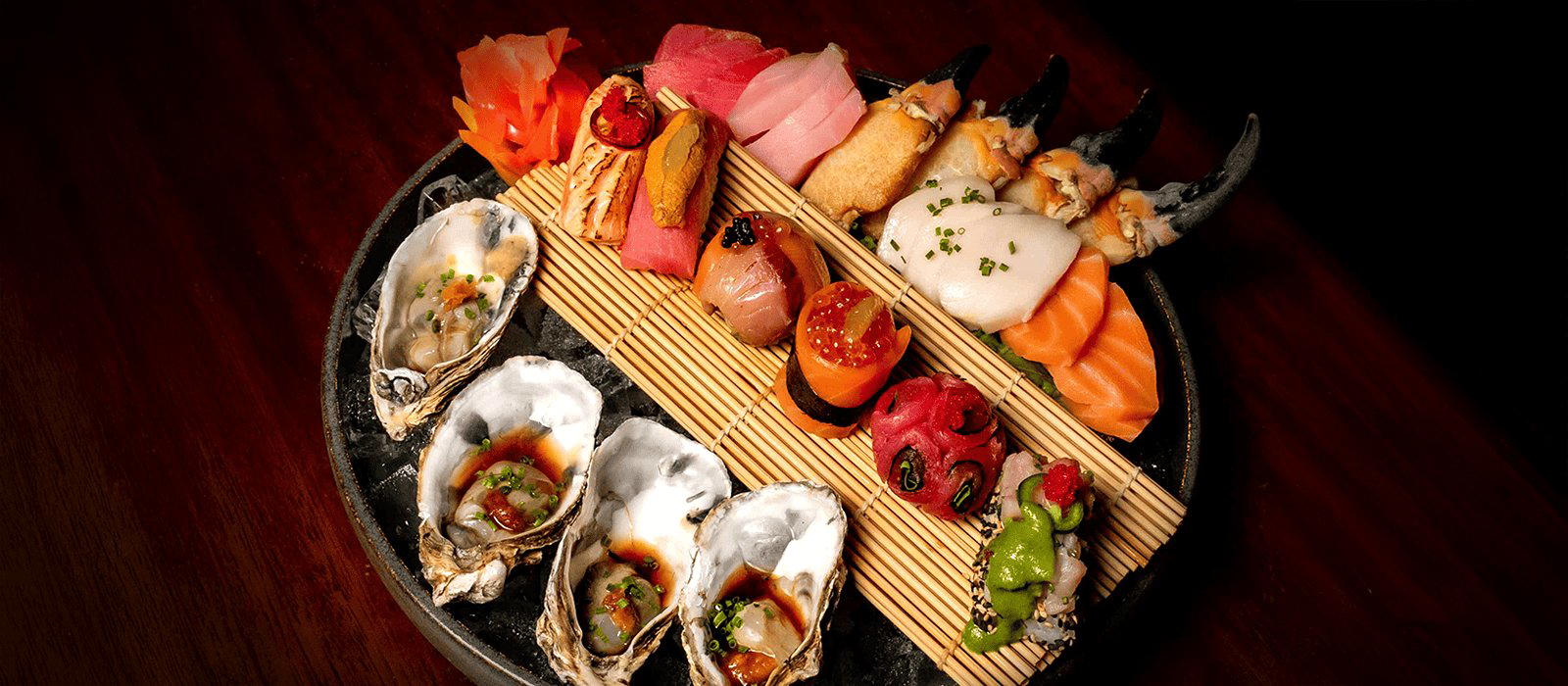
A Corner in Quito Where the Meal Has Its Own Tempo
There is a particular kind of restaurant that Quito has been producing with increasing confidence: not the grand colonial-house conversion, not the hotel dining room dressed up as a destination, but a neighbourhood address that earns its reputation through the quality of the sitting, the pacing, and the sequence of what arrives at the table. Nubori is a Japanese Fusion with Ecuadorian Influences restaurant in Quito, at the intersection of Catalina Aldaz and Portugal inside the Bristol Parc building, and the price per person is about $25. It belongs to this category. The González Suárez corridor, the stretch of Quito running northeast from the Parque La Carolina toward the Valle de los Chillos foothills, has become the city's most coherent dining district, a place where proximity to money and residential density has allowed a different kind of restaurant culture to take root. Nubori works within that context rather than against it.
The Ritual of the Meal in a High-Altitude City
Dining at altitude changes the experience in ways that visitors from sea level rarely anticipate. Quito sits at 2,850 metres, and the body metabolises food and alcohol differently at that elevation. The restaurants that understand this, and that Quito's better operators have learned to account for, tend to build meals with a particular rhythm: slower, more deliberate, with pacing that gives the diner time to settle. The dining ritual in cities like Quito has historically drawn from both European formality and Andean informality, producing a meal structure that is neither rigidly coursed nor casually assembled. The meal unfolds rather than being delivered.
This approach to pacing sits at the centre of how the more considered restaurants in Quito differentiate themselves. Where addresses like Nuema have pushed Ecuadorian ingredients through a technical lens informed by international technique, and where Tributo has built its identity around a more explicit tribute to local culinary tradition, Nubori operates from its González Suárez address with a more residential, embedded quality. It is the kind of place that a neighbourhood discovers before the rest of the city does.
The González Suárez Corridor as Context
Understanding Nubori requires understanding the block it occupies. The stretch between Parque La Carolina and the northern residential districts has evolved into something more coherent than a dining strip. The buildings here, the mixed-use towers, the converted ground floors, the corner lots given over to restaurants rather than offices, support a dining culture that skews toward regulars rather than tourists, toward considered mid-evening meals rather than quick lunches. This is where Cardó and Banh Mi have also found footing, each working a different register of the same neighbourhood audience.
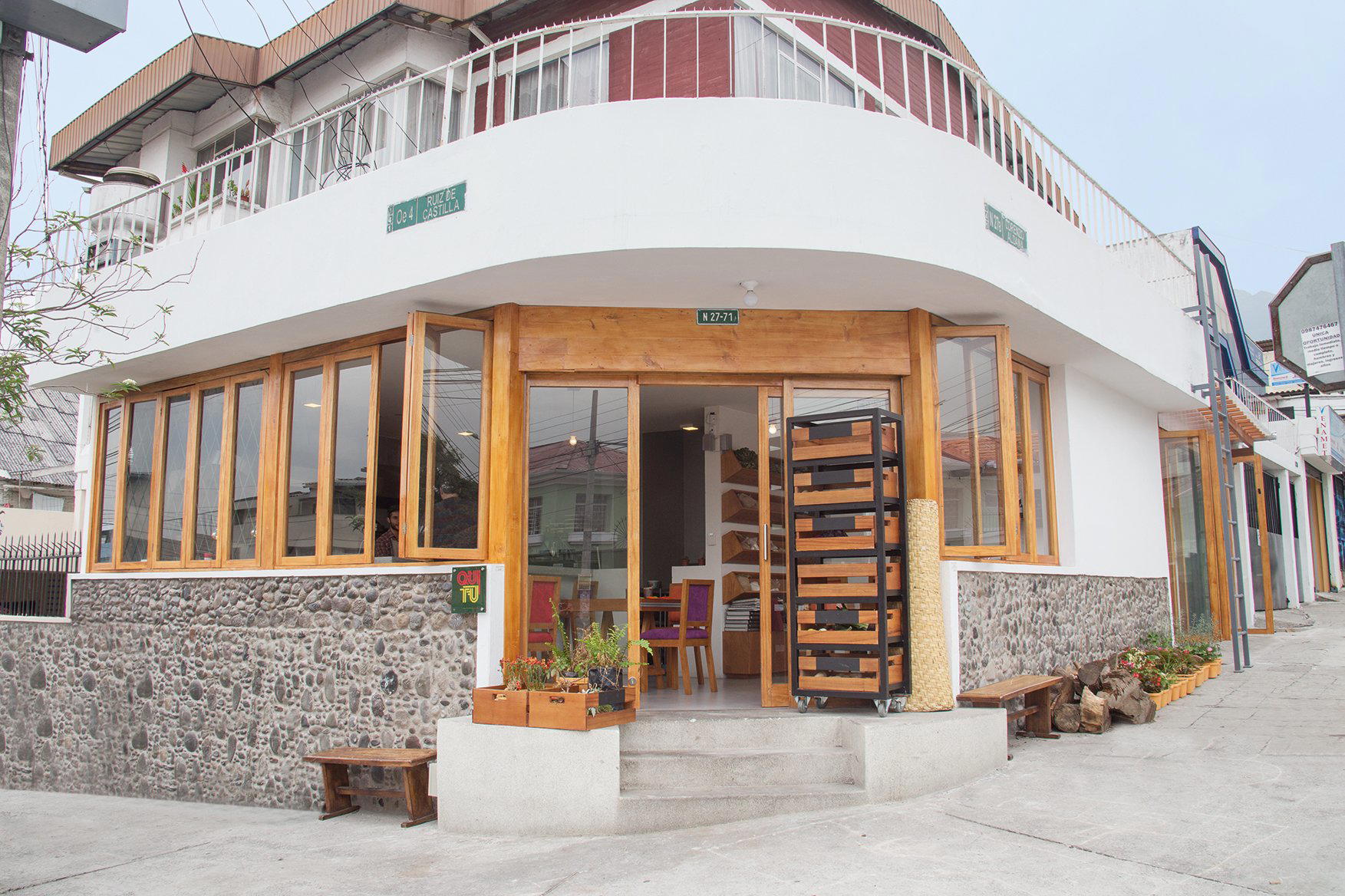
The Bristol Parc building address places Nubori at a corner that functions as a natural gathering point. Corner restaurants in dense urban grids carry a particular social energy, they are visible from multiple approaches, easier to find, and tend to attract the kind of foot traffic that supports a loyal local clientele rather than a destination-diner model. That physical positioning matters to how the meal feels before it begins.
Ecuadorian Dining in a Regional Frame
Quito's restaurant scene does not operate in isolation. The city competes for serious-dining attention with Guayaquil's coastal confidence, where Red Crab has carved a specific identity around Pacific seafood, and with the quieter, more European-inflected dining culture of Cuenca, where Le Petit Jardin operates with a different set of references. What Quito brings that neither city can match is the Andean pantry: the altitude crops, the highland proteins, the fermentation traditions that have no coastal equivalent. Restaurants in the González Suárez district that draw on this pantry are working with ingredients that have no direct parallel in any of the international dining traditions they might otherwise reference.
The contrast with Ecuadorian cooking from the coast or the Oriente is significant. Andean cuisine at its serious end is denser, more mineral, built around root vegetables and grains that have been cultivated at elevation for centuries. When Quito's better restaurants engage with this tradition, as Casa Gangotena does with its Ecuadorian fine dining format, they are drawing on a culinary vocabulary that is genuinely distinct from what you would encounter in the food traditions that trained many of the city's chefs. That gap between training reference and local ingredient is where interesting cooking in Quito tends to happen.
Placing Nubori in the Booking Decision
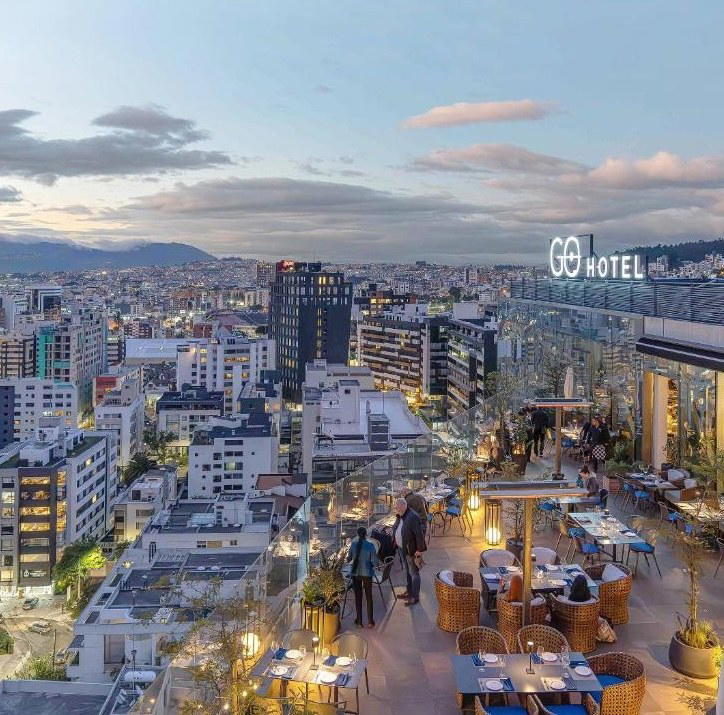
For visitors assembling a serious itinerary in Quito, the González Suárez zone rewards a different kind of planning than the historic centre. Old Town addresses like Casa Gangotena carry the colonial architecture dividend, you are eating inside history. The northern residential corridor offers something different: the experience of a city eating as it normally eats, without the self-consciousness that tourist districts tend to impose. Nubori's address on Catalina Aldaz places it walkable from the major hotels in the González Suárez and República del Salvador cluster, which matters at an elevation where a short walk after a meal is preferable to a long one.
For a broader picture of how Quito's dining options distribute across the city's neighbourhoods and price points, our full Quito restaurants guide maps the scene in more detail. Ecuador's dining culture extends well beyond the capital, with notable addresses in Samborondón, the Los Chillos valley, and even into the Galápagos, where Ecoventura and the Evolution Restaurant operate against among the more unusual dining backdrops on the continent.
Internationally, the comparison cities for this kind of neighbourhood-embedded, mid-to-upper dining register are instructive. The residential-district model, away from tourist concentrations, supported by a loyal local base, is what drives the durability of addresses like Lazy Bear in San Francisco or the sustained critical attention that keeps Atomix in New York relevant across multiple dining cycles. Scale and city size differ enormously, but the operating logic of a restaurant that earns its reputation through the experience of the meal rather than the spectacle of the room holds across contexts.
Planning Your Visit
Nubori is located at Catalina Aldaz y Portugal, Edificio Bristol Parc, in Quito's northern residential district, an area well-served by taxis and ride-share services from the main hotel zones.
Category Peers
Comparable venues nearby, for context on price, style, and recognition.
| Venue | Cuisine | Price | Notes |
|---|---|---|---|
| NuboriThis venue — the venue you are viewing | Japanese Fusion with Ecuadorian Influences | $$$ | Not listed |
| Chez Jérôme | French-Ecuadorian Fusion Bistro | $$$ | La Pradera |
| URKO | Modern Ecuadorian Tasting Menu | $$$ | La Floresta |
| Somos | Modern Ecuadorian Fusion | $$$ | Bellavista |
| Noe | Ecuadorian-Japanese Fusion Sushi | $$$ | Plaza Las Américas, San Luis, Cumbayá |
| Shibumi | Japanese-Ecuadorian Fusion Sushi | $$$ | Las Casas |
At a Glance
- Modern
- Elegant
- Sophisticated
- Trendy
- Date Night
- Special Occasion
- Business Dinner
- Open Kitchen
- Craft Cocktails
- Local Sourcing
Current opening hours
- Monday
- 12:30–11 PM
- Tuesday
- 12:30–11 PM
- Wednesday
- 12:30–11 PM
- Thursday
- 12:30–11 PM
- Friday
- 12:30–11 PM
- Saturday
- 12:30–11 PM
- Sunday
- 12:30–4 PM
Hours can change for holidays and private events. Last verified .
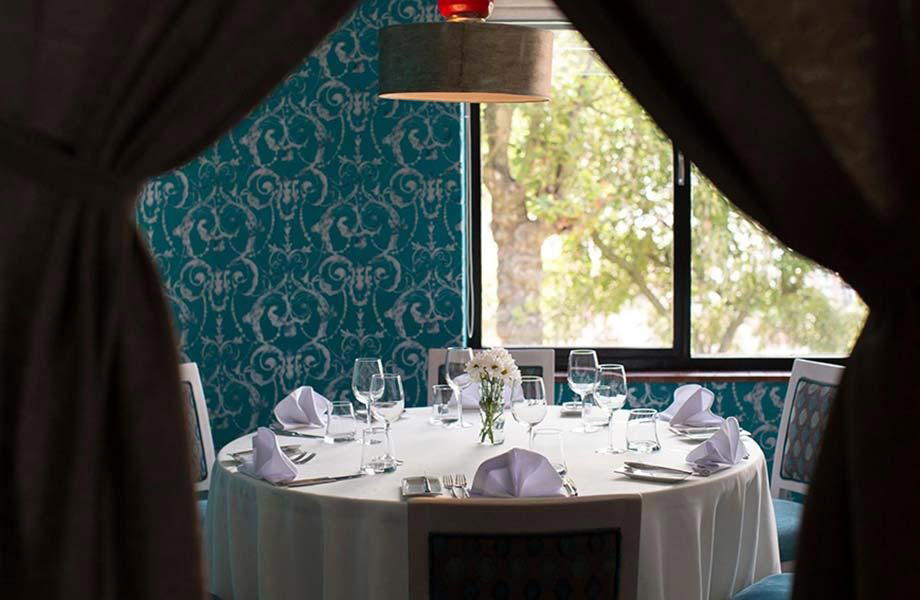
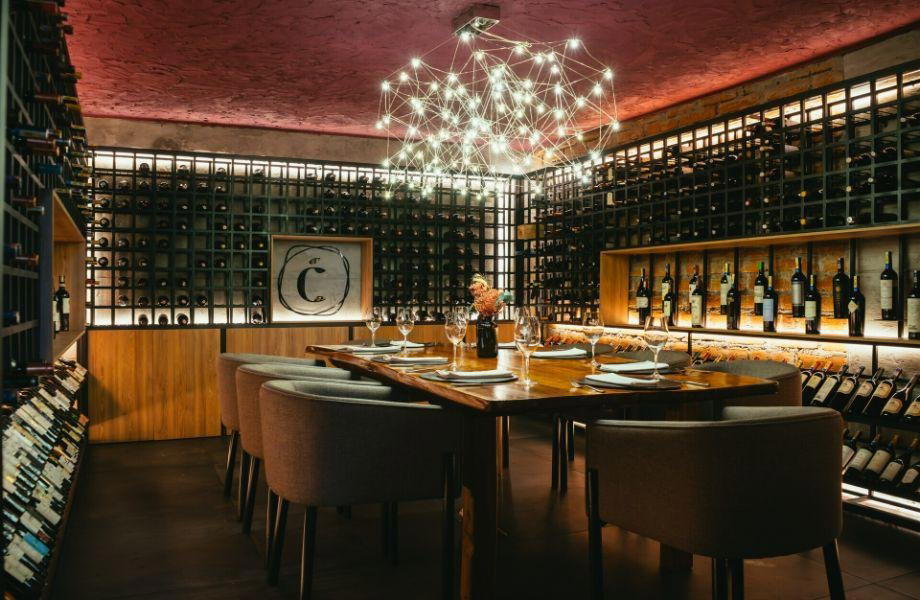
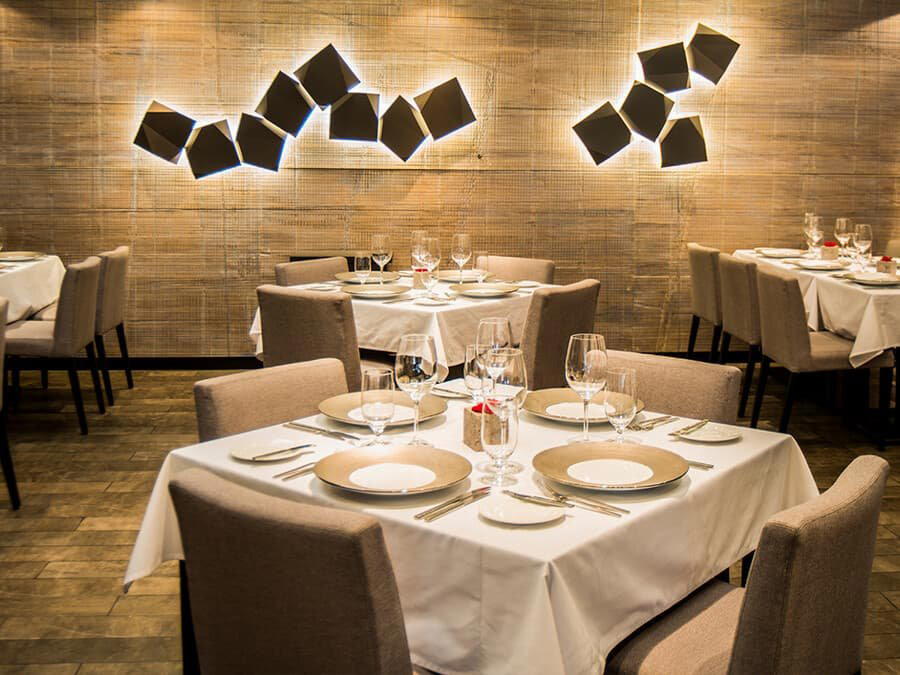
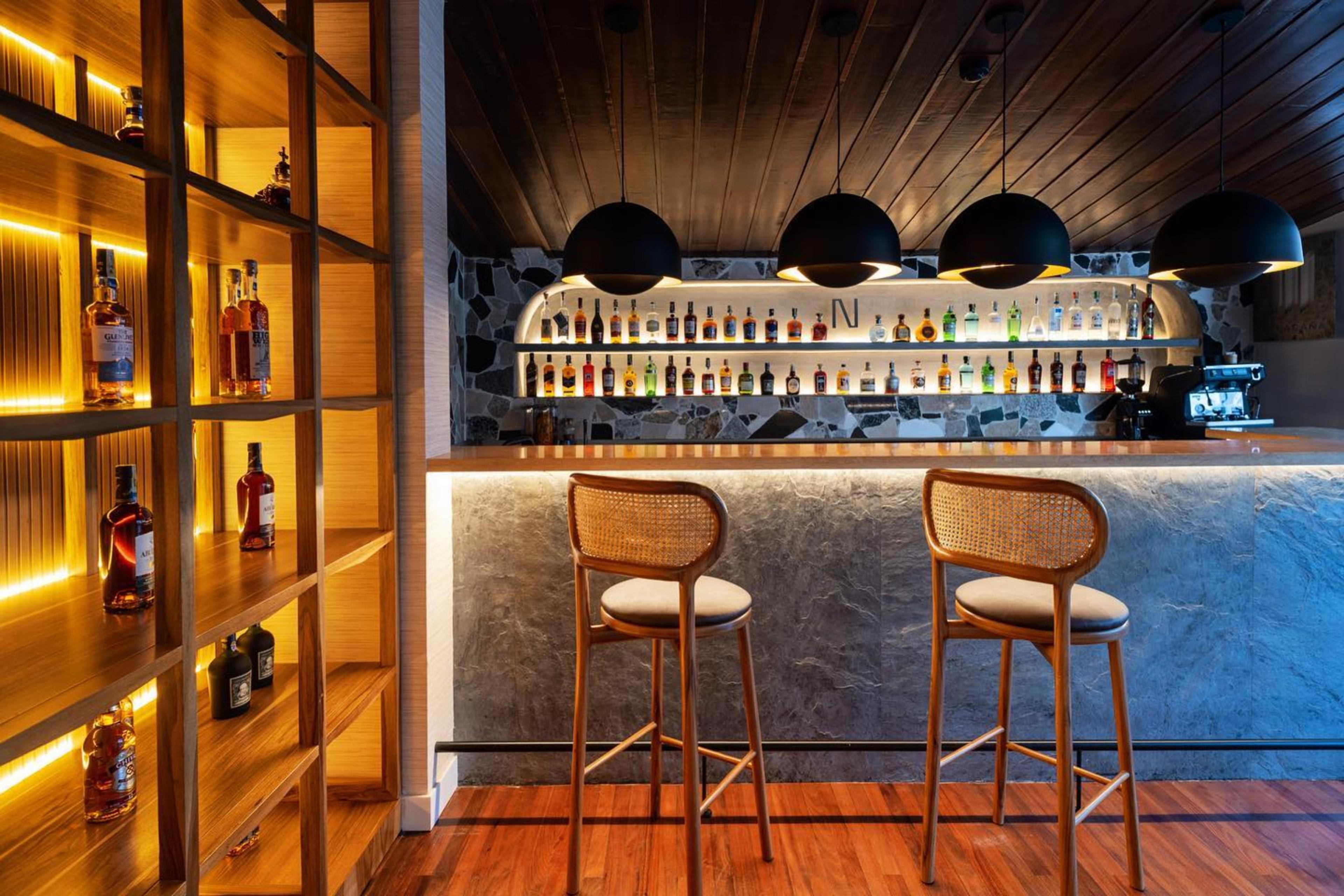
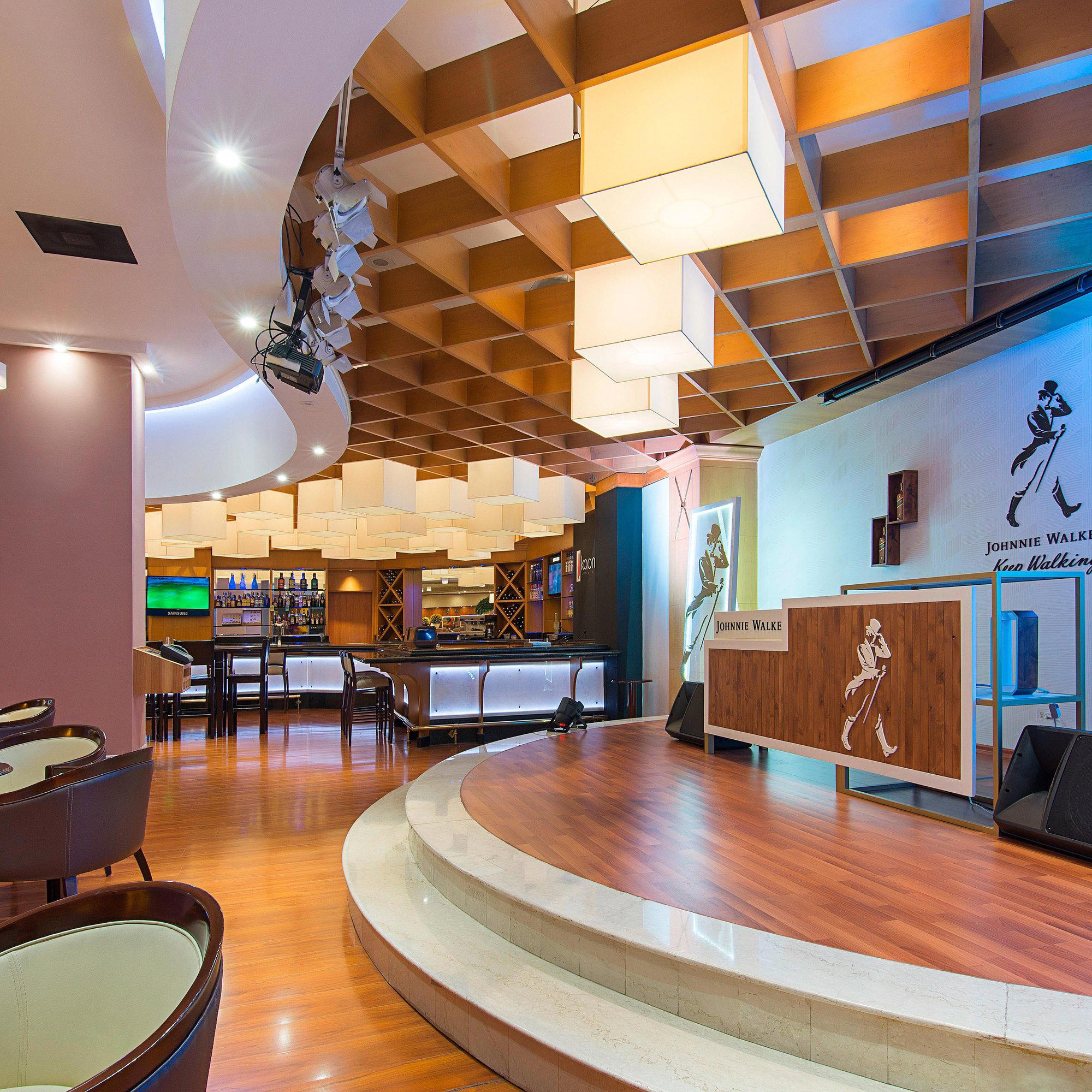
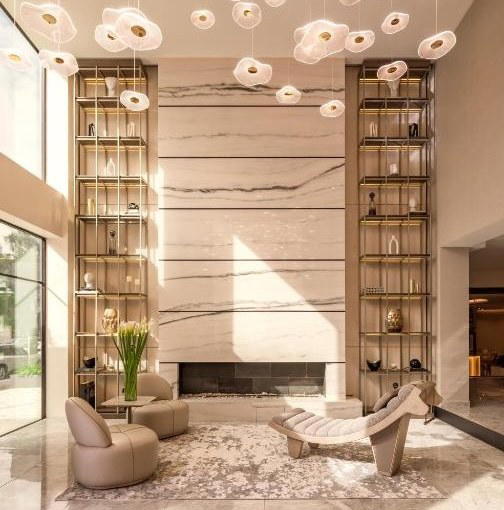
Sophisticated and modern ambiance with stylish interior that elevates the dining experience.