

Zazu sits at the summit of Quito's contemporary Ecuadorean dining tier, ranked #48 and #51 in Opinionated About Dining's South America rankings for consecutive years. The menu architecture moves through local ingredients with clear structural intent, supported by a full vegetarian option and one of the city's most serious wine collections housed in an 8-metre-high cellar.
Pearl is the En Primeur Club membership app — saves, bookings, and concierge access live there. Same editors, same standards.
- Address
- Mariano Aguilera 331, Quito 170517, Ecuador
- Phone
- +593 2-254-3559
- Website
- zazuquito.com
- Directions
- Get directions
 Saves & bookings on Pearl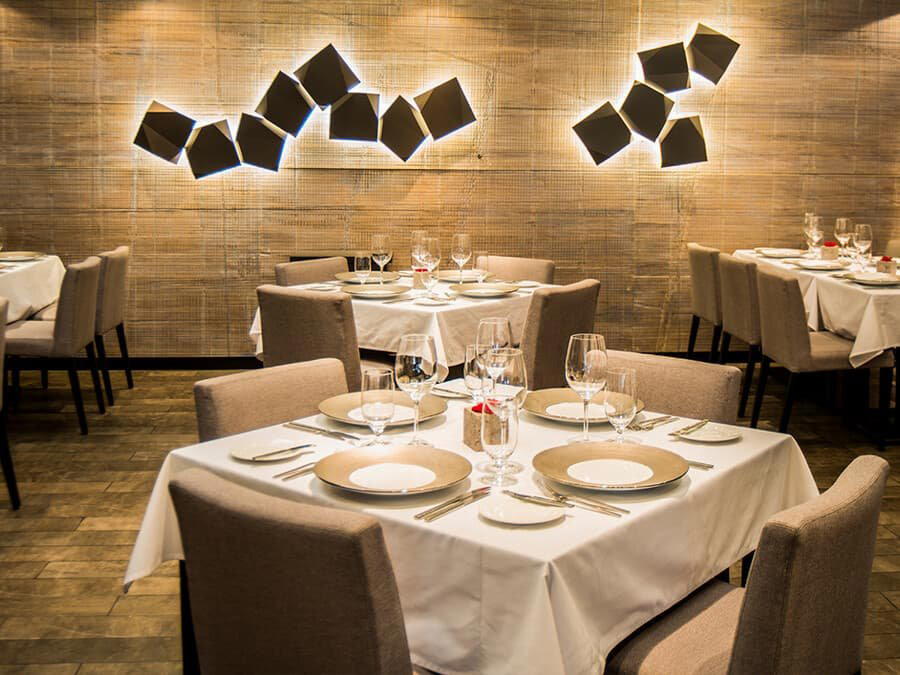
A Cellar That Sets the Tone
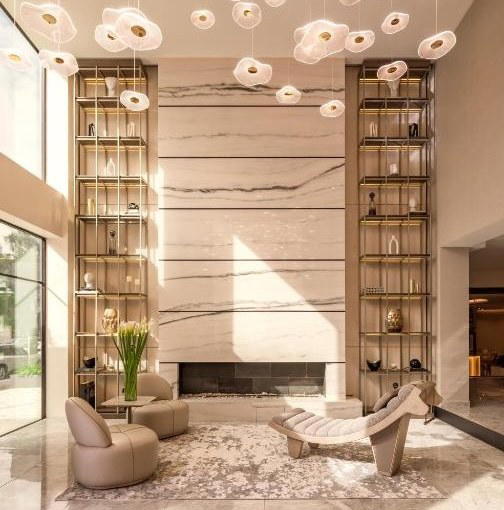
Zazu is a modern Peruvian-Ecuadorian fine dining restaurant in Quito at Mariano Aguilera 331, with. Walking into Zazu on Mariano Aguilera, what registers first is verticality. The 8-metre-high cellar that anchors the dining room is not decorative theatre; it signals how seriously the kitchen treats the meal as a composed experience from first glass to final course. In a city where Quito's contemporary restaurant scene has grown considerably over the past decade, a wine program of that physical scale communicates something specific about the ambition of the operation. The room positions itself differently from the heritage-focused rooms of, say, Casa Gangotena (Ecuadorian Fine Dining), and differently again from the more ingredient-forward, market-driven formats you find at URKO (Ecuadorian). Zazu occupies a distinct tier: the contemporary Ecuadorean restaurant that frames the country's produce through a precise, structured lens.
Menu Architecture and What It Reveals
The menu at Zazu is not built around a single regional identity or a single cooking technique. Contemporary Ecuadorean, as a category, has been pulling in multiple directions across Quito's dining scene: some kitchens chase hyper-local foraging credentials, others apply European fine-dining grammar to Andean ingredients. Zazu's approach reads as the latter: the structure of a formal multi-course progression applied to the diversity of Ecuadorean produce, with Chef Wilson Alpala maintaining the conceptual thread. That means the menu earns its architecture by following a logic that runs from first course to last, rather than offering a loosely grouped selection of dishes.
The existence of a full vegetarian menu option is worth pausing on. In many South American fine-dining rooms, vegetarian guests receive an adapted version of the main menu, often after a conversation at the table. A separately developed vegetarian path indicates that Zazu has built that option into the menu's structure from the beginning, treating plant-based ingredients as a primary material rather than a secondary substitution. That decision reveals as much about the kitchen's ingredient philosophy as any single dish could.
Lunch service runs from 12 to 3:30 pm Tuesday through Friday; dinner opens at 6 pm and runs to 11 pm the same days. On Saturday, the kitchen operates dinner service only. Sunday is closed entirely. For first-time visitors, the midweek lunch slot offers direct access to the kitchen's daytime format, while Friday or Saturday evening is the fuller, more extended experience. Reservations can be made through the restaurant's email at zazu@relaischateaux.com or by phone at +593 22 543559, and the website zazuquito.com carries current booking information.
Where Zazu Sits in the Quito Scene
Opinionated About Dining ranked Zazu at #48 in its Leading Restaurants in South America list for 2023, and #51 for 2024. That two-year consistency inside a continent-wide ranking that covers Brazil, Peru, Argentina, Colombia, and beyond, places Zazu in a small group of Quito kitchens that register at regional scale. Nuema (South American) and Tributo operate in the same city and in overlapping territory; together these three define the upper stratum of Quito's contemporary dining tier.
At the continental level, the comparison set expands considerably. Peruvian kitchens have dominated South American rankings for years, and Brazilian and Colombian restaurants have grown in regional recognition. Ecuadorean cuisine operates from a different starting point: extraordinary biodiversity, altitude-specific produce from the Andes, and coastal ingredients from among the more productive Pacific coastlines in the world. The challenge for Quito kitchens has always been converting that raw material advantage into a recognised culinary identity. Zazu's consistent OAD placement suggests it has found a format that communicates at that level.
For visitors planning a wider sweep of Ecuador's dining scene, Casa Julián in Guayaquil and the dining programs aboard Ecoventura in the Galapagos or at Evolution Restaurant in the Galapagos Islands represent the range of contexts in which Ecuadorean ingredients are being treated seriously. Zazu is the Quito anchor of that wider picture.
The Vegetarian Path as a Structural Statement
Among Quito's higher-end rooms, the ability to deliver a complete vegetarian experience across a full evening is relatively rare. Clara and other mid-tier contemporaries in the city have moved in this direction, but a purpose-built vegetarian menu at the level Zazu operates requires investment in sourcing, development, and execution that most kitchens at this price point have not committed to. The fact that it exists here speaks to a decision made well upstream of any single service: it is a menu architecture choice, not a hospitality accommodation.
The broader context matters here. Contemporary fine dining in cities like New York has seen the vegetarian tasting menu shift from a novelty to a serious format in its own right; places like Atomix in New York City and Le Bernardin in New York City have each had to reckon with how plant-forward options integrate into menus built around protein-led luxury. In a South American context, where livestock culture and fresh seafood remain central to culinary identity, offering a full vegetarian menu is a more pointed choice. Zazu's version of that choice reads as considered rather than reactive.
Planning Your Visit
Zazu is located at Mariano Aguilera 331 in Quito's La Floresta neighbourhood, one of the city's more walkable and architecturally coherent districts, with proximity to cultural venues and other restaurants. The service split, with lunch ending at 3:30 pm and dinner beginning at 6 pm, means there is no continuous afternoon service; arrivals need to be planned accordingly. Given the restaurant's,572 reviews, same-week bookings on weekends are unlikely to be easy to secure. Weekday lunch is the more accessible entry point for short-notice planning.
For a complete picture of Quito's hospitality scene, our full Quito restaurants guide covers the wider dining tier, while our Quito hotels guide, bars guide, wineries guide, and experiences guide provide context for building a full itinerary around the city.
Comparable Spots
Comparable venues nearby, for context on price, style, and recognition.
| Venue | Cuisine | Price | Notes |
|---|---|---|---|
| ZazuThis venue — the venue you are viewing | Modern Peruvian-Ecuadorian Fine Dining | $$$$ | Not listed |
| QUITU | Contemporary Ecuadorian | $$$$ | La Floresta |
| Noe | Ecuadorian-Japanese Fusion Sushi | $$$ | Plaza Las Américas, San Luis, Cumbayá |
| El Salnés | Modern Ecuadorian Gastro-Picantería | $$ | Maldonado |
| Somos | Modern Ecuadorian Fusion | $$$ | Bellavista |
| Chez Jérôme | French-Ecuadorian Fusion Bistro | $$$ | La Pradera |
Recognition history
Dated appearances from independent guides and award organizations, with the underlying list record or original source where available.
Opinionated About Dining Top Restaurants in South America Ranked #72
Opinionated About Dining
Relais Chateaux Award
Relais Chateaux
Relais Chateaux Award
Relais Chateaux
Opinionated About Dining Top Restaurants in South America Ranked #51
Opinionated About Dining
Opinionated About Dining Top Restaurants in South America Ranked #48
Opinionated About Dining
At a Glance
- Elegant
- Sophisticated
- Intimate
- Modern
- Cozy
- Date Night
- Special Occasion
- Celebration
- Wine Cellar
- Extensive Wine List
- Sommelier Led
- Local Sourcing
Current opening hours
- Monday
- 12–3:30 p.m., 6–11 p.m.
- Tuesday
- 12–3:30 p.m., 6–11 p.m.
- Wednesday
- 12–3:30 p.m., 6–11 p.m.
- Thursday
- 12–3:30 p.m., 6–11 p.m.
- Friday
- 12–3:30 p.m., 6–11 p.m.
- Saturday
- 6–11 p.m.
- Sunday
- Closed
Hours can change for holidays and private events. Last verified .
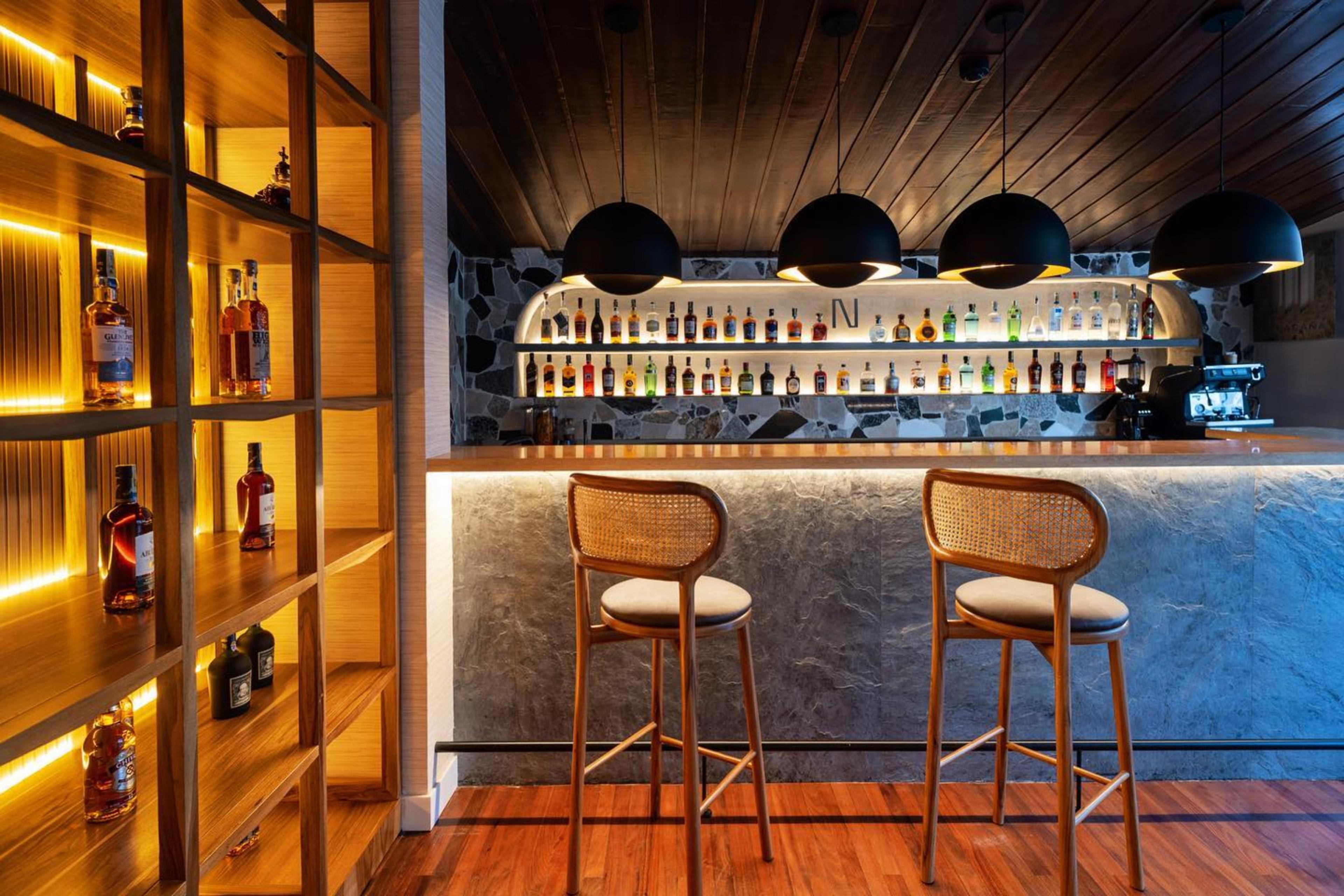
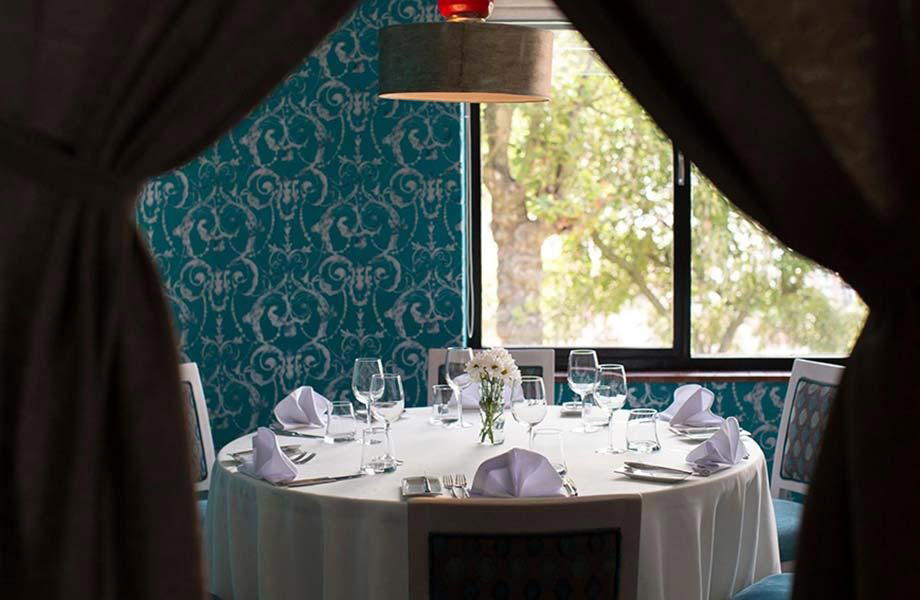
Elegant, minimalist decor with inviting, delicate lighting and a calm, sophisticated atmosphere.