


A Star Wine List-recognised address on the Avenida Amazonas, JW Marriott Quito occupies a distinctive pyramid-shaped building at the intersection of the city's financial and diplomatic corridors. The hotel places guests within reach of both the colonial Historic Centre and the Mariscal Sucre district, with Andean skylines framing almost every public space. It operates as one of Quito's most consistent full-service addresses for business and leisure travellers alike.
Pearl is the En Primeur Club membership app — saves, bookings, and concierge access live there. Same editors, same standards.
- Address
- Avenida Francisco de Orellana 1172 y Avenida Amazonas
- Phone
- 593-2-297-2000
- Website
- marriott.com
- Directions
- Get directions
 Saves & bookings on Pearl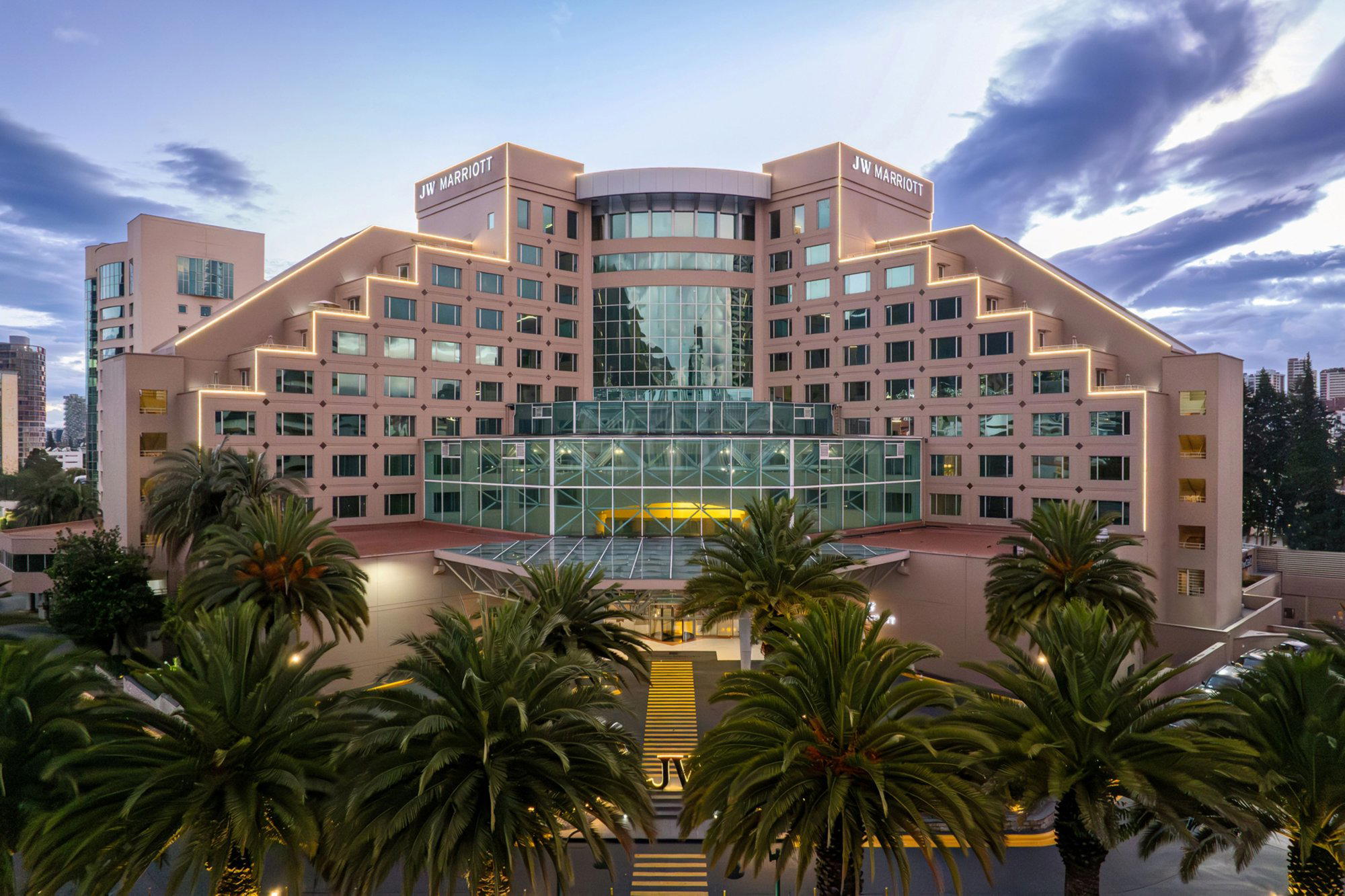
Where the Andes Frame the Lobby
Quito sits at 2,850 metres above sea level, which means arriving in the city is a physical event before it becomes a cultural one. The altitude announces itself in the sharpness of the light, the cool thinness of the air, and the way the Pichincha volcano fills the western horizon at almost every turn. At the JW Marriott Quito, the building's pyramid geometry, unusual for a major-brand property anywhere in South America, channels that vertical drama inward. Natural light moves through the structure differently than it would in a conventional tower, and the Andean setting reads as architectural context rather than postcard backdrop. For travellers arriving from sea-level cities, the property's location on Avenida Amazonas in the Mariscal district puts the adjustment period in a neighbourhood with cafes, embassies, and walkable streets, a practical base for the first day.
The Service Standard in Context
Large international hotel brands in Quito occupy a different position from their counterparts in Bogotá or Lima. In Quito, the field narrows quickly: the city has a handful of properties that operate at full-service international standard, and the JW Marriott sits within that group alongside boutique alternatives such as Casa Gangotena, which takes a different approach entirely, smaller scale, Colonial Quarter address, heritage architecture, and Carlota, which occupies the design-led independent niche. The JW Marriott's position is the full-service conference and leisure hotel: consistent staffing depth, multilingual capability, and the infrastructure, meeting rooms, a gym, and multiple food and beverage outlets that independent properties in this city rarely match at scale.
Service at JW-branded properties globally operates on a framework that prioritises anticipatory gestures over reactive ones: pre-arrival communication, dietary preference capture, and the kind of room-readiness detail that matters most to guests arriving after a long-haul connection through Mariscal Sucre International Airport. For Ecuador-bound travellers beginning a broader itinerary, continuing to the Galápagos, the Quito leg tends to function as the logistics hub, and consistent service infrastructure matters accordingly.
Wine Recognition and the F&B Picture
The property holds a Star Wine List recognition for 2026, which places its beverage programme within a curated international reference set for wine service. Star Wine List assessments weight list depth, storage conditions, staff knowledge, and glass range alongside the list itself, so the recognition signals a beverage operation that extends beyond a standard hotel all-day dining offer. For a South American capital at altitude, where wine service can be inconsistent even at nominally high-end properties, this credential carries practical meaning: guests planning to eat and drink on-property rather than venturing out each evening have a more reliable framework here than at many regional peers.
Ecuador's position in the South American wine conversation is as an importer rather than a producer, and the country's hospitality sector draws on Chilean, Argentine, and Spanish labels for much of its wine lists. A recognised hotel wine programme in this context typically means considered sourcing, a sommelier-led structure, and breadth across the categories that matter to international guests. The Star Wine List acknowledgement for 2026 confirms the JW Marriott Quito meets that threshold.
Quito's Wider Context and How This Property Fits
Quito divides naturally into two distinct zones that operate almost as separate cities. The Historic Centre contains the colonial churches, plazas, and ochre-and-white facades that define the city's identity in most international coverage. The Mariscal and La Floresta districts to the north operate as the modern city, the financial corridor, the restaurant cluster, and the embassy quarter. The JW Marriott's address on Avenida Francisco de Orellana at Amazonas places it in the latter, which means proximity to Quito's stronger contemporary dining scene and easier access to the airport, but a taxi ride (typically 20 to 30 minutes depending on traffic) from the UNESCO core.
Travellers who want the Colonial Quarter at the centre of their Quito experience should weigh that geography against the full-service infrastructure the Mariscal address provides. Those using Quito primarily as a gateway, to the cloud forest properties like Mashpi Lodge in Pichincha, to the Amazon basin at La Selva Eco-Lodge in Puerto Francisco de Orellana, or onward to Angermeyer Waterfront Inn in Puerto Ayora or La Laguna Galapagos Hotel in Isabela, will find the Mariscal location more practical than the alternatives.
Ecuador's broader luxury property circuit is geographically dispersed: the Galápagos alone splits across multiple islands with distinct lodge options, including Ecoventura in Puerto Baquerizo Moreno, while the mainland offers everything from urban addresses in Guayaquil, where Hotel del Parque is the heritage standout, to remote jungle lodges. Within that circuit, the JW Marriott functions as the consistent urban anchor: reliable connectivity, concierge depth for onward logistics, and the kind of structured check-in experience that eases transitions between different environments.
Planning a Stay
The hotel sits on Avenida Francisco de Orellana 1172 at the corner of Avenida Amazonas, in the heart of the Mariscal Sucre business district. Mariscal Sucre International Airport is the primary arrival point for most international travellers, and the drive into the Mariscal neighbourhood runs along a well-maintained highway corridor. The altitude adjustment is real for most visitors arriving from lower elevations: the first 24 hours typically involve some degree of fatigue, mild headache, or reduced appetite. A property with in-room dining depth and a gym that accounts for altitude (lower intensity recommended initially) is a practical advantage during that window.
For guests planning an Ecuador itinerary that extends well beyond Quito, the hotel's concierge infrastructure is especially relevant service dimension. Coordinating Galápagos flight connections, national park permits, and lodge transfers across a country with limited ground infrastructure requires local knowledge that a full-service international property is better positioned to provide than a boutique alternative operating with smaller staff. The wine programme provides a reason to stay on-property for at least one dinner, and the building's architectural singularity, that pyramid profile against the Andean sky, makes the property a more memorable address than most large-brand hotels in cities of comparable size.
Cuisine Lens
Comparable venues nearby, for context on price, style, and recognition.
| Venue | Cuisine | Price | Awards | Notes |
|---|---|---|---|---|
| JW Marriott QuitoThis venue — the venue you are viewing | Contemporary luxury hotel with mountain-inspired design, blending modern architecture with natural elements and Ecuadorian cultural influences. | $$$$ | 5-Star | Not listed |
| Illa Experience Hotel | Restored historic colonial mansion offering intimate luxury stays | $$$$ | 5-Star | San Marcos |
| Le Parc Hotel, Beyond Stars | Exclusive urban boutique in financial center | $$$$ | 5-Star | La Carolina |
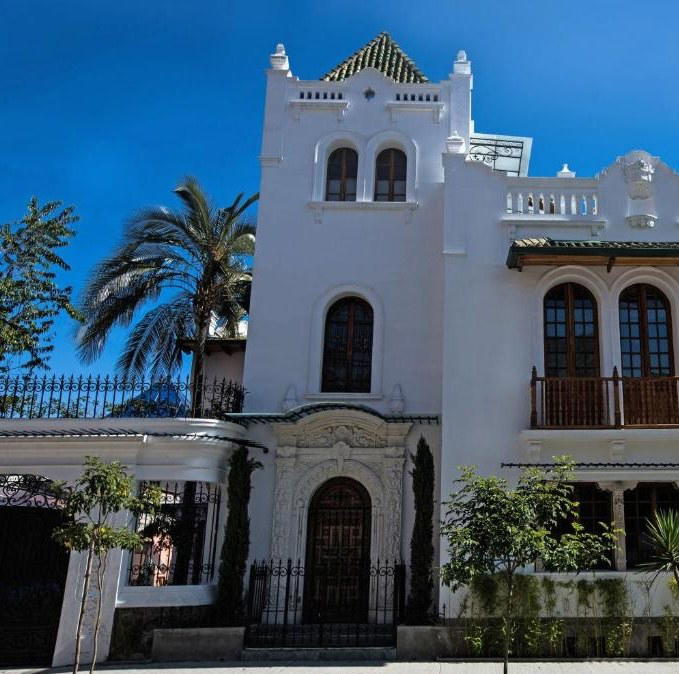
| Carlota Sustainable Design Hotel | Sustainable boutique hotel in restored historic French-style mansion | $$$ | 4-Star | Centro Historico |
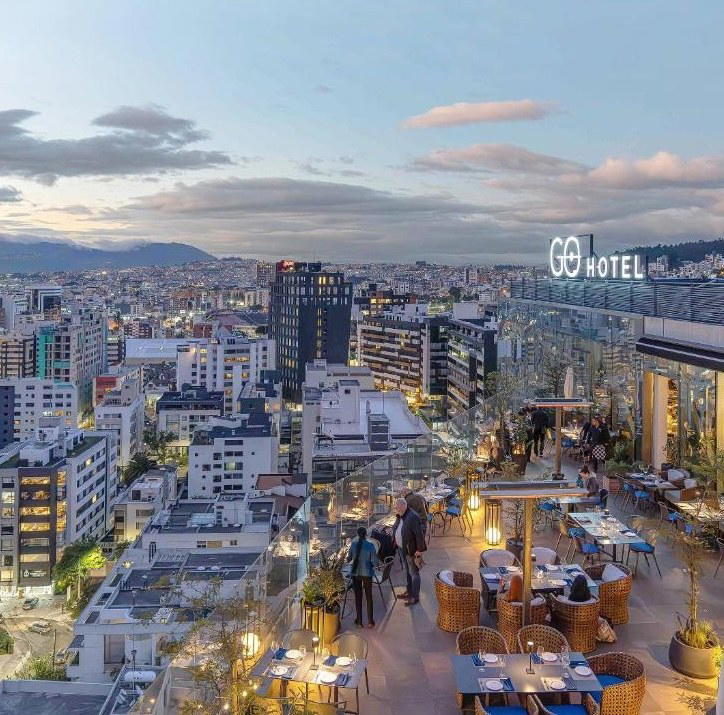
| GO Quito Hotel | Contemporary luxury with sustainable design principles and authentic Ecuadorian warmth, positioned as a destination hotel rather than transient accommodation. | $$$$ | 5-Star | Bellavista |
| Carlota | Sustainable design hotel in a historic 19th-century French-style home | $$$ | 4-Star | Centro Historico |
Recognition history
Dated appearances from independent guides and award organizations, with the underlying list record or original source where available.
Forbes Recommended
Forbes
Star Wine List
Star Wine List
Michelin Selected
Michelin
At a Glance
- Elegant
- Sophisticated
- Modern
- Scenic
- Wellness Retreat
- Romantic Getaway
- Family Vacation
- Business Trip
- Celebration
- Rooftop Pool
- Destination Spa
- Garden
- Terrace
- Panoramic View
- Private Dining
- Wi Fi
- Pool
- Spa
- Fitness Center
- Room Service
- Concierge
- Business Center
- Valet Parking
- Restaurant
- Sauna
- Hot Tub
- Garden
- Mountain
- Skyline
- Wi Fi
- Pool
- Spa
- Fitness Center
- Room Service
- Concierge
- Business Center
- Valet Parking
- Restaurant
- Sauna
- Hot Tub
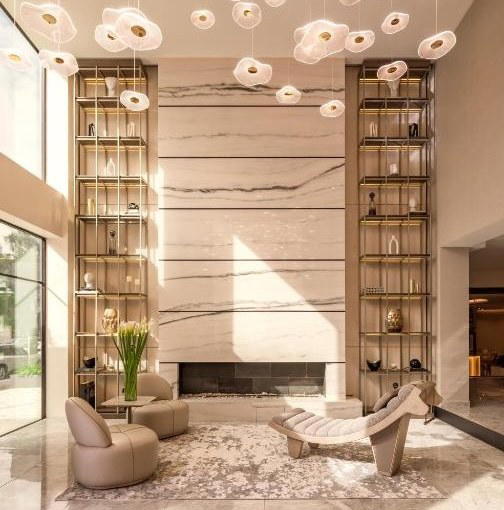
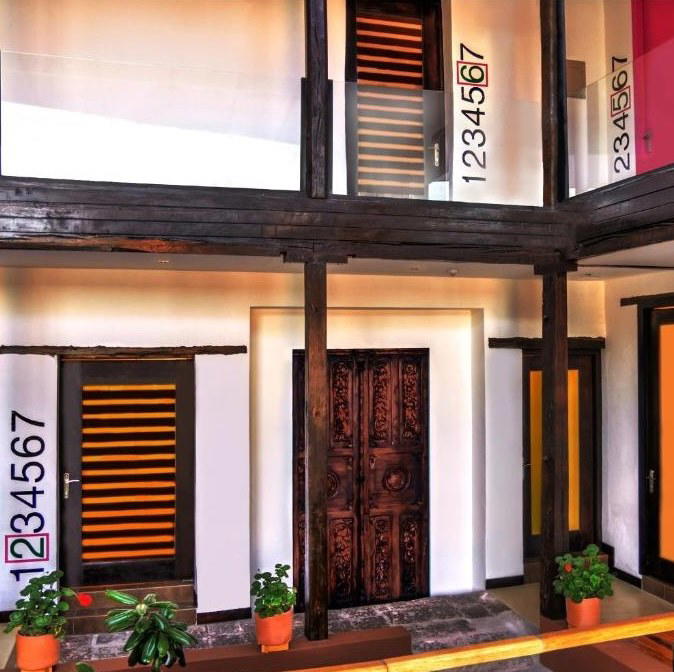
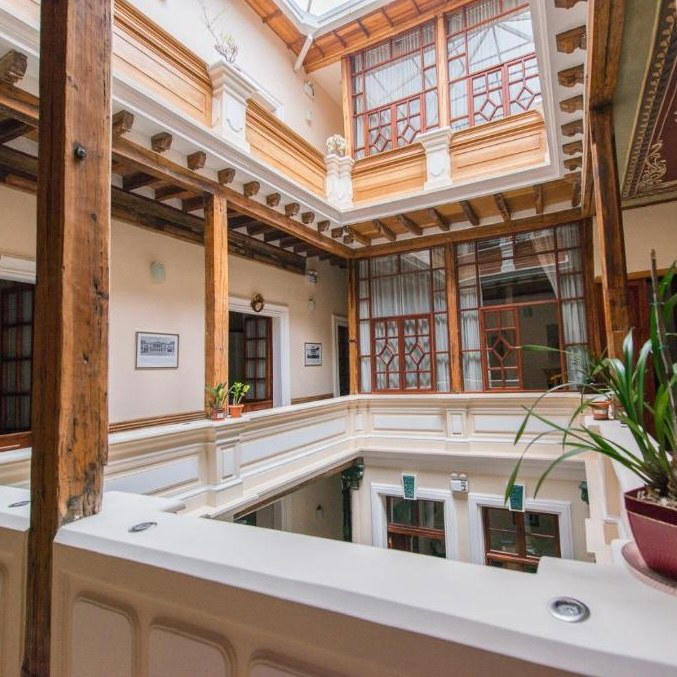
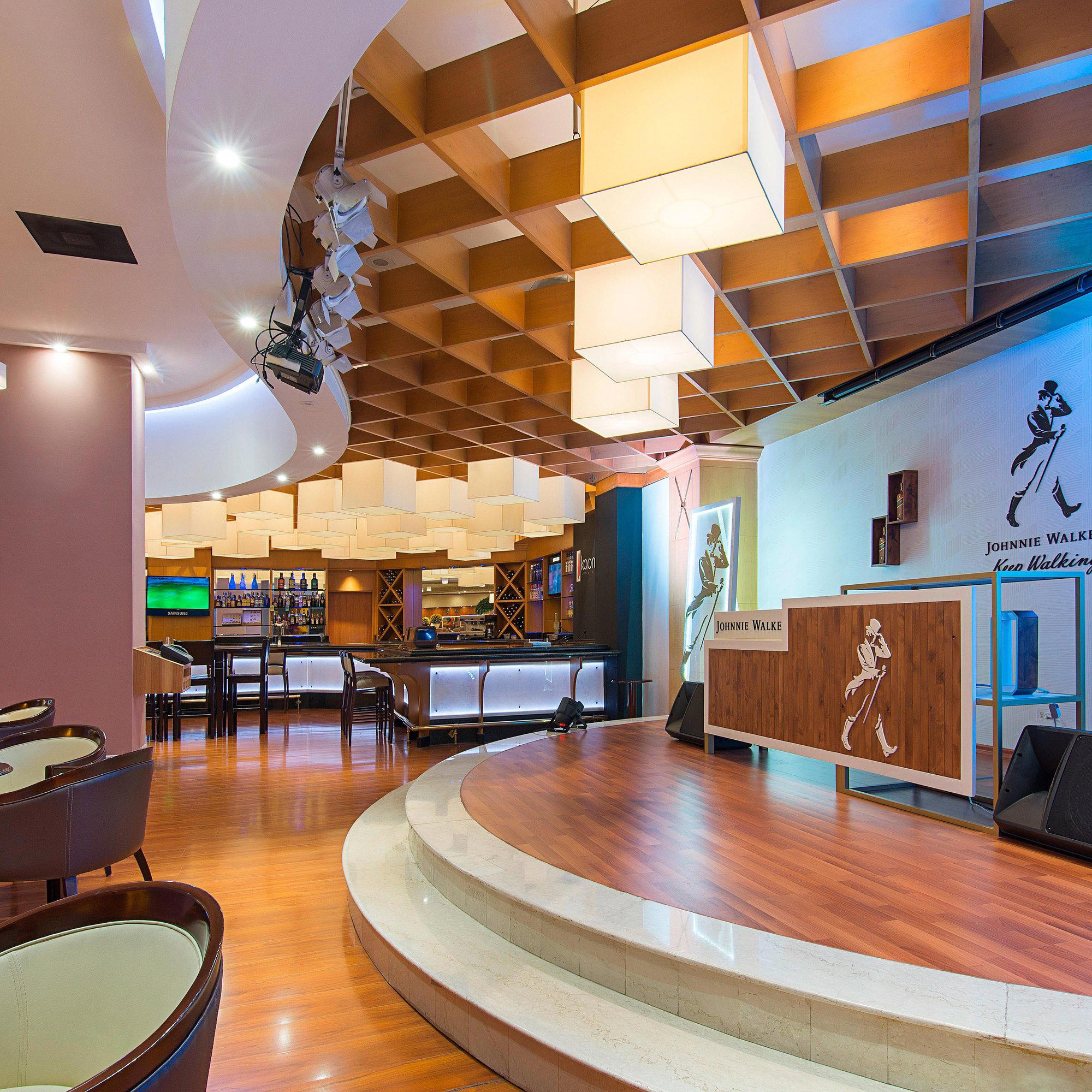
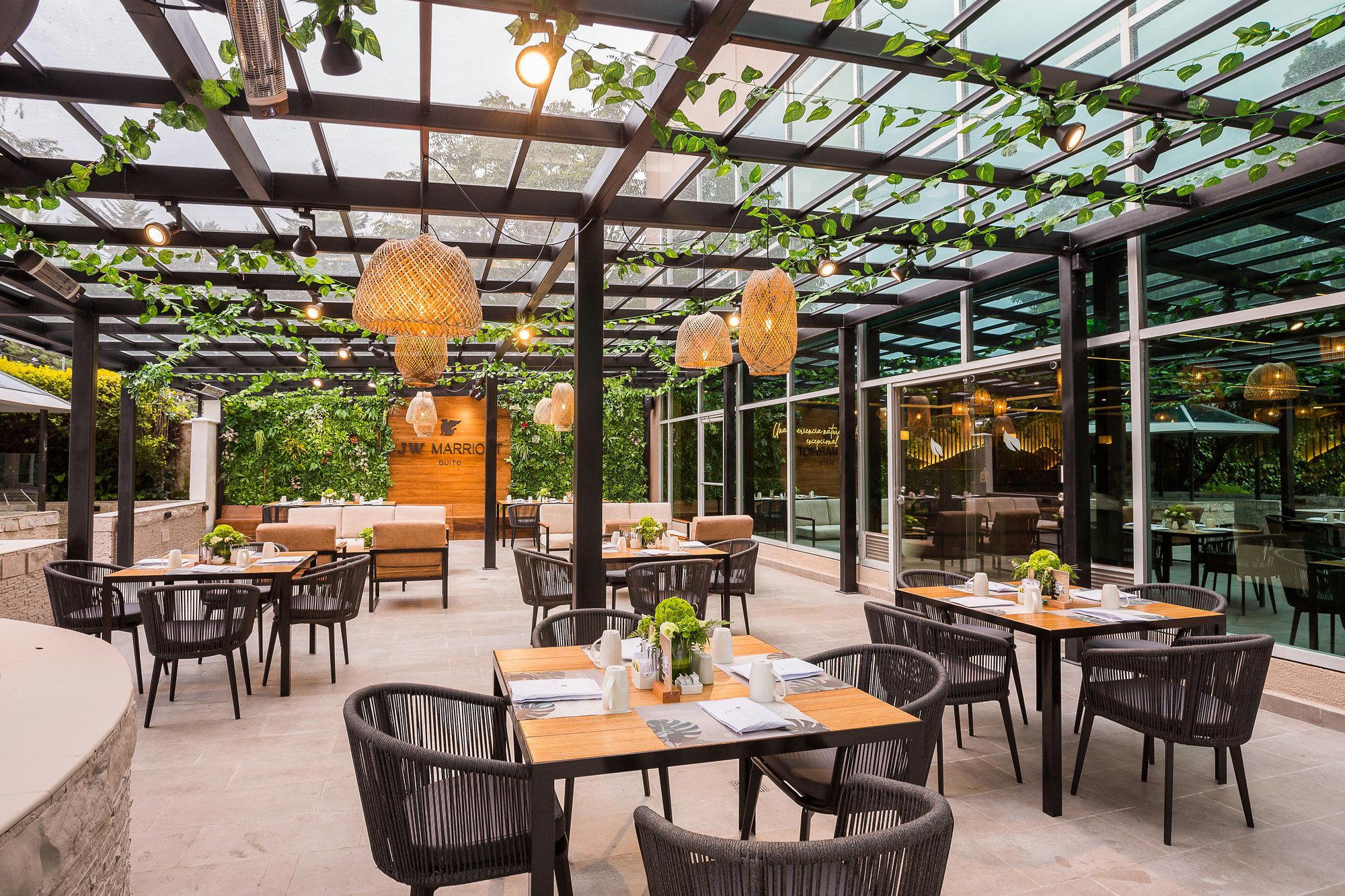
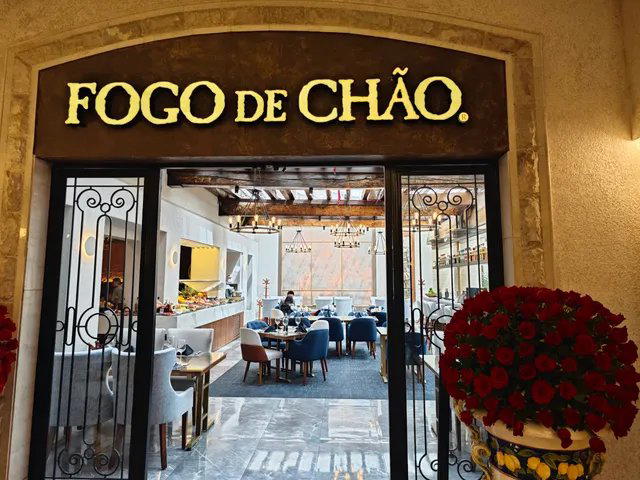
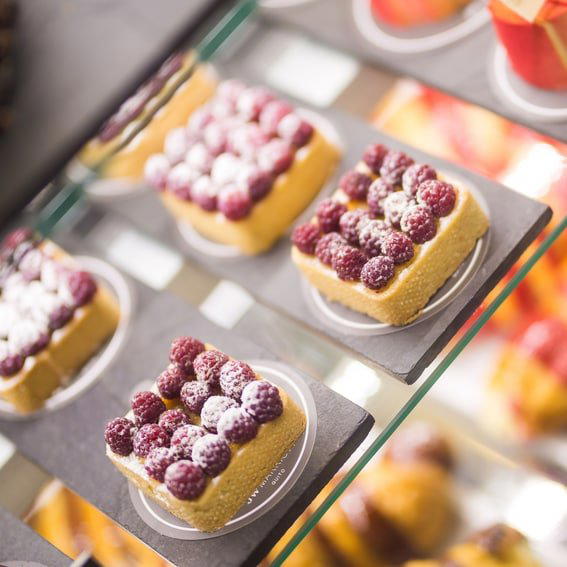
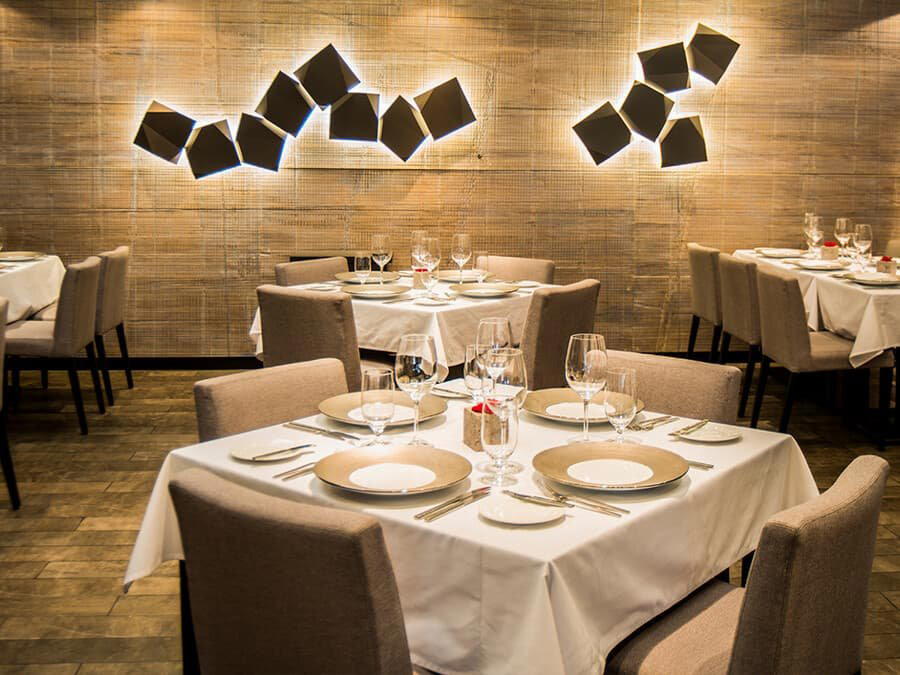
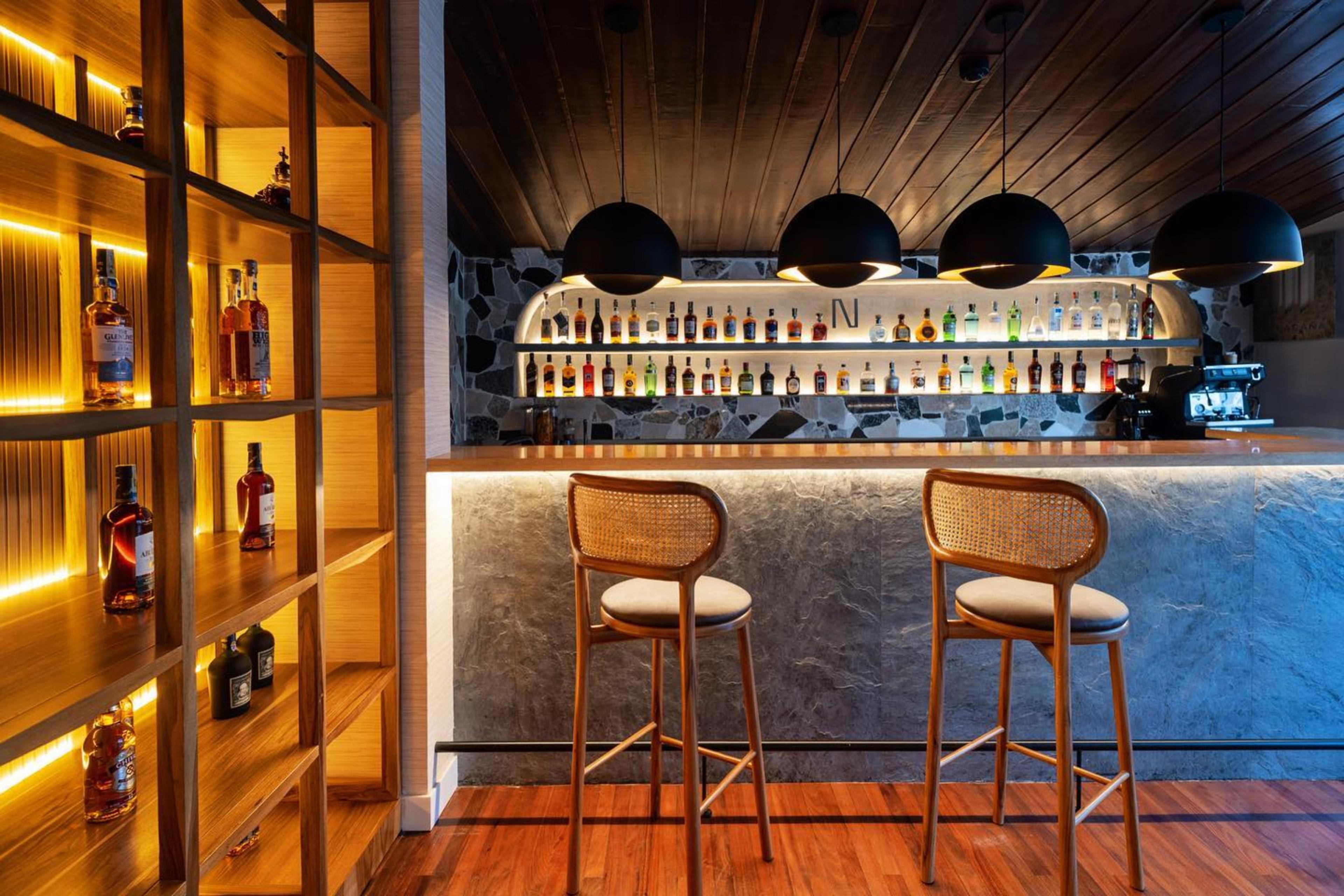
Bright, modern lobby with glass roof and flower arrangements; serene pool area surrounded by lush gardens; sophisticated dining spaces with contemporary design and natural light.