La Briciola sits on Av. Isabel la Católica in Quito's Mariscal Sucre district, where Italian-inflected cooking meets the Andean supply chain that defines the city's better independent restaurants. The address places it within easy reach of the capital's most active dining corridor, making it a practical base for exploring what Quito's mid-tier Italian scene actually looks like on the plate.
Pearl is the En Primeur Club membership app — saves, bookings, and concierge access live there. Same editors, same standards.
- Address
- Av. Isabel la Católica 881 y, Quito 170143, Ecuador
- Phone
- +59322545157
- Website
- labriciola.com.ec
- Directions
- Get directions
 Saves & bookings on Pearl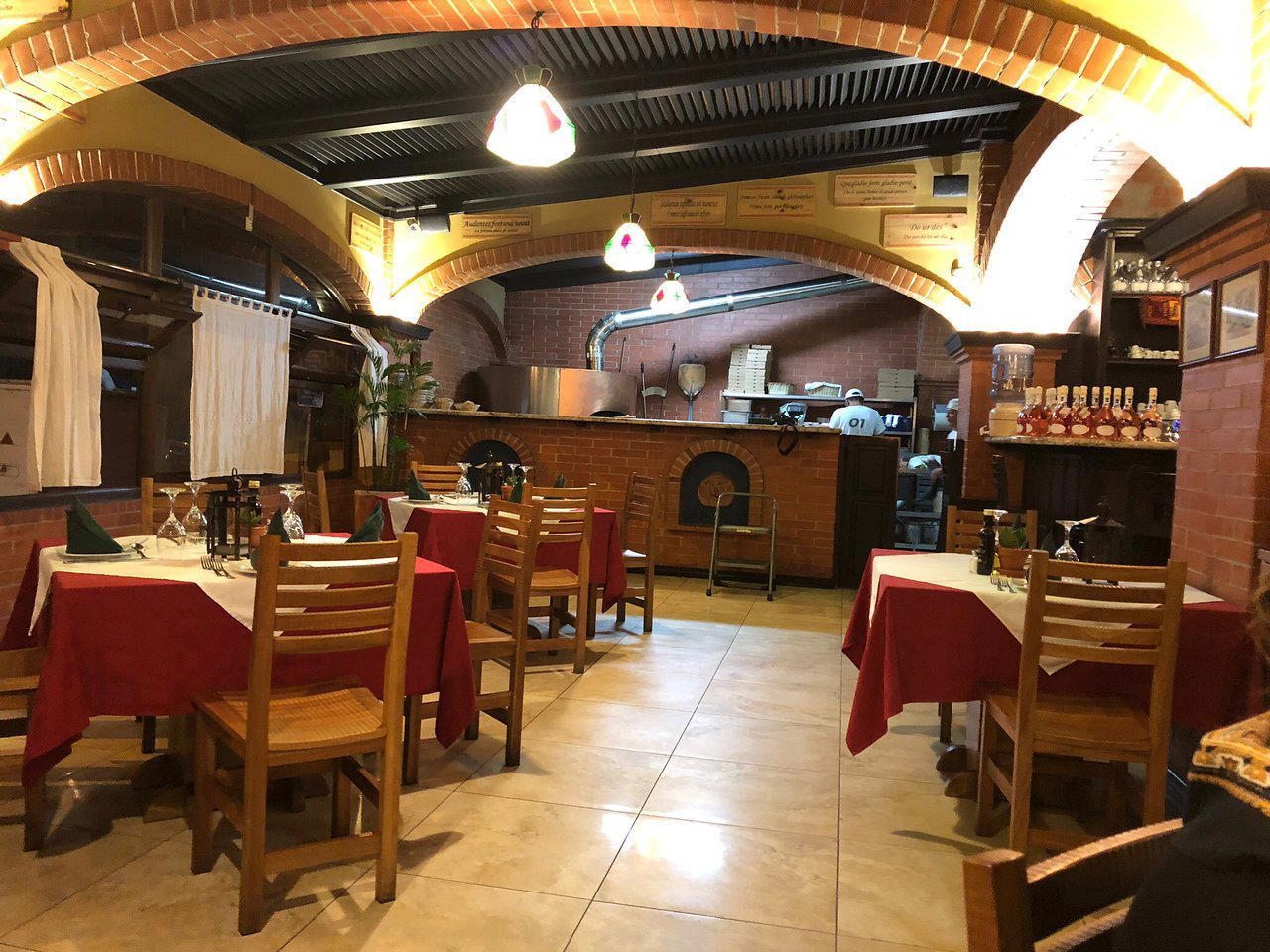
Italian Cooking at Altitude: Where the Andean Supply Chain Meets European Tradition
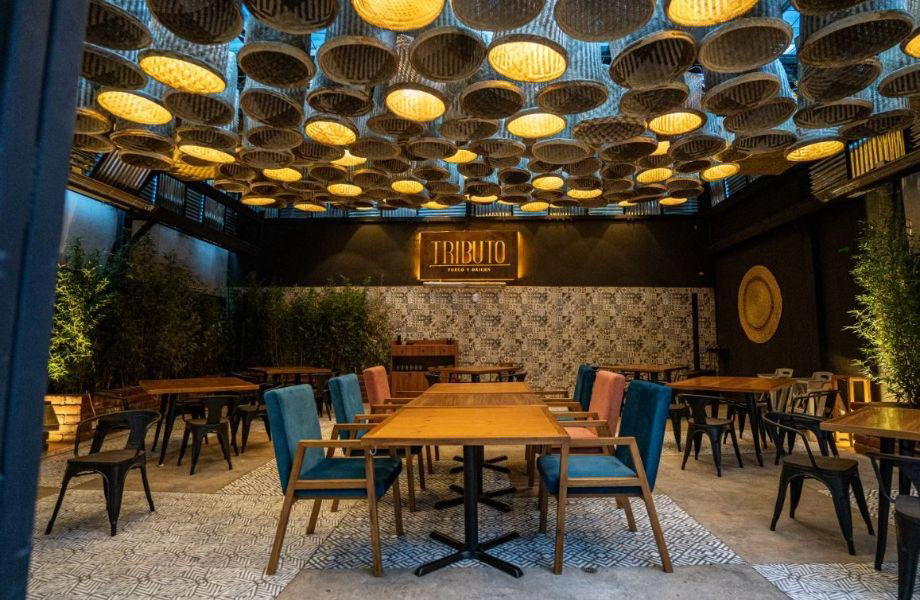
Quito sits at roughly 2,850 metres above sea level, and that altitude shapes everything from how bread ferments to how pasta dough behaves in a kitchen. The city's Italian restaurants occupy a particular position in Ecuador's dining scene: they are neither the Andean-identity flagships that draw international attention, like Nuema and Tributo, nor the casual chains that dominate shopping-mall food courts. They occupy a middle tier where the quality of sourcing, not the ambition of the concept, is what separates the serious from the ordinary. La Briciola, on Av. Isabel la Católica in the Mariscal Sucre area, operates in that tier.
The address is telling. Isabel la Católica is one of Quito's more active restaurant corridors, running through a neighbourhood that holds everything from Ecuadorian fine dining to international casual spots. Positioning in this zone means competing on repeat custom as much as on destination appeal. Restaurants here live or die on whether locals come back, which tends to impose a discipline on sourcing and consistency that tourist-facing venues in, say, the Historic Centre can sometimes avoid.
The Andean Ingredient Argument
The strongest case for Italian cooking in Ecuador is also one underappreciated one: the country's agricultural diversity is notable. Ecuador compresses coastal, Andean, and Amazonian growing zones into a relatively small geography, which means a kitchen on Isabel la Católica has access to a produce supply that most Italian restaurants in Europe would struggle to match in raw variety. Cheeses, herbs, charcuterie, and cured products remain the gap, since the Italian pantry of aged parmigiano, guanciale, or San Marzano tomatoes requires either import or local approximation. How a restaurant handles that gap is the editorial question worth asking about any Italian address in Quito.
Local approximation, when done well, produces cooking that is neither Italian nor Ecuadorian but a third thing entirely. Fresh pasta made with sierra-grown wheat and highland eggs sits differently on the palate than pasta made with imported durum semolina. Dairy from Andean cattle, grazed at altitude, carries a different fat profile. These are not deficits to work around but differences to work with, and the restaurants in Quito's Italian tier that understand this tend to produce food that is more interesting than their European equivalents, precisely because the ingredient base forces invention. Compare this to how Italian-influenced cooking plays out in other Latin American cities: in Guayaquil, at the coast, the supply chain skews toward seafood and tropical produce, as seen in the approach at Red Crab in Guayaquil; in the Andean highlands, the larder is cooler, denser, and more root-vegetable heavy.
Mariscal Sucre and the Neighbourhood Context
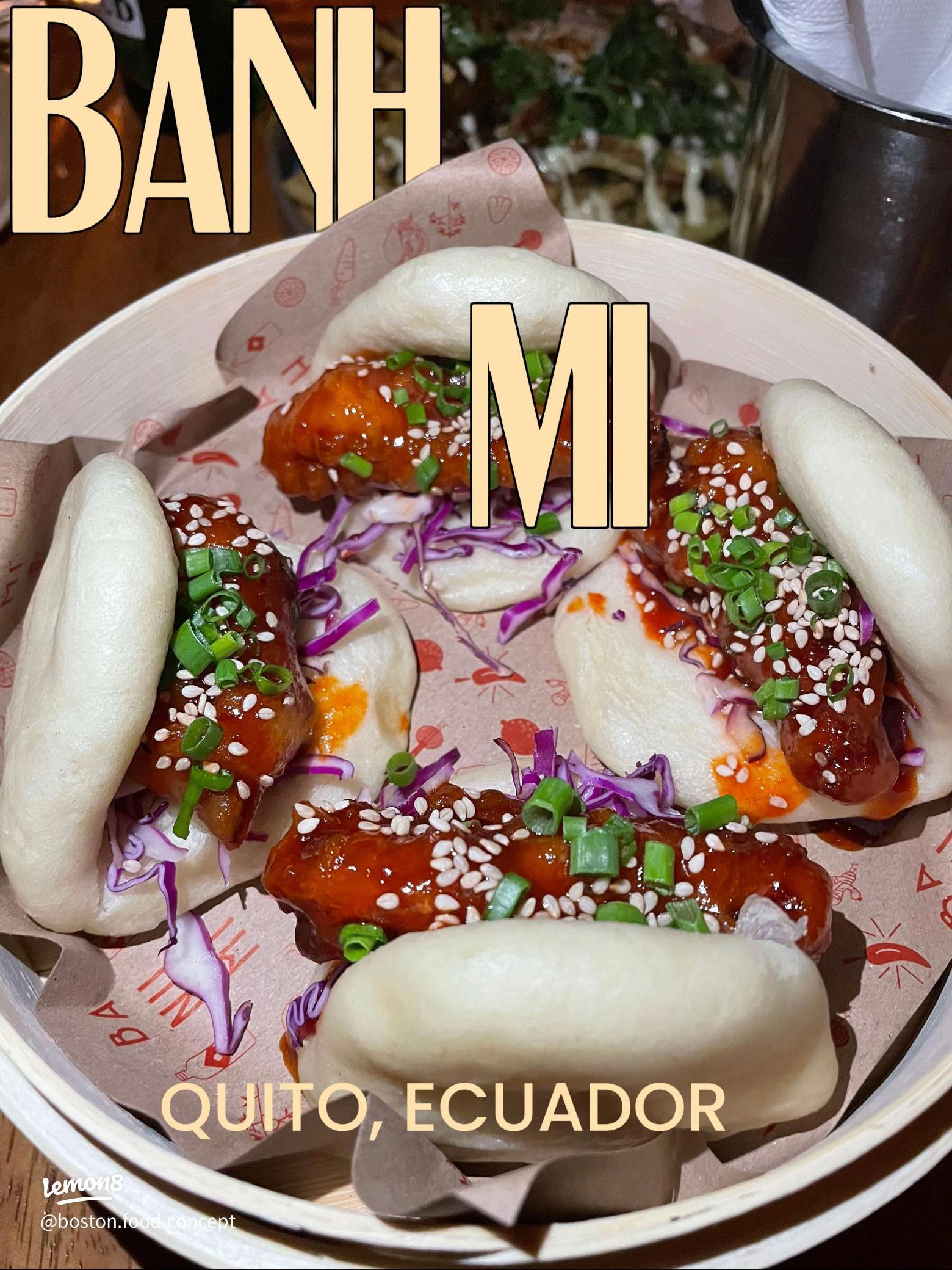
Mariscal Sucre is Quito's most internationally legible neighbourhood, which is both an advantage and a liability for restaurants operating there. The area draws foreign visitors, diplomats, and the city's professional class, giving restaurants a broad enough customer base to sustain mid-range pricing. It also means that the neighbourhood's dining character is plural rather than defined by a single culinary tradition. You will find Ecuadorian fine dining at Casa Gangotena, contemporary Andean cooking at addresses like Cardó, and international formats including Vietnamese at Banh Mi within a short radius. Italian restaurants in this environment compete not just against each other but against the full range of the city's dining options, which raises the stakes on what makes a specific address worth choosing.
This competitive density is broadly healthy for standards. Quito's dining scene has matured considerably over the past decade, with local chefs returning from training abroad and a growing culture of ingredient-focused cooking that has lifted expectations across categories. The conversation at the serious end of the market, represented by Nuema on the South American circuit, filters down through the mid-tier, and Italian restaurants in the Mariscal zone feel that pressure even when they are not directly competing for the same customer.
Italian Restaurants in Quito: A Category Note
Italian cooking is among the more widely reproduced cuisines globally, and its quality in any given city is usually a function of how seriously a kitchen engages with sourcing rather than how faithfully it replicates a regional tradition. In cities without strong Italian immigration history, as is largely the case in Quito compared to Buenos Aires or São Paulo, the cuisine often becomes a canvas for local produce rather than a strict exercise in authenticity. This is not a weakness. Particularly coherent Italian cooking outside Italy happens in places where the cook has had to think carefully about what to import, what to substitute, and what to reinterpret. The intellectual discipline required to make that call well is the same discipline that separates a thoughtful kitchen from a formulaic one.
For a sense of how this plays out across wider Ecuador, the contrast between Quito's Andean Italian addresses and coastal or island dining is instructive. The Galapagos, served by venues like Evolution Restaurant and Ecoventura, operates on a near-total import economy given the islands' biosecurity restrictions. Quito, by contrast, sits close enough to major highland and coastal growing regions that a committed kitchen can build a genuinely local supply chain. That proximity is an asset worth using.
Planning a Visit
La Briciola is located at Av. Isabel la Católica 881 in Quito's Mariscal Sucre district, a walkable area with taxi and app-based transport readily available from most central hotels. Visitors building a longer Ecuador itinerary might also note that the country's dining geography extends well beyond Quito: Carlo & Carla in Samborondon Canton, Le Petit Jardin in Cuenca Canton, and Hornados Dieguito in Los Chillos each represent a different register of the national table.
How It Stacks Up
Comparable venues nearby, for context on price, style, and recognition.
| Venue | Cuisine | Price | Notes |
|---|---|---|---|
| La BriciolaThis venue — the venue you are viewing | Authentic Italian | $$ | Not listed |
| Somos | Modern Ecuadorian Fusion | $$$ | Bellavista |
| ZFOOD | Ecuadorean Seafood Cevicheria | $$$ | La Paz |
| Chez Jérôme | French-Ecuadorian Fusion Bistro | $$$ | La Pradera |
| Rincón La Ronda | Traditional Ecuadorian | $$ | Bello Horizonte |
| Banh Mi | Asian Fusion with Local Ecuadorian Influences | $$ | La Floresta |
At a Glance
- Cozy
- Classic
- Intimate
- Date Night
- Family
- Casual Hangout
- Open Kitchen
Current opening hours
- Monday
- 12–11 PM
- Tuesday
- 12–11 PM
- Wednesday
- 12–11 PM
- Thursday
- 12–11 PM
- Friday
- 12–11 PM
- Saturday
- 12–11 PM
- Sunday
- 12–10 PM
Hours can change for holidays and private events. Last verified .
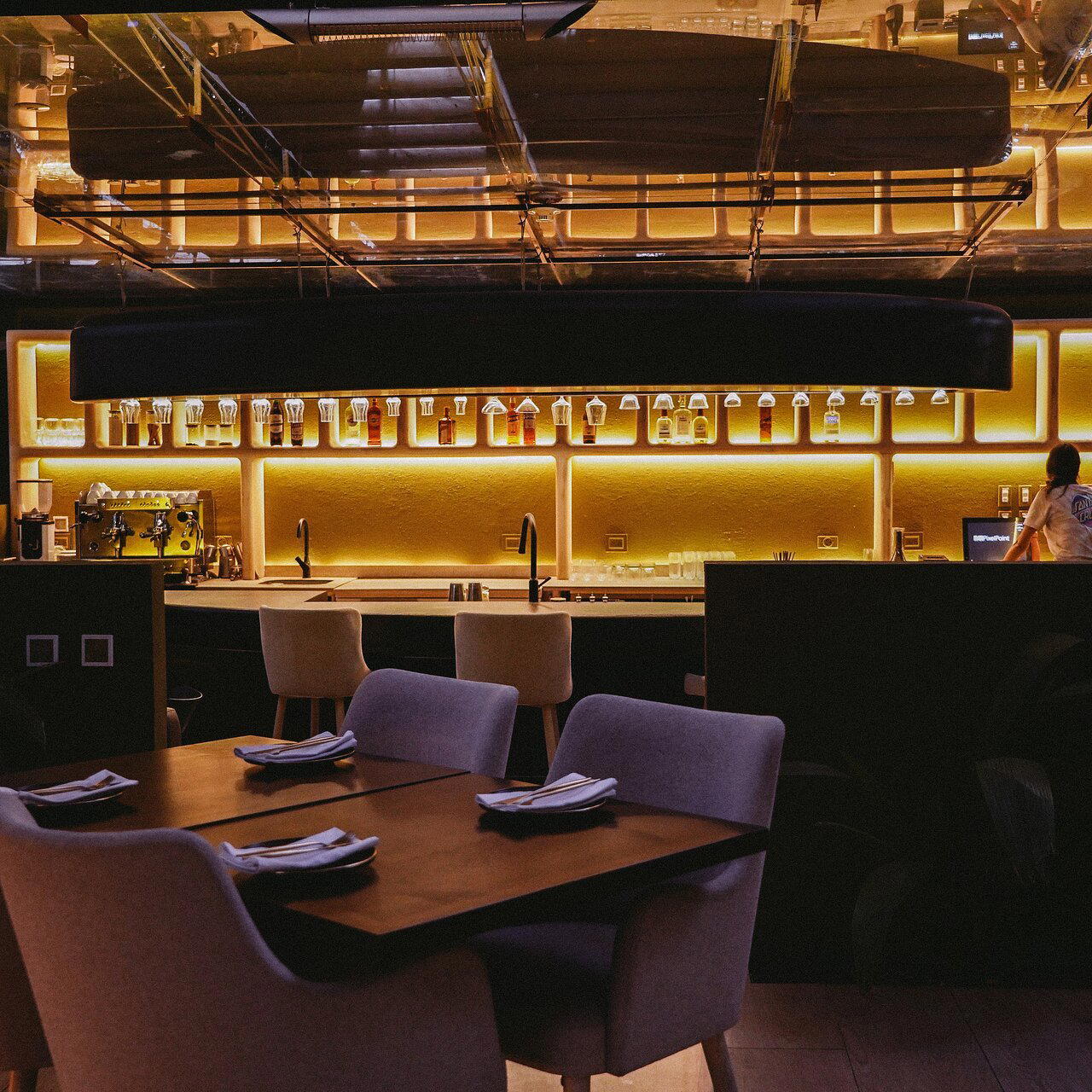
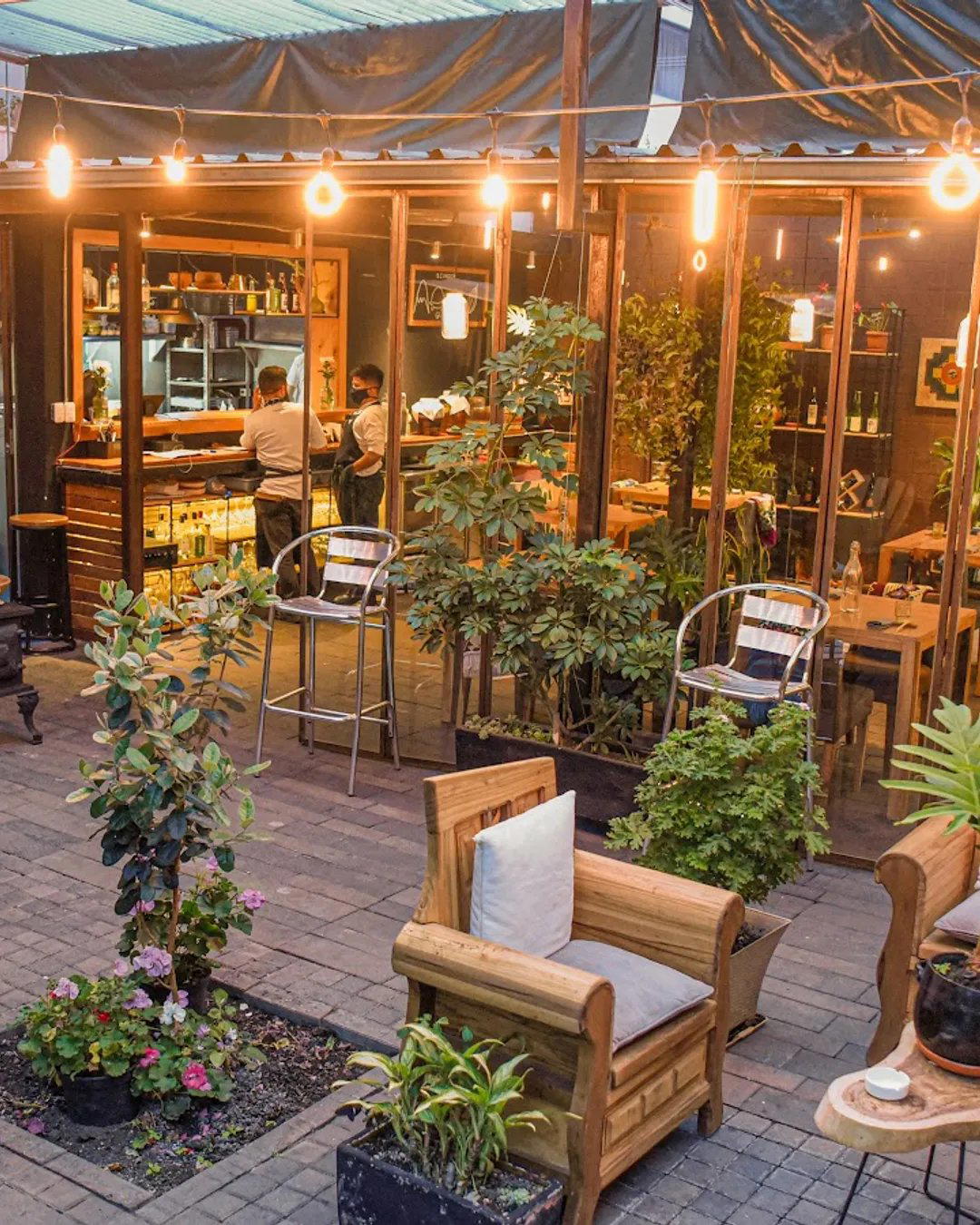
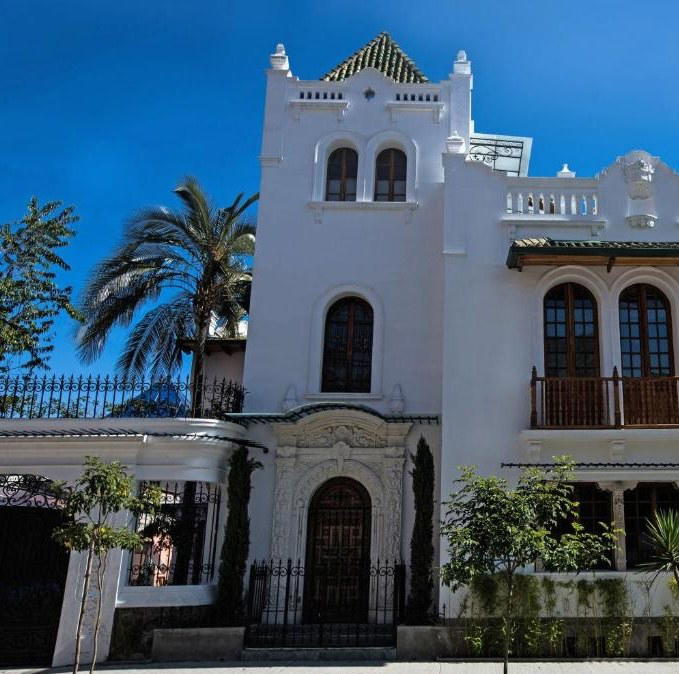
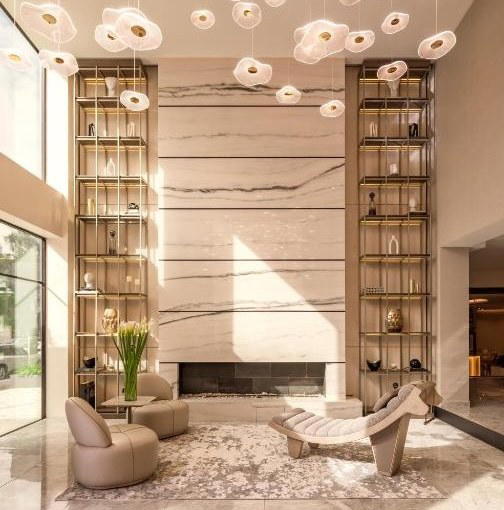
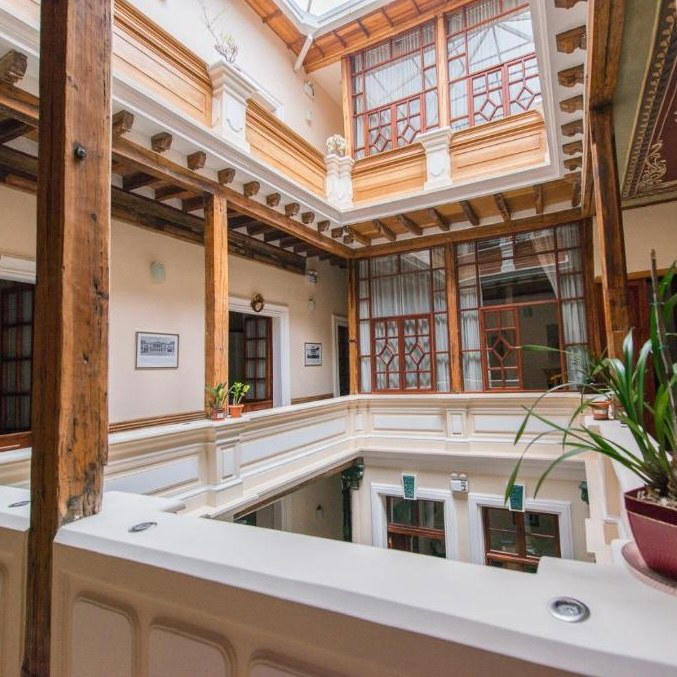
Cozy brick-adorned setting with European-style décor creating an inviting Mediterranean atmosphere.