Located on Av. Isabel la Católica in Quito's Mariscal Sucre district, Noe occupies a dining tier where Ecuadorian ingredients meet contemporary technique. The address places it within reach of the capital's most active restaurant corridor, where a new generation of kitchens is reframing highland and coastal produce for a more internationally fluent audience. Book ahead and arrive with appetite for the broader conversation this part of the city is having with its own food culture.
Pearl is the En Primeur Club membership app — saves, bookings, and concierge access live there. Same editors, same standards.
- Address
- Av. Isabel la Católica N24-827, Quito 170109, Ecuador
- Website
- noesushibar.com
- Directions
- Get directions
 Saves & bookings on Pearl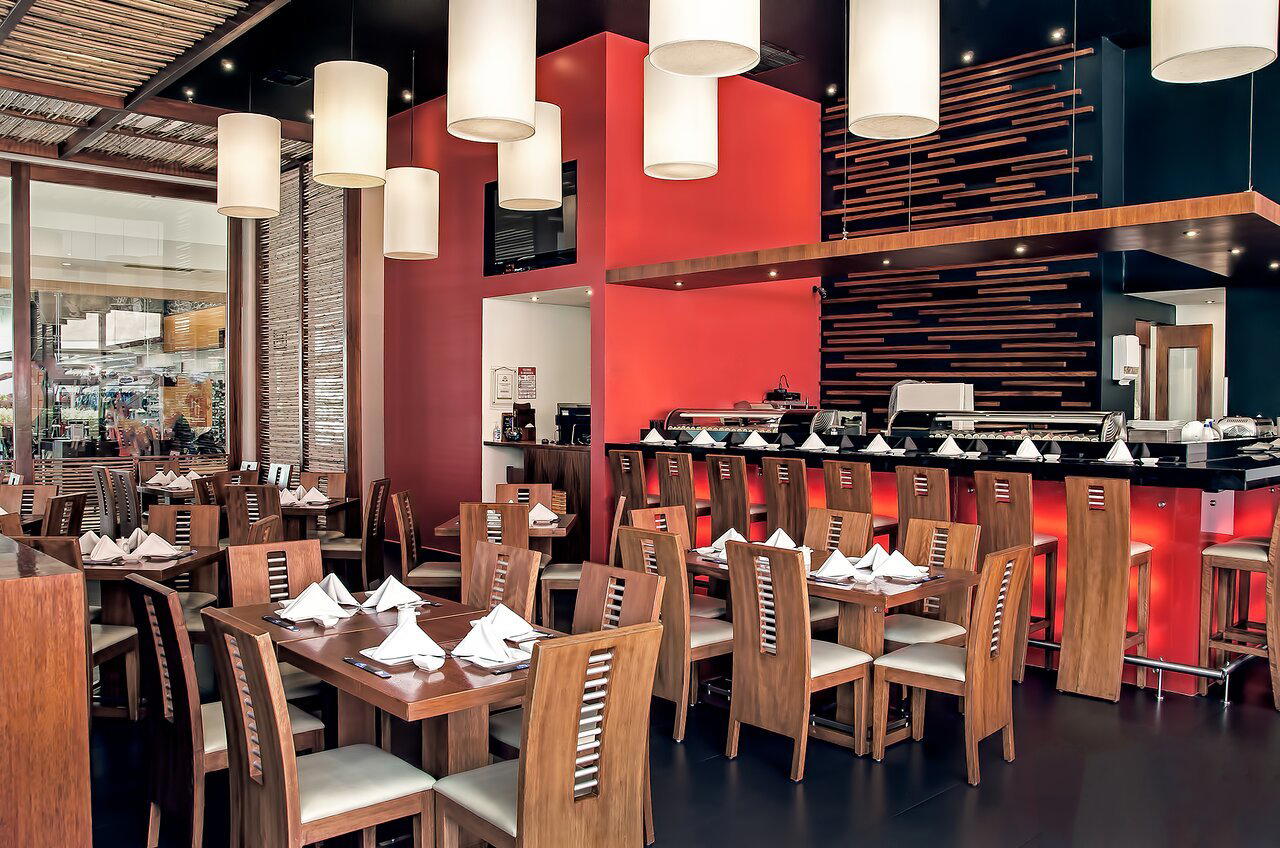
Quito's Evolving Table: Where Noe Sits in the City's Dining Conversation
Noe is an Ecuadorian-Japanese fusion sushi restaurant at Av. The capital, long overshadowed by Lima and Bogotá in regional food commentary, has developed a credible tier of kitchens that draw on Ecuador's notable ingredient geography, Pacific seafood, Andean grains, Amazonian botanicals, and some of the world's most biologically diverse agricultural zones, and translate that material into formats legible to a travelling audience. Av. Isabel la Católica, where Noe holds its address at N24-827, sits at the edge of this movement. The street runs through the Mariscal Sucre district, which functions as Quito's primary zone of culinary experimentation, where addresses change hands quickly and reputations are built on a shorter runway than in more established capitals.
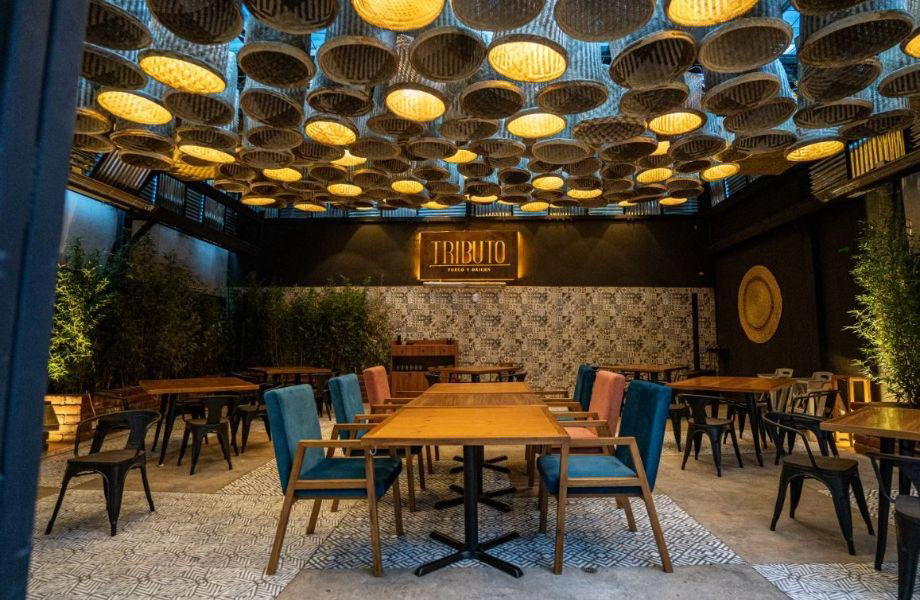
Within that context, Noe operates in a category that Quito has been quietly building for years: restaurants that neither retreat into nostalgia nor abandon local identity for imported formats. The city's most discussed tables, among them Nuema (South American) and Tributo, occupy a similar space, using Ecuadorian produce as both ingredient and argument. Noe belongs to this broader tendency without being a replica of it.
Ecuador's Ingredient Geography as Editorial Context
To understand what any serious Quito kitchen is working with, it helps to understand Ecuador's agricultural position. The country compresses three distinct ecosystems, coast, sierra, and oriente, into a landmass smaller than many individual US states. That compression means a kitchen sourcing seriously from domestic producers has access to cacao from Esmeraldas, quinoa and potatoes from the highlands, plantains and tropical fruit from the coastal lowlands, and river fish and jungle herbs from the Amazon basin. Few countries offer this range at such short supply-chain distances.
This is the material context that Quito's contemporary kitchens are working within, and it is a meaningful advantage. Where restaurants in Lima or São Paulo often source across vast distances to achieve comparable ingredient variety, a Quito kitchen drawing from domestic producers can theoretically achieve freshness and provenance credentials that larger markets struggle to match. The challenge, historically, has been building the culinary infrastructure, trained cooks, reliable supplier relationships, an audience willing to pay for that discipline, to make it commercially viable. That infrastructure now exists in pockets, and the Mariscal corridor is one of the places where it has taken clearest shape.
The Neighbourhood and Its Restaurant Register
Mariscal Sucre earned a mixed reputation in the early 2000s as a backpacker district, and traces of that identity remain in the form of casual international restaurants and late-night bars. But the district has stratified. A quieter residential edge, where Av. Isabel la Católica runs, supports a different kind of dining room: smaller, more deliberate, less reliant on tourist traffic and more oriented toward a local professional audience and the international visitors who arrive with specific restaurant research already done.
That demographic shift matters. A room that fills primarily with local diners, rather than walk-ins from nearby hostels, exerts a different pressure on the kitchen. The regulars know the reference points, expect seasonal variation, and return often enough that repetition becomes a liability. The international visitors who do find their way to this end of the street tend to arrive with context: they have read the coverage, they know Ecuador's culinary moment is real, and they are looking for evidence of it.
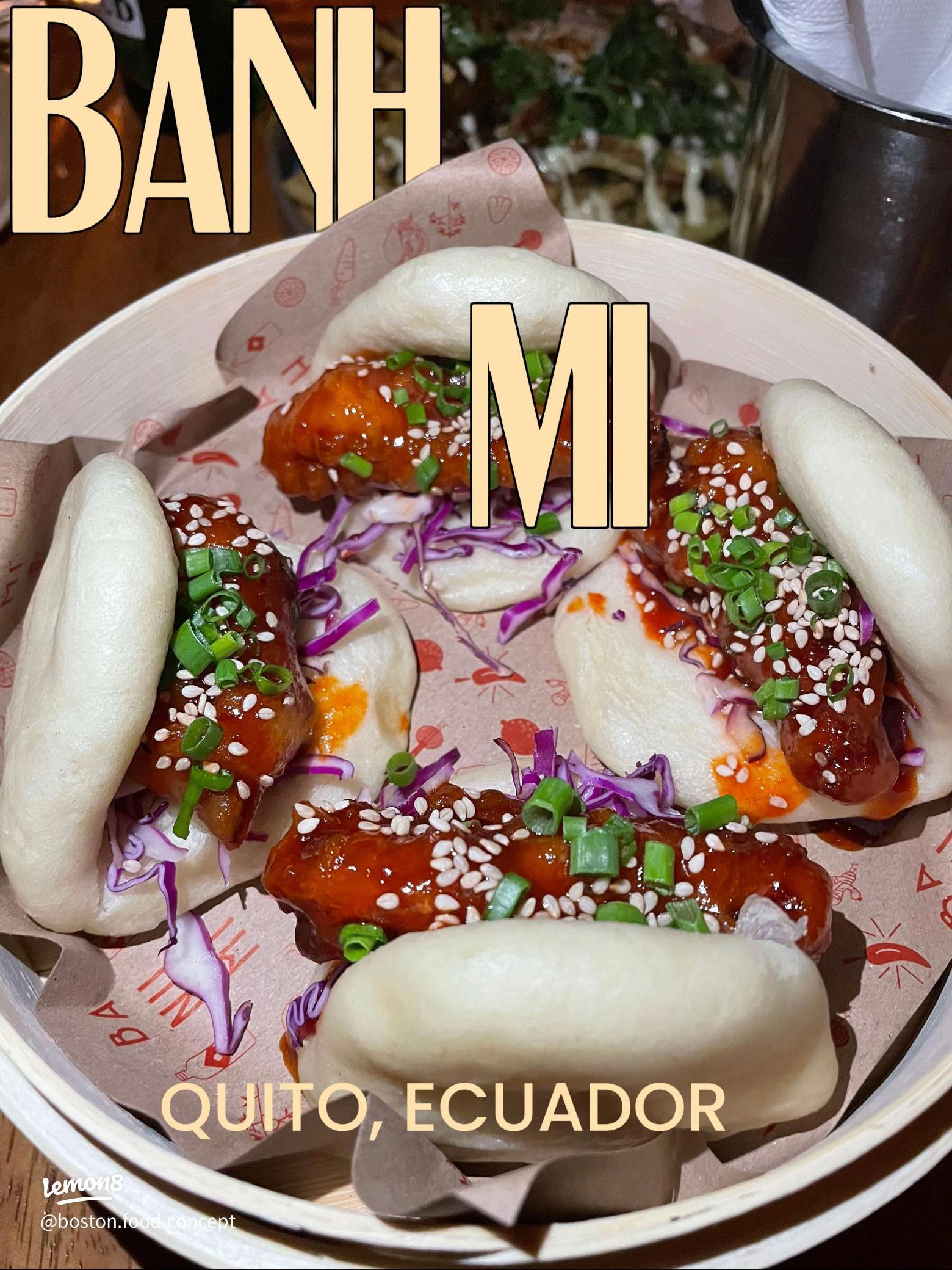
Banh Mi, Cardó, and Casa Gangotena (Ecuadorian Fine Dining), which represents one of the more formally established expressions of highland cuisine in the capital.
Ecuador Beyond Quito: What the Wider Table Looks Like
Quito does not operate in isolation. Ecuador's dining geography is more distributed than most visitors realise. In Samborondon Canton, Carlo & Carla represents the coastal restaurant register, where Pacific influence shapes ingredient choices in ways that differ markedly from the Andean approach. In Cuenca, Le Petit Jardin operates in a city with its own culinary rhythm, more conservative in format but drawing on different highland produce. Down in Los Chillos, Hornados Dieguito points toward the deep vernacular tradition of roasted pork that remains one of Ecuador's most persistent and underexamined culinary inheritances.
In Guayaquil, Red Crab anchors the coastal seafood tradition. Further afield, the Galapagos Islands support their own dining register, with Ecoventura - Galapagos in San Cristóbal and Evolution Restaurant in Galapagos Islands serving visitors in a context where ingredient provenance carries different weight entirely. And for those comparing Ecuador's contemporary dining moment to peer movements internationally, addresses like Le Bernardin in New York City, Atomix in New York City, Lazy Bear in San Francisco, and 8½ Otto e Mezzo Bombana in Hong Kong offer a useful calibration for what sustained technical ambition looks like at the highest international tier.
Planning Your Visit to Noe
Noe sits at Av. Isabel la Católica N24-827, in the Mariscal Sucre section of Quito, a district that is walkable from several of the city's main hotel clusters and accessible by taxi or ride-share from the historic centre in under fifteen minutes depending on traffic. Quito sits at approximately 2,850 metres above sea level, and first-time visitors should factor in the altitude when pacing a longer evening, it is not unusual for appetite and alcohol tolerance to behave differently at elevation than at sea level. Booking in advance is recommended. Hours are Mon: 12-10 PM; Tue: 12-10 PM; Wed: 12-10 PM; Thu: 12-11 PM; Fri: 12-11 PM; Sat: 12-11 PM; Sun: 12-10 PM.
- Noe Tataki
- Mizutako
- Filet Mignon Ramen
- Sake Yama Roll
- Mariscos Katsura
- Prawn and Salmon Hibachi
Cost Snapshot
Comparable venues nearby, for context on price, style, and recognition.
| Venue | Cuisine | Price | Notes |
|---|---|---|---|
| NoeThis venue — the venue you are viewing | Not listed | $$$ | Not listed |
| Somos | Bellavista, Modern Ecuadorian Fusion | $$$ | Not listed |
| Casa Gangotena | Not listed | $$$$ | San Francisco Plaza, Modern Ecuadorian Mestizo Cuisine |
| Nubori | Not listed | $$$ | Iñaquito, Japanese Fusion with Ecuadorian Influences |
| RINCÓN DE FRANCIA | Not listed | $$$ | Mariscal Sucre, Classic French with Ecuadorian Touches |
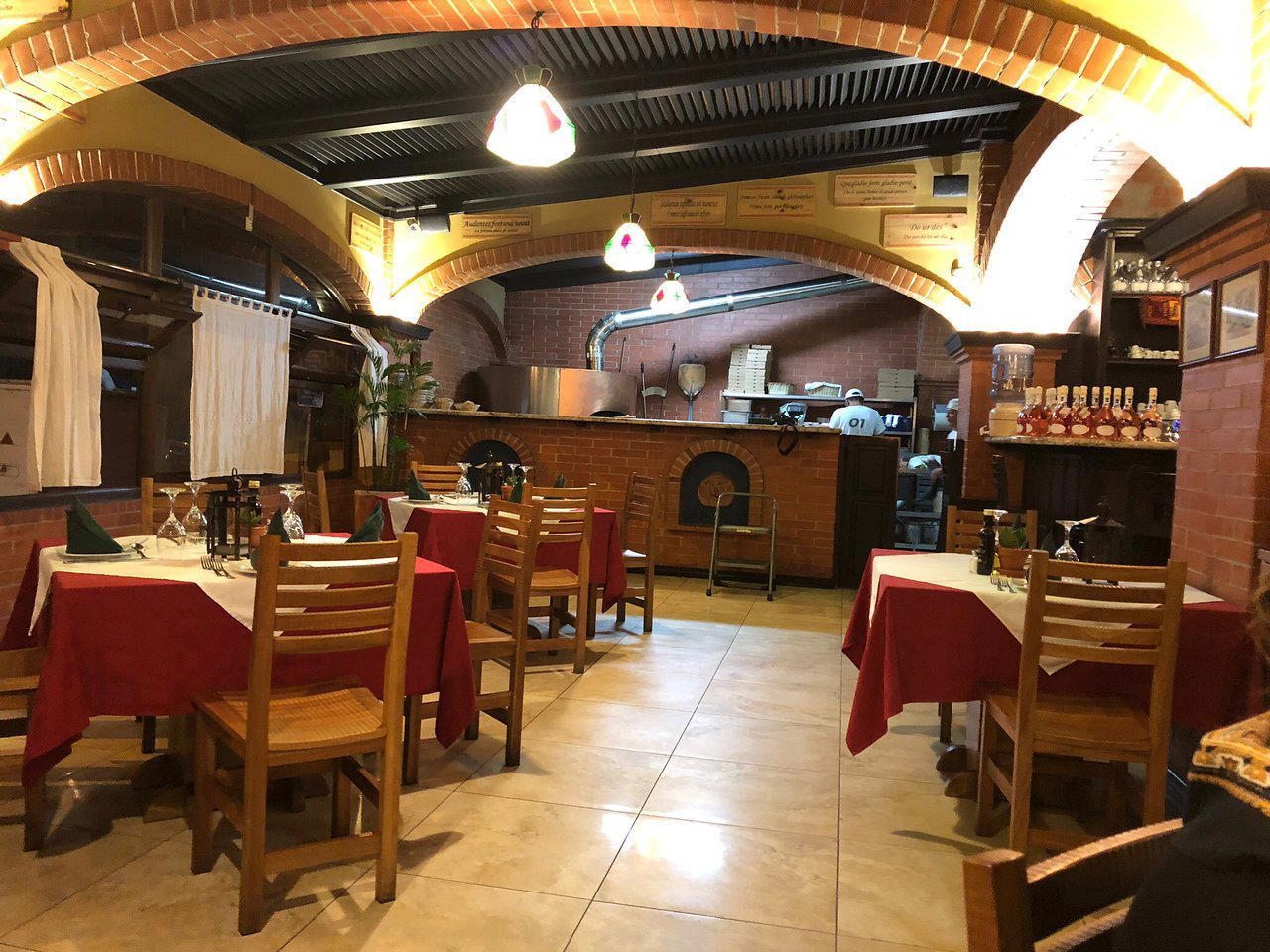
| La Briciola | Cumbaya, La Floresta, Authentic Italian | $$ | Not listed |
At a Glance
- Elegant
- Sophisticated
- Modern
- Cozy
- Date Night
- Business Dinner
- Group Dining
- Casual Hangout
- Celebration
- Open Kitchen
- Standalone
- Beer Program
- Sake Program
- Local Sourcing
Current opening hours
- Monday
- 12–10 PM
- Tuesday
- 12–10 PM
- Wednesday
- 12–10 PM
- Thursday
- 12–11 PM
- Friday
- 12–11 PM
- Saturday
- 12–11 PM
- Sunday
- 12–10 PM
Hours can change for holidays and private events. Last verified .
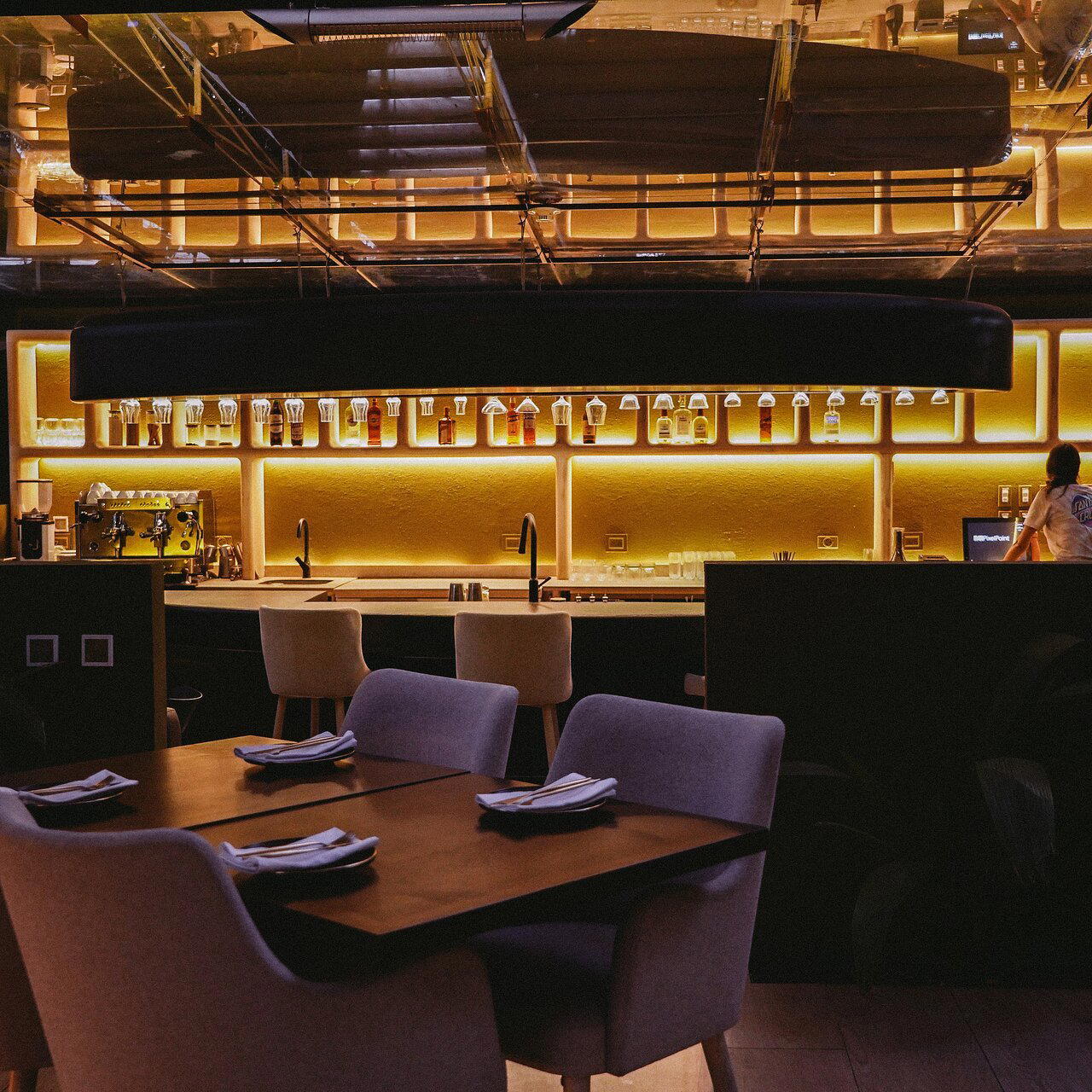
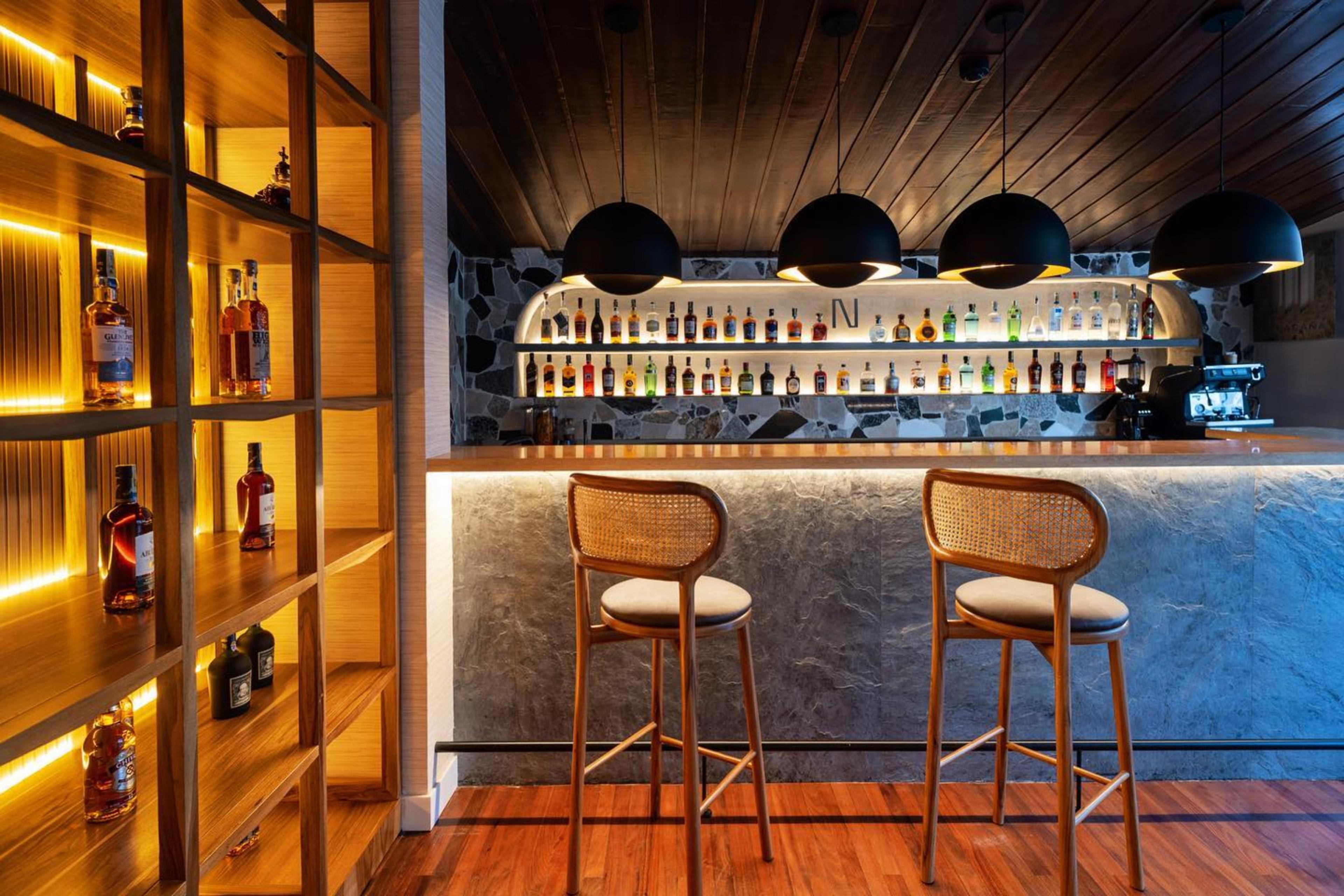
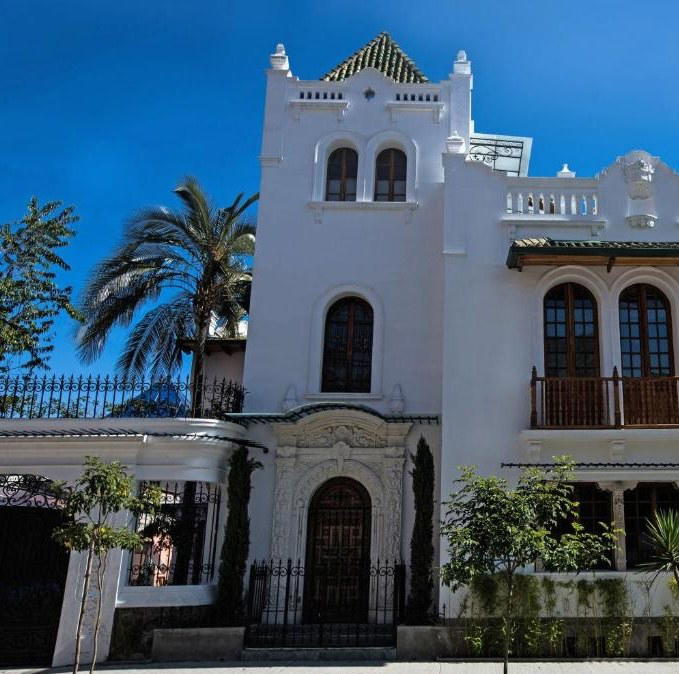
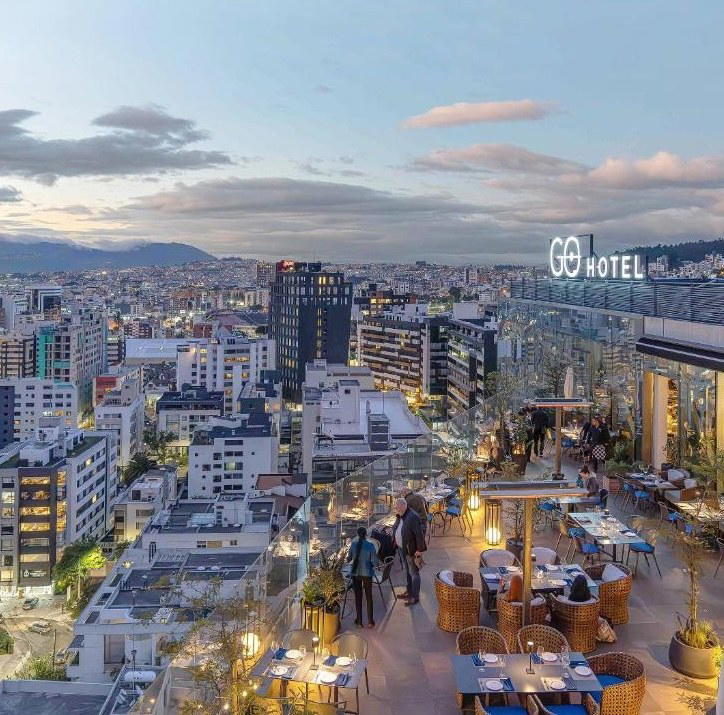
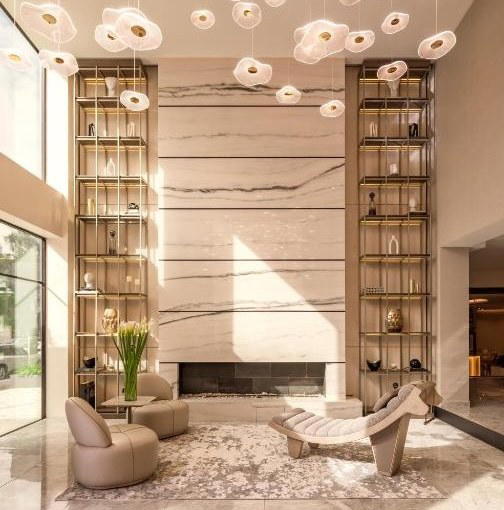
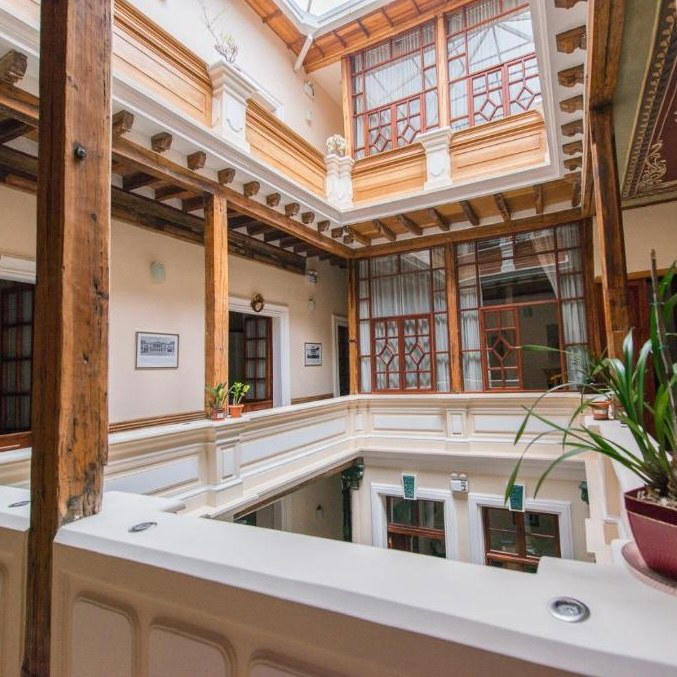
Cozy, personalized, and detail-oriented atmosphere with lively presentation of dishes that captivate the eye and palate; refined yet approachable dining environment.