Hornados Dieguito
In the Valle de los Chillos, hornado, slow-roasted whole pig, a fixture of Ecuadorian highland market culture, is the reason people make the drive out from Quito. Hornados Dieguito, positioned along the road through El Tingo in Barrio los Pinos, is one of the valley's dedicated stops for this tradition, serving a dish whose preparation is inseparable from the agricultural character of the surrounding sierra.
Pearl is the En Primeur Club membership app — saves, bookings, and concierge access live there. Same editors, same standards.
- Address
- Ferreteria Gamac, Valle de los Chillos El Tingo, Barrio los Pinos Frente, 170904 Quito, Ecuador
- Phone
- +593 96 013 6996
- Website
- facebook.com
- Directions
- Get directions
 Saves & bookings on Pearl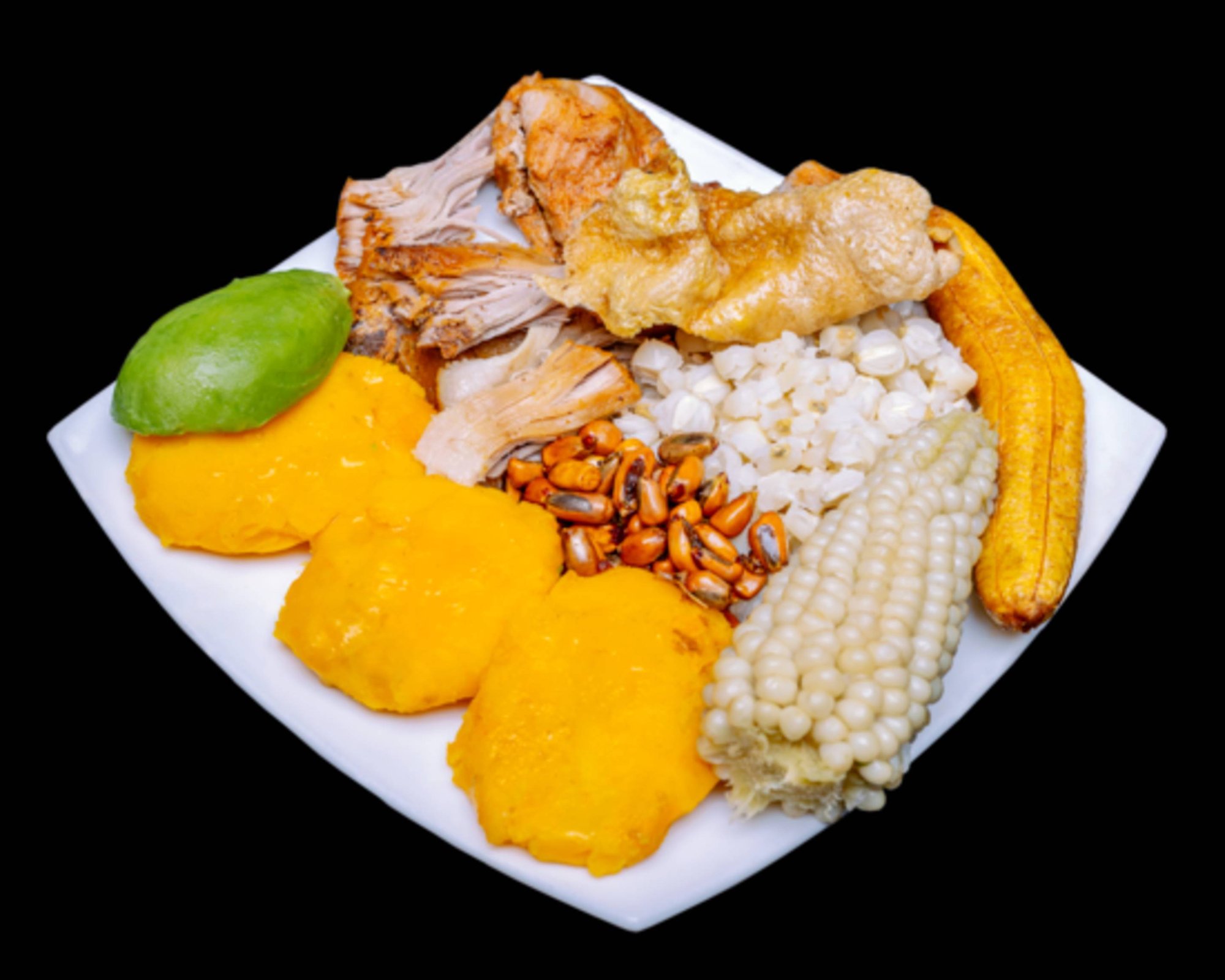
Where the Sierra Comes to the Table
The Valle de los Chillos sits roughly 20 kilometres southeast of central Quito, dropping into a basin where the Andes moderate into something greener and more temperate than the capital's plateau. Along the road through El Tingo, the culinary register shifts with the geography: the closer you get to the valley floor, the more the food anchors itself to highland agricultural tradition rather than urban dining trends. Hornados Dieguito occupies a spot on this corridor, in the Barrio los Pinos near a local hardware landmark, and the address itself tells you something useful, this is not a restaurant designed around destination dining in the metropolitan sense. It is a place that exists because of what the land around it produces and what the culture of the sierra does with that produce.
Hornado: The Dish, the Tradition, the Supply Chain
Hornados Dieguito serves traditional Ecuadorian hornado in the Valle de los Chillos, with a casual, walk-in-friendly setup in Quito, Ecuador. Hornado is slow-roasted whole pig, cooked over wood or in clay ovens for hours until the skin reaches the crackling state the Ecuadorian highlands have refined over centuries. It is a Saturday and Sunday market dish by tradition, associated with the mercados of Ambato, Riobamba, and the valleys around Quito, and its preparation is tied to the pig-farming practices of the sierra, where smallholder agriculture has historically produced the animals for this format.
The ingredient sourcing logic of hornado is direct and regional: the quality of the dish depends on the animal, the feed, the roasting time, and the accumulated technique of whoever manages the oven. Unlike the tasting-menu formats that have brought Ecuadorian ingredients to international attention through restaurants like Nuema in Quito, hornado operates at the opposite end of the formality spectrum, it is a dish of the market and the roadside, where sourcing transparency comes not from written provenance notes but from proximity. The format favors nearby supply chains, and that proximity is part of the point.
The accompaniments follow the same regional logic. Mote, dried hominy corn, boiled until tender, comes from highland corn varieties. Llapingachos, the potato cakes that typically arrive alongside the meat, are built from the Andean potato cultivars that have been grown in these altitudes for generations. Curtido, the pickled onion and tomato relish that cuts the richness of the pork, reflects the sierra's capacity to grow both. These are not incidental sides; they are the agricultural context of the main dish made edible.
The Valle de los Chillos as a Dining Destination
Valle operates differently from the concentrated restaurant scenes of central Quito or the coastal dining culture that shapes places like Red Crab in Guayaquil. Here, food destinations are spread across a suburban-rural continuum, and the draw tends to be specific dishes rather than full dining programs. Hornado is one of the primary reasons Quiteños drive into the valley on weekend mornings, the format rewards an early visit, when the oven has just reached its full roasting cycle and the skin is at its most intact.
This pattern of weekend food tourism from the capital to the surrounding valleys is well-established in Andean Ecuador. The Chillos, the Tumbaco valley to the northeast, and the road toward Sangolquí all host versions of this dynamic, where specific preparations draw repeat visitors who are less interested in restaurant format than in a single dish done at a consistent level. Hornados Dieguito exists inside this tradition rather than trying to reframe it.
For comparison, other Ecuadorian dining rooms use the same Andean ingredients through more formal frameworks. The hornado tradition is a counterweight to that trajectory: a format where technique is measured in roasting hours and the product stands without reinterpretation.
Placing It in the Ecuadorian Food Picture
Ecuador's food identity is unusually fragmented by altitude and region. The Galápagos has its own marine-forward register, documented through experiences like Ecoventura in San Cristóbal and Evolution Restaurant in the Galápagos Islands. The coast operates around seafood and tropical ingredients. The sierra works with pork, potato, and corn in configurations that go back centuries and have largely resisted the standardization that affects urban restaurant menus.
Hornado sits at the core of sierra food identity in the same way that whole-animal roasting traditions anchor regional food cultures elsewhere in Latin America. The format requires a particular kind of institutional knowledge, managing a large oven, timing a full pig, balancing the skin texture against the interior moisture, and the establishments that maintain this over years develop a local following that functions more like regulars at a neighbourhood butcher than diners choosing between options on a restaurant app.
The contrast with international fine dining, Alinea in Chicago, Le Bernardin in New York, or Alain Ducasse at Louis XV in Monte Carlo, is not a hierarchy. It is a different category of food purpose entirely. The hornado format in the Chillos valley is not competing with those registers; it is answering a different question about what a meal is for.
Planning a Visit
The restaurant is located at Ferretería Gamac, Valle de los Chillos, El Tingo, Barrio los Pinos, in Quito, Ecuador. The venue sits within the broader El Tingo corridor, accessible from central Quito via the Valle de los Chillos highway. Weekend mornings represent the traditional window for hornado in Ecuador, the dish is rooted in market-day culture, and arriving earlier in the day typically means accessing the oven's output closer to its peak. The restaurant is walk-in friendly. Those making the drive from Quito should also note the Ruminahui area nearby, which sits along the same valley route.
At-a-Glance Comparison
Comparable venues nearby, for context on price, style, and recognition.
| Venue | Cuisine | Price | Notes |
|---|---|---|---|
| Hornados DieguitoThis venue — the venue you are viewing | Traditional Ecuadorian Hornado | $$ | Not listed |
| Rincón La Ronda | Traditional Ecuadorian | $$ | Bello Horizonte |
| Casa Julián | Fine Dining Ecuadorian | $$$$ | Parque Histórico Guayaquil / Samborondón |
| Tiesto's | Traditional Ecuadorian Andean | $$$ | Historic Center |
| Dos Sucres | Modern Ecuadorian | $$$ | Luis Moreno Mora |
| Noe | Ecuadorian-Japanese Fusion Sushi | $$$ | Plaza Las Américas, San Luis, Cumbayá |
Continue exploring
More in Los Chillos
Restaurants in Los Chillos
Browse all →
Bars in Los Chillos
Browse all →


At a Glance
- Rustic
- Classic
- Family
- Casual Hangout
Current opening hours
- Monday
- 7 AM–6 PM
- Tuesday
- 7 AM–6 PM
- Wednesday
- 7 AM–6 PM
- Thursday
- 7 AM–6 PM
- Friday
- 7 AM–6 PM
- Saturday
- 7 AM–6 PM
- Sunday
- 7 AM–6 PM
Hours can change for holidays and private events. Last verified .
Casual and traditional with a focus on hearty Ecuadorian BBQ plates in a local setting.