On a quiet stretch of José Bosmediano in Quito's northern residential belt, QUITU positions itself within the city's growing tier of contemporary Ecuadorian dining rooms that treat native ingredients with the same precision international kitchens apply to European traditions. For visitors working through Quito's serious restaurant scene, it sits alongside names like Nuema and Casa Gangotena as part of a conversation about what Andean cooking looks like at table.
Pearl is the En Primeur Club membership app — saves, bookings, and concierge access live there. Same editors, same standards.
- Address
- Jose Bosmediano, Quito 170525, Ecuador
- Phone
- +593981380285
- Website
- quitu.ec
- Directions
- Get directions
 Saves & bookings on Pearl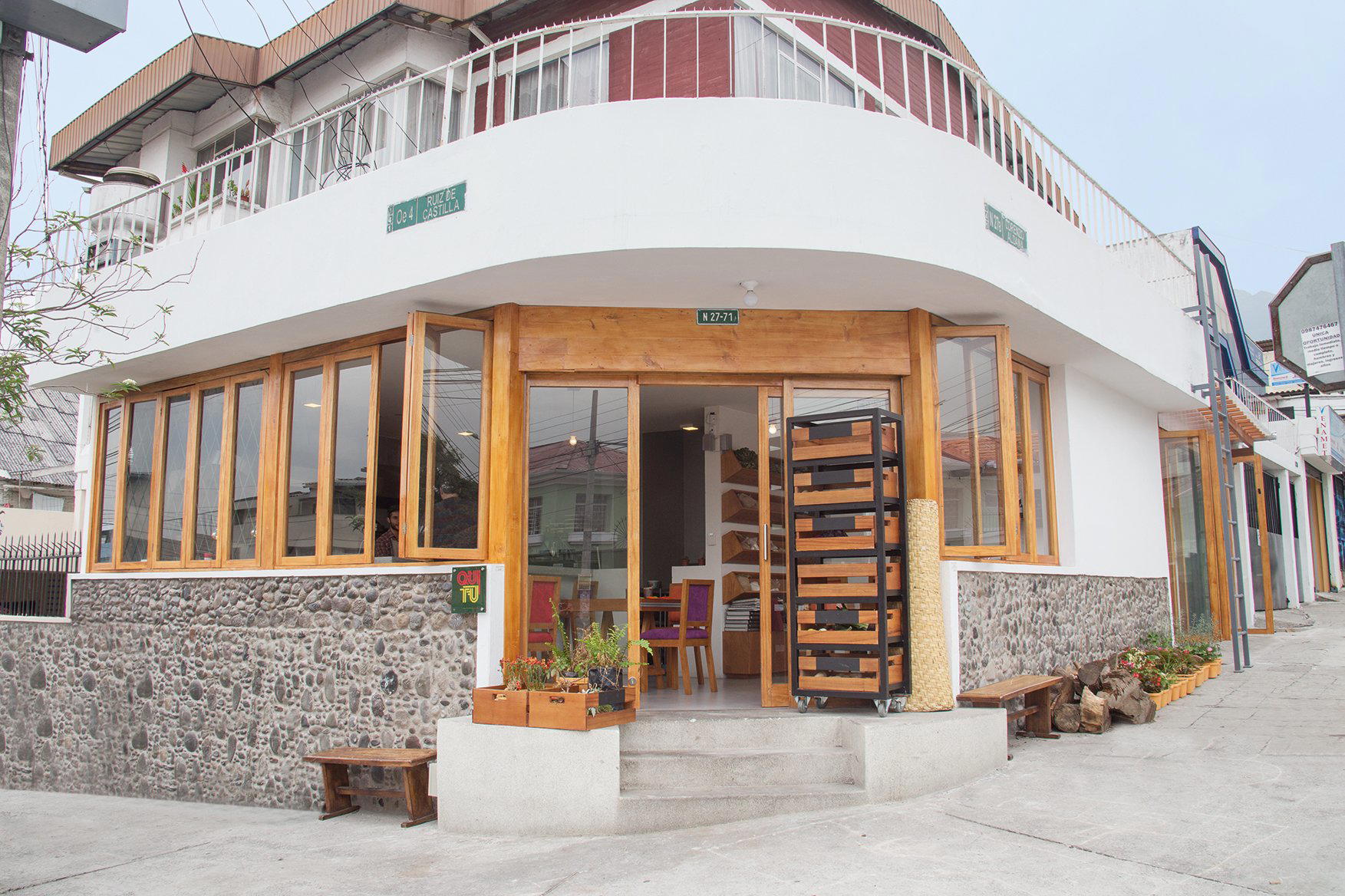
A Street in Quito's North, and What It Tells You About the City's Dining Direction
QUITU is a restaurant in Quito serving contemporary Ecuadorian cuisine at José Bosmediano, Quito 170525, Ecuador. The northern residential neighbourhoods of the capital have, over the past decade, absorbed a growing concentration of serious dining rooms, where the audience is largely local and the kitchens are not calibrating their menus around foreign expectations. That geographic positioning matters because it shapes both the room and the register: this is a place oriented toward Quito's own eating culture rather than toward a visitor's imagined version of it.
Quito's fine dining conversation has developed along a clear axis in recent years. On one end sit the polished heritage-property restaurants, most visibly Casa Gangotena (Ecuadorian Fine Dining), whose setting in a restored colonial mansion frames Ecuadorian cuisine through an architecture of grandeur. On the other end, a cohort of younger, more format-focused rooms has emerged, places that prioritise the sourcing logic and kitchen technique applied to native Andean produce over the theatrics of their setting. QUITU's address in the city's northern belt puts it closer in spirit to the latter group, alongside contemporaries like Nuema (South American) and Tributo, both of which have built reputations on kitchen discipline and ingredient provenance rather than room spectacle.
The Andean Ingredient Logic Behind Quito's Contemporary Restaurants
To understand where QUITU sits in the city's dining map, it helps to understand what has driven Quito's restaurant evolution at the serious end of the market. Ecuador's geography is a blunt advantage: within a few hundred kilometres of the capital you have páramo highlands, Amazon basin lowlands, coastal fishing zones, and Galápagos waters. The kitchens that have attracted critical attention in Quito, including from the Latin America's 50 Best infrastructure that began recognising Ecuadorian restaurants in earnest through the 2010s, are those that have worked out how to translate that biodiversity into a coherent dining proposition rather than a catalogue of ingredients.
The restaurants at Nuema and Tributo represent two approaches within that framework. Cardó and Banh Mi work in different registers entirely. The broader point is that the northern dining corridor in Quito is no longer a secondary option for those who can't get into the centro histórico's flagships; it is, in several respects, where much of the city's more technically serious cooking is happening. QUITU operates within that shift.
Placement in Quito's Competitive Tier
In cities where the serious dining tier has expanded rapidly, venues tend to sort into legible groups: those anchored by a specific chef's public profile, those built around a format (omakase-style progression, open-kitchen counter, communal table), and those that define themselves primarily through sourcing geography. Quito's newer rooms have explored all three. The neighbourhood context of José Bosmediano suggests a room comfortable in the format-and-sourcing register rather than the celebrity-chef-profile model.
What can be said is that the address puts QUITU within reasonable reach of Quito's northern residential and commercial zones, which is where a significant share of the city's regular restaurant-going population concentrates. For visitors staying north of the old town, the logistics are direct; for those based further south, the journey into this part of the city is one many make specifically to access the cluster of serious kitchens here.
Ecuador's Dining Geography Beyond Quito
Quito is one concentrated point for Ecuador's high-end dining infrastructure, but the country's restaurant story extends well beyond the capital. On the coast, Red Crab in Guayaquil anchors a seafood tradition that draws on Pacific catches the Andean capital can only access refrigerated. In the highlands, Le Petit Jardin in Cuenca Canton operates in a city with its own distinct culinary register, while Hornados Dieguito in Los Chillos represents the roast-pork tradition of the Andean valleys that sits just outside the capital. Further out, Ecoventura in San Cristóbal and Evolution Restaurant in the Galápagos Islands show how the archipelago is developing its own dining proposition tied to its extraordinary marine environment.
Within Quito's immediate orbit, Carlo & Carla in Samborondón Canton and MoneyGram in Ruminahui illustrate how the broader metropolitan region has developed distinct food cultures with different audiences and price points. The capital absorbs most of the international critical attention, but the fuller picture of Ecuadorian eating requires looking past the city's limits. For international comparison, the kind of technique-driven sourcing focus that defines Quito's leading contemporary rooms shares a frame of reference with places like Lazy Bear in San Francisco or Atomix in New York City, where the kitchen's relationship to a defined ingredient geography is as central as any individual dish on the menu. The comparison is conceptual rather than culinary, but it maps the tier.
Planning a Visit
QUITU's location on José Bosmediano in the 170525 postal zone places it in Quito's northern residential area, accessible by taxi or app-based ride services from both the centro histórico and the Mariscal Sucre hotel district in under twenty minutes during off-peak hours. As with the majority of Quito's more considered dining rooms, booking ahead is the operative approach, particularly on Friday and Saturday evenings when the city's northern restaurant corridor draws its heaviest local traffic. Specific hours, current pricing, and reservation methods should be confirmed directly with the restaurant.
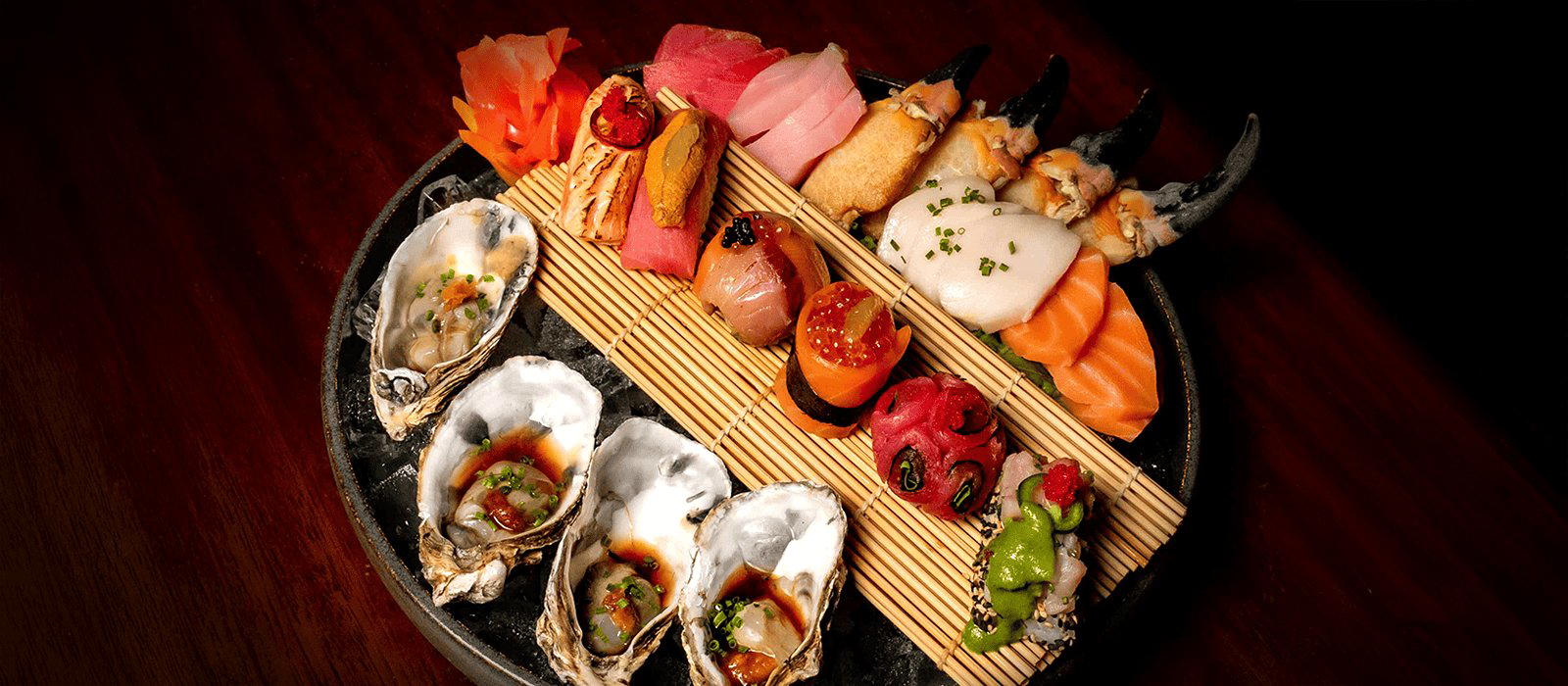
- guinea pig paté
- grouper ceviche
- smoked duck
- wood-fired sea bass
- braised lamb ribs
- trio of potatoes with purple basil dust
At a Glance
Comparable venues nearby, for context on price, style, and recognition.
| Venue | Cuisine | Price | Notes |
|---|---|---|---|
| QUITUThis venue — the venue you are viewing | La Floresta, Contemporary Ecuadorian | $$$$ | Not listed |
| Zazu | Not listed | $$$$ | La Mariscal, Modern Peruvian-Ecuadorian Fine Dining |
| Shibumi | Not listed | $$$ | Las Casas, Japanese-Ecuadorian Fusion Sushi |
| URKO | Not listed | $$$ | La Floresta, Modern Ecuadorian Tasting Menu |
| Noe | Not listed | $$$ | Plaza Las Américas, San Luis, Cumbayá, Ecuadorian-Japanese Fusion Sushi |
| RINCÓN DE FRANCIA | Not listed | $$$ | Mariscal Sucre, Classic French with Ecuadorian Touches |
At a Glance
- Intimate
- Elegant
- Cozy
- Sophisticated
- Date Night
- Special Occasion
- Celebration
- Open Kitchen
- Standalone
- Sommelier Led
- Craft Cocktails
- Farm To Table
- Local Sourcing
- Sustainable Seafood
Current opening hours
- Monday
- 12–3 PM, 6–10 PM
- Tuesday
- 12–3 PM, 6–10 PM
- Wednesday
- 12–3 PM, 6–10 PM
- Thursday
- 12–3 PM, 6–10 PM
- Friday
- 12–3 PM, 6–10 PM
- Saturday
- 12–3:30 PM, 6:30–10:30 PM
- Sunday
- Closed
Hours can change for holidays and private events. Last verified .
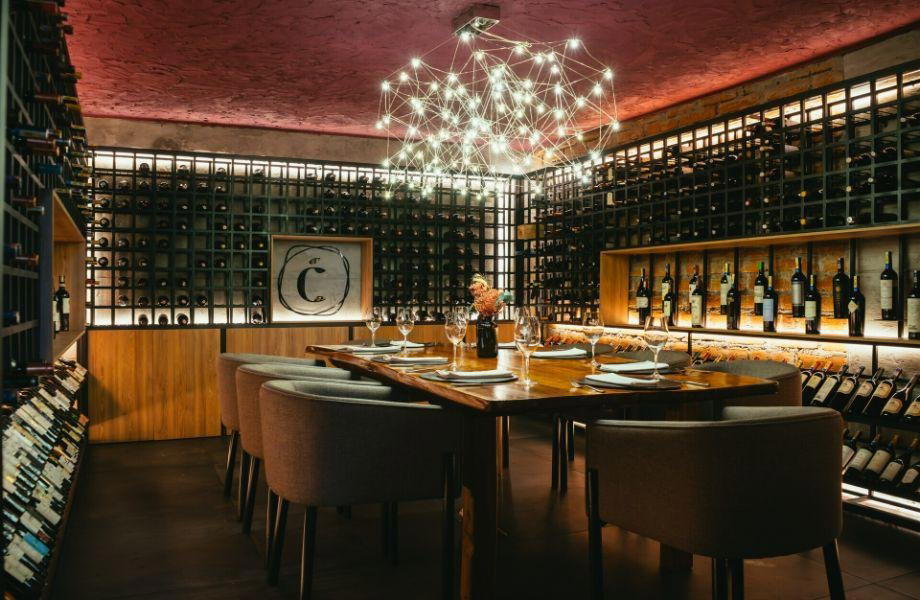
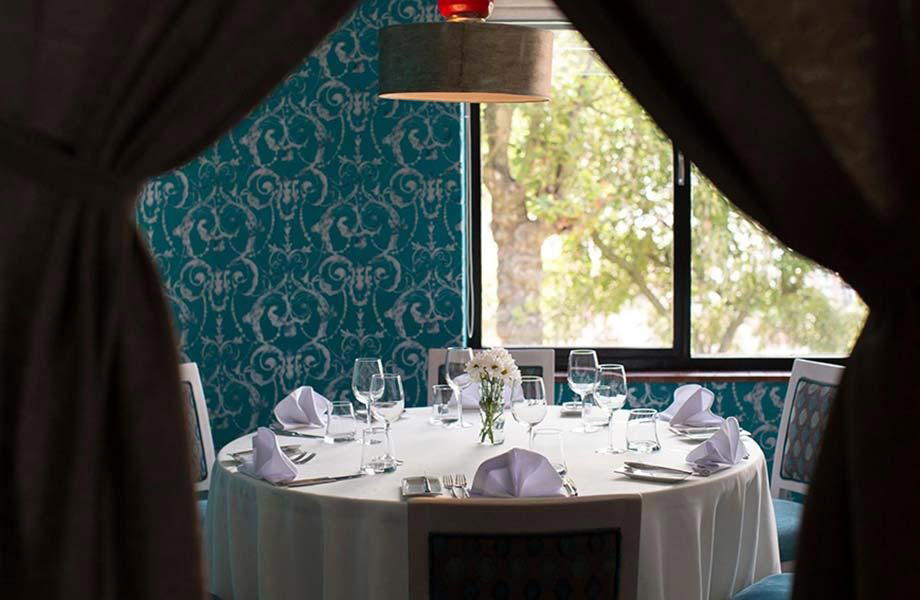
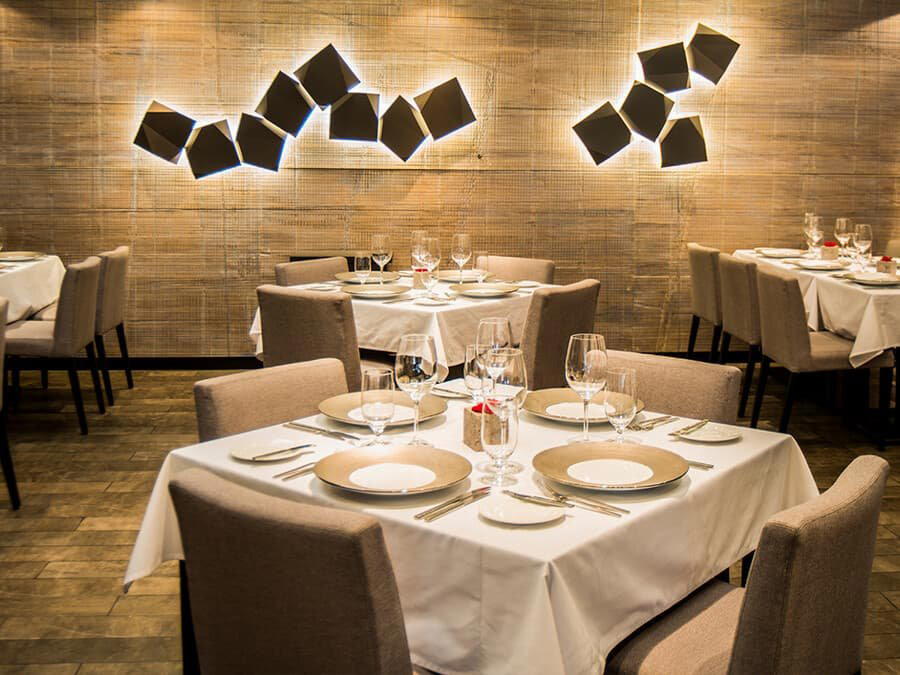
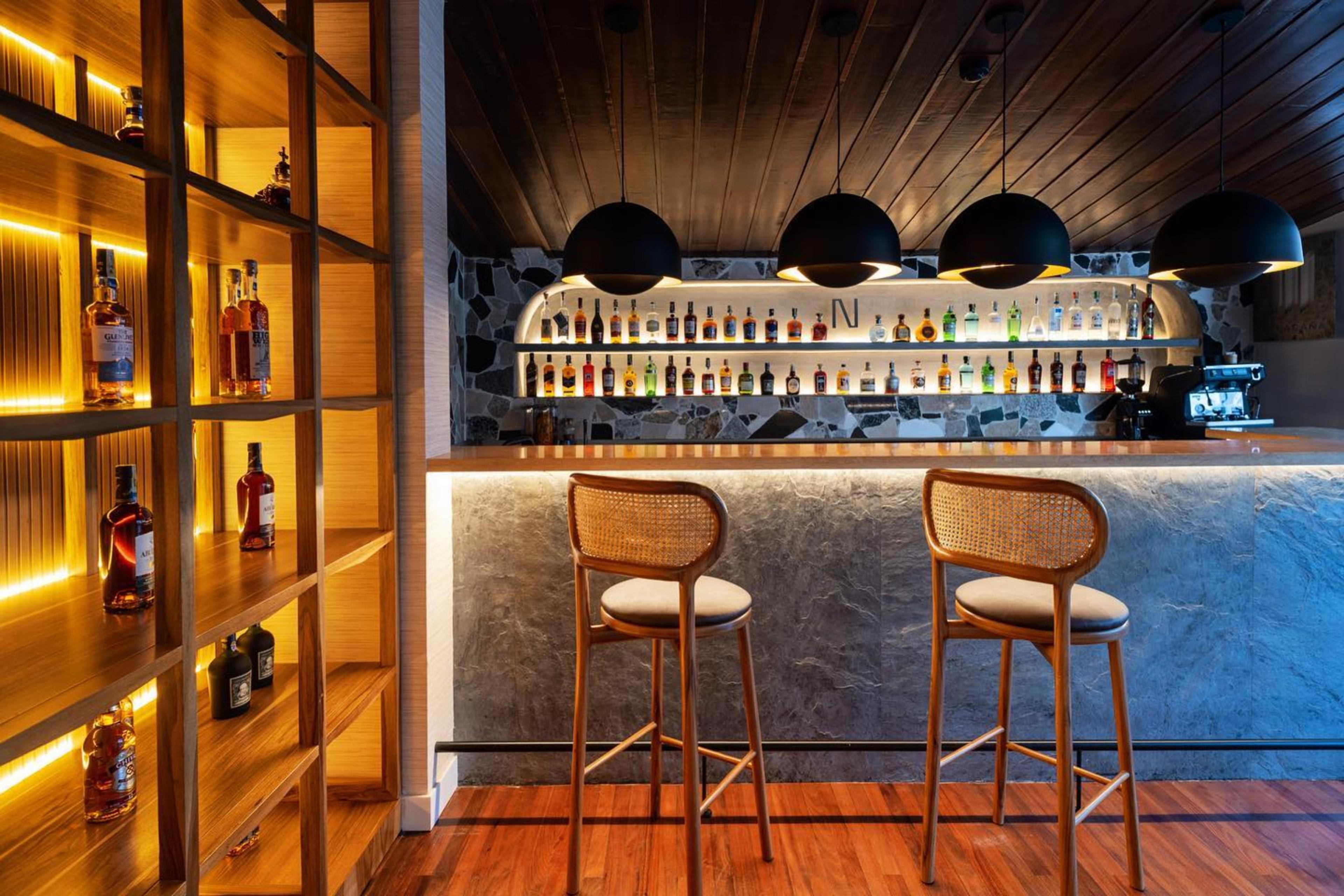
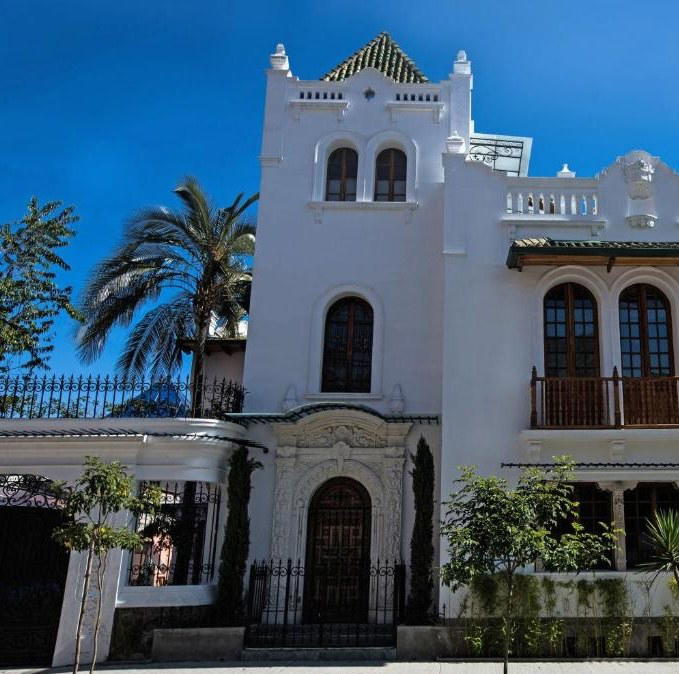
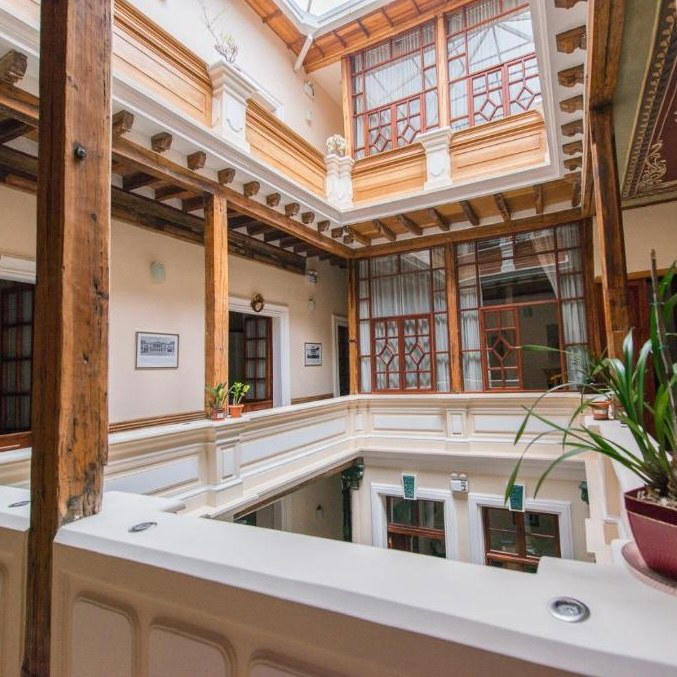
Warm wooden surfaces with organic textures and intimate lighting throughout; colorful yet minimalist décor in a converted artist's house with flowing spaces that feels distinctly Ecuadorian rather than internationally generic.