

Ranked No. 68 on Latin America's 50 Best Restaurants 2025 extended list, Tributo is Quito's most focused expression of fire-based cooking, built around dry-aged Ecuadorian beef and hyper-local sourcing. Chef-owner Luis Maldonado anchors the menu in nose-to-tail technique and Andean terroir, from a 120-day dry-aged cut raised at 4,000 metres to a 48-hour smoked rib broth. Among Quito's growing tier of serious dining rooms, it occupies a distinct position.
Pearl is the En Primeur Club membership app — saves, bookings, and concierge access live there. Same editors, same standards.
- Address
- Av. Isabel la Católica, y, Quito 170525, Ecuador
- Phone
- +593 99 989 5311
- Website
- tributo.ec
- Directions
- Get directions
 Saves & bookings on Pearl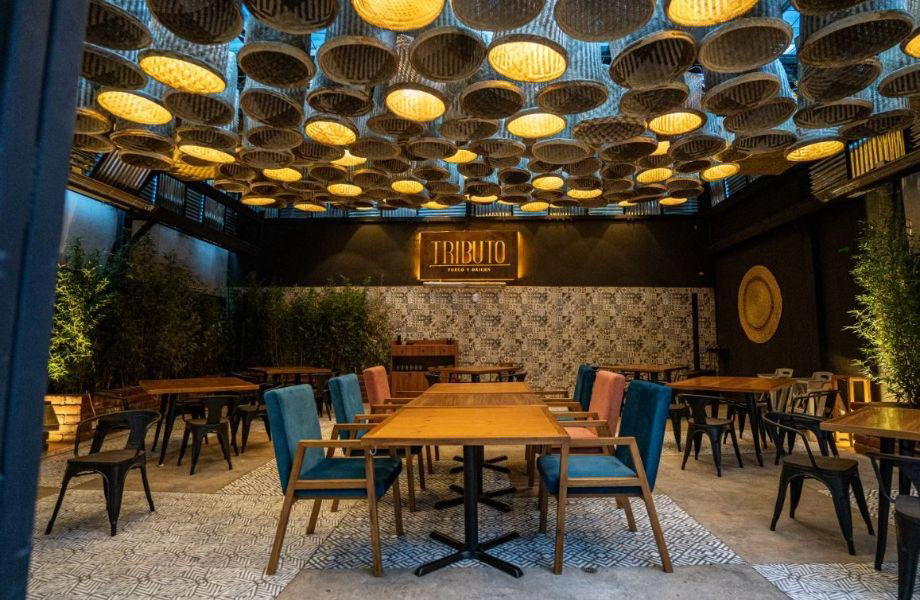
The Fire Shapes the Meal
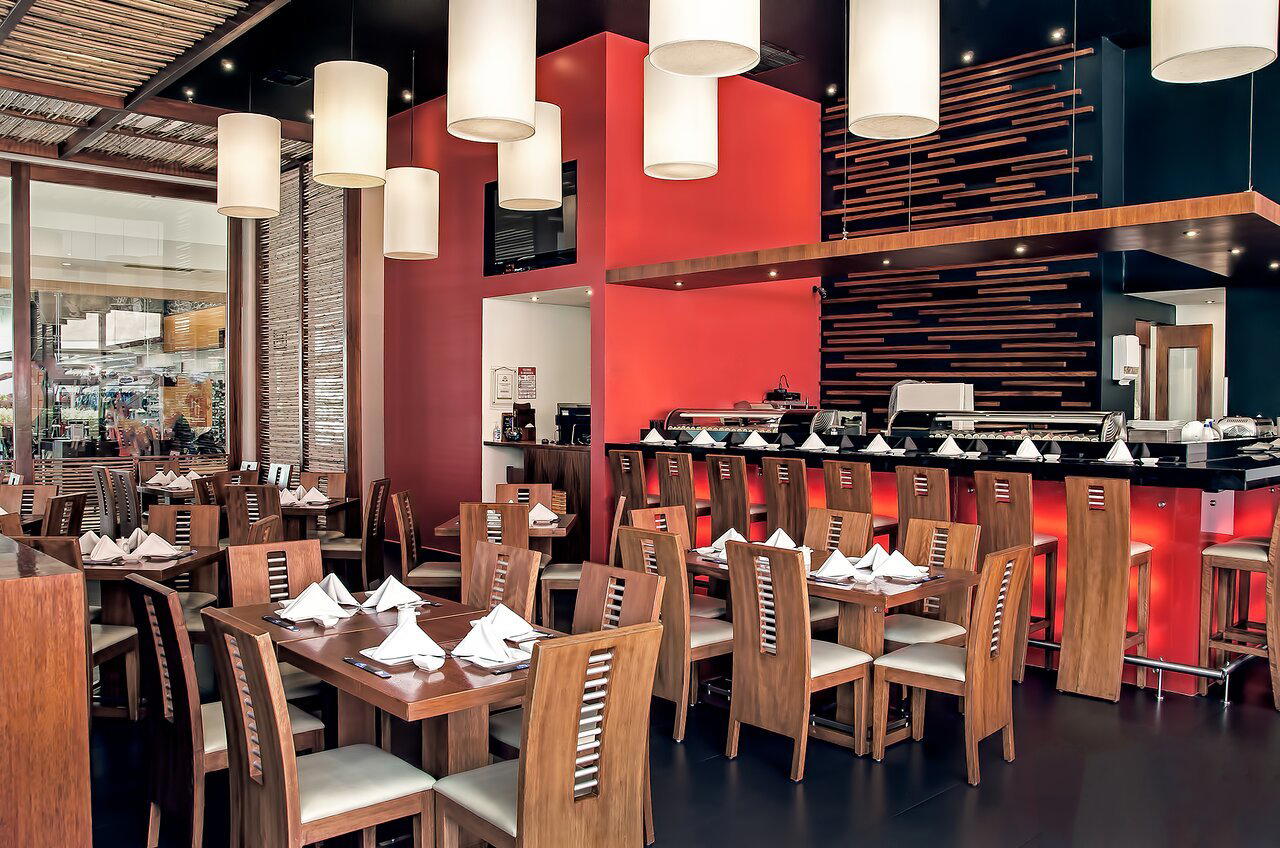
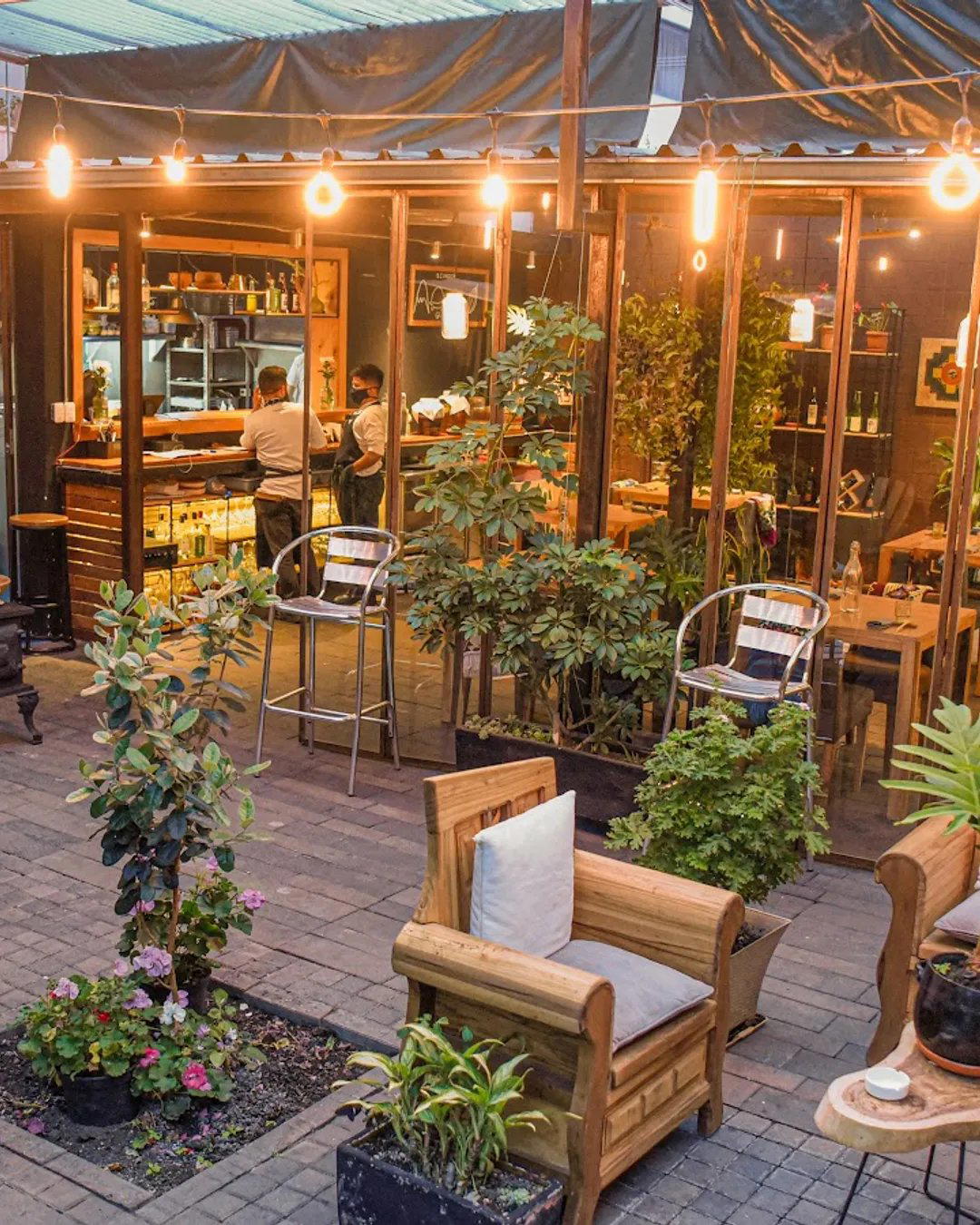
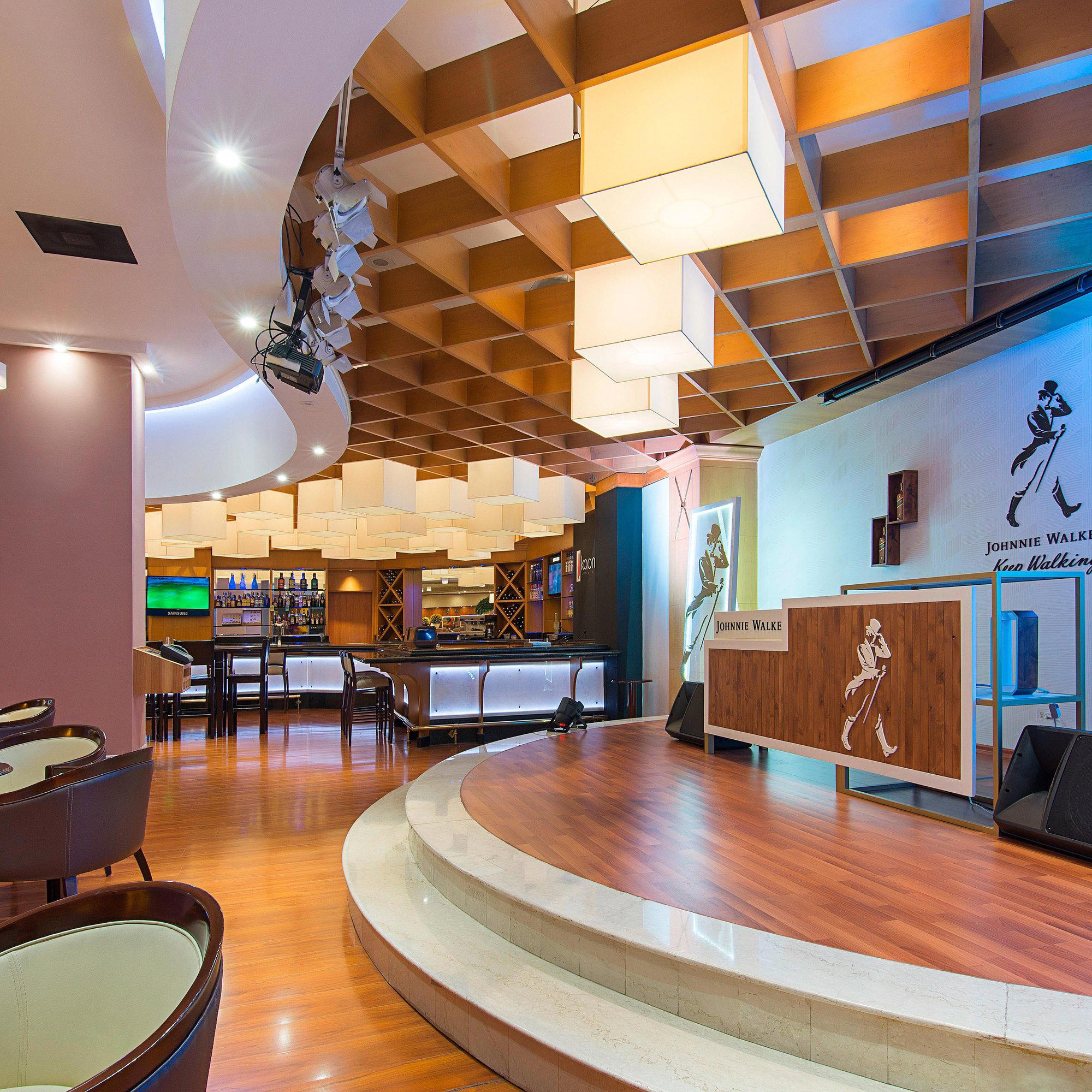
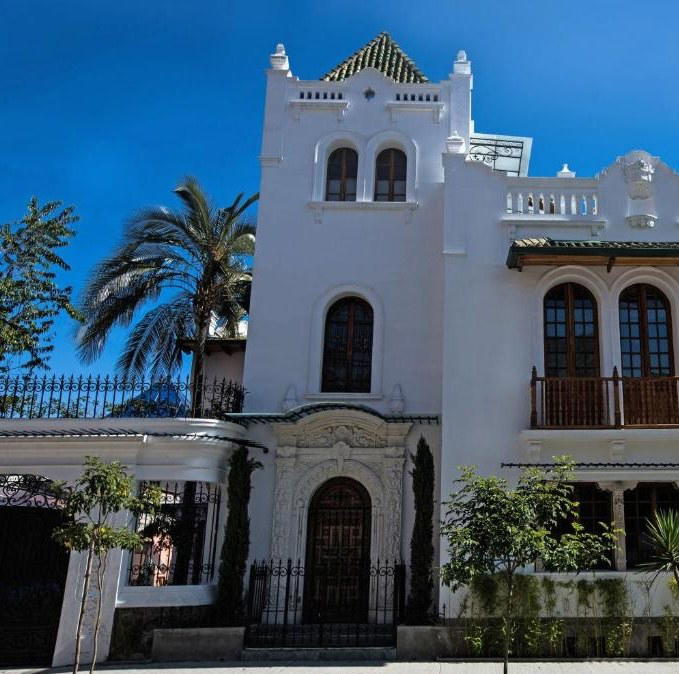
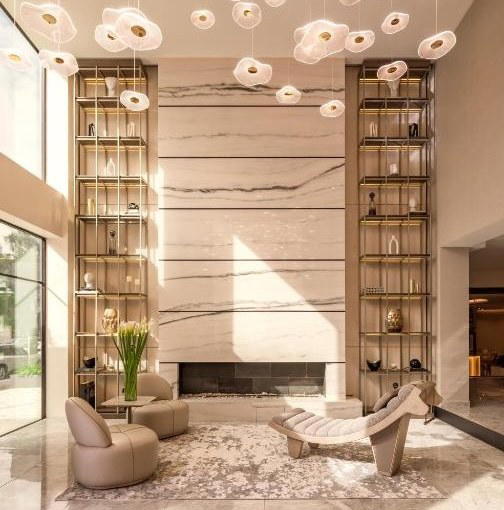
Tributo is a restaurant in Quito, Ecuador, known for modern Ecuadorian steakhouse cooking and ranked No. 68 on Latin America's 50 Best 2025 extended list. Earth-toned wood, soft golden light, and Andean-inflected details build an interior that reads less like a stage set and more like a considered argument: that cooking rooted in flame and local origin can occupy the same tier as any technically ambitious kitchen in the region. The atmosphere is warm but composed, calibrated to support a long meal rather than rush it.
In Quito's dining scene, that calibration matters. Quito's serious restaurants have split between internationally inflected tasting menus and kitchens that treat Ecuadorian ingredients and traditions as the primary creative material. Tributo sits firmly in the second camp, alongside peers like URKO and Nuema, though its specific commitment to open-fire cooking and dry-aged beef gives it a different texture from both. Where Zazu operates in a more internationally framed contemporary register, and Casa Gangotena leans into the colonial architecture and grand-dining format, Tributo's identity is built on something more elemental: the relationship between fire, animal, and altitude.
The Logic of the Meal
Dining at Tributo follows a rhythm that the kitchen appears to have thought through carefully. The meal moves from lighter preparations toward the weight and depth of fire-cooked beef, with the in-house charcuterie programme framing the earlier stages. That programme is a credentialing exercise in its own right: the aging and curing techniques on display establish the kitchen's precision before the more dramatic cuts appear.
Midway through, dishes like the sancocho de la abuela Rosa, a 48-hour smoked rib broth, introduce a different register, one built on time and layered depth rather than immediate impact. The reference to grandmother Rosa's recipe is not nostalgic decoration; it signals that the kitchen is drawing on a domestic culinary lineage and treating it with the same seriousness as any classical European technique. At restaurants where fire is the organising principle, this kind of temporal cooking, long smoke, slow braise, and extended aging tend to produce coherent menus. Tributo's structure supports that.
The tostada de lengua ahumada, smoked beef tongue on toast, is a useful illustration of how the menu works. Tongue is a secondary cut that rewards patience and technique; smoking it adds another layer of process. The result sits at the intersection of nose-to-tail philosophy and fire craft. Kitchens working in this mode, from Lazy Bear in San Francisco to fire-focused rooms across South America, tend to treat secondary cuts as the true test of a kitchen's commitment, not the premium centre cuts.
The Txuletón and High-Altitude Terroir
The centrepiece of the menu is the Txuletón de Vaca: a 120-day dry-aged cut from an old cow raised at 4,000 metres in the Ecuadorian Andes. The Basque term for this style of bone-in rib cut, txuletón, has been adopted across serious beef-focused kitchens globally, but Tributo's version carries a specific provenance argument. High-altitude grazing produces leaner muscle with distinct mineral character; extended dry aging at that starting point concentrates flavour differently than low-altitude equivalents aged for the same period.
120-day aging duration places this cut in the same conversation as particularly extended programs at dedicated beef restaurants internationally. For context, most premium steak restaurants work in the 28-to-45-day range; 90-day-plus aging is a specialist category, with different enzymatic and moisture dynamics. Chef-owner Luis Maldonado's decision to anchor the menu around this cut, rather than using it as a premium supplement, defines the restaurant's identity more than any other single element. The open fire grill delivers it with a crust and internal temperature that are the point of the whole process.
Among Ecuador's dining rooms, this level of specificity around beef provenance and aging is rare. It places Tributo in a different peer conversation from the broader Andean fine dining scene, closer to dedicated beef-focused kitchens than to the broader new-Ecuadorian-cuisine tier. The restaurant's appearance at No. 68 on Latin America's 50 Best Restaurants 2025 extended list reflects that distinct positioning.
Drinks and the Table Over Time
The cocktail programme at Tributo is built around native botanicals, regional spirits, and wild fruit macerations, including canelazo-inflected aperitifs. Canelazo, the spiced cane spirit drink associated with highland festivals and cold-weather gatherings, appears here in aperitif form, which is an intelligent placement: it primes the palate for smoke and fat rather than competing with the food mid-meal.
The wine list spans South American producers and Old World references, with a sommelier guiding pairings through the meal's progression. For fire-cooked beef menus of this type, the pairings that tend to work leading are high-altitude Argentinian Malbec or structured Tannat from Uruguay on the South American side, and age-worthy Rhône or northern Spanish references on the European side. The combination of a structured drinks programme and a meal designed to unfold over time is part of what separates serious fire restaurants from those using open flame as an aesthetic gesture.
Comparable programs at places like Atomix in New York or 8½ Otto e Mezzo Bombana in Hong Kong demonstrate how integral a coherent beverage arc is to the overall structure of a long tasting meal. Tributo applies the same logic at a Quito price point, for a local ingredient set.
Planning Your Visit
Tributo is located on Av. Isabel la Católica in Quito's central zone, within reach of the city's main hotel corridor. Booking ahead is advisable. The format rewards arriving without time pressure: the meal is designed to move through several stages, and the charcuterie and broth courses require the same attention as the main fire-cooked cuts.
The room reads as smart-casual to quietly refined, the kind of setting where both a well-dressed couple and a table of travelling professionals in business clothes would feel equally placed. Service is described as personal and attentive, with the sommelier present and engaged rather than intermittent. For diners exploring the wider Quito dining scene, Clara and Nuema offer useful points of comparison from different angles. A broader view of the city's restaurants, bars, hotels, and experiences is available through our full Quito restaurants guide, our full Quito bars guide, our full Quito hotels guide, our full Quito wineries guide, and our full Quito experiences guide.
For context on Ecuador's broader dining ambitions beyond the capital, Casa Julián in Guayaquil and destinations like the Ecoventura Galapagos and the Evolution Restaurant in the Galapagos Islands demonstrate how the country's culinary identity is being interpreted across different geographies.
At a Glance
Comparable venues nearby, for context on price, style, and recognition.
| Venue | Cuisine | Price | Notes |
|---|---|---|---|
| TributoThis venue — the venue you are viewing | Not listed | $$$$ | Not listed |
| Clara | La Floresta, Modern Ecuadorian Bistro | $$$ | Not listed |
| Zazu | Not listed | $$$$ | La Mariscal, Modern Peruvian-Ecuadorian Fine Dining |
| ZFOOD | La Paz, Ecuadorean Seafood Cevicheria | $$$ | Not listed |
| Somos | Bellavista, Modern Ecuadorian Fusion | $$$ | Not listed |
| Chez Jérôme | Not listed | $$$ | La Pradera, French-Ecuadorian Fusion Bistro |
Recognition history
Dated appearances from independent guides and award organizations, with the underlying list record or original source where available.
World's Best Steaks 101 Best Steak Restaurants #24
World's Best Steaks
World's 50 Best Latin America's Best Restaurants #68
World's 50 Best
World's Best Steaks 101 Best Steak Restaurants #30
World's Best Steaks

At a Glance
- Elegant
- Sophisticated
- Modern
- Date Night
- Special Occasion
- Celebration
- Open Kitchen
- Craft Cocktails
- Sommelier Led
- Local Sourcing
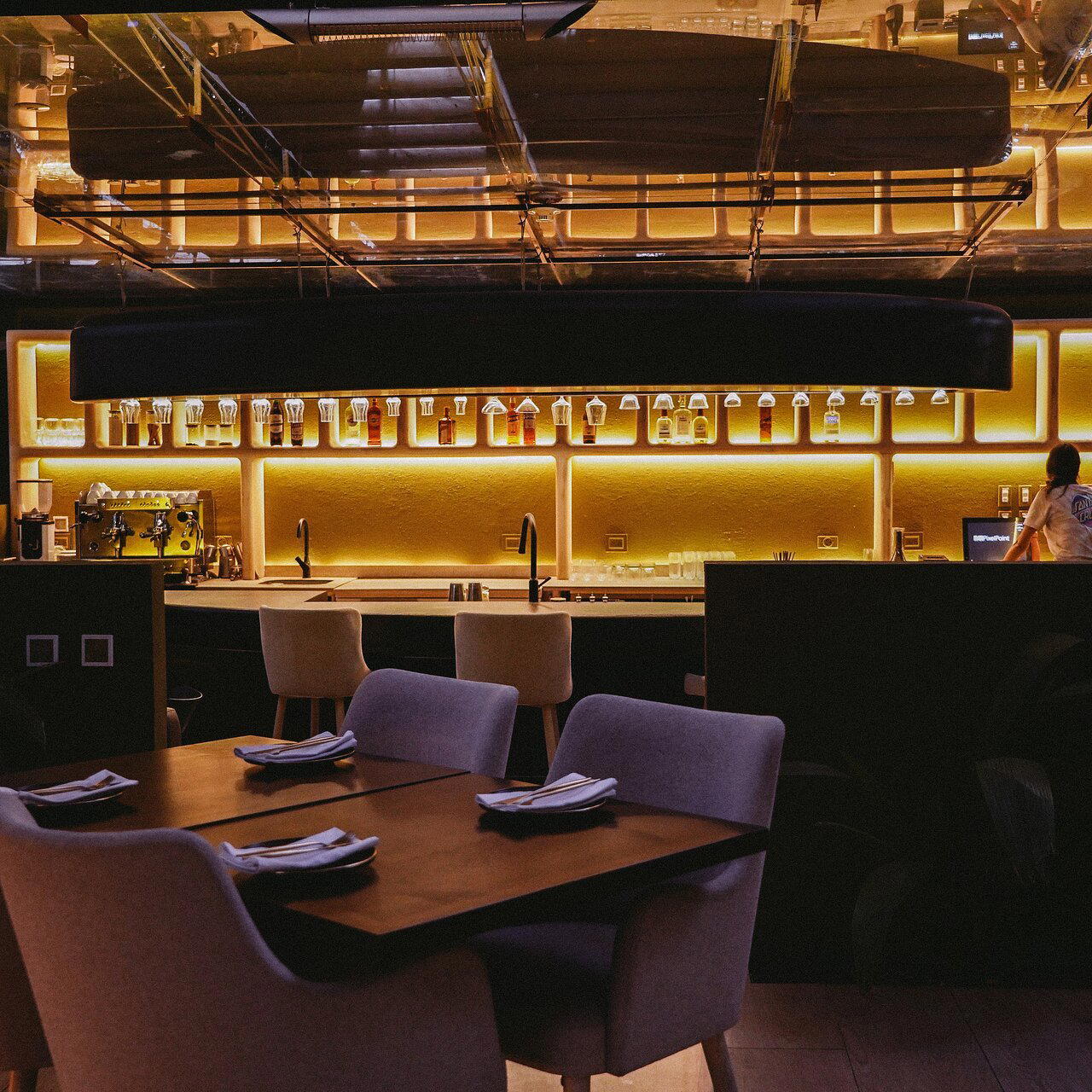
Modern elegance with earth-toned woods, soft golden lighting, and curated artistic details grounded in Andean culture.