Rincón de Francia occupies a quiet stretch of the Mariscal Sucre district, bringing a French culinary tradition to Quito's increasingly self-confident dining scene. The address on Vicente Ramón Roca places it within easy reach of the capital's broader restaurant corridor, where European cooking formats have found a durable foothold alongside the city's new wave of contemporary Ecuadorian kitchens.
Pearl is the En Primeur Club membership app — saves, bookings, and concierge access live there. Same editors, same standards.
- Address
- Vicente Ramón Roca 21 - 182 y, Quito 170143, Ecuador
- Phone
- +593993340209
- Website
- facebook.com
- Directions
- Get directions
 Saves & bookings on Pearl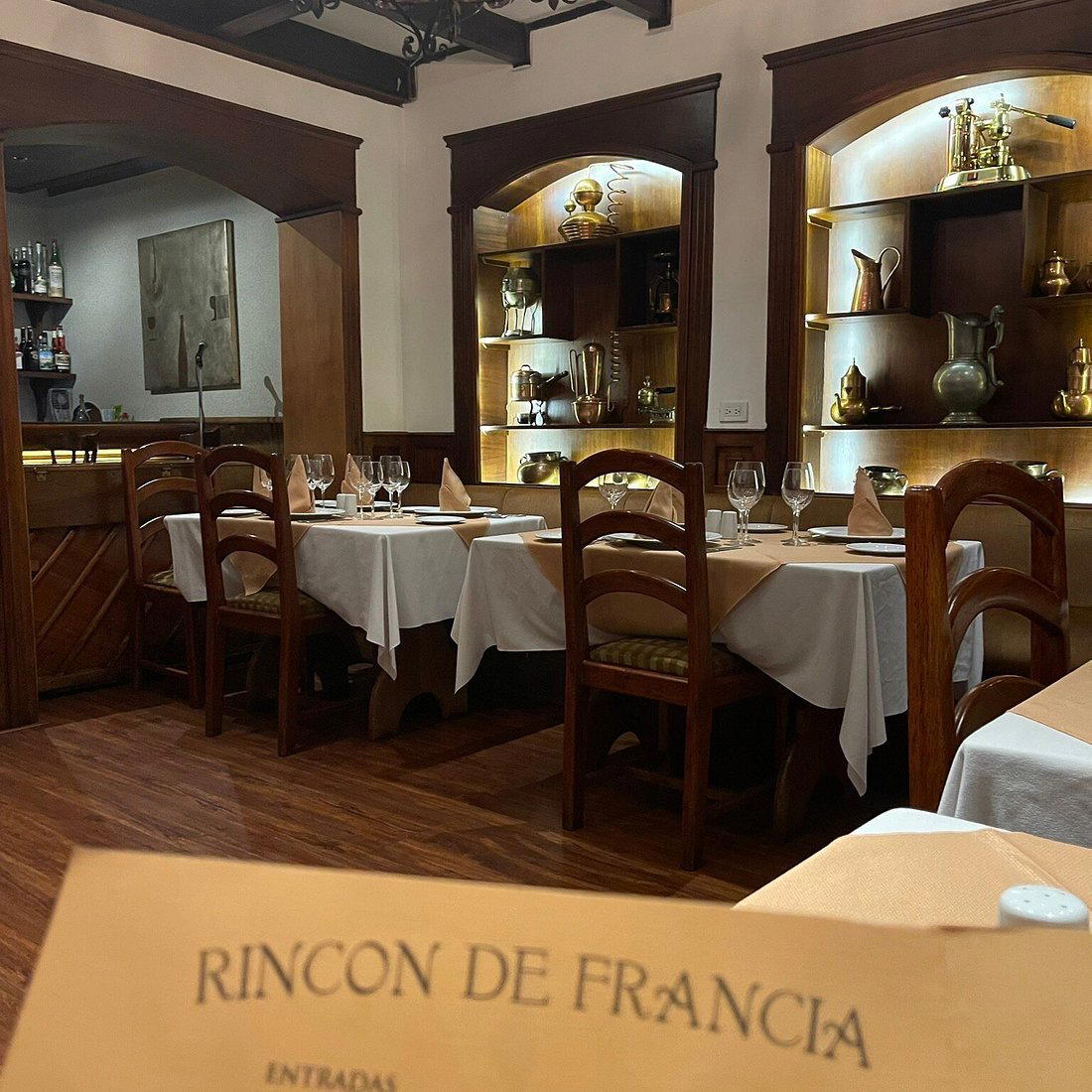
Where French Culinary Logic Meets the Andean Capital
Quito's dining room has changed substantially over the past decade. Rincón de Francia is a restaurant in Quito's Mariscal Sucre district, serving classic French with Ecuadorian touches at a price tier around USD 50 per person. The city that once measured culinary ambition almost entirely by European imports has developed a parallel track of modern Ecuadorian cooking, anchored by places like Nuema (South American) and Tributo, which draw directly from the country's biodiversity and highland ingredient traditions. Against that backdrop, a French address like Rincón de Francia occupies a specific cultural position: it represents not nostalgia but a continuing argument that classical European kitchen discipline still has something to say in a city at 2,850 metres above sea level.
French restaurants in Latin American capitals have historically operated in two modes. The first is the grand-hotel dining room, formal and somewhat removed from local life. The second is the neighbourhood restaurant with French bones but local adaptation, where the menu structure follows Gallic logic while the produce and the clientele are firmly rooted in the city around it. Rincón de Francia sits on Vicente Ramón Roca in the Mariscal Sucre district, an address that positions it within the latter mode: a street-level presence in a neighbourhood that has cycled through several identities and now holds a mix of long-running local institutions and newer concepts.
Reading the Menu as a Document
One revealing thing about any French restaurant operating outside France is not what it cooks but how it structures the meal. Classical French menu architecture, even in its simplified forms, carries an implicit argument about pacing, hierarchy, and the relationship between technique and ingredient. A starter built around a classical preparation signals that the kitchen is interested in the method as much as the material. A main course organised around protein, sauce, and accompaniment rather than around a single hero ingredient tells you something about the training tradition behind it.
At an address like Rincón de Francia, that structural logic carries particular weight in a city where the competing restaurants, from the contemporary Ecuadorian kitchens to places like Cardó and Casa Gangotena (Ecuadorian Fine Dining), often build their menus around narrative and provenance first, technique second. The French format reverses that priority, and in doing so it asks a different kind of attention from the diner.
This is not to suggest that French cooking in Quito is indifferent to its surroundings. The altitude alone affects how sauces reduce, how pastry behaves, and how alcohol cooks off in a braise. A kitchen working in the French tradition at this elevation must make continuous technical adjustments that a Paris-trained cook would not encounter in the same form. That kind of quiet, invisible problem-solving is part of what separates a working French restaurant in the Andes from a menu that merely lists French dishes.
The Mariscal Sucre Context
The Mariscal Sucre neighbourhood, broadly framed, has served as Quito's primary zone of international hospitality for several decades. It is where the city's accommodation stock for international visitors concentrates, where the density of restaurant formats is highest, and where culinary formats from Vietnamese to contemporary Andean coexist within a few blocks. A Vietnamese sandwich counter like Banh Mi operating in the same general area as a French dining room illustrates how compressed and varied the zone has become.
For a French restaurant to hold ground in this environment over time requires either consistent quality that builds a loyal local clientele, or a format specific enough that it does not compete directly with the city's broader casual dining options. Neighbourhood regulars in Mariscal Sucre tend to return to addresses that offer something the street-level market does not: a fixed style, a particular depth of wine list, or a cooking register that requires genuine technical investment. French cooking, at its workmanlike leading, can deliver on all three counts.
By contrast, the restaurants pulling harder on Ecuadorian identity, those working with heritage grains, endemic fish species, and preparations drawn from regional traditions, are making a different kind of argument. The two approaches are not in competition so much as in conversation. Quito is large enough, and its dining public sophisticated enough, that both can operate simultaneously. For comparison across Ecuador's broader restaurant geography, addresses like Le Petit Jardin in Cuenca Canton and Carlo & Carla in Samborondon Canton show how European culinary formats have planted themselves in different Ecuadorian cities with different results.
Planning a Visit
The restaurant is located at Vicente Ramón Roca 21-182, in the Mariscal Sucre district of Quito. The address is accessible by taxi from most central and northern Quito hotels, and the neighbourhood is walkable during daylight hours. Those travelling beyond Quito and curious about dining in the Galapagos Islands can find relevant context at Ecoventura - Galapagos in San Cristóbal and Evolution Restaurant in Galapagos Islands, while coastal options are covered by Red Crab in Guayaquil.
The restaurant is recommended for reservations and is open Monday through Saturday from 12 to 11 PM; it is closed on Sundays. Given that French restaurants in Quito at this address level tend to draw a mix of business lunchers and evening diners, midweek lunch is generally the period with relaxed atmosphere and particularly consistent kitchen focus.
For reference points in other cities where French-influenced or European fine dining traditions have been shaped by local context, Le Bernardin in New York City and 8 1/2 Otto e Mezzo Bombana (Hong Kong) in Hong Kong illustrate how European culinary frameworks travel and adapt at the high end. Closer to home, Hornados Dieguito in Los Chillos represents the deeply local alternative, rooted in Ecuadorian highland cooking with no European framing at all.
Awards and Standing
Comparable venues nearby, for context on price, style, and recognition.
| Venue | Cuisine | Price | Notes |
|---|---|---|---|
| RINCÓN DE FRANCIAThis venue — the venue you are viewing | Classic French with Ecuadorian Touches | $$$ | Not listed |
| Chez Jérôme | French-Ecuadorian Fusion Bistro | $$$ | La Pradera |
| Shibumi | Japanese-Ecuadorian Fusion Sushi | $$$ | Las Casas |
| La Briciola | Authentic Italian | $$ | Cumbaya, La Floresta |
| Zazu | Modern Peruvian-Ecuadorian Fine Dining | $$$$ | La Mariscal |
| Ciré | Avant-Garde Ecuadorian | $$$ | Cumbayá |
At a Glance
- Classic
- Cozy
- Elegant
- Business Dinner
- Special Occasion
- Date Night
- Historic Building
- Extensive Wine List
Current opening hours
- Monday
- 12–11 PM
- Tuesday
- 12–11 PM
- Wednesday
- 12–11 PM
- Thursday
- 12–11 PM
- Friday
- 12–11 PM
- Saturday
- 12–11 PM
- Sunday
- Closed
Hours can change for holidays and private events. Last verified .
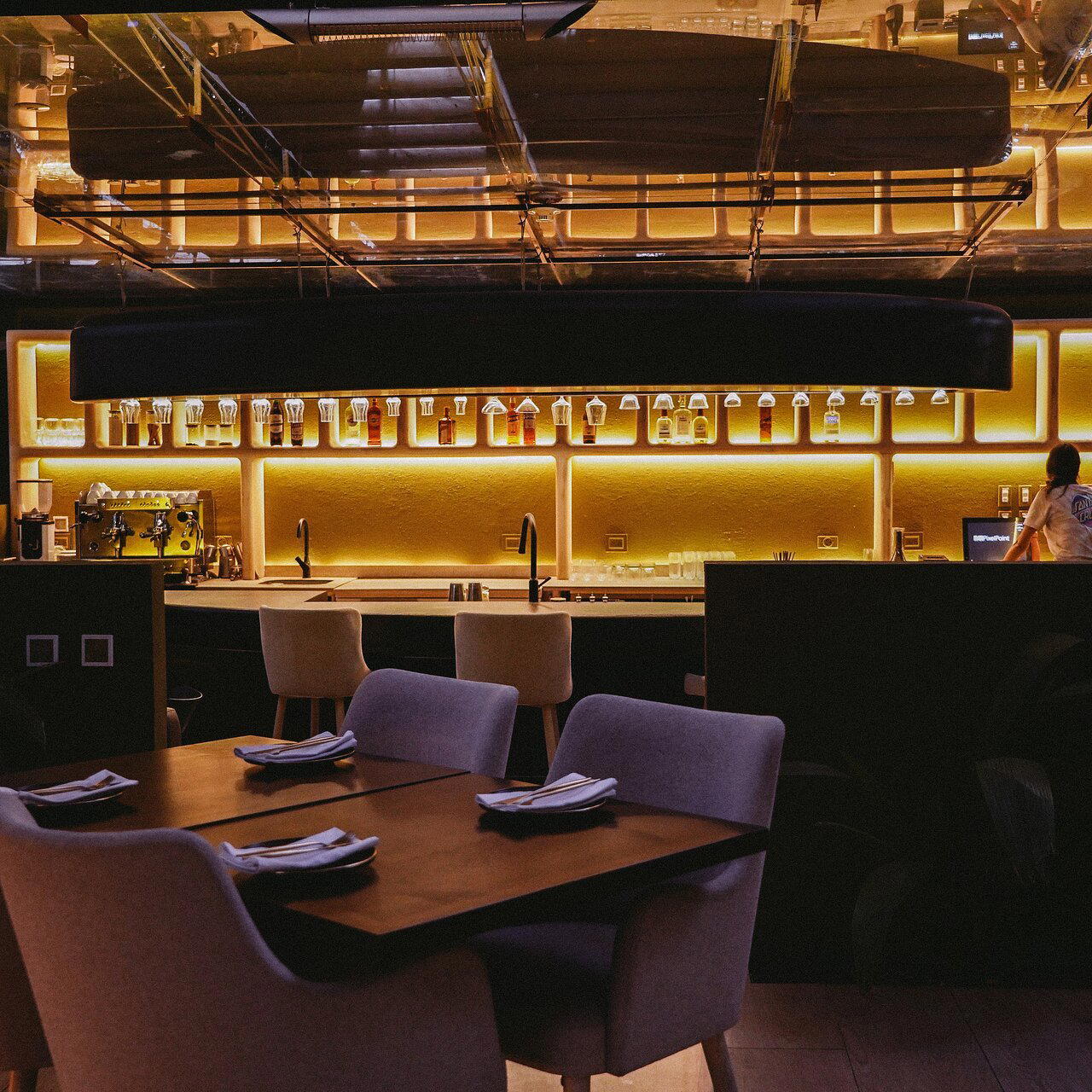
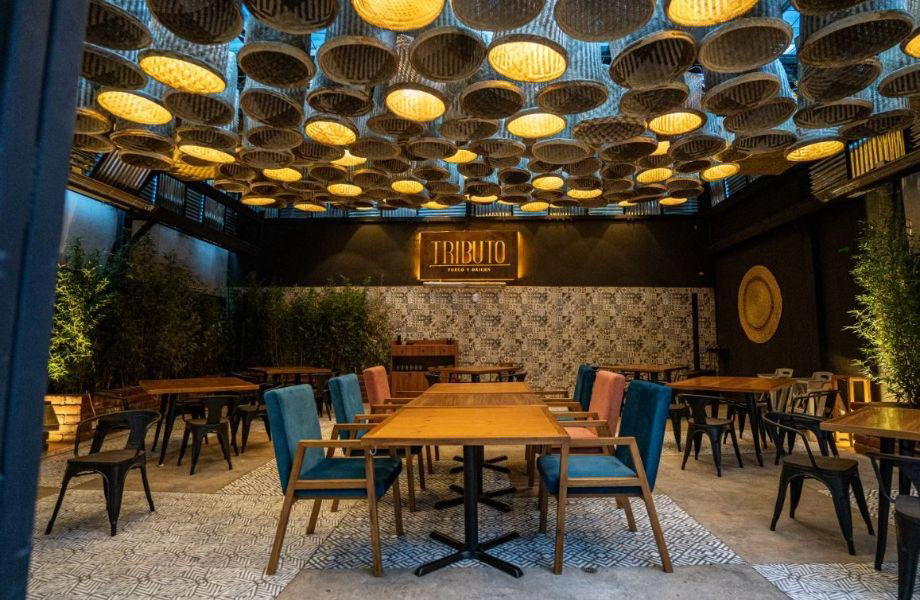
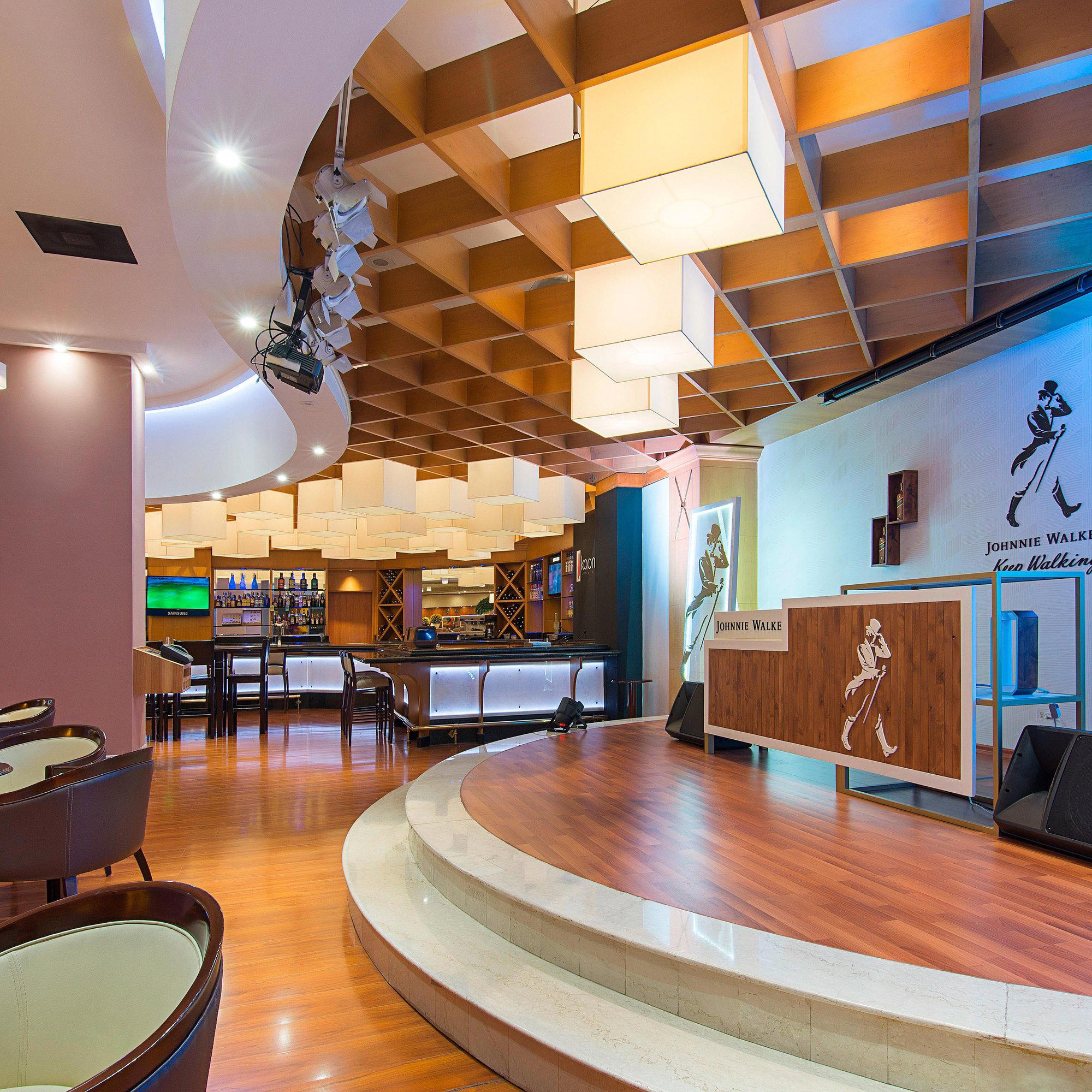
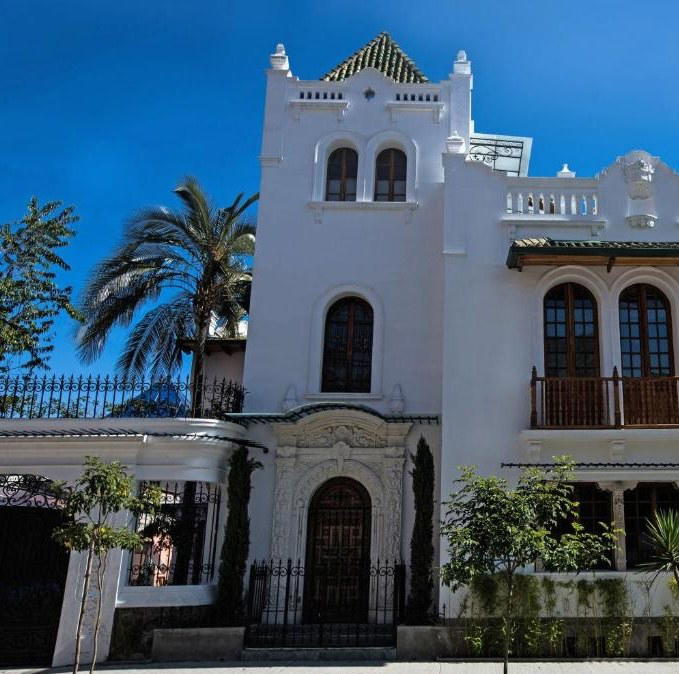
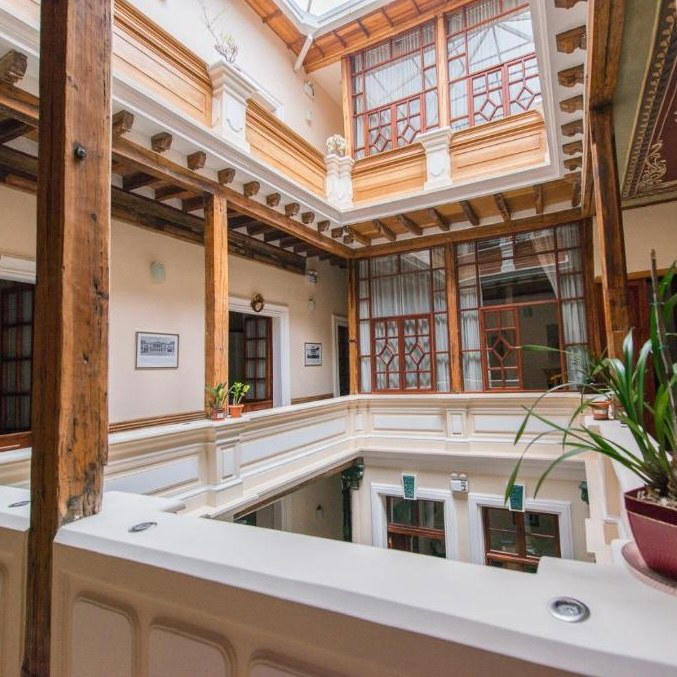
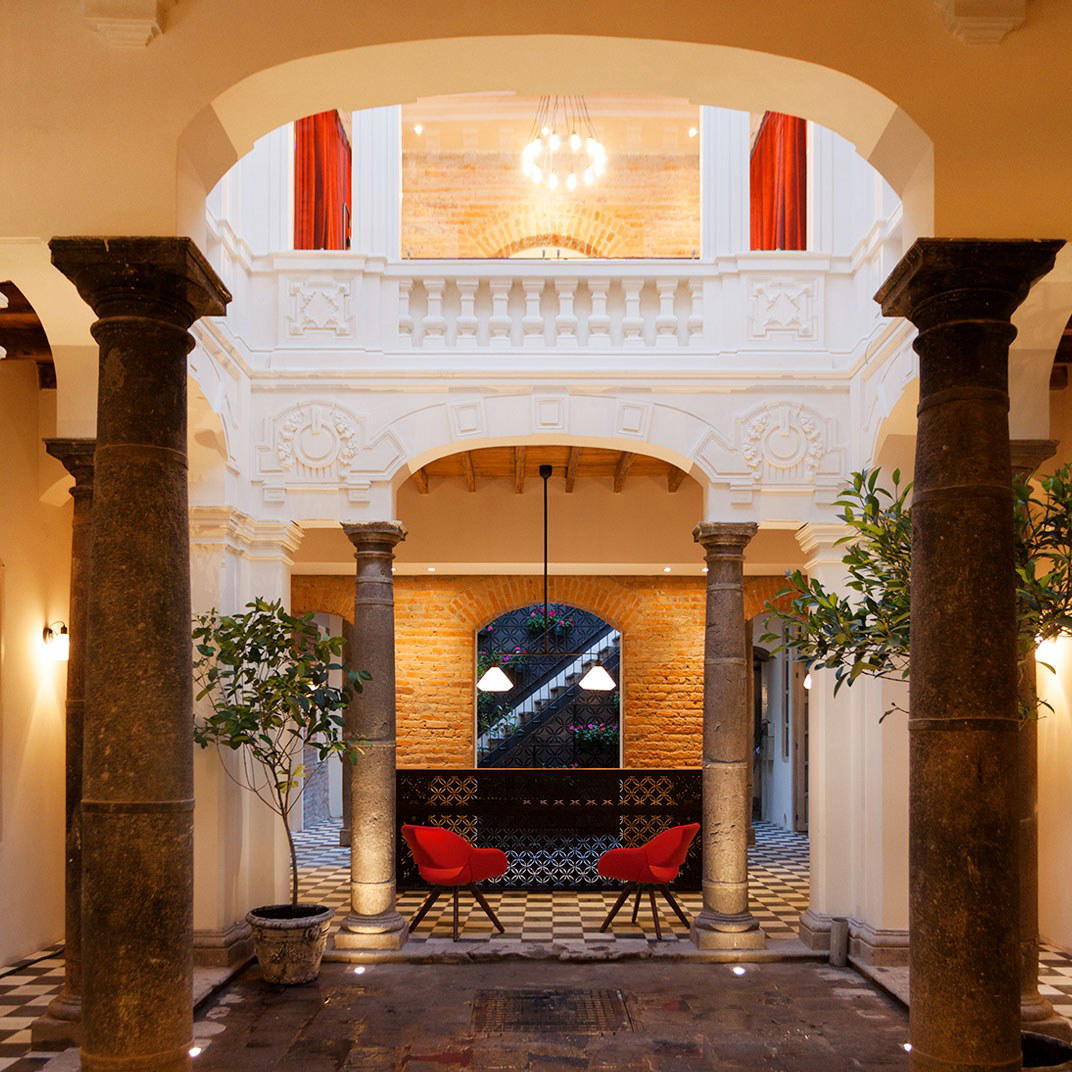
Simple, homely dining room with wood-panelled walls, arched windows, elegant decor, French oldies music, and a warm, distinguished atmosphere.