Our verdict
A Vietnamese sandwich counter on the Andalucía corridor in Quito's La Floresta district, Banh Mi brings one of Southeast Asia's most architecturally precise street foods to a city more often associated with Andean grain bowls and ceviche. The format is fast, the flavours direct, and the address places it within walking distance of Quito's most concentrated stretch of independent dining.

Pearl is the En Primeur Club membership app, where members save venues, book tables and use the concierge.
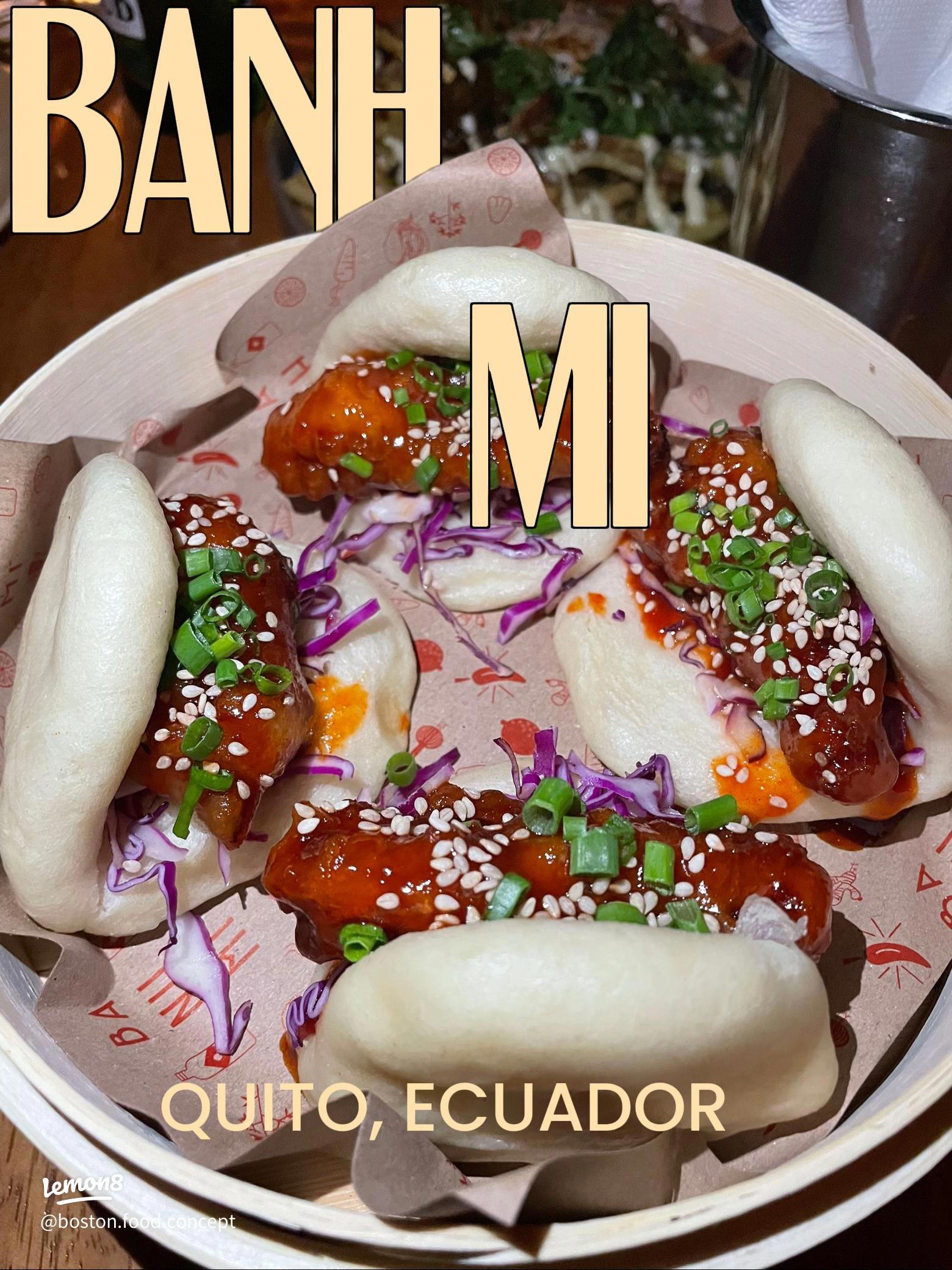
Vietnamese Street Food in the Andes: What Banh Mi Means in Quito
Quito's dining identity has been shaped, almost entirely, by altitude and geography. At 2,850 metres above sea level, the city's kitchens have historically centred on corn, potato, and highland protein, a culinary grammar built from what the Andes produce rather than what trade routes deliver. That makes a Vietnamese sandwich counter on Andalucía and Luis Cordero, in the heart of La Floresta, a genuinely interesting editorial data point. Bánh mì, as a format, is already a study in cultural collision: a French baguette adopted during colonial occupation and rebuilt by Vietnamese cooks into something categorically different, lighter, lacquer-bright, and balanced between fat, acid, and heat. To find it transplanted again, into a South American highland capital, is to watch a diaspora food continue its migration.
La Floresta is where Quito's most independent dining tends to concentrate. The neighbourhood sits northeast of the historic centre, between Mariscal Sucre's bar strip and the quieter residential zones further east. On Andalucía, you are within a short walk of some of the city's more considered restaurants: Nuema (South American) has been among the more talked-about addresses for contemporary Ecuadorian technique, and Tributo occupies a nearby position in the mid-tier with its own distinct register. Banh Mi sits in a different price and format category from both, operating closer to the fast-casual end of the spectrum rather than the tasting-menu tier where Cardó and others operate.
The Bánh Mì Format: What the Sandwich Actually Is
To understand what Banh Mi in Quito is serving, it helps to understand the sandwich's architecture. The Vietnamese bánh mì is not simply a filled baguette. The bread itself is typically thinner-crusted and airier than a French loaf, a product of adaptation to local wheat blends and baking conditions in Vietnam during and after the French colonial period. The interior is built in layers: a protein component (often pâté, pork belly, grilled chicken, or tofu in vegetarian versions), pickled daikon and carrot for acid, fresh cucumber and coriander for brightness, and sliced chillies for heat. Every element serves a structural role; remove one and the balance shifts noticeably. This is a sandwich designed with the precision of a composed dish, which is part of why it has travelled so well across food cultures globally.
In cities like Paris, London, and Melbourne, Vietnamese sandwich shops have moved from community-facing spots to broader mainstream recognition over the past fifteen years. In Latin American capitals, the format is less established, which places Banh Mi in Quito as part of a smaller, earlier wave of Vietnamese food penetrating Andean urban dining. The comparison set here is not Casa Gangotena (Ecuadorian Fine Dining) or Chez Jérôme; it is the handful of international-format counters and casual spots that have emerged in La Floresta as the neighbourhood's dining mix has broadened.
Where It Sits in Quito's Dining Spread
Quito's restaurant scene has developed unevenly across categories. At the high end, addresses like those in our full Quito restaurants guide reflect a growing appetite for technique-driven Ecuadorian cooking with international reference points. At the street and casual end, the city retains strong traditional formats: fritada, seco de pollo, and hornado remain the anchors of neighbourhood eating. Internationally influenced casual spots occupy a middle zone that has expanded as Quito's professional and expat populations have grown and as food travel has increased cross-pollination with Asian food cultures.
Bánh mì fits that middle zone efficiently. It is a fast, portable, affordable format that does not require service infrastructure, a wine list, or a reservation window. The address on Andalucía places it in a corridor where foot traffic from offices, universities, and neighbouring restaurants creates a natural lunchtime and mid-afternoon customer base. In this respect, its positioning in Quito mirrors what similar spots have done in Lima, Bogotá, and Buenos Aires, cities where Vietnamese sandwich counters have established small but consistent footholds in the past decade.
For readers planning a wider circuit of Ecuador's dining, context helps here. The country's food geography stretches from the Andean highlands of Quito down to the coastal kitchens of Guayaquil, where spots like Casa Julián in Guayaquil represent a different regional tradition built around seafood and tropical produce. Further out, the Galapagos offers its own distinct experience at properties like Pikaia Lodge in Galapagos Islands and Ecoventura - Galapagos in San Cristóbal. Banh Mi in Quito occupies the opposite end of that spectrum: urban, fast, and culturally hybrid rather than regionally rooted.
Planning a Visit
The venue sits at Andalucía y Luis Cordero N24-234, in La Floresta, a neighbourhood that is walkable from Quito's Mariscal zone and accessible by taxi or rideshare from the historic centre in under fifteen minutes depending on traffic. No booking infrastructure is listed, which is consistent with the fast-casual format; this is a walk-in spot. For the broader La Floresta dining circuit, pairing a visit here with dinner at one of the neighbourhood's more considered addresses makes logistical sense given the geographic concentration.
Frequently asked questions
Would Banh Mi be comfortable with kids?
A bánh mì counter format, which is what Banh Mi in La Floresta operates on, tends to be low-pressure and quick-turnover, making it a practical stop for families with children. The sandwich format requires no lengthy table service, and the neighbourhood around Andalucía y Luis Cordero is walkable and residential in character.
What's the vibe at Banh Mi?
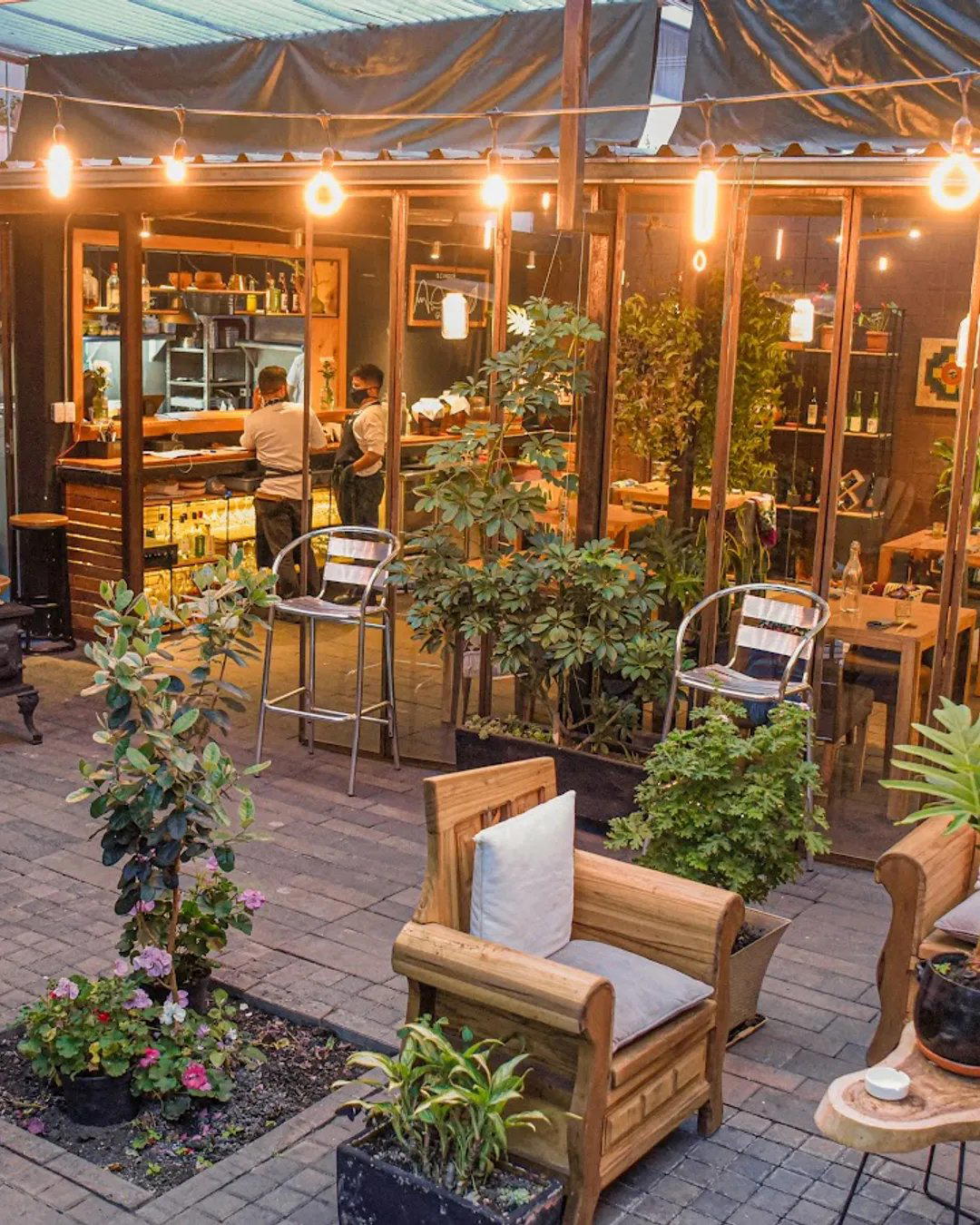
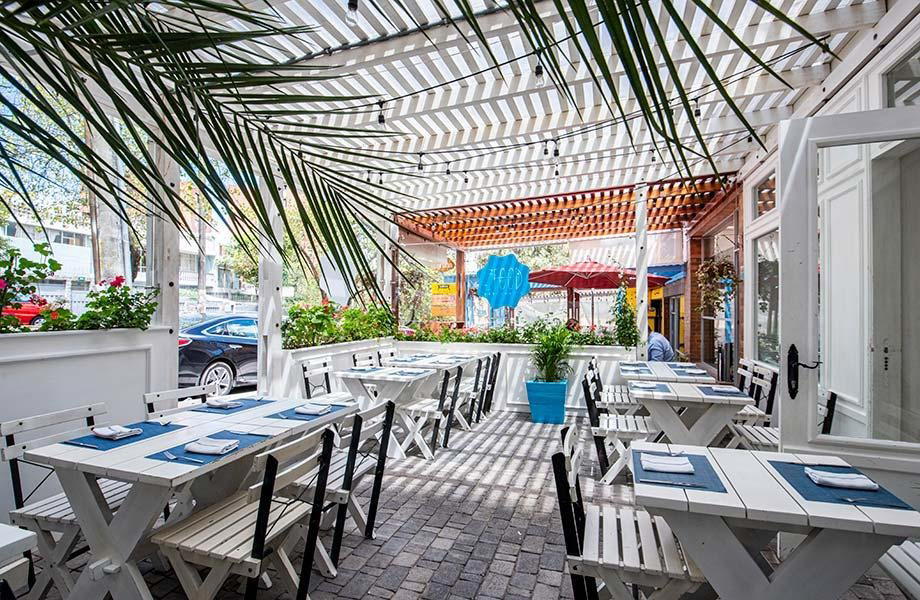
Banh Mi sits in La Floresta, one of Quito's more relaxed and arts-adjacent zones, walkable from the Mariscal area and frequented by locals alongside visitors. The bánh mì format itself signals a casual, counter-style operation rather than a sit-down dining room. Expect the pace and register of a neighbourhood sandwich spot, not a formal restaurant.
Is Banh Mi in Quito one of the few places in Ecuador serving authentic Vietnamese-style bánh mì?
Vietnamese cuisine has a minimal footprint in Ecuador compared to other immigrant food traditions, making a dedicated bánh mì spot in Quito an uncommon proposition in the country. Banh Mi operates at Andalucía y Luis Cordero N24-234 in La Floresta, positioning it as one of the rare addresses in Quito built around this specific Vietnamese street sandwich format. Whether it operates as a standalone counter, café, or hybrid is not fully documented, but the concept itself occupies a gap in Quito's international food offer.
What should I eat at Banh Mi?
The core product is the Vietnamese bánh mì: a short baguette built on a French-colonial bread tradition, typically filled with combinations of meat, pickled vegetables, fresh herbs, and chilli. Given the venue name and concept, the sandwich itself is the reason to visit.
Cost and Credentials
| Venue | Cuisine | Price | Awards |
|---|---|---|---|
| Banh MiThis venue (the venue you are viewing) | Asian Fusion with Local Ecuadorian Influences | $10–20 | Not listed |
| Nuema | Avant-Garde Ecuadorian Tasting Menu | $50–100 | World's 50 Best #61 · La Liste Top Restaurants |
| Zazu | Modern Peruvian-Ecuadorian Fine Dining | $100–150 | Relais Chateaux Award |
| Casa Gangotena | Modern Ecuadorian Mestizo Cuisine | $100–150 | Relais Chateaux Award |
| URKO | Modern Ecuadorian Tasting Menu | $50–100 | Not listed |
| Tributo | Modern Ecuadorian Steakhouse | Not listed | World's 50 Best #68 |
Continue exploring
More in Quito
Restaurants in Quito
All restaurants in Quito →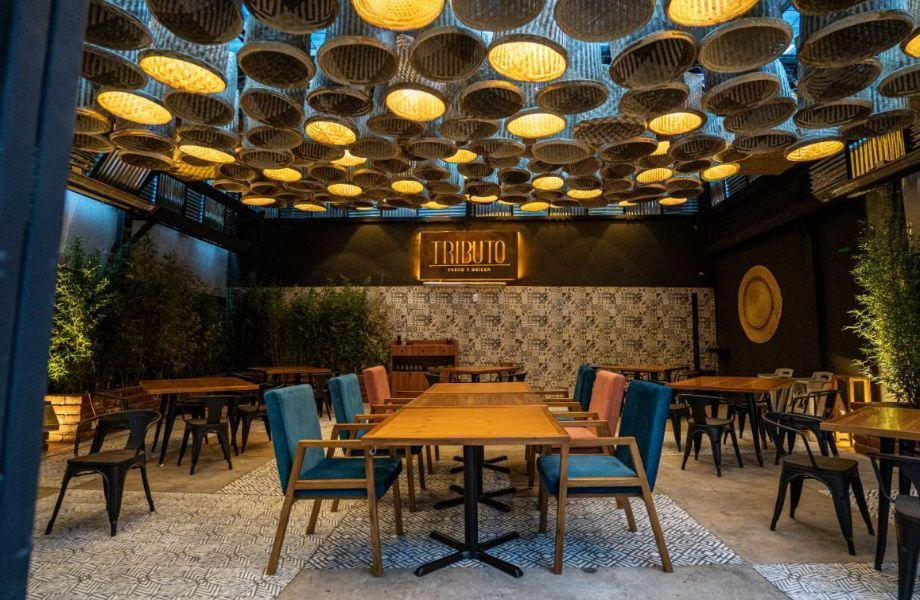
Details
- Lively
- Trendy
- Cozy
- Date Night
- Group Dining
- Casual Hangout
- Open Kitchen
- Craft Cocktails
- Local Sourcing
- A La Carte
- Full Bar
- Vegetarian Friendly
- Vegan Options
- Gluten Free Options
Current opening hours
- Monday
- Closed
- Tuesday
- 12:30–3:30 PM, 7–10:30 PM
- Wednesday
- 12:30–3:30 PM, 7–10:30 PM
- Thursday
- 1–3:30 PM, 7–11 PM
- Friday
- 1–3:30 PM, 7–11 PM
- Saturday
- 1–4:45 PM, 7–10:30 PM
- Sunday
- Closed
Hours can change for holidays and private events. Hours as of .
Light, airy, casual upscale atmosphere with personalized service.