Le Petit Jardin
On a quiet street in Cuenca's historic centre, Le Petit Jardin occupies a space where French-inflected cooking meets the produce rhythms of Ecuador's southern highlands. The restaurant sits within a dining scene shaped by altitude, indigenous agriculture, and a city that takes its colonial heritage seriously. For visitors building a picture of how Cuenca eats, it earns a place on the itinerary.
Pearl is the En Primeur Club membership app — saves, bookings, and concierge access live there. Same editors, same standards.
- Address
- Calle, De las Brevas, Cuenca 010150, Ecuador
- Phone
- +593968191518
- Website
- lepetitjardin.co
- Directions
- Get directions
 Saves & bookings on Pearl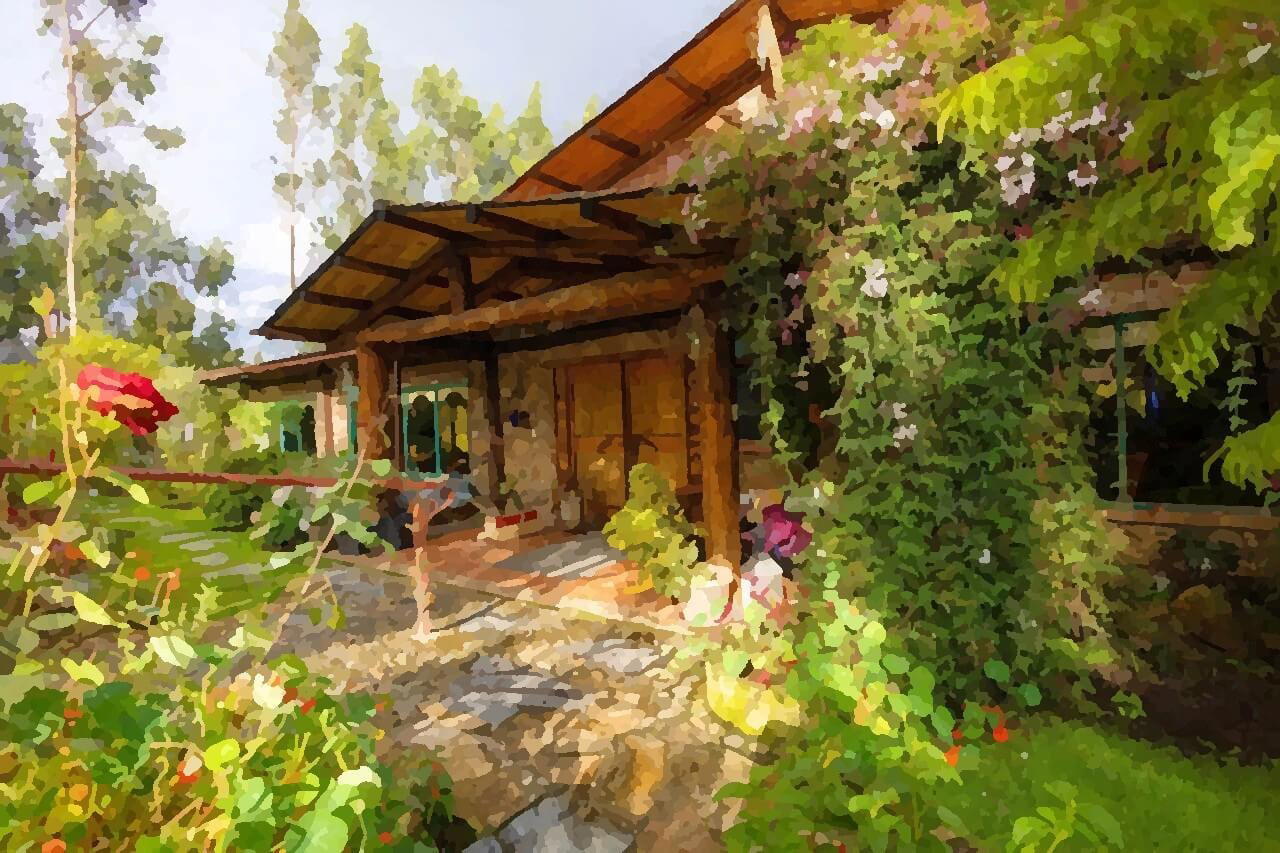
A Street in Cuenca, and What It Signals
Calle de las Brevas sits in the kind of Cuenca block where the pavement is worn smooth and the facades carry two or three centuries of paint decisions. The city's UNESCO-listed historic centre has a density of colonial architecture that few South American cities can match outside of Cartagena or Quito's La Ronda district, and the restaurants that settle into its courtyards and converted townhouses tend to absorb some of that character whether they intend to or not. Le Petit Jardin, at Calle, De las Brevas, Cuenca 010150, Ecuador, is a classical French bistro in Cuenca.
That tension, between the imported and the local, is where the more interesting restaurants in cities like Cuenca tend to operate. It is also where questions of ingredient sourcing become genuinely meaningful. At 2,500 metres above sea level, Cuenca sits in a highland basin that produces maize varieties, tubers, and dairy products substantially different from what arrives on plates at the coast. The challenge for any kitchen working in this register is deciding how much of that altitude-specific agriculture to foreground, and how much to treat as background infrastructure. The name Le Petit Jardin, French for "the small garden," hints at an orientation toward produce, toward the garden as origin point rather than decoration.
The Sourcing Logic of the Southern Highlands
Ecuador's food geography is compressed in ways that reward attention. The coast around Guayaquil, where Red Crab in Guayaquil operates in a seafood register shaped by Pacific proximity, is separated from Cuenca by just a few hours of road, but the agricultural profile shifts almost entirely. In the highlands, the relevant producers are dairy farmers working with Holstein and Creole cattle crosses, smallholders growing oca, mashua, and the dozens of potato varieties that Andean soil supports, and market vendors in the Plaza Rotary and Mercado 10 de Agosto who supply the city's kitchens with whatever the week's harvest yields.
A kitchen that takes those sources seriously does not operate on a fixed menu in the way that, say, Le Bernardin in New York City builds around a consistent seafood identity across seasons. Highland cooking, done with integrity, follows the market. What arrives on the table in July, when the maize harvest is fresh, will differ from what a kitchen can construct in February. This is not a limitation; it is the structural logic of cooking honestly in a place with real seasons and real agricultural cycles. Restaurants in Cuenca that ignore this tend to flatten their offer into something interchangeable with any other mid-range Latin American dining room. Those that work with it produce food that could only exist here.
The broader Ecuadorian fine dining conversation has been shaped by kitchens like Nuema in Quito, which has built its identity around Amazonian and Andean ingredient research. Cuenca's scene, smaller and less internationally profiled, carries similar potential without yet having produced a comparable flagship. Le Petit Jardin operates in that context: a city where the sourcing conditions are strong and the audience for serious cooking is growing, particularly among the significant expatriate community that has settled in Cuenca over the past decade.
Where Le Petit Jardin Sits in the Cuenca Dining Picture
Cuenca's restaurant scene has diversified considerably in recent years. Tiesto's and Dos Sucres each occupy distinct positions in the city's dining range, and Capitan&Co. adds another reference point for visitors trying to map where the scene sits overall. For a fuller orientation,
The restaurant's French inflection places it in a small cohort of Andean-city restaurants that have adopted European culinary frameworks while working with South American produce. This approach is more common in Bogotá and Lima than in Cuenca, which makes the format here something of an outlier rather than a genre entry. The question the kitchen must answer is whether the French framework illuminates the local ingredients or merely decorates them. Techniques like slow-braising, reduction-based saucing, and structured dessert preparation can do genuine work with highland dairy and tubers; they can also produce food that feels disconnected from the geography.
For comparison, consider how differently the sourcing question plays out elsewhere in Ecuador: Ecoventura - Galapagos in San Cristóbal and Evolution Restaurant in Galapagos Islands both operate in conditions where ingredient sourcing is constrained by island logistics rather than expanded by proximity to agricultural highlands. Cuenca's kitchens, by contrast, have access to particularly diverse smallholder produce in South America, which makes the sourcing decision an active choice rather than a logistical necessity.
Planning a Visit
The restaurant is addressed to Calle de las Brevas in Cuenca's historic centre, a pedestrian-friendly zone where most points of interest are reachable on foot from the major plazas. Cuenca's compact historic district means that combining a meal here with visits to the cathedral quarter or the Pumapungo museum is direct. The restaurant is open Saturday from 12 to 8 PM and Sunday from 12 to 6 PM; it is closed Monday through Friday. Reservations are recommended. Reservations are recommended.
Cuenca attracts a different traveller profile than Quito or Guayaquil. The city's expatriate community, drawn by cost of living and climate, creates a resident audience for restaurants operating above the street-food tier. That audience tends to eat earlier and more regularly than a purely tourist-dependent clientele, which stabilises demand for kitchens that might otherwise struggle with Ecuador's lean tourist shoulder seasons.
Comparison Snapshot
Comparable venues nearby, for context on price, style, and recognition.
| Venue | Cuisine | Price | Notes |
|---|---|---|---|
| Le Petit JardinThis venue — the venue you are viewing | Classical French Bistro | $$ | Not listed |
| Tiesto's | Traditional Ecuadorian Andean | $$$ | Historic Center |
| Capitan&Co. | Modern Ecuadorian Seafood | $$ | Cuenca Canton |
| Dos Sucres | Modern Ecuadorian | $$$ | Luis Moreno Mora |
| Red Crab | Ecuadorian Crabhouse Seafood | $$ | Urdesa |
| Banh Mi | Asian Fusion with Local Ecuadorian Influences | $$ | La Floresta |
Continue exploring
More in Cuenca Canton
Restaurants in Cuenca Canton
Browse all →
Hotels in Cuenca Canton
Browse all →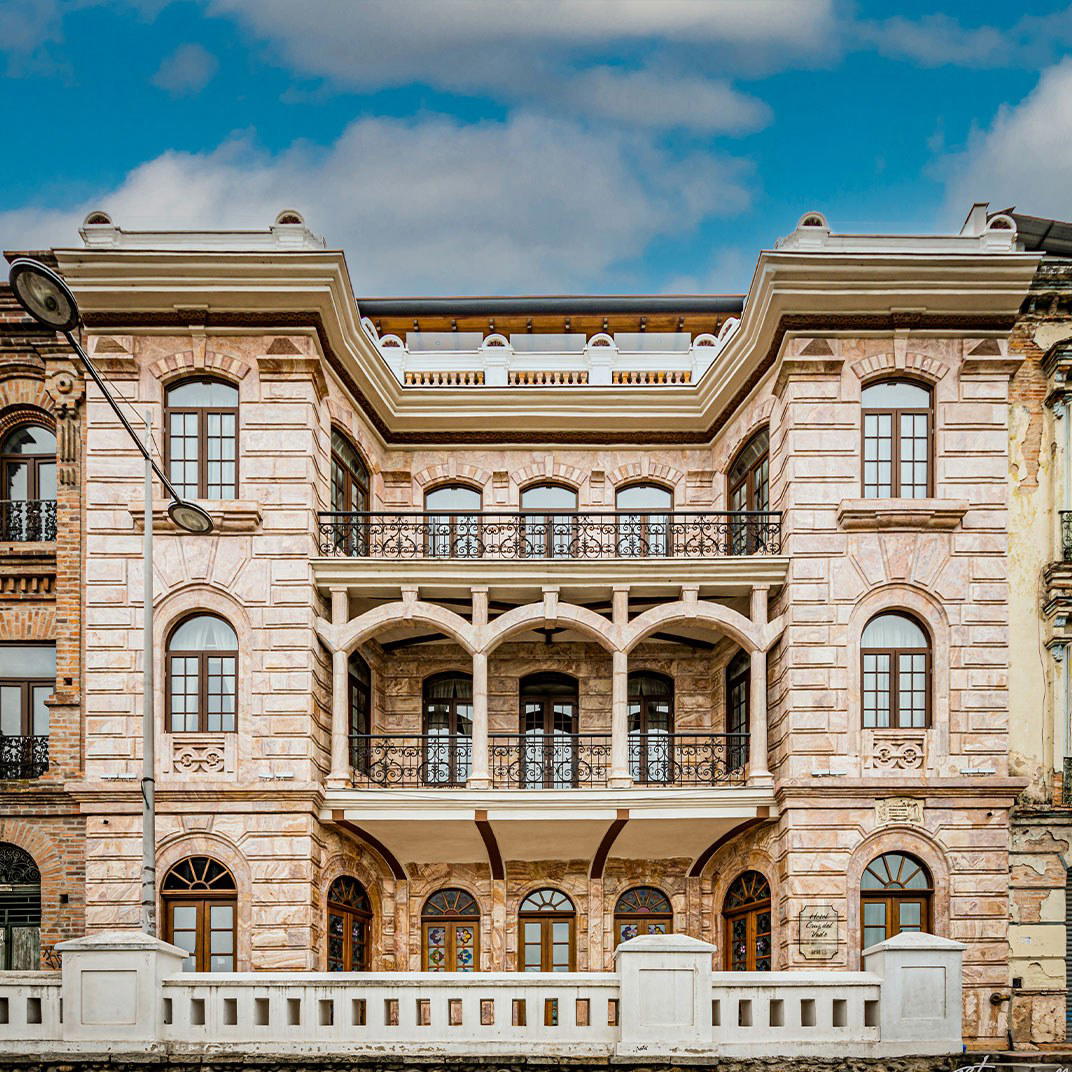
At a Glance
- Romantic
- Cozy
- Rustic
- Elegant
- Date Night
- Special Occasion
- Garden
- Local Sourcing
- Organic
- Garden
Current opening hours
- Monday
- Closed
- Tuesday
- Closed
- Wednesday
- Closed
- Thursday
- Closed
- Friday
- Closed
- Saturday
- 12–8 PM
- Sunday
- 12–6 PM
Hours can change for holidays and private events. Last verified .
Rustic chic with tranquil, intimate garden atmosphere.