Solvind sits at Spåkenesveien 281 in Rotsund, a fjordside settlement in the far north of Troms county where the Lyngen Alps drop sharply into salt water. This corner of Norway places any kitchen in immediate proximity to some of the country's most unmediated ingredients: Arctic cod, reindeer, foraged coastal plants, and cold-water shellfish. For travellers already tracking the New Nordic route through Norway, Rotsund represents the outermost edge of that circuit.
Pearl is the En Primeur Club membership app — saves, bookings, and concierge access live there. Same editors, same standards.
- Address
- Spåkenesveien 281, 9153 Rotsund, Norway
- Phone
- +4790665768
- Website
- lyngen-north.com
- Directions
- Get directions
 Saves & bookings on Pearl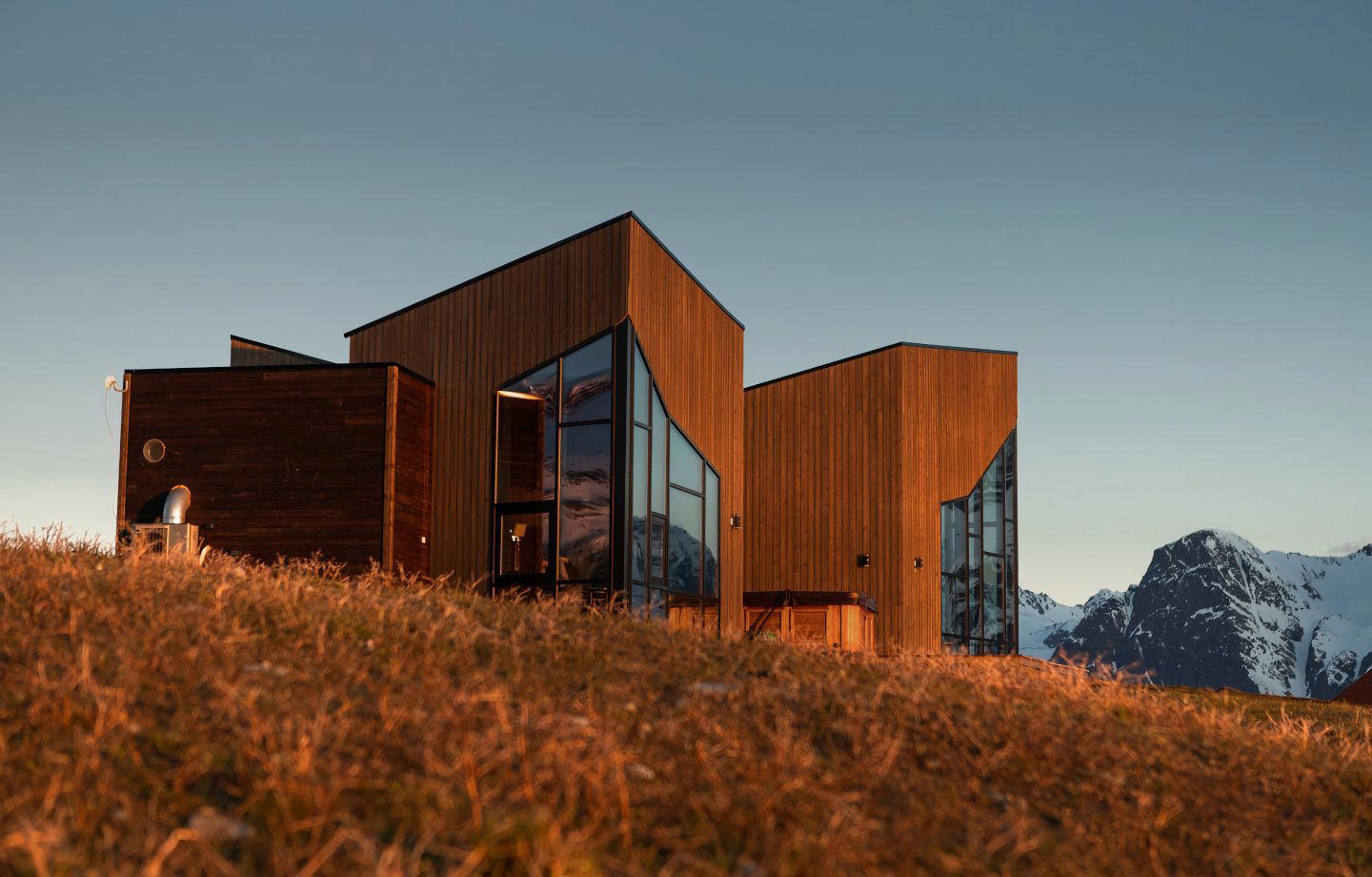
Where the Lyngen Fjord Sets the Menu
The drive to Rotsund along the E6 corridor through Troms county is itself an argument for why northern Norwegian cooking operates differently from the country's city-based fine-dining tier. The Lyngen Alps run parallel to the road, their snowfields visible well into summer, and the fjord below them carries water cold enough to slow the metabolism of everything that lives in it. That biological fact, not any chef's philosophy, is why fish and shellfish from this stretch of coastline carry a density of flavour that kitchens further south have to work to approximate. Solvind, at Spåkenesveien 281 in Rotsund, sits inside that geography rather than adjacent to it.
Norway's headline dining addresses — Maaemo in Oslo, RE-NAA in Stavanger, FAGN in Trondheim — operate from urban bases and source northward, building supply chains to reach Arctic ingredients. A kitchen in Rotsund has no need for that infrastructure. The ingredient is already there. That proximity is not a marketing point; it is a structural fact that shapes what ends up on the plate and what the cook is required to do to justify their intervention.
The Arctic Sourcing Condition
Northern Troms sits above 69 degrees north latitude, placing it inside the zone where seasonal extremes shape everything edible. The midnight sun runs from late May into late July; winter brings polar night from late November through January. These conditions produce ingredients that behave differently at the cellular level: berries with higher sugar concentration from slow ripening, fish with refined fat content from feeding in cold water, root vegetables that convert starch to sugar under frost. Kitchens in this zone that pay attention to those signals cook differently than kitchens that source the same ingredients from further away.
The broader New Nordic movement, which reached its formal articulation in the early 2000s through the Copenhagen Manifesto and venues like Noma, placed foraging, seasonal discipline, and hyper-local sourcing at the centre of Nordic cuisine's claim to global relevance. In Norway, that argument is made most forcefully not in the tasting-menu rooms of Oslo but in places like Rotsund, where the supply chain has no intermediate steps. The same principle drives some of the more compelling coastal operators elsewhere in northern Norway: Anita's Sjomat in Lofoten and Fiskekrogen in Henningsvaer both work within that logic of minimal distance between sea and kitchen.
Rotsund in the Northern Norway Dining Circuit
Rotsund is not a dining destination in the way that Reine or Svolvaer function on the Lofoten circuit. It is a settlement, not a town, and the visitors who reach it are generally there for the landscape: ski touring on the Lyngen Peninsula in winter, hiking or fjord kayaking in summer, and the aurora in the shoulder seasons. That visitor profile, self-directed, outdoors-oriented, comfortable with remoteness, is exactly the audience for which a kitchen built around honest local ingredients makes the most sense. There is no expectation of theatrical service or international wine programmes. The demand is for food that is coherent with the place.
That context places Solvind in a different competitive set than the tasting-menu tier that runs from Gaptrast in Bergen through to Under in Lindesnes. It belongs, instead, to the category of northern Norwegian establishments where geography does the editorial work: places that justify themselves through location and ingredient honesty rather than through award accumulation. Further north, Aurora Restobar in Kirkenes operates under similar conditions at the Russian border. Closer to hand, Umami Harstad in Harstad and Brasserie 8622 in Mo i Rana represent the more town-based version of northern Norwegian hospitality.
What Ingredient Proximity Actually Changes
There is a version of northern Norwegian cooking that performs its geography: dried fish arrangements, moss garnishes, birch smoke applied theatrically. Then there is the version where the sourcing simply produces better raw material and the kitchen's job is restraint. The distinction matters because visitors who travel as far as Rotsund generally have enough travel experience to recognise the difference. The Lyngen fjord produces skrei-season cod, Arctic char, brown trout, and cold-water crab. Reindeer herding by Sami communities in the surrounding Troms highlands means that meat, when it appears, carries provenance that urban menus can only reference at a distance.
For a useful frame of reference on how the highest-tier Norwegian kitchens handle similar sourcing narratives, Hardanger House in Jondal shows how a fjord-adjacent property builds a coherent food and hospitality identity around regional ingredients without overreaching toward fine-dining formats. At the opposite end of ambition, Maaemo's three Michelin stars are partly a monument to how far that sourcing philosophy can be pushed when combined with technical rigour and a metropolitan audience willing to pay for it.
Planning Your Visit
Reaching Rotsund requires either driving the scenic E6 north from Tromsø, approximately 90 kilometres, or combining a flight to Tromsø with a rented car. There is no rail service to this part of Troms county, and the settlement has no accommodation density comparable to Lofoten's tourist infrastructure. Travellers building an itinerary around the Lyngen Peninsula typically base themselves in Lyngseidet or use Tromsø as a hub. Rotsund sits on the eastern shore of the Lyngen fjord, reachable via the Lyngen–Olderdalen ferry if approaching from the south. The address, Spåkenesveien 281, places Solvind on the road running along the fjord shore.
Seasonal timing matters significantly here. Winter visits align with northern lights activity and the Lyngen ski-touring season, which draws an international alpine crowd from January through April. Summer visits, particularly during midnight sun weeks in June and July, produce a completely different landscape reading. Both seasons offer distinct ingredient profiles from the surrounding land and water. Those planning a broader sweep of northern Norway's more remote dining options might also add Karoline Restaurant in Ramberg, Underhuset Restaurant in Reine, and Børsen Spiseri in Svolvaer into the wider Lofoten leg of the trip. Our full Rotsund restaurants guide covers the local options in more detail. For travellers curious about how the New Nordic sourcing argument translates into a very different urban context, Le Bernardin in New York City and Atomix in New York City illustrate how kitchens in high-density markets build their own versions of ingredient-first discipline. The Experience Restaurant in Steinkjer offers another mid-Norway point of comparison for regional-ingredient cooking outside the major city circuits.
Continue exploring
More in Rotsund
Restaurants in Rotsund
Browse all →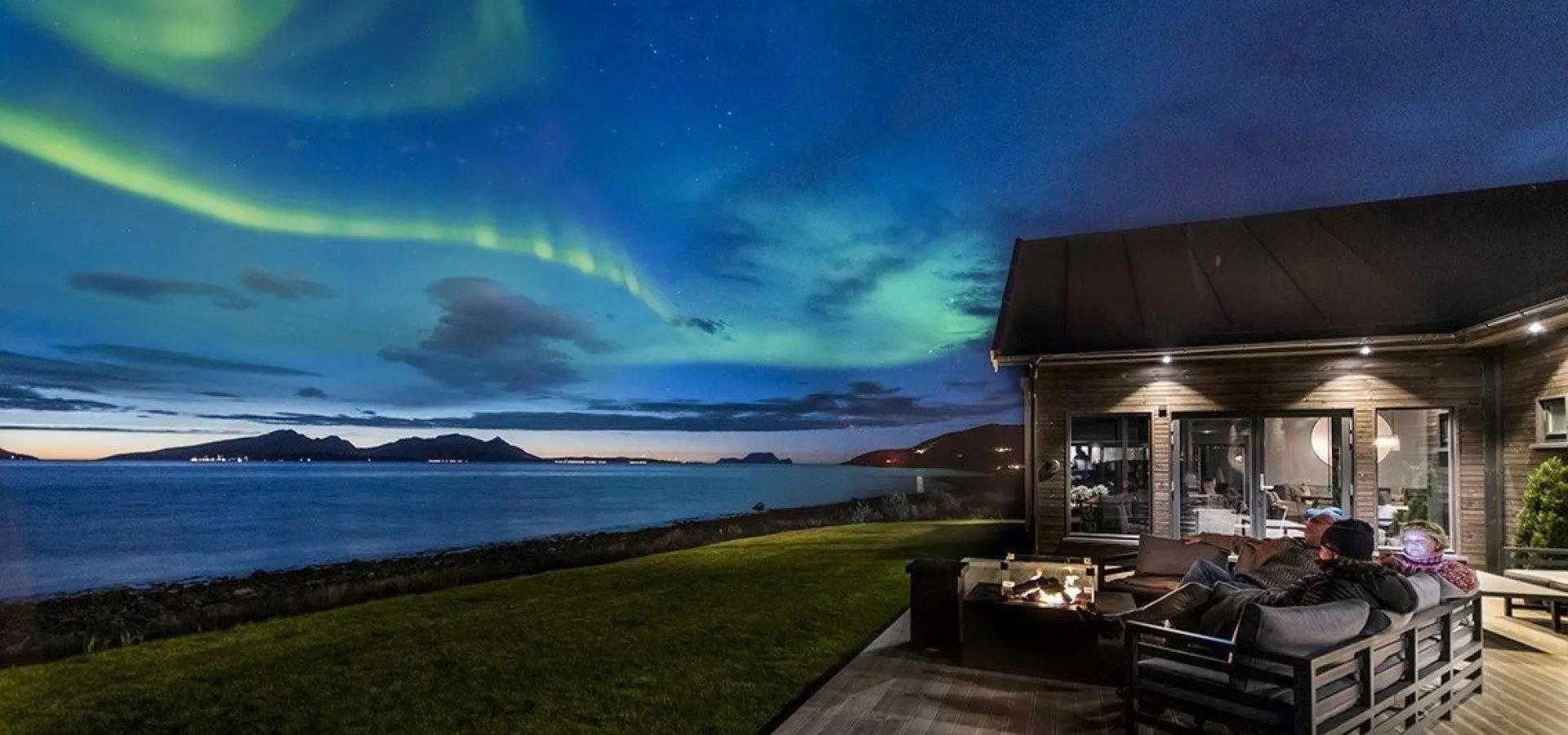
At a Glance
- Cozy
- Scenic
- Rustic
- Special Occasion
- Date Night
- Waterfront
- Panoramic View
- Hotel Restaurant
- Extensive Wine List
- Local Sourcing
- Waterfront
- Mountain
Current opening hours
- Monday
- Closed
- Tuesday
- Closed
- Wednesday
- Closed
- Thursday
- Closed
- Friday
- Closed
- Saturday
- 5–10 PM
- Sunday
- 5–10 PM
Hours can change for holidays and private events. Last verified .
Cozy atmosphere with fireplace, comfortable seating, and panoramic fjord views.
Know Before You Go
- Getting there
- Spåkenesveien 281, 9153 Rotsund, Norway