
Tabelog 100 #40
Our verdict
Solono brings Kyoto’s craft-food seriousness to Neapolitan pizza without treating it as novelty. Its Tabelog Pizza 100 selection for 2025 and compact house-restaurant format place it in a small local category: casual in price, exacting in method, and more useful to travelers who want Kyoto beyond kaiseki and temple-district dining.

Pearl is the En Primeur Club membership app, where members save venues, book tables and use the concierge.
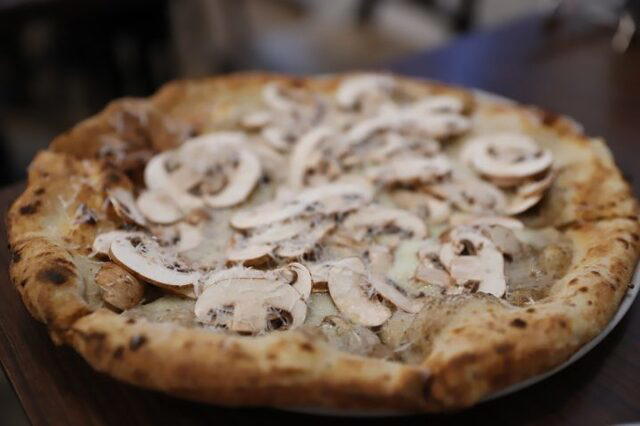
The menu
What to order
- Margherita pizza
- Pistachio pizza
- Seasonal fruit-topped pizzas
- Buffalo mozzarella pizza
From the street, the signal is a focused casual restaurant rather than ceremony: a Kyoto dining room direct enough to pull attention before the menu does. Kyoto trains travelers to look for refinement in counters, tea rooms, and seasonal Japanese cooking, but its contemporary casual dining is just as revealing. Pizza here is not an imported afterthought. In serious hands, it becomes another Kyoto lesson in restraint and timing.
Solono belongs to that quieter strand of the city’s dining culture, where the room is modest, the format direct, and the technical claim sits in the cooking rather than in performance. Its selection for Tabelog Pizza 100 in 2025 gives it a measurable signal in a category easily underestimated. Kyoto’s luxury reputation can make casual restaurants feel secondary, but this is where the city shows range: a pizza and Italian specialist can sit in the same day’s itinerary as wagashi, sake, or a formal Japanese meal without compromise.
Kyoto's casual dining has grown past the kaiseki shorthand
The common Kyoto food itinerary still leans on old forms: kaiseki, tofu, soba, matcha sweets, temple-adjacent set meals. That view is not wrong, but incomplete. Across Kyoto, a more flexible eating pattern is supported by office workers, residents, and domestic travelers who do not need a postcard version of the city. Solono fits that pattern better than the usual tourist narrative.
The useful comparison is not with Kyoto’s formal Japanese dining but with small-format specialists. Other Kyoto dining rooms point to a city habit: tightly focused restaurants that do not need hotel polish to earn repeat attention. Against comparison venues such as Annee, fiveran, and Marukyu Koyamaen Nishinotouin ten, the appeal is less a broad menu than a narrow craft proposition. Solono’s Tabelog score of 3.69 and Pizza 100 recognition place it in a serious casual tier, not a generic lunch stop.
There is also a price-culture point. Kyoto can ask high premiums for atmosphere, lineage, and scarcity, yet some of its most instructive eating happens in the everyday bracket. Pizza, bread, sweets, and tea shops often act as pressure valves: lower-commitment meals where craft remains visible. For travelers building a day across Kyoto, this can make more sense than forcing another formal reservation between temples, galleries, and bars.
The oven is the argument, not the décor
Pizza succeeds or fails on compression: dough, heat, timing, and moisture, resolved quickly. That makes it unusually compatible with Kyoto’s craft instincts. The city understands narrow margins. A tea sweet, bowl of noodles, or piece of grilled fish can be ruined by excess; pizza has the same intolerance for overstatement. Solono’s public identity sits in the pizza and Italian lane. That detail defines the category without pretending the format has become something else.
The format explains why the room matters. A focused Kyoto restaurant changes how pizza is read: preparation is not hidden production but part of the meal’s logic. This is different from a broad casual restaurant, where pizza can become one option among many. Here, the appeal keeps attention on the craft category itself. It is casual, but not loose.
Kyoto’s non-Japanese dining has matured because it no longer needs to announce foreignness. Italian cooking, coffee, and bread culture have been absorbed into daily rhythm across the city. That is why a pizza specialist can feel more revealing than another luxury dining room: it shows how Kyoto adapts an outside form through discipline rather than spectacle. The measure is not novelty, but whether the form can survive Kyoto’s appetite for precision.
How to place Solono in a Kyoto day
The strongest use case is a Kyoto meal when the rest of the day already carries cultural weight. After temples or shopping, or before a bar crawl, pizza gives the schedule breathing room without becoming filler. For a broader city plan, Our full Kyoto restaurants guide maps the wider dining field, while Our full Kyoto bars guide, Our full Kyoto hotels guide, Our full Kyoto experiences guide, and Our full Kyoto wineries guide frame the rest of the trip.
The editorial case for Solono is specific: it represents Kyoto’s evolution from heritage-only dining destination to a city where casual specialists carry serious technique. That makes it more interesting than a default Italian meal and less demanding than the city’s formal counters. Travelers seeking a broader read on Japanese casual eating can triangulate it with unnamed everyday Kyoto dining, different examples of appetite shaped by place.
For national context, compare how regional casual formats shift across Japan: focused restaurants in Osaka, Kumamoto, Kawasaki, Sapporo, Kamakura, and Tokyo each show how local habits can carry without grand dining-room language. Even outside Japan, casual Japanese food culture often travels well when the format stays disciplined.
The verdict is practical, not romantic. Solono is for travelers who know Kyoto’s food intelligence is not confined to expensive Japanese meals. The 2025 Pizza 100 selection is the trust signal; the pizza and Italian format is the reason to care; the Kyoto setting makes it easy to use. In a city often reduced to tradition, this is a concise example of how Kyoto absorbs outside forms and makes them behave with local control.
Frequently asked questions
Is Solono better for a quiet night or a lively one?
Solono suits a quieter meal better than a loud night out. The appeal is focused and casual rather than raucous.
How do I find Solono?
Solono is located in Kyoto.
What's the price range at Solono?
Pricing at Solono is listed as JPY 1,000 - JPY 1,999.
How hard is it to get a table at Solono?
Its Tabelog Pizza 100 2025 selection makes advance planning sensible, especially for travelers building a Kyoto dining day around specific stops.
What makes Solono worth seeking out?
Solono was selected for Tabelog Pizza 100 2025, and the draw is a focused pizza and Italian format. The price range, JPY 1,000–JPY 1,999, keeps it accessible for Kyoto.
What if I have allergies at Solono?
Diners with allergies should plan carefully at Solono and confirm directly in advance, especially because the public category is pizza and Italian.
Side-by-Side Snapshot
Comparable venues by price and recognition.
| Venue | Cuisine | Price | Awards | Notes |
|---|---|---|---|---|
| SolonoThis venue (the venue you are viewing) | Neapolitan Pizza & Italian in a Kyoto Machiya House | $20–30 | Tabelog 100 #40 | Not listed |
| Ristorante Noro | Italian with Japanese and French influences | $50–100 | Tabelog 100 #90 | Nakagyō |
| caffellatte | Italian Gelato Cafe | Not listed | Tabelog 100 #31 | Ukyō |
| Il Ghiottone | Modern Italian with Kyoto influences | $50–100 | Tabelog 100 #44 · We're Smart World 2 Radishes | Higashiyama |
| En Boca (エンボカ 京都) | Italian-Japanese wood-fired pizza & vegetables | $50–100 | Tabelog 100 #53 | Nakagyo-ku |
| L'Oiseau Bleu | Vegan French Bakery | Not listed | Not listed | Kita-ku |
Recognition history
Dated appearances from independent guides and award organizations, with the underlying list record or original source where available.
Tabelog 100 #40 · No. 40
Tabelog · Tabelog 100 - Pizza - 2025
Continue exploring
More in Kyoto
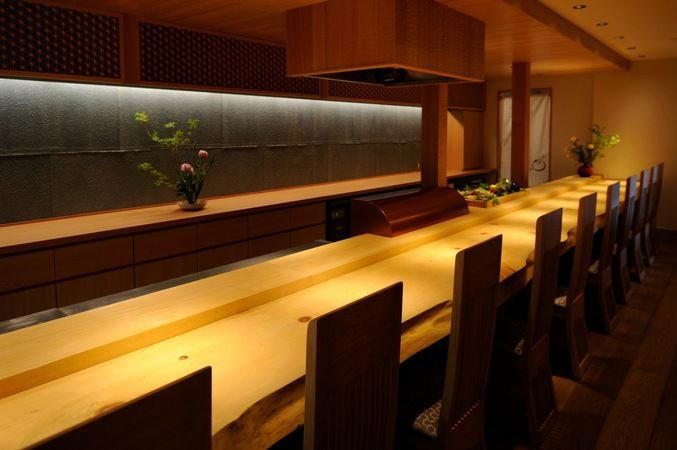
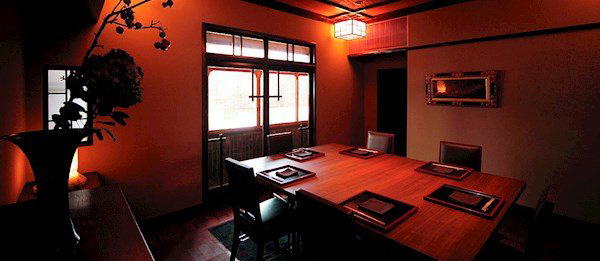
Restaurants in Kyoto
All restaurants in Kyoto →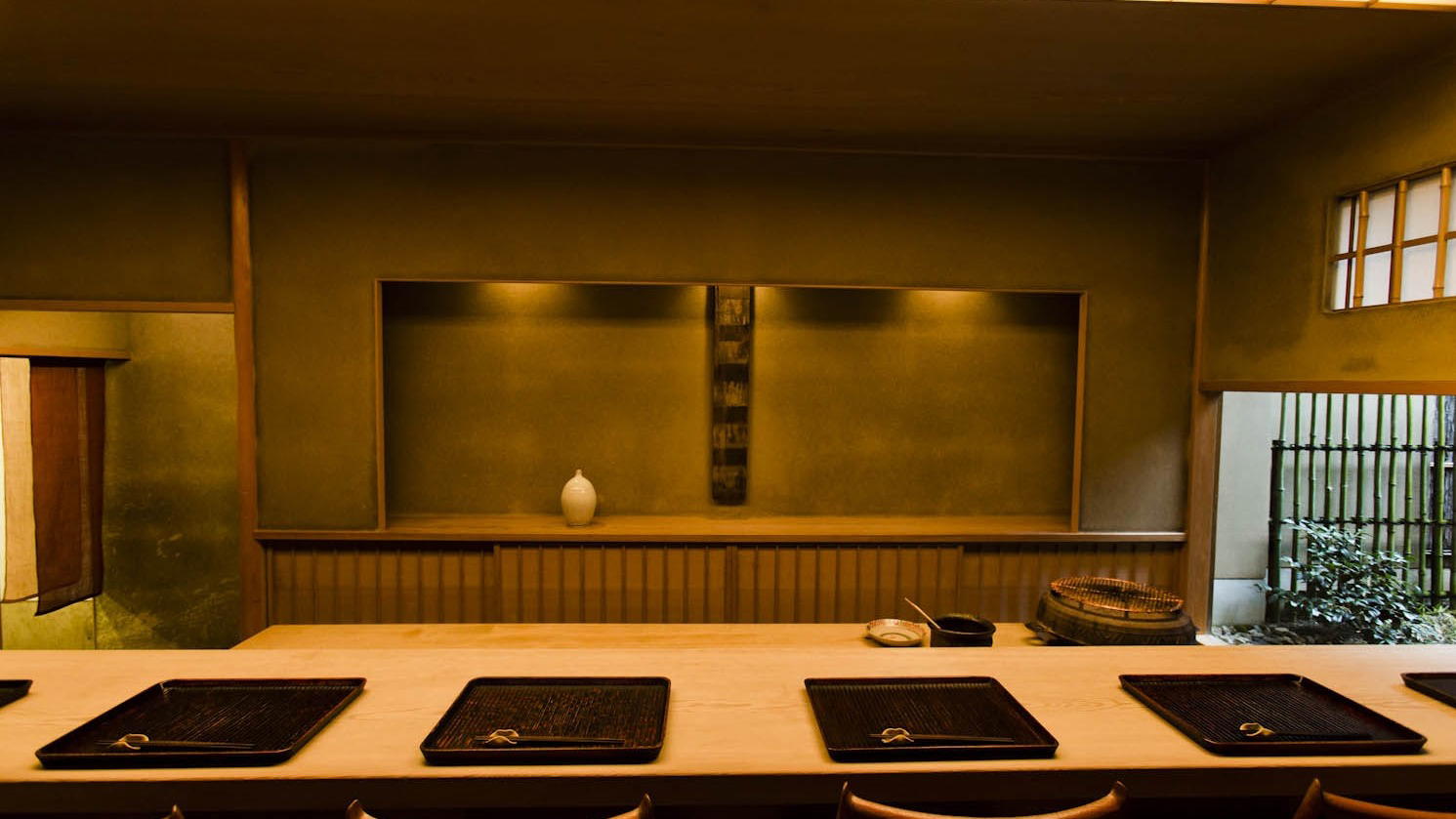
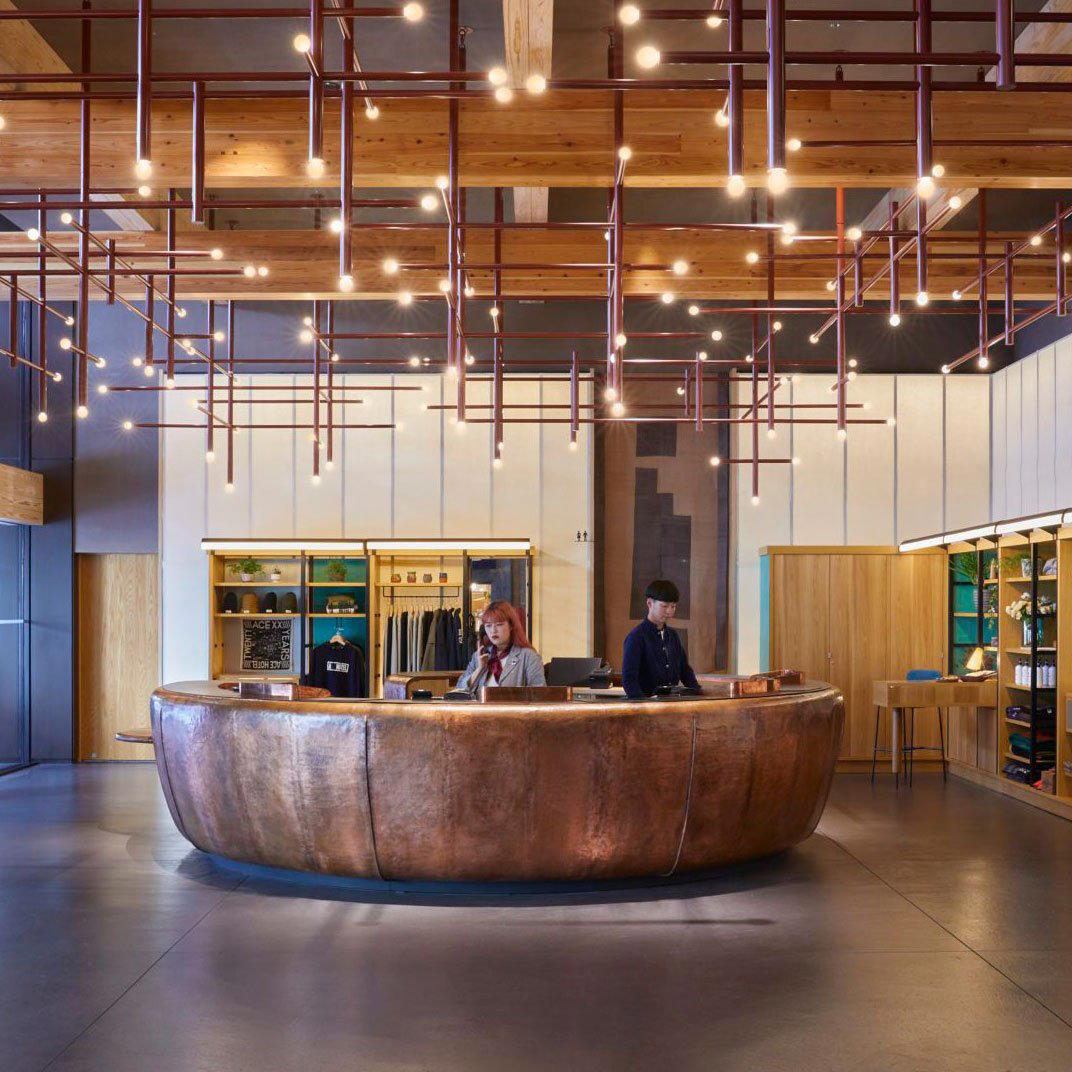
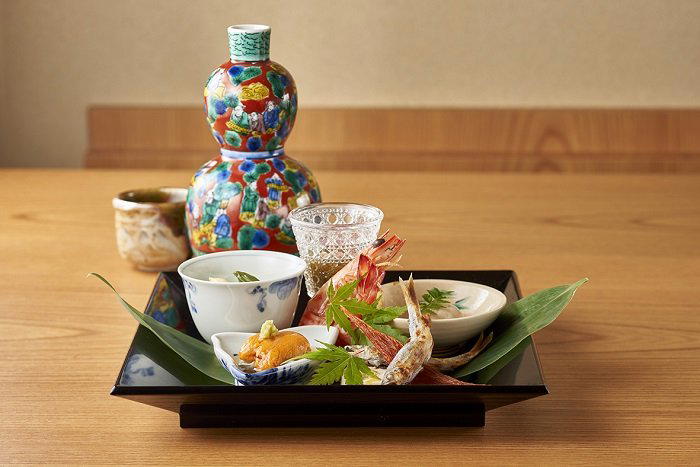
Bars in Kyoto
All bars in Kyoto →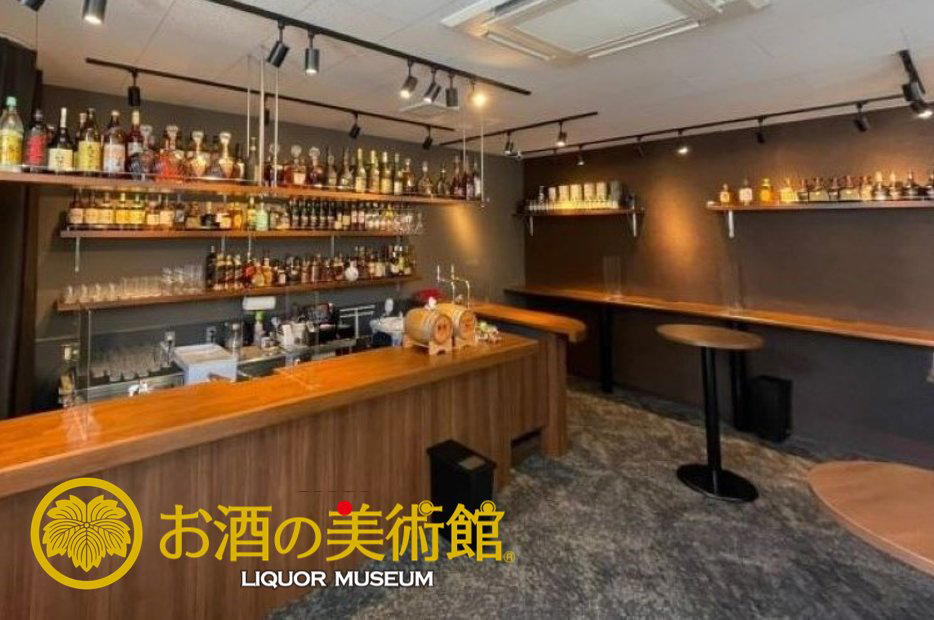
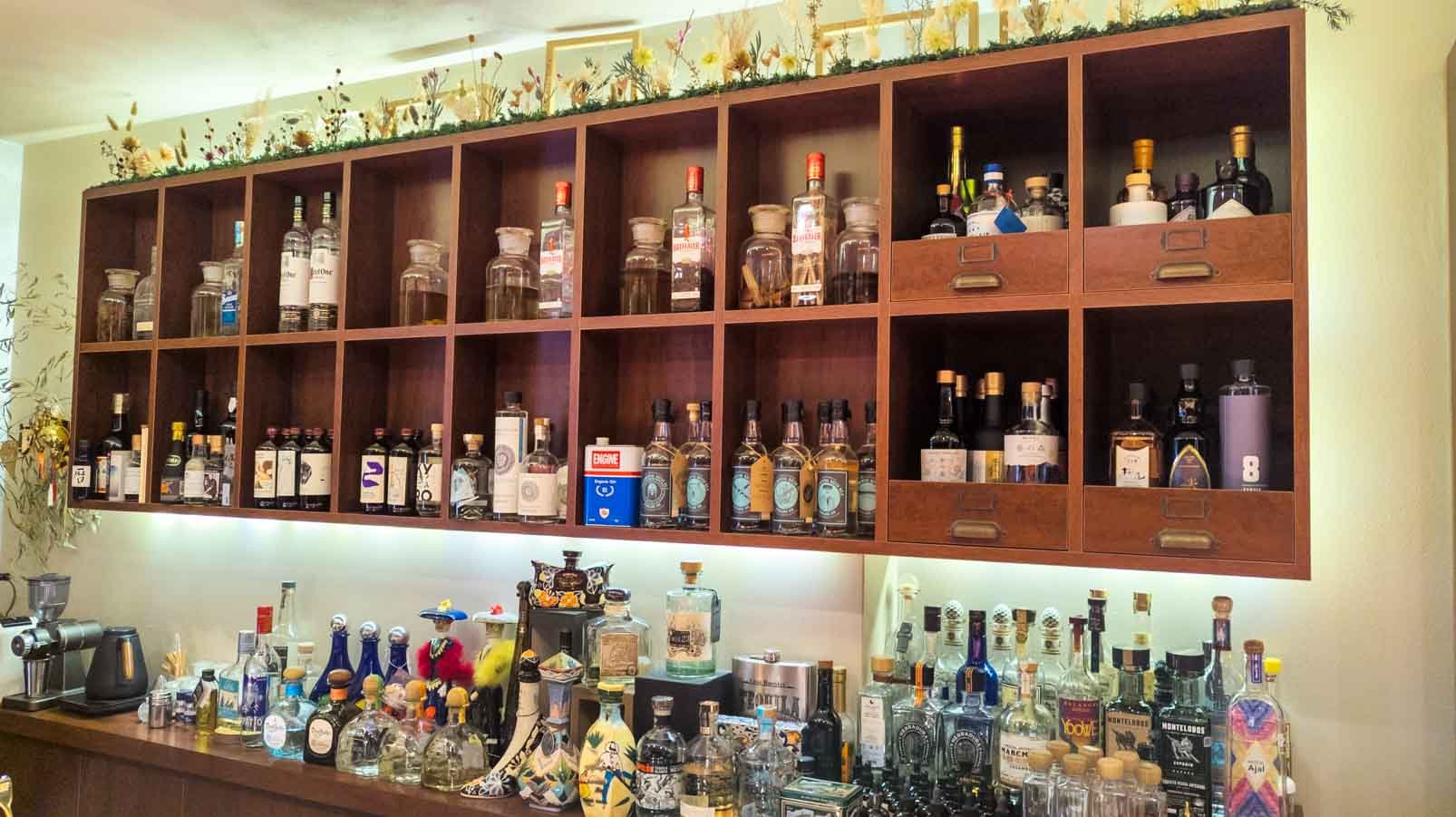
Hotels in Kyoto
All hotels in Kyoto →
Wineries in Kyoto
Browse all →
Details
- Cozy
- Rustic
- Modern
- Lively
- Casual Hangout
- Date Night
- Group Dining
- Family
- After Work
- Solo
- Open Kitchen
- Standalone
- Design Destination
- Beer Program
- Local Sourcing
- Street Scene
- A La Carte
- Counter Dining
- Wine
- Beer
- Cocktails
- Sake
- Vegetarian Friendly
A cozy, stylish house-restaurant with counter seats facing the wood-fired oven, warm lighting, and a relaxed, lively atmosphere where the oven flames are a central visual feature.