
A Michelin Bib Gourmand soba-ya in Nara's Oshikumacho district, Kiminami holds consecutive Bib Gourmand recognition for 2024 and 2025, placing it among the city's most consistent value-tier dining options.
Pearl is the En Primeur Club membership app — saves, bookings, and concierge access live there. Same editors, same standards.
- Address
- 2201-1 Oshikumacho, Nara, 631-0011, Japan
- Phone
- +81 742-46-5503
- Website
- kiminami.crayonsite.net
- Directions
- Get directions
 Saves & bookings on Pearl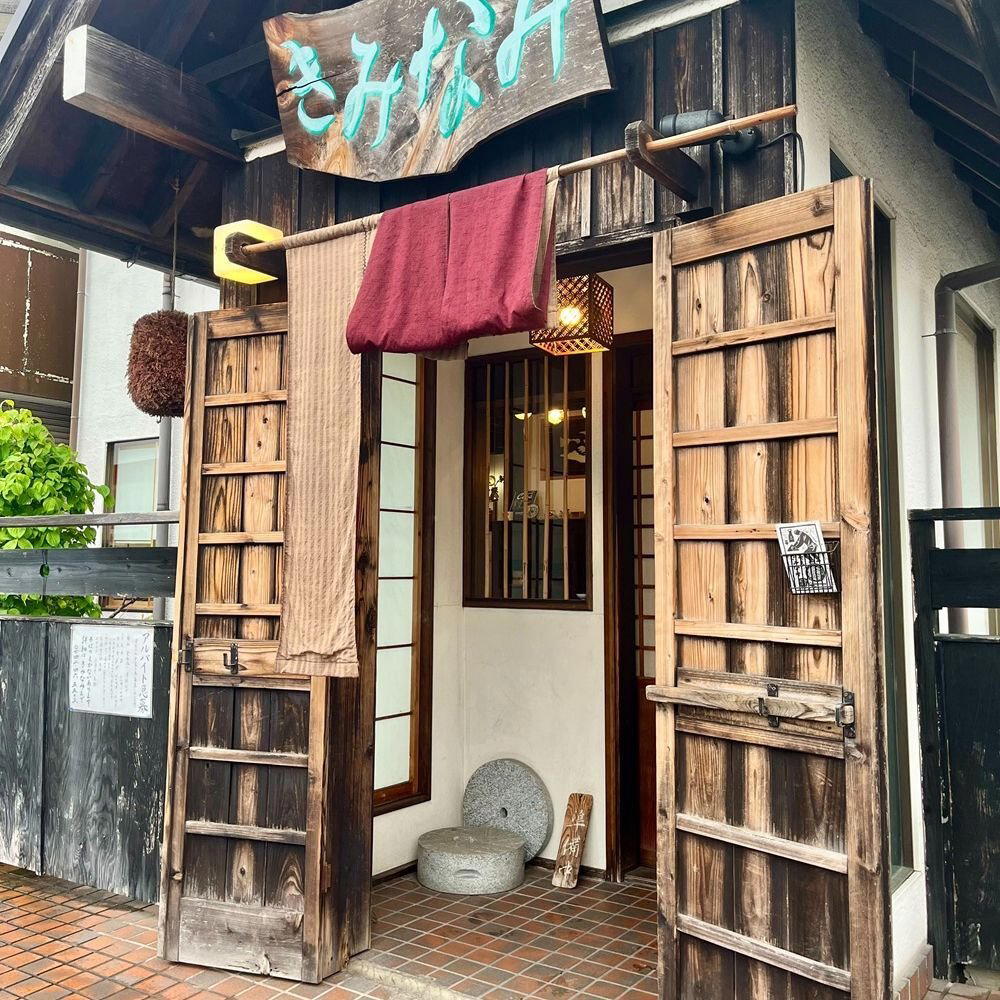
Where Soba Sits in Nara's Dining Order
Nara's restaurant scene operates on a quiet but firm hierarchy. At one end, the kaiseki and multi-course formats associated with high-end Japanese dining command the attention of serious food travellers, venues like akordu, working with Spanish and innovative techniques at a higher price tier, sit well above the daily-dining bracket. At the other end, the workhorse formats that feed the city's residents, ramen shops, izakayas, teishoku counters, rarely attract critical notice. Soba occupies a middle lane, and within that lane, a Bib Gourmand designation changes the standing of a shop considerably.
The Bib Gourmand is Michelin's signal for strong cooking at a price point that doesn't demand a special occasion. It is a harder category to hold than many diners assume: inspectors are weighing both craft and value simultaneously, and a shop that drifts in either direction loses the distinction. Kiminami has held the Bib Gourmand in consecutive years, 2024 and 2025. For Nara's soba scene, sustained recognition at this tier is the relevant credential.
The Street-Level Experience in Oshikumacho
Kiminami sits at 2201-1 Oshikumacho, a residential address in the northern reaches of Nara city, away from the deer-park tourists and the concentration of hotel dining that clusters closer to Kintetsu Nara Station. The setting matters because it shapes what the restaurant is. Soba-ya in residential or semi-rural Japanese settings tend to work differently from city-centre equivalents: the clientele is local, the atmosphere is functional rather than theatrical, and the food is tested against the daily expectations of a neighbourhood rather than the occasional visit of a food tourist. That context is a form of quality control of its own.
Arriving on foot or by local transport, the address reads as an ordinary block, which is the correct register for this kind of shop. Nara's sightseeing infrastructure makes the city easy to reach from Kyoto or Osaka, the Kintetsu Limited Express connects both cities in under an hour, but Oshikumacho sits outside the obvious tourist circuit. That distance from the main drag contributes to what makes the Bib Gourmand placement notable: the recognition came to the food, not to a clever location or a well-trafficked terrace. Among comparable soba operations in the city, including Nidaime Izumosoba Dandan, Noto Toto Teuchisoba Tabiki, and Soba Saishoku Ichinyoan, as well as Gen, Kiminami's positioning in the outer residential zone is a differentiating detail.
The Chef Name That Raises a Question
Japanese soba shops are not typically associated with European-named chefs. Jean-Philippe Furnémont operating a soba-ya in Nara is a combination that warrants some context, even if the specifics of that trajectory are not confirmed here. What the pairing does illustrate is a shift in Japanese artisan food culture: serious practitioners from outside Japan have helped shape soba, ramen, yakitori, and tempura. Jean-Philippe Furnémont leads Kiminami in Nara, and the distinction rests on the food itself.
In this respect, Kiminami fits a pattern visible in other Japanese cities. The kind of cross-cultural technical commitment that produces verified recognition at a Bib Gourmand level in a specialist single-cuisine format is part of a broader evolution in who makes Japanese food and where. For comparison, the precision-focused approach visible at venues like HAJIME in Osaka or the long-standing craft standards at Harutaka in Tokyo exist at a different tier, but the underlying logic, that mastery of a Japanese craft form is open to serious practitioners regardless of background, runs through all of them.
How This Fits Into Nara's Evolving Food Story
Nara has spent much of the past decade repositioning itself in the minds of food travellers. The city was historically treated as a day-trip extension of Kyoto, its food scene rated well below that of its neighbour. That has shifted. The emergence of multi-Michelin-starred venues operating within the city limits, alongside consistent Bib Gourmand recognition for accessible-price formats, suggests an expanding critical mass. Kiminami's consecutive Bib Gourmand years are part of that broadening picture, sitting in a different register from the high-end options but contributing to a credible dining argument for staying in Nara rather than commuting from Kyoto or Osaka.
Soba itself has been part of this shift. The category was long seen as secondary to the prestige formats, but in cities where kaiseki fatigue sets in and travellers want something honest, technically demanding, and seasonally legible, well-executed soba occupies a distinct and sometimes preferred role. The noodle's relationship to buckwheat sourcing, grinding, and hand-cutting is a craft conversation that rewards attention, and Michelin has increasingly validated that in cities beyond Tokyo. For broader context on how soba fits into Japan's contemporary food geography, Akasaka Sunaba in Tokyo and Ayamedo in Osaka represent the category's presence in larger markets, each with their own critical standing.
Planning a Visit
The price range sits at the single-yen tier, indicating this is among the more accessible options in Nara's recognised dining pool, a significant contrast to the ¥¥¥ bracket occupied by venues like Gion Sasaki in Kyoto or Goh in Fukuoka. Nara is well-connected by rail: the Kintetsu Nara and JR Nara stations are both accessible from Kyoto in under 45 minutes and from Osaka in around 35 to 50 minutes depending on service. From either station, Oshikumacho requires onward local transport.
For other standout dining at different price tiers in the Kansai region, 1000 in Yokohama and 6 in Okinawa illustrate how Japanese dining at a range of price points continues to attract sustained international notice.
Comparable Spots
Comparable venues nearby, for context on price, style, and recognition.
| Venue | Cuisine | Price | Notes |
|---|---|---|---|
| KiminamiThis venue — the venue you are viewing | Authentic Juwari Soba | $$ | Not listed |
| Unagino Toyokawa | Kansai-Style Unagi | $$ | Nara |
| Sosakukushinomise Rindo | Creative Kushikatsu with French Influences | $$ | Ikoma |
| Nikutoieba Matsuda | Wagyu Kappo Kaiseki | $$$ | Naizencho |
| Ike Edoyakiunagi Asahitei | Edo-Style Grilled Eel (Unagi) | $$ | Uda |
| PIZZERIA TRATTORIA MAGAZZINO | Neapolitan Pizza | $$ | Kashiba |
Recognition history
Dated appearances from independent guides and award organizations, with the underlying list record or original source where available.
Michelin Bib Gourmand
Michelin
Michelin Bib Gourmand
Michelin
Continue exploring
More in Nara




Bars in Nara
Browse all →


Hotels in Nara
Browse all →




Wineries in Nara
Browse all →
At a Glance
- Cozy
- Sophisticated
- Modern
- Solo
- Casual Hangout
- Open Kitchen
- Sake Program
Current opening hours
- Monday
- 11:30 AM–2:30 PM, 5:30–8:30 PM
- Tuesday
- 11:30 AM–2:30 PM, 5:30–8:30 PM
- Wednesday
- 11:30 AM–2:30 PM
- Thursday
- Closed
- Friday
- 11:30 AM–2:30 PM, 5:30–8:30 PM
- Saturday
- 11:30 AM–2:30 PM, 5:30–8:30 PM
- Sunday
- 11:30 AM–2:30 PM, 5:30–8:30 PM
Hours can change for holidays and private events. Last verified .
Serene and cozy with a harmonious blend of traditional Japanese elements like exposed beams and shoji windows mixed with Western design, vintage chandeliers, and antique cabinets.