
A Michelin Bib Gourmand soba-ya in central Nara, recognised in both 2024 and 2025 for delivering hand-cut buckwheat noodles at the ¥ price tier. The setting is compact and unhurried, pitched at the rhythm of a traditional Japanese lunch stop rather than an evening occasion.
Pearl is the En Primeur Club membership app — saves, bookings, and concierge access live there. Same editors, same standards.
- Address
- 2 Juriincho, Nara, 630-8312, Japan
- Phone
- +81 745-74-0438
- Directions
- Get directions
 Saves & bookings on Pearl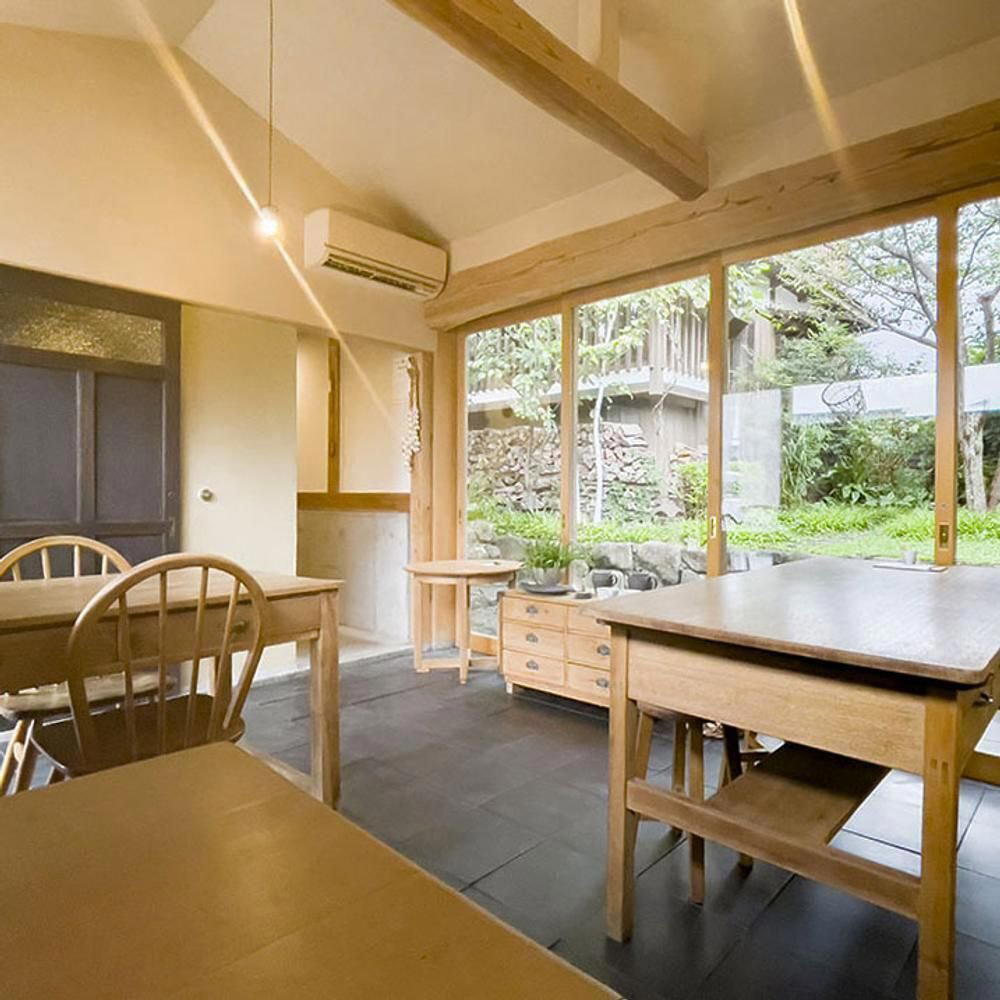
Where Soba Fits in Nara's Midday Rhythm
In Japanese dining culture, the gap between lunch and dinner is not simply a matter of timing. At a soba-ya, that divide is structural. Lunch is the native habitat of the noodle house: quick, affordable, high-turnover, and governed by a discipline that rewards the kitchen as much as the diner. Evening visits at soba specialists exist, but they carry different expectations, longer pacing, sake alongside the noodles, the cold zaru as a closer rather than the main event. Noto Toto Teuchisoba Tabiki, a handmade teuchi soba restaurant in Nara at 2 Juriincho, offers an accessible lunch and dinner option at about $20 per person.
Nara's dining scene sits in a curious position relative to its neighbours. Kyoto pulls the kaiseki traveller; Osaka absorbs the izakaya crowd. Nara receives day-trippers and temple pilgrims who need a meal that matches the city's unhurried, antiquarian character. That has historically meant soba, tofu cuisine, and yoshoku (Western-inflected Japanese cooking from the Meiji era). Of these, soba remains especially democratically priced and the visible at lunch. Tabiki occupies that space at the ¥ tier, with Michelin Bib Gourmand recognition in 2024 and 2025 confirming it as one of the addresses where value and quality align most reliably.
The Case for Hand-Cut at This Price
Teuchisoba, literally, hand-cut soba, signals a particular production commitment. Machine-extruded noodles dominate the convenience end of the market; teuchi work requires a practitioner with a board, a knife, and enough volume to justify the daily labour. At the ¥ price tier, that commitment is not guaranteed. Most soba counters at this price point either blend buckwheat with wheat flour at a higher ratio (extending the noodle while reducing cost) or buy in pre-cut noodles from a supplier. When a teuchisoba house at this level earns consecutive Bib Gourmand recognition, the implication is that the kitchen has solved that cost-quality equation without cutting the visible corner.
The Bib Gourmand category itself is worth parsing. Michelin reserves it for restaurants where the inspectors find quality cooking at a price point they consider genuinely accessible, in Japan, typically under ¥5,000 per person for a full meal. Two consecutive years in the guide (2024 and 2025) suggests consistency rather than a single strong performance caught by an inspector at the right moment. For comparison, the soba tradition in Japan produces plenty of single-day-trip destinations that earn a visit once; the venues that earn repeat business and sustained review scores tend to be those where the noodle texture and broth calibration remain dependable across service.
Lunch at a Soba-Ya: What the Format Requires
The editorial angle here matters for how a visitor should approach Tabiki. The lunch format at a traditional soba-ya is structured around speed and simplicity. Cold soba, zaru or mori, served on a bamboo sieve with dipping tsuyu on the side, is typically the anchor order. Hot soba in broth (kake) is the winter alternative. Supplementary items vary by house but might include tempura, soba rice (soba-gohan), or small seasonal sides. The entire meal can resolve in thirty to forty-five minutes, which at a venue in a walking city like Nara makes it a natural interval between temple visits rather than a destination in itself.
That framing does not diminish the kitchen's ambition. It contextualises it. Soba masters in Japan are judged within precise tolerances: the ratio of buckwheat to binding flour, the water temperature and humidity adjustments that change the dough's behaviour across seasons, the knife angle that determines noodle thickness consistency. These are not visible to the casual diner, but they register as texture and snap in the finished noodle. When they are absent, the difference between a teuchisoba house and a convenience chain dissolves quickly. Tabiki's Bib Gourmand status is evidence that the tolerances are being met.
For Nara specifically, the address at 2 Juriincho places Tabiki in a walkable position relative to the older parts of the city. Visitors working through the Kofukuji or Todaiji circuits will find this a reasonable lunch stop without requiring significant detour, though the street-level setting is more functional than atmospheric. The practical advice is to arrive before or at opening, particularly on weekends and during the autumn and spring peak seasons when Nara's day-trip volume is highest. At a small teuchisoba counter, waits are common once the early lunch wave arrives.
Soba in Nara's Wider Context
For visitors building a fuller picture of Nara's soba offer, the city has a compact but considered cohort of noodle specialists. Nidaime Izumosoba Dandan and Soba Saishoku Ichinyoan represent different points on the style register. Beyond Nara, the soba tradition extends to well-documented Tokyo counters like Akasaka Sunaba and Osaka specialists including Ayamedo, both of which offer useful reference points for how regional preparation styles differ. Nara's version tends toward the quieter, less performative end of the spectrum, in keeping with the city's character.
Tabiki sits at the more accessible end of a city that also supports higher-commitment dining formats. akordu represents Nara's experimental edge in Spanish-influenced cuisine, while Gen and Kiminami occupy different positions in the city's Japanese dining range. For reference points in nearby cities, Gion Sasaki in Kyoto and HAJIME in Osaka anchor the fine dining tier, while Harutaka in Tokyo, Goh in Fukuoka, 1000 in Yokohama, and 6 in Okinawa illustrate how Japan's regional dining network operates across different formats and price brackets. Tabiki belongs to none of those refined tiers; it belongs to the tier that Japanese food culture prizes most quietly: the everyday specialist, done with consistency, at a price that does not require a special occasion to justify.
Planning Your Visit
Noto Toto Teuchisoba Tabiki is located at 2 Juriincho, Nara, 630-8312. The ¥ price tier makes it among the more accessible Michelin-recognised addresses in the city, with a meal sitting comfortably within a budget that leaves room for the rest of the day's itinerary. Weekend and holiday visits during cherry blossom (late March to early April) and autumn foliage (mid-October to late November) periods warrant arriving early to avoid the queue that builds at well-regarded lunch counters across Nara during peak season. For the full picture of what the city offers, see our full Nara restaurants guide, as well as guides to hotels, bars, wineries, and experiences in Nara.
Pricing, Compared
Comparable venues nearby, for context on price, style, and recognition.
| Venue | Cuisine | Price | Awards | Notes |
|---|---|---|---|---|
| Noto Toto Teuchisoba TabikiThis venue — the venue you are viewing | Nara, Handmade Teuchi Soba | $$ | Bib Gourmand | Not listed |
| Kiminami | Nara, Authentic Juwari Soba | $$ | Bib Gourmand | Not listed |
| Sosakukushinomise Rindo | Not listed | $$ | Bib Gourmand | Ikoma, Creative Kushikatsu with French Influences |
| Menya Ittoku | Nara, Refined Shio Ramen | $$ | Bib Gourmand | Not listed |
| Shikinoaji Enzu | Nara, Seasonal Kappo | $$ | Bib Gourmand | Not listed |
| Chukasoba Oshitani | Nara, Modern Chukasoba Ramen | $$ | Bib Gourmand | Not listed |
Recognition history
Dated appearances from independent guides and award organizations, with the underlying list record or original source where available.
Michelin Bib Gourmand
Michelin
Michelin Bib Gourmand
Michelin
Continue exploring
More in Nara




Bars in Nara
Browse all →


Hotels in Nara
Browse all →




Wineries in Nara
Browse all →
At a Glance
- Rustic
- Cozy
- Intimate
- Quiet
- Solo
- Open Kitchen
- Sake Program
- Farm To Table
- Local Sourcing
Current opening hours
- Monday
- 11:30 AM–3 PM, 5–9 PM
- Tuesday
- 11:30 AM–3 PM, 5–9 PM
- Wednesday
- 11:30 AM–3 PM, 5–9 PM
- Thursday
- 11:30 AM–3 PM, 5–9 PM
- Friday
- 11:30 AM–3 PM, 5–9 PM
- Saturday
- 11:30 AM–3 PM, 5–9 PM
- Sunday
- 11:30 AM–3 PM, 5–9 PM
Hours can change for holidays and private events. Last verified .
Rustic and serene atmosphere like dining in the owner's traditional home, with soft lighting from wood grains and a quiet hearth.