
Tabelog 100 #21
Our verdict
Soba Koji Sawarabi belongs to Tokyo’s serious soba tier: small-room, ingredient-led, and better suited to diners who care about buckwheat craft than spectacle. Its Tabelog 100 Soba EAST 2025 selection, 10-seat scale, and sharp lunch-versus-dinner price split place it closer to specialist Japanese counters than casual noodle stops.

Pearl is the En Primeur Club membership app, where members save venues, book tables and use the concierge.
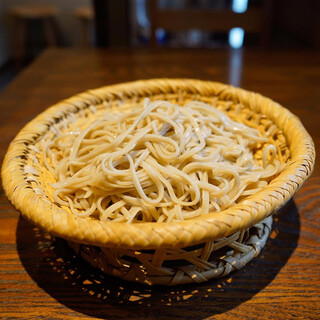
The menu
What to order
- Zaru soba
- Duck soba (seasonal)
- Kamo soboro bukkake soba (summer)
- Kamo nabe course (autumn–winter, reservation only)
Tokyo is not only neon and late trains; it is also quiet dining rooms, compact specialist restaurants, and meals built around restraint. That setting matters for soba. The form rewards buckwheat, water, dashi, dipping sauce, seasonal accompaniments, and a room calm enough for texture to register. Soba Koji Sawarabi fits that older Tokyo grammar, a soba house where the meal is built around the handling of buckwheat noodles rather than theatrical plating.
Tokyo’s noodle culture is often flattened abroad into ramen queues and late-night bowls, but soba occupies a different social register. It can be quick and inexpensive, but at its serious end it becomes a study in grain, milling, kneading, cutting, boiling, and timing. The difference is not luxury for its own sake. Buckwheat is unforgiving: aroma fades, texture shifts quickly, and the line between supple and slack is narrow. A focused room in this category signals a format designed around control, not volume.
Buckwheat as the Main Argument
The defining idea here is soba itself: buckwheat noodles treated as the center of the meal rather than a sidecar to tempura or a drinking session. The venue is listed in the soba category and is included in Tabelog’s 2025 recognition for soba, with a listed score of 3.71. That matters in Tokyo, where specialist recognition tends to reward consistency across a narrow craft rather than breadth across a long menu.
Ingredient handling is the quiet engine of this style. In serious soba, the grain’s condition can shape aroma and chew before sauce or garnish enters the picture. The craft also depends on what happens after the flour is prepared: hydration, cutting width, and the interval between boiling and serving. Diners accustomed to richer noodle formats may find the pleasure more austere. The point is not maximal impact; it is clarity, with buckwheat carrying the meal’s structure.
The price structure underlines the split personality of soba in Tokyo. Lunch is listed in the JPY 1,000 to JPY 1,999 range, which keeps the meal within the city’s disciplined midday culture. Dinner is listed at JPY 10,000 to JPY 14,999, where soba can become part of a broader evening format. That gap is not incidental. It reflects how the same craft can function as an efficient lunch or a more deliberate night out.
A Small Tokyo Room in a City of Specialist Counters
The room’s focus changes the dining equation. Soba Koji Sawarabi belongs to Tokyo’s specialist-restaurant culture rather than to the broad, casual noodle-shop image many visitors bring with them. The experience is less about menu sprawl than about attention to a single form. For a soba house, that means the meal is intimate in spirit, with the practical expectations that come with a craft built around freshness and timing.
The strongest logistical signal is the category itself: soba rewards punctuality and close attention. In Tokyo, that is not just popularity shorthand. It points to a production model where noodles are best understood as time-sensitive, especially in a category where texture and aroma can change quickly. The smart read is simple: treat the meal as something to plan around, not as a casual afterthought between larger appointments.
Against other Tokyo dining formats, the distinction is clear. Soranoiro, Ichigenya, Kojimachi Nihee, and エリオ・ロカンダ・イタリアーナ can serve as comparison points within a wider city itinerary, but Sawarabi belongs to the smaller soba-specialist lane. Here, a Tabelog 3.71 score and 2025 soba recognition carry more weight than décor language, breadth, or menu sprawl.
The evening version of a soba meal also reads differently from a quick midday stop. A higher listed dinner budget gives the visit a wider arc, while the lunch budget keeps the restaurant accessible within Tokyo’s everyday rhythm. In both cases, the key is not excess. The value is in the narrowness of the proposition: a restaurant identified with soba, judged in that category, and best approached on those terms.
Know Before You Go
- Format: Soba specialist in Tokyo.
- Recognition: Listed in Tabelog’s 2025 soba recognition, with a score of 3.71.
- Price signal: Lunch JPY 1,000 to JPY 1,999; dinner JPY 10,000 to JPY 14,999.
- Timing: Treat soba as time-sensitive and plan the visit with care.
- Reservations: Confirm current booking details directly with the restaurant.
- Access: The restaurant is in Tokyo.
- Closed: Confirm current closing days directly before visiting.
- Smoking: Confirm current policies directly with the restaurant.
- Parking: Check local options in Tokyo before arrival.
For travelers building a wider Tokyo food plan, pair this kind of soba stop with contrasting formats rather than another similar meal. EP Club’s city coverage includes Our full Tokyo restaurants guide, plus separate edits for Our full Tokyo hotels guide, Our full Tokyo bars guide, Our full Tokyo wineries guide, and Our full Tokyo experiences guide. Other Tokyo alternatives range across varied specialist rooms, with comparisons points including Ichigenya, Kojimachi Nihee, Soranoiro, Sushi Inomata, and エリオ・ロカンダ・イタリアーナ. For broader Japan and Japanese-diaspora planning, compare the rhythm of a focused soba stop with other dining rooms more generally, using contrast rather than a checklist of similar meals.
Frequently asked questions
What's the address for Soba Koji Sawarabi?
Soba Koji Sawarabi is located in Tokyo.
What should I budget for a meal at Soba Koji Sawarabi?
Pricing at Soba Koji Sawarabi is listed as dinner JPY 10,000 - JPY 14,999 and lunch JPY 1,000 - JPY 1,999.
What are Soba Koji Sawarabi's hours?
Current hours for Soba Koji Sawarabi should be confirmed directly with the restaurant before visiting.
What's the defining dish or idea at Soba Koji Sawarabi?
The focus is soba, with the restaurant listed in Tabelog’s 2025 soba recognition. In Tokyo, the appeal is buckwheat noodles treated as the point of the meal, not a side note.
What if I have allergies at Soba Koji Sawarabi?
Anyone with buckwheat or other allergy concerns should confirm details before ordering, since the format centers on soba in Tokyo. Contact the restaurant directly in advance to clarify ingredients for the visit.
The Minimal Set
Nearby venues at a similar price tier for orientation.
| Venue | Cuisine | Price | Awards | Notes |
|---|---|---|---|---|
| Soba Koji SawarabiThis venue (the venue you are viewing) | Traditional soba noodle shop | $50–100 | Tabelog 100 #21 | Not listed |
| Soranoiro | Modern Vegetable Ramen | $10–20 | Not listed | Ramen |
| Ichigenya | Traditional Japanese Sweets (Wagashi) | $1–10 | Tabelog 100 #43 | JPY 999 - JPY 999 View spending breakdown |
| Kojimachi Nihee | Edomae Nigiri Sushi | $300–500 | Not listed | Not listed |
| エリオ・ロカンダ・イタリアーナ | Authentic Southern Italian Trattoria | $50–100 | Tabelog 100 #86 | Not listed |
| Sushi Inomata | Sushi | Not listed | Not listed | Not listed |
Recognition history
Dated appearances from independent guides and award organizations, with the underlying list record or original source where available.
Tabelog 100 #21 · No. 21
Tabelog · Tabelog 100 - Soba - EAST - 2025
Continue exploring
More in Tokyo
Restaurants in Tokyo
All restaurants in Tokyo →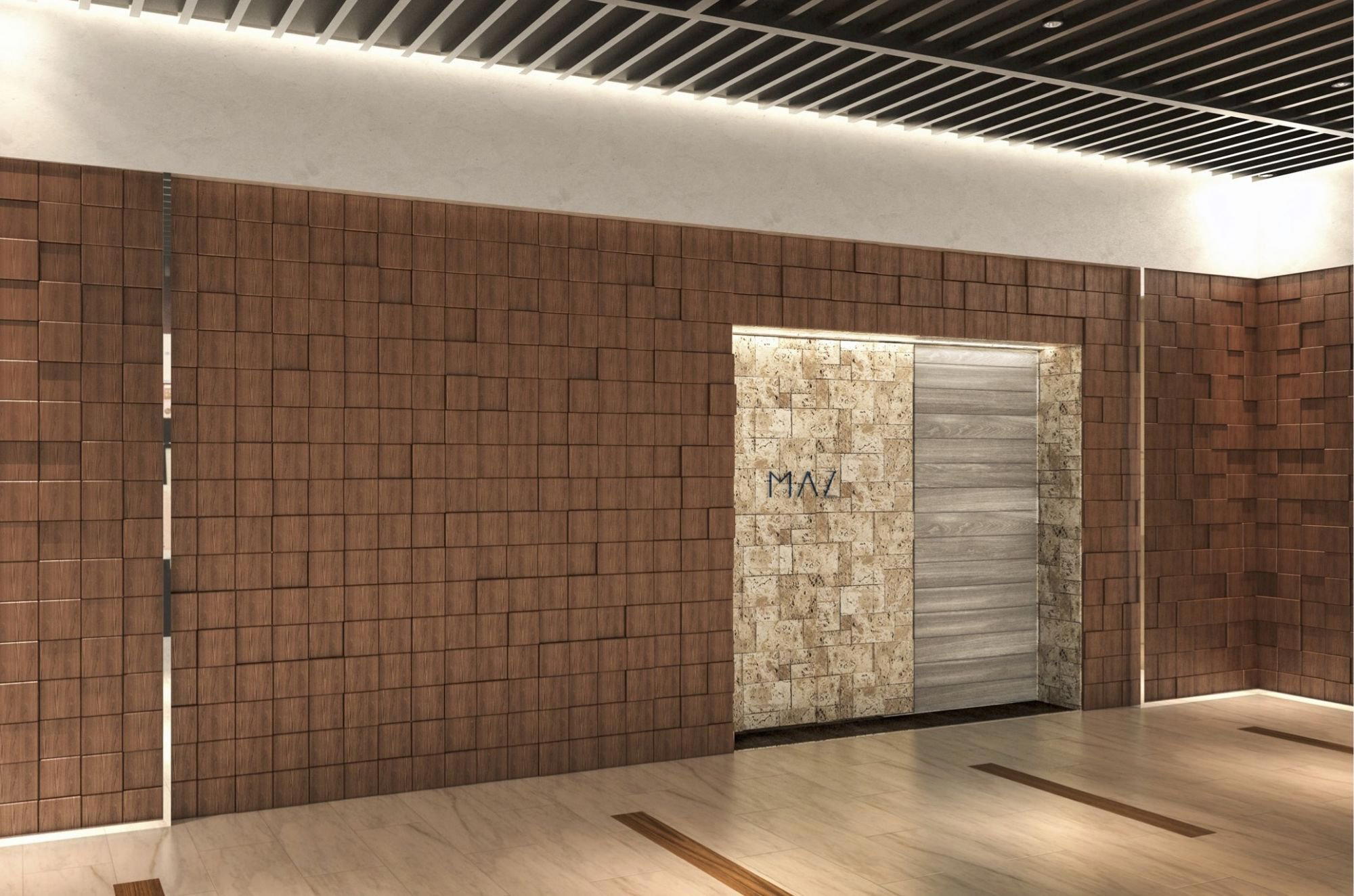
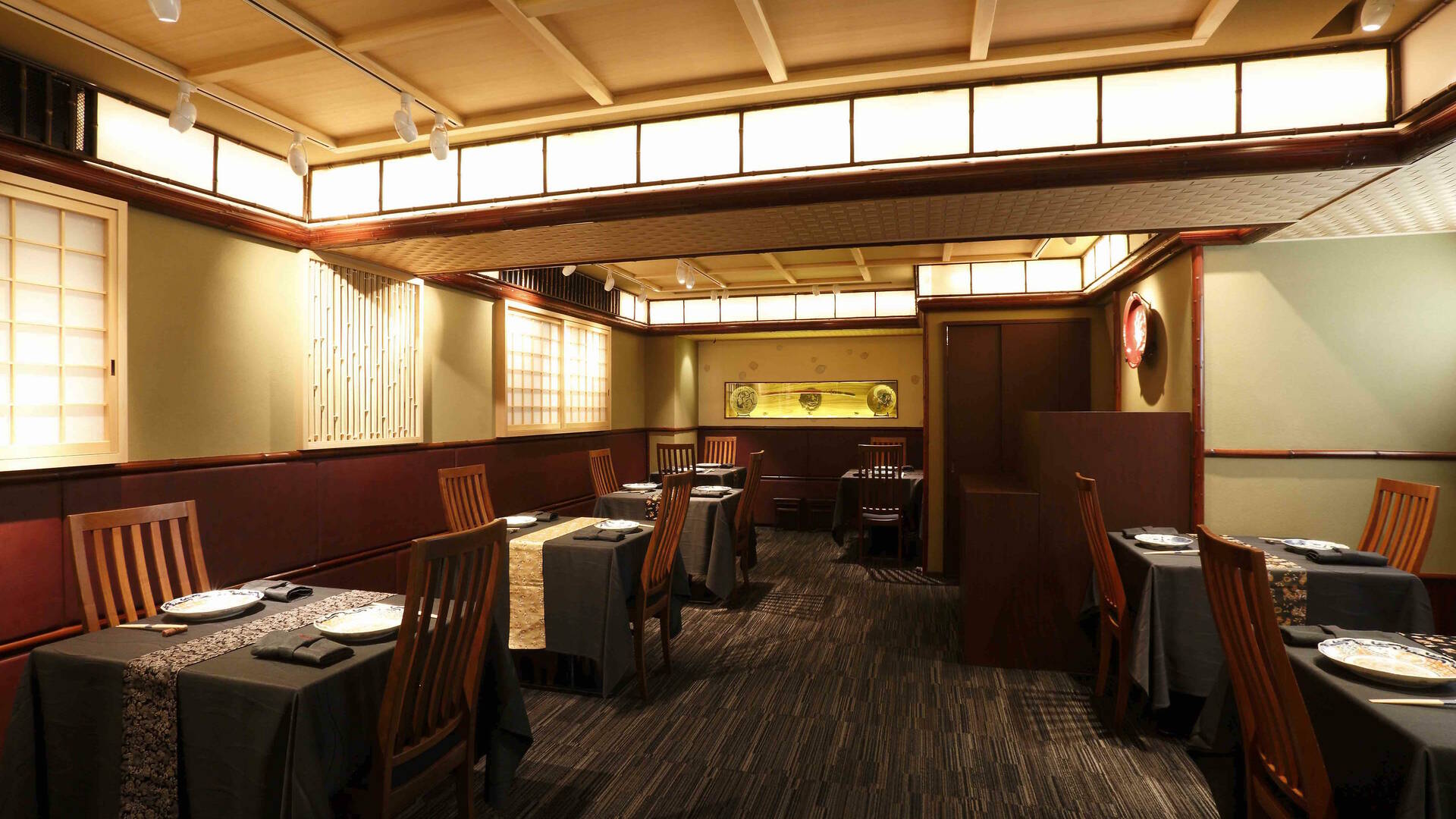
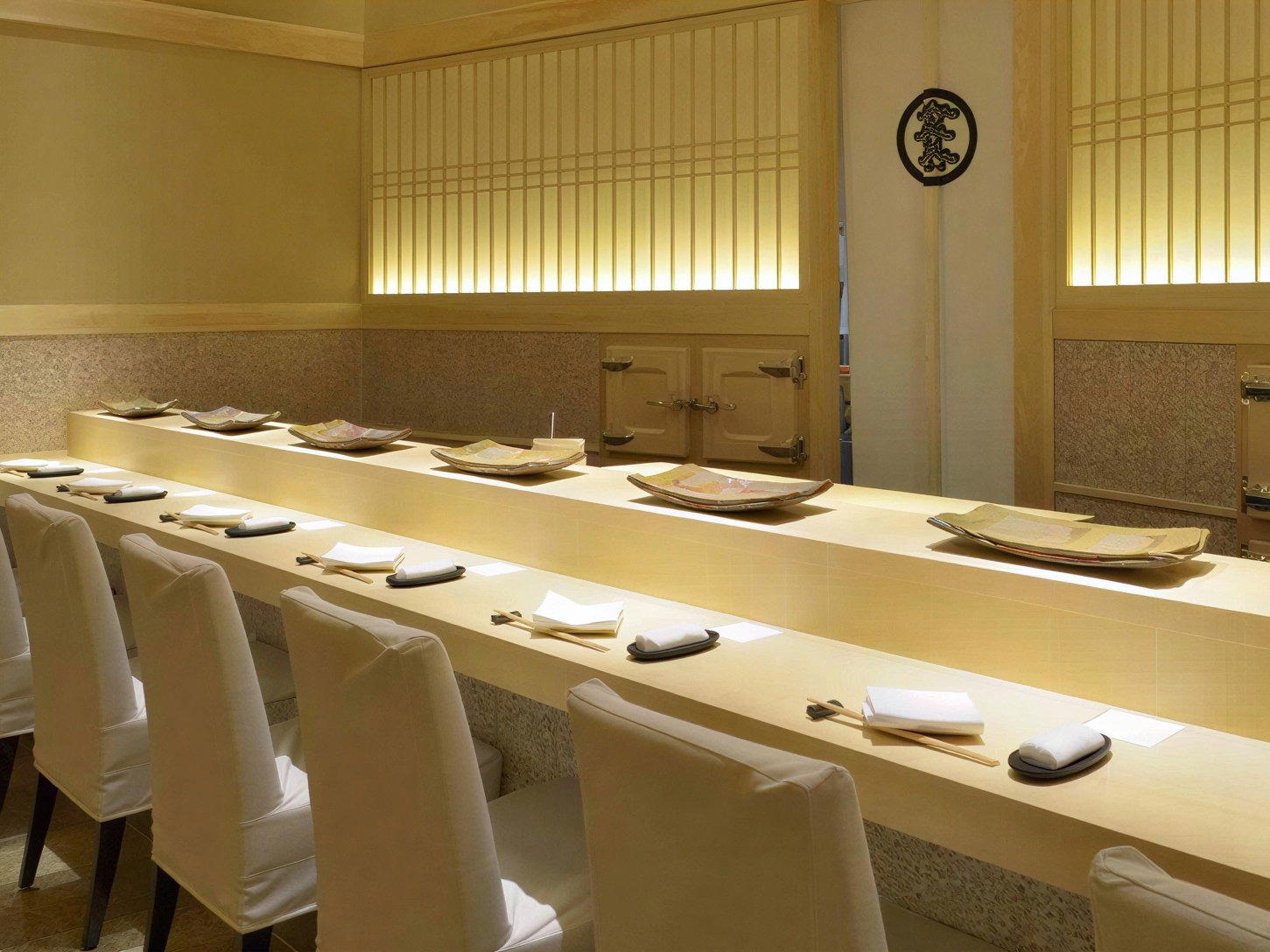

Bars in Tokyo
All bars in Tokyo →


Details
- Cozy
- Intimate
- Classic
- Solo
- After Work
- Casual Hangout
- Date Night
- Standalone
- Sake Program
- A La Carte
- Sake
- Shochu
- Wine
- Cocktails
Current opening hours
- Monday
- 12–1:30 PM, 5:30–9 PM
- Tuesday
- 5:30–9 PM
- Wednesday
- 12–1:30 PM, 5:30–9 PM
- Thursday
- 5:30–9 PM
- Friday
- 12–1:30 PM, 5:30–9 PM
- Saturday
- Closed
- Sunday
- Closed
Hours can change for holidays and private events. Hours as of .
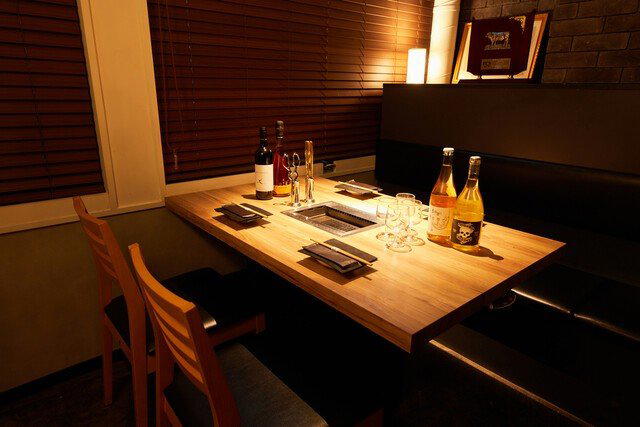
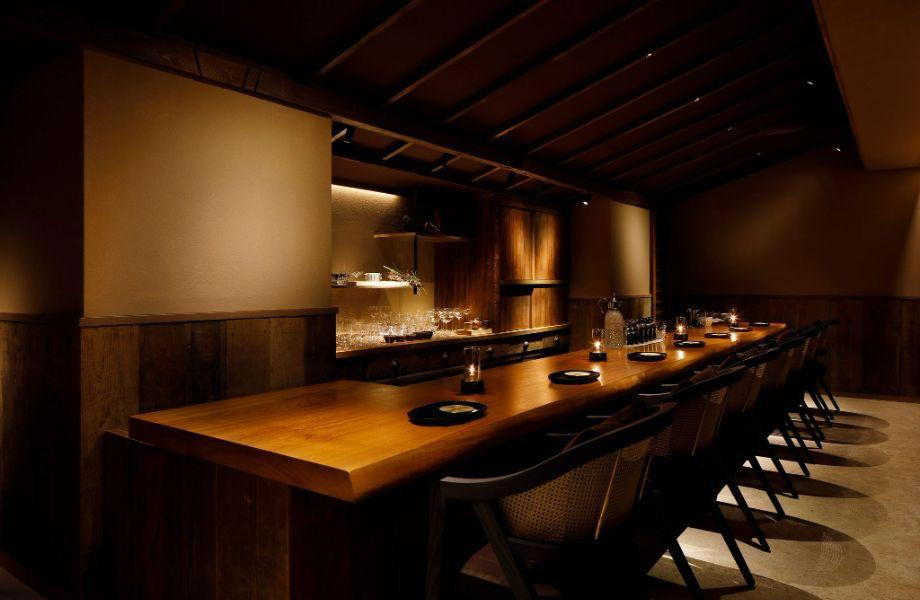
A 10-seat, softly lit and quietly spoken space that feels like a small adult hideaway, with a classic neighborhood soba-shop warmth rather than design theatrics.