
Tabelog 100 #43
Our verdict
Ichigenya belongs to Tokyo’s quieter wagashi tradition: small-format, take-out Japanese sweets rather than ceremony-heavy dining. Its Tabelog 100 selection for Tokyo Japanese traditional sweets and sweets cafés in 2023, plus a 3.71 Tabelog score, place it in a serious local category where restraint, gifting culture, and everyday precision matter more than spectacle.

Pearl is the En Primeur Club membership app, where members save venues, book tables and use the concierge.
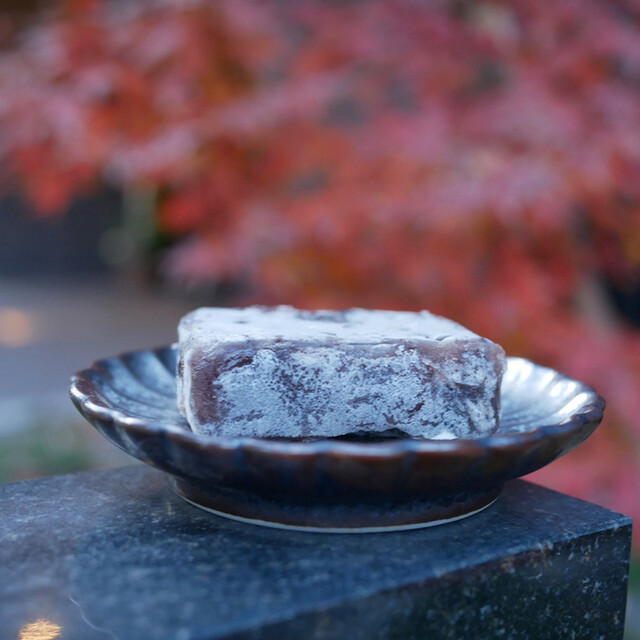
Tokyo does not always announce itself with the theatre of major shopping avenues or the late-night voltage of its entertainment districts. Around Ichigenya, the pace can feel local and weekday-minded: office workers, school routes, residential routines, and small shops that depend on repeat habits. In that setting, Japanese traditional sweets read differently from a tasting-menu dessert course. They are closer to etiquette, season, and occasion: something carried to a host, shared after tea, sent as thanks, or bought for a family table rather than performed under a spotlight.
Ichigenya sits inside that Tokyo tradition of serious sweets shops whose value is not measured by a long menu or dining-room drama. The public signals are unusually clear for such a modest format: selected in 2023 by Tabelog Hyakumeiten in the Japanese traditional sweets category, with a Tabelog score of 3.71. In a city where department-store counters, hotel lounges, cafés, and specialist sweets shops all compete for the same gifting occasions, that kind of recognition puts the shop in a narrower, more local conversation.
Wagashi as occasion, not dessert course
Tokyo’s celebratory eating culture is not confined to restaurant reservations. A formal box of sweets can carry as much social weight as a lunch booking, especially when the occasion involves visiting someone’s home, marking a seasonal event, or bringing something polished to an office. Japanese traditional sweets work because they are portable, portioned, and coded: packaging, timing, and restraint are part of the message. The appeal is not excess. It is accuracy.
That makes the category particularly useful for travellers who want a Tokyo food memory without committing another evening to a counter seat. The city’s higher-end dining scene often asks for planning and long meals; a specialist sweet shop offers a different rhythm. It can be folded into a day of Tokyo walking, used as a considered gift, or treated as a civilised alternative to more anonymous confectionery. The format is less about lingering over a table than about choosing something with a destination.
Within Tokyo, the contrast is useful. Dining can range from European rooms such as エリオ・ロカンダ・イタリアーナ, Le Grenier à Pan Koujimachi ten, and オー・プロヴァンソー to focused Japanese stops such as Soba Koji Sawarabi and Soranoiro. Against that city mix, Japanese traditional sweets occupy a smaller but culturally precise lane. They answer a different need: not dinner, not a casual bowl, but a polished edible gesture.
The quiet hierarchy of Tokyo sweets
Tokyo has several dessert economies running at once. Department stores dominate convenience and breadth. Hotel counters sell polish and presentation. Trend cafés trade on visuals. Japanese traditional sweets specialists occupy an older hierarchy, where reputation is built through consistency and local trust rather than constant reinvention. A 2023 Tabelog Hyakumeiten listing in the Japanese traditional sweets category is a useful marker because it compares shops within that discipline rather than against unrelated restaurants.
Ichigenya’s appeal is strongest for milestone-adjacent moments: a thank-you gift after a hosted meal, something to bring to relatives, a refined counterpoint after a formal lunch, or a small celebration where understatement is the point. The category can also suit families and mixed-age groups because sweets-shop visits tend to be more flexible than Tokyo’s reservation-led dining rooms. The point is accessible and purposeful rather than built around dining-room theatre.
The listed spending band sits at JPY 999, but that should not be misread as a statement about casual quality. Sweets-shop pricing often reflects a different scale from restaurant pricing: individual pieces, small boxes, and daily purchase habits rather than the fixed cost of a meal. The better comparison is not a full dinner but a refined gift. In that frame, recognition, category discipline, and Tokyo context matter more than a high bill.
How to place it in a Tokyo itinerary
For travellers building a food-led day, this is the kind of stop that works between larger commitments. Tokyo’s quieter food infrastructure rewards those interested in bakeries, sweets shops, lunch counters, and specialists that serve office districts and residential pockets as much as destination diners. The useful move is to treat sweets as part of the day’s social architecture rather than as an afterthought.
Readers comparing formats across the city can use Our full Tokyo restaurants guide for dining rooms, Our full Tokyo hotels guide for where to base a stay, Our full Tokyo bars guide for evening drinking, Our full Tokyo wineries guide for wine-focused planning, and Our full Tokyo experiences guide for cultural scheduling around meals.
For a broader Tokyo and Japan food map, the same itinerary logic can stretch from casual cafés to specialist counters and regional addresses. Within Tokyo, it is enough to compare Ichigenya with other dining rooms and food shops generically: the occasions are different, and so are the expectations. Elsewhere in Japan and abroad, portable formats can take on new meanings once they leave their original social setting, which is precisely why a focused Tokyo sweets shop is worth understanding on its own terms.
The editorial case for Ichigenya is specific: it belongs to the part of Tokyo dining where ceremony is compressed into a box, a counter exchange, and the timing of a gift. For milestone meals, it is not necessarily the main reservation. It is the detail that makes the day feel properly considered.
Frequently asked questions
What's Ichigenya's location?
Tokyo.
Is Ichigenya more mid-range or high-end?
Pricing at Ichigenya is listed as - JPY 999 - JPY 999 View spending breakdown.
What's the best way to book Ichigenya?
Ichigenya is best approached as a focused Japanese traditional sweets stop, so the practical approach is to check the current listing or official information before going rather than assuming a restaurant-style reservation.
What's the standout thing about Ichigenya?
Its 2023 Tabelog Hyakumeiten recognition for Japanese traditional sweets is the clearest credential. Add its Tokyo setting and focused sweets-shop format, and it reads as a specialist sweets stop rather than a conventional sit-down dessert room.
Quick Comparison
Comparable options at the same price tier.
| Venue | Cuisine | Price | Awards | Notes |
|---|---|---|---|---|
| IchigenyaThis venue (the venue you are viewing) | Traditional Japanese Sweets (Wagashi) | $1–10 | Tabelog 100 #43 | Not listed |
| Hagakure | Udon and curry udon izakaya | $10–20 | Tabelog 100 #26 | Minato |
| Curry no Mise Ganji | Japanese curry shop | Not listed | Tabelog 100 #47 | Minato |
| Jikasei Chuka Soba Toshioka | Ramen & Tsukemen Counter | $10–20 | Tabelog 100 #41 | Shinjuku |
| Hendrix curry | Japanese Spice Curry Bar | $10–20 | Tabelog 100 #89 | Shibuya |
| Menya Sho Honten | Chicken shio ramen shop | $10–20 | Tabelog 100 #73 | Shinjuku |
Recognition history
Dated appearances from independent guides and award organizations, with the underlying list record or original source where available.
Tabelog 100 #43 · No. 43
Tabelog · Tabelog 100 - Japanese traditional sweets / Japanese sweets cafe - TOKYO - 2023
Continue exploring
More in Tokyo
Restaurants in Tokyo
All restaurants in Tokyo →


Bars in Tokyo
All bars in Tokyo →





Details
- Classic
- Cozy
- Solo
- Casual Hangout
- Family
- After Work
- Standalone
- A La Carte
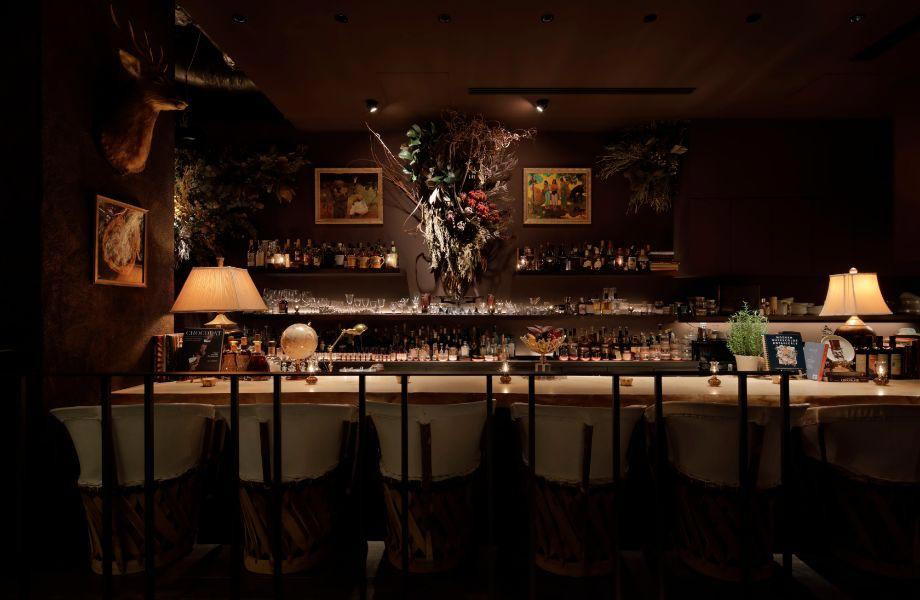
Simple, old‑school Japanese sweets shop atmosphere with a modest interior focused on takeout, a neighborhood feel, and a calm, everyday vibe rather than a designed cafe space.