
Soan places Hakusan’s soba culture in a rural Ishikawa frame: buckwheat noodles, tatami-room calm, and a low-cost lunch format with serious local recognition. Its repeated selection for Tabelog’s Soba 100, including the WEST 2025 list, makes it a useful counterpoint to Hakusan’s broader dining map, where casual noodle houses and formal Japanese restaurants sit closer together than many visitors expect.
Pearl is the En Primeur Club membership app — saves, bookings, and concierge access live there. Same editors, same standards.
- Address
- 石川県白山市鶴来日吉町ロ32
- Phone
- +81762731090
- Website
- tabelog.com
- Directions
- Get directions
 Saves & bookings on Pearl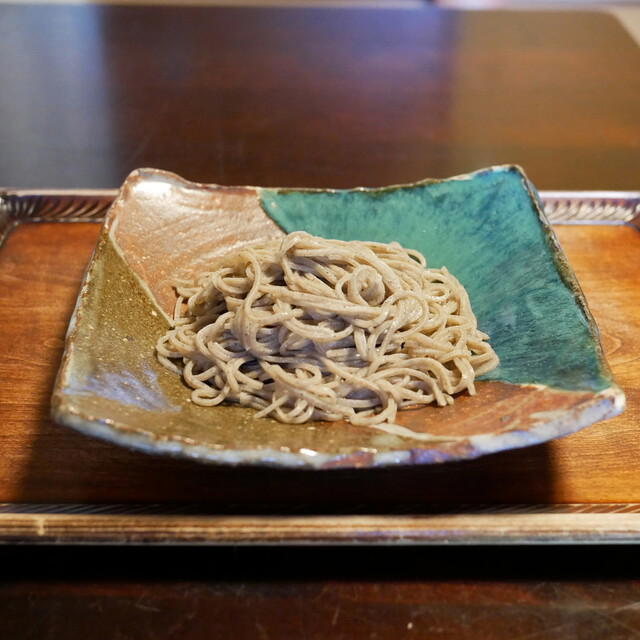
Approaching a soba house in Hakusan changes the rhythm of a meal before the first bowl arrives. The city sits between the Kaga plain and the mountain routes that lead toward Hakusan’s shrine country, and that geography matters: buckwheat has long belonged to colder upland foodways, where short growing seasons, clear water and restrained seasoning shape the table more than luxury signals. Soan fits that tradition with the plain confidence of a specialist rather than the theatrics of a destination dining room.
Soba in Ishikawa is not just a noodle category. It is a test of proportion: grain against water, texture against aroma, and dipping broth against restraint. In cities such as Tokyo, soba can be folded into drinking culture or treated as an Edo craft exercise. Around Hakusan, the appeal is less urban and more agricultural. The meal asks whether the noodle carries enough character without needing elaborate garnish. That is why recognition in a soba-specific list carries more weight here than a generic popularity badge.
Buckwheat as the point, not a prelude
The important context for Soan is its place inside Japan’s serious soba circuit. Selection for Tabelog’s Soba 100 WEST 2025 puts it in a category judged against noodle specialists across western Japan, not simply against neighbourhood lunch rooms. Earlier selections in 2017, 2019, 2021, 2022 and 2024 give the recognition a pattern rather than a single-year spike. The score attached to its listing, 3.74, is also meaningful in Tabelog’s conservative rating culture, where small differences can signal sustained diner confidence.
The ingredient story is the editorial reason to pay attention. Soba is unforgiving because the core material leaves little room for disguise. Buckwheat lacks wheat’s elasticity, so the cook’s work is exposed in cut, hydration and timing. The dipping sauce, condiments and sides can support the bowl, but they cannot rescue weak noodles. In this sense, Hakusan’s better soba rooms belong closer to craft food culture than to casual noodle convenience, even when the spend remains modest.
That price-to-seriousness ratio is part of the appeal. Hakusan’s dining scene does not divide cleanly between expensive formality and simple local eating. A low-spend soba lunch can carry as much regional information as a longer Japanese meal, because the dish compresses landscape, grain and water into a format that rewards attention. Soan sits in that compact, ingredient-led lane, while nearby restaurants such as Yao Ya, 和田屋 and 御料理 良所 help show how broad Hakusan’s Japanese dining spectrum can be.
A rural room with serious soba-list credentials
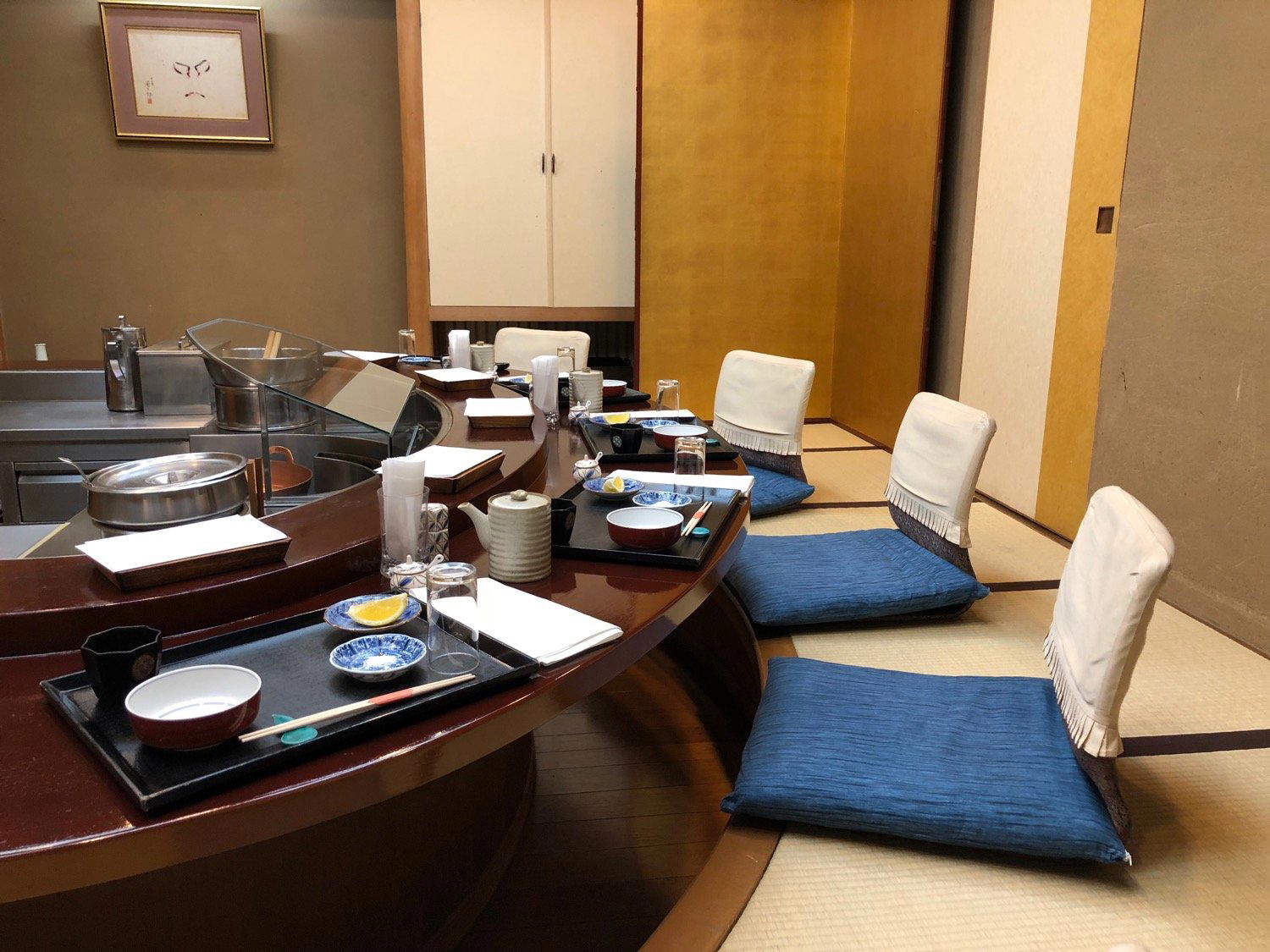
The room matters because soba rewards quiet concentration. A house-restaurant setting, tatami space and non-smoking policy place the meal in a slower register than station-adjacent noodle counters. The scale is not tiny, with 40 seats listed, yet the format keeps the focus domestic rather than metropolitan. Private-room availability for six people and family-friendly notes also point to a local audience, not only travelling noodle hunters.
That mix is useful for visitors trying to read Hakusan. The city is often approached as a gateway to mountain culture, shrine history and rural Ishikawa, while Kanazawa absorbs much of the region’s international restaurant attention. Soba houses like this give a different answer to the question of where to eat: follow the ingredient rather than the nightlife district. For a wider map of the area, Our full Hakusan restaurants guide is the natural starting point, with adjacent planning in Our full Hakusan hotels guide, Our full Hakusan bars guide, Our full Hakusan wineries guide and Our full Hakusan experiences guide.
Comparisons should stay disciplined. Tedorigawa Takeyabu, another soba reference outside the immediate city frame, operates at a higher listed spend, which makes Soan’s lower bracket part of its editorial identity rather than a footnote. Mekumi belongs to a different Japanese-cuisine conversation altogether. The useful lesson is not that one format outranks another; it is that Ishikawa’s serious eating often appears in tightly focused rooms where craft and locality carry more information than menu length.
How to place it in a Hakusan itinerary
Soan works when the day is built around regional food rather than a checklist of famous addresses. The practical intelligence is simple: this is a lunch-driven soba stop with no current reservation path, a Thursday closure pattern, parking listed, and access from Tsurugi Station by foot or short car ride. Payment is cash-minded, with cards, electronic money and QR payments not accepted. Those details make it better suited to a planned rural meal than an improvised late-day detour.
For travellers crossing Japan around food, the contrast is instructive. A Hakusan soba stop reads differently from beef-led dining such as -Grilled beef Sukiyaki- KAMAKURA TANUKIAN 鎌倉 たぬき庵 in Kamakura, charcoal and tuna formats such as. 鮪と炭火焼き うお炭 秋葉原店 in Tokyo, café culture at.cafe in Osaka, or regional casual rooms such as.know in Kumamoto. The same applies to (Shoku) Vietnam in Kawasaki, [Curry Senmon Ten] Maruyama Kyoju. in Sapporo, [ki:] in Kyoto, #肉といえば松田 奈良本店 in Kashihara, Jōdo Saké Bar in Los Angeles and Onigiri Time in Pasadena: each belongs to a different food grammar. Hakusan’s soba grammar is quieter, grain-led and more dependent on timing.
The editorial case is therefore narrow and strong. Choose Soan for buckwheat, regional restraint and a room that treats soba as the meal’s centre rather than a side act. The reward is not spectacle. It is a clear reading of Ishikawa’s rural food culture in a format that asks for attention and gives back proportion.
In Context: Similar Options
Comparable venues by cuisine and price in the same metro.
| Venue | Cuisine | Price | Notes |
|---|---|---|---|
| Soan | Traditional Soba (buckwheat noodle) house | $ | Tsurugi |
| Yao Ya | Okonomiyaki | $ | Tsurugi |
| 御料理 良所 | Sabah Chilli Pan Mee | $$ | Penampang |
| 和田屋 | Casual Small Plates | $$ | Sungai Siput |
| Kitchen Nankai (キッチン南海) | Classic Yoshoku Katsu Curry | $ | Jimbocho |
| 京ゆば工房 | Kyoto Yuba Workshop | $ | Higashiyama |
Recognition history
Dated appearances from independent guides and award organizations, with the underlying list record or original source where available.
Tabelog 100 #14 · No. 14
Tabelog · Tabelog 100 - Soba - WEST - 2025
Continue exploring
More in Hakusan
Restaurants in Hakusan
Browse all →
Bars in Hakusan
Browse all →
Hotels in Hakusan
Browse all →
Wineries in Hakusan
Browse all →
At a Glance
- Cozy
- Rustic
- Classic
- Family
- Casual Hangout
- Solo
- Group Dining
- Standalone
- Historic Building