
Yao Ya puts Hakusan’s okonomiyaki culture in a serious national frame without turning the meal into ceremony. Its selection for Tabelog’s Okonomiyaki 100 in 2023, 2024, and 2025 places a small local room inside a category usually dominated by bigger urban food circuits, making it a sharp choice for travelers reading Ishikawa through everyday cooking rather than kaiseki alone.
Pearl is the En Primeur Club membership app — saves, bookings, and concierge access live there. Same editors, same standards.
- Address
- Ne-79-1 Tsurugimitomachi, Hakusan, Ishikawa 920-2134, Japan
- Phone
- +81 76-256-2883
- Website
- r877200.gorp.jp
- Directions
- Get directions
 Saves & bookings on Pearl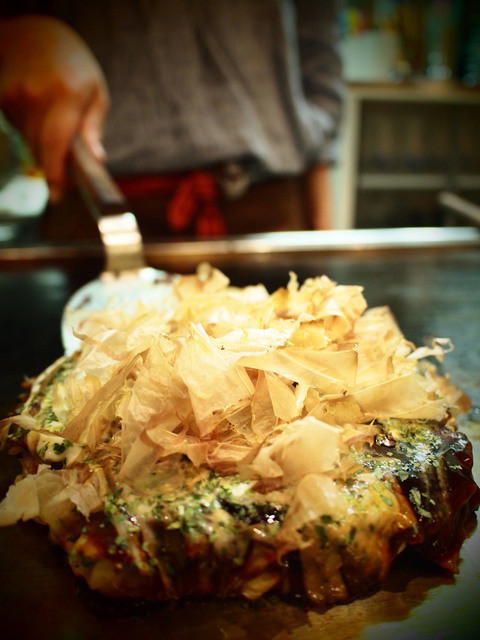
Approaching okonomiyaki in Hakusan means lowering the volume. The city’s stronger culinary signals usually point toward mountain vegetables, river fish, soba, temple-town meals, and the refined hospitality associated with Ishikawa, but griddle cooking tells a different story: informal, ingredient-led, and built for repeat local use rather than ceremonial dining. Yao Ya belongs to that quieter register. The room is compact, the format is casual, and the cooking sits close to the table, where cabbage, batter, sauce, heat, and timing matter more than architectural plating.
That is why its national recognition carries weight. Tabelog’s Okonomiyaki 100 selection in 2023, 2024, and 2025 puts a Hakusan address into a conversation often centered on Osaka, Hiroshima, and dense metropolitan neighborhoods where griddle restaurants are easier to compare in volume. In Ishikawa, the genre reads differently. Okonomiyaki is less a tourist emblem than a social meal, and a house operating at this level gives visitors a useful counterpoint to the region’s more formal dining vocabulary.
Okonomiyaki in Ishikawa, read through ingredients rather than spectacle
Okonomiyaki is frequently reduced to regional rivalry: Osaka-style mixed batter versus Hiroshima-style layering, with arguments over noodles, cabbage structure, sauce, and griddle technique. Hakusan shifts the lens. The surrounding area is defined by agricultural valleys, mountain access, and a food culture that has long valued seasonality without needing to announce it. At a restaurant like Yao Ya, the point is not reinvention. The appeal is how ordinary ingredients behave under direct heat, and how a dish associated with casual eating can earn national attention through control rather than novelty.
The ingredient-sourcing angle matters because okonomiyaki is unforgiving in plain sight. Cabbage that releases too much water changes the texture. Batter that sits too heavy turns the dish dull. Protein, seafood, or other additions have to support the griddle structure rather than dominate it. Sauce and mayonnaise can cover mistakes, but they cannot fix poor balance. Recognition in the Okonomiyaki 100 category suggests that the kitchen is being judged against specialists, not against the forgiving standards of a neighborhood snack meal.
Hakusan’s dining map helps explain the contrast. Soan works in a similarly accessible price band, while 和田屋 and 御料理 良所 point toward a more formal Ishikawa register. Read together, they show why the city should not be treated as a single dining type. There is room here for ritualized Japanese cuisine and for griddle cooking that depends on rhythm, sourcing, and repeat custom.
A small-room format where the griddle sets the pace
The physical scale is part of the editorial argument. With 20 seats split between tables and a small counter, the experience sits closer to a local specialist than a high-volume tourist restaurant. That scale changes the meal. Okonomiyaki does not benefit from being rushed through a large dining room; it needs heat management, turnover discipline, and a kitchen that can pace batter, fillings, and finishing without losing texture. In a smaller room, the griddle becomes the center of the evening rather than a background appliance.
The drinks list also signals the restaurant’s place in the local dining ecosystem. Sake, shochu, and wine make sense with this style of food because okonomiyaki is both salty and textural, with enough richness to handle stronger drinks and enough sweetness in the sauce profile to make pairing choices matter. This is not the pairing logic of tasting-menu cuisine. It is the practical logic of a table that may order several griddle dishes and stay within a social, casual rhythm.
There is a useful caution for travelers here: national list recognition does not automatically mean luxury cues. The stronger reading is specialist credibility. The category, the repeat Tabelog selections, and the modest format all point to a restaurant that should be understood as a serious casual address, not as a polished fine-dining stop. That distinction matters in Hakusan, where the pleasure is often found in choosing the right register for the night rather than chasing formality.
How to place it in a Hakusan itinerary
Yao Ya makes particular sense on a trip that already includes Hakusan’s temples, mountain approaches, or countryside stays, because it gives the day a grounded finish. Travelers using Our full Hakusan restaurants guide can place it beside more traditional meals rather than treat it as a substitute for them. For staying nearby, Our full Hakusan hotels guide is the more useful planning layer; for evenings beyond dinner, the city pages for Hakusan bars, Hakusan wineries, and Hakusan experiences help separate a single meal from a fuller regional stay.
For readers building a wider Japan food route, the comparison is instructive rather than literal. A Hakusan okonomiyaki specialist sits in a different universe from -Grilled beef Sukiyaki- KAMAKURA TANUKIAN 鎌倉 たぬき庵 in Kamakura. 鮪と炭火焼き うお炭 秋葉原店 in Tokyo.cafe in Osaka.know in Kumamoto, (Shoku) Vietnam in Kawasaki, [Curry Senmon Ten] Maruyama Kyoju. in Sapporo, [ki:] in Kyoto, and #肉といえば松田 奈良本店 in Kashihara. Those links map range; they do not flatten the categories. For overseas readers using Japanese comfort food as a reference point, Jōdo Saké Bar in Los Angeles and Onigiri Time in Pasadena show how the same appetite for direct, ingredient-forward Japanese formats travels differently outside Japan.
The editorial case is simple: choose Yao Ya when the goal is to understand Hakusan through a casual form that has earned national category attention. It is not the city’s formal face, and that is the point. Okonomiyaki here works as a test of proportion, sourcing, heat, and restraint, which makes the meal more revealing than its informal format first suggests.
Comparison Snapshot
Comparable venues by cuisine and price in the same metro.
Recognition history
Dated appearances from independent guides and award organizations, with the underlying list record or original source where available.
Tabelog 100 #57 · No. 57
Tabelog · Tabelog 100 - Okonomiyaki - 2025
Continue exploring
More in Hakusan
Restaurants in Hakusan
Browse all →
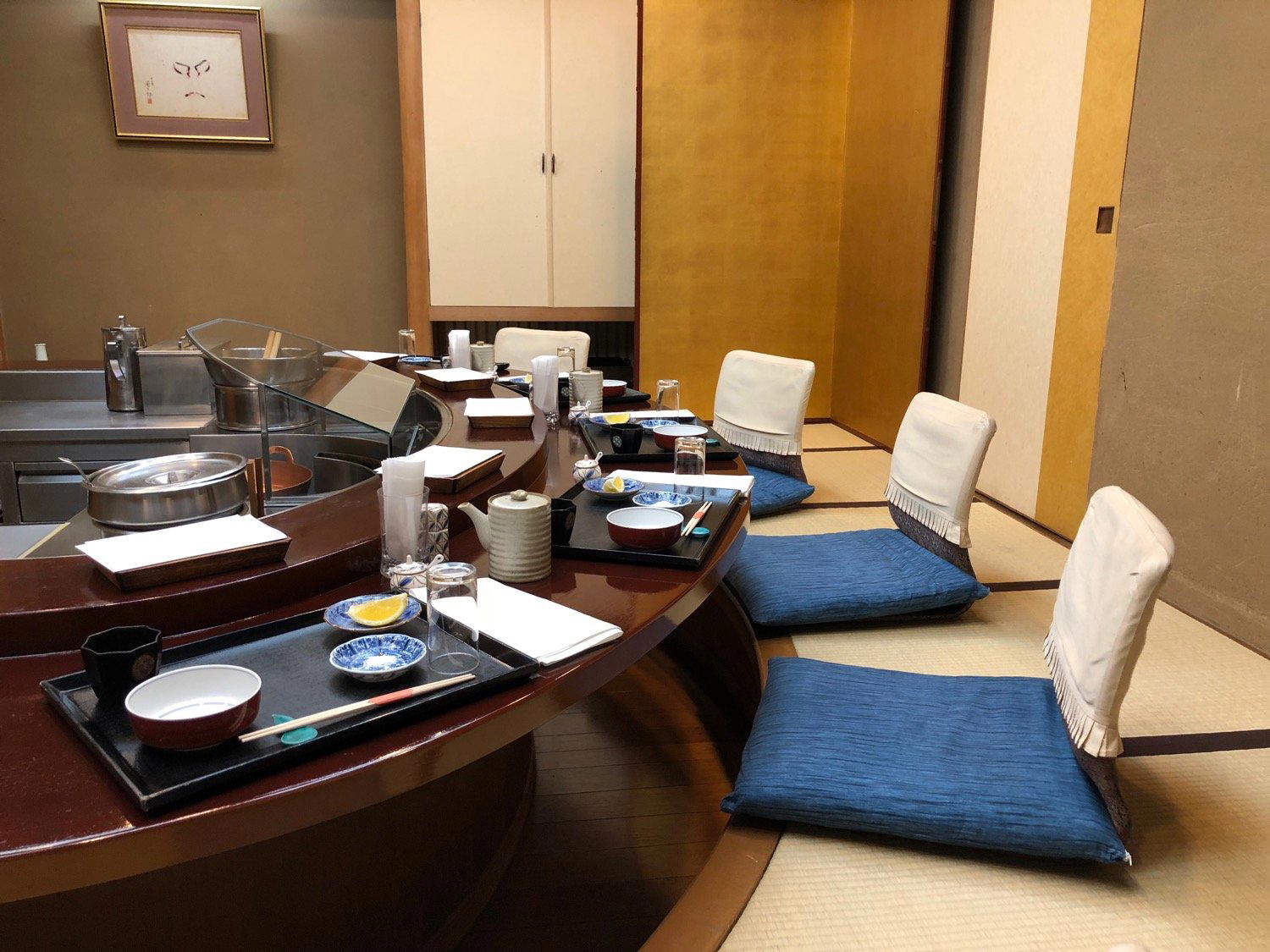
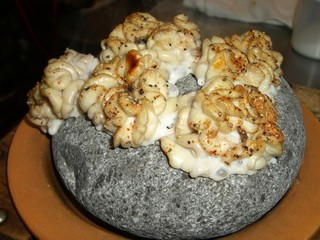
Bars in Hakusan
Browse all →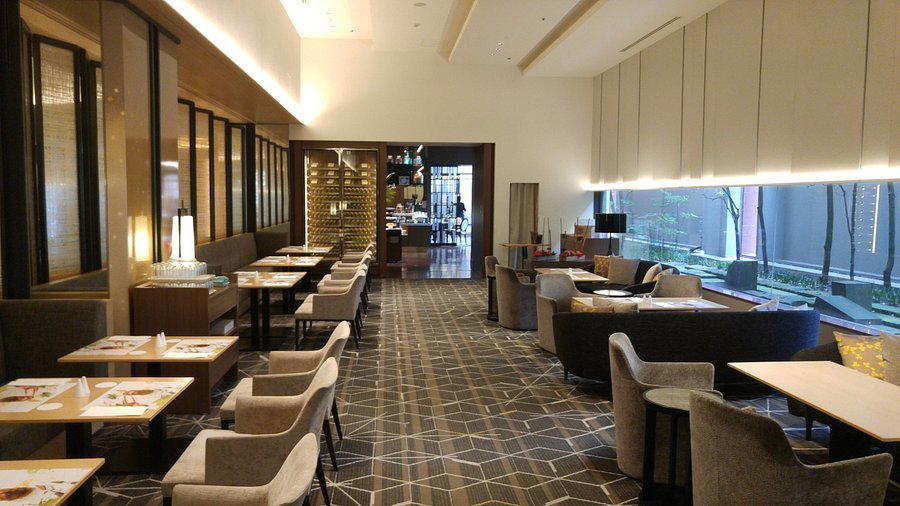
Hotels in Hakusan
Browse all →
Wineries in Hakusan
Browse all →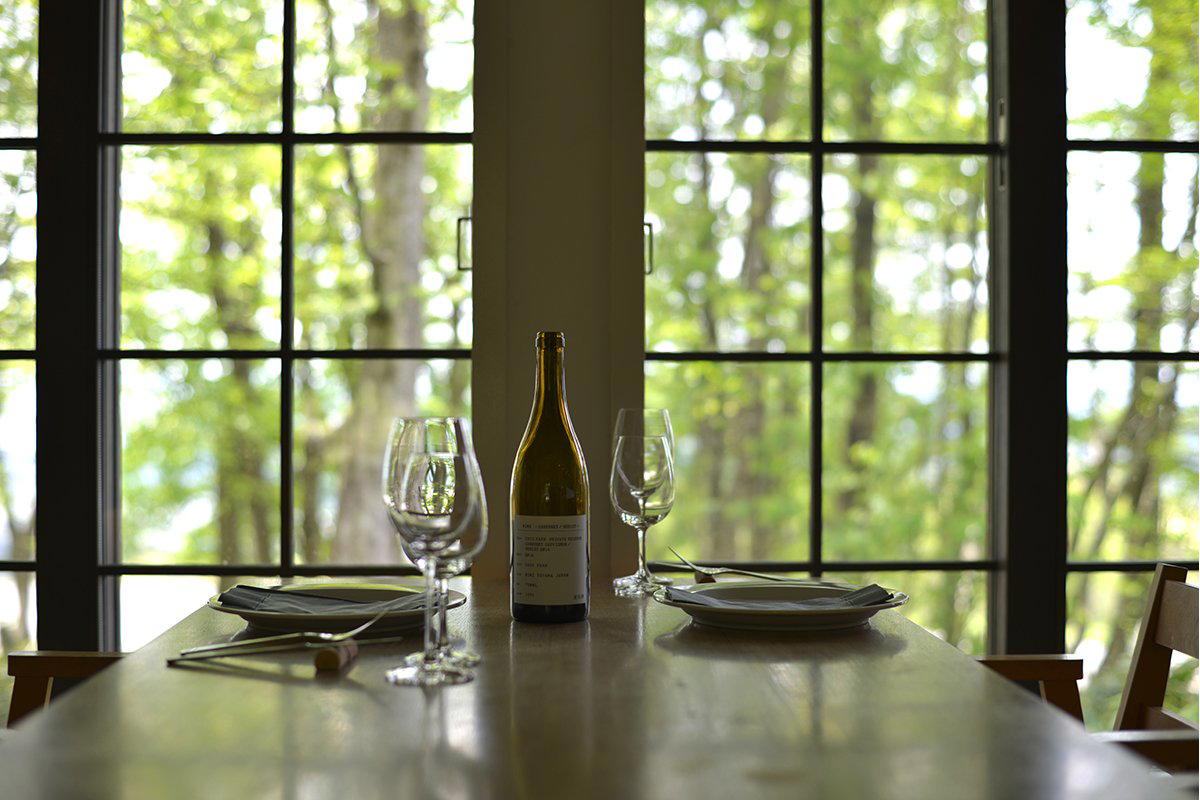
At a Glance
- Quiet
- Cozy
- Rustic
- Casual Hangout
- Family
- Solo
- Standalone
- Beer Program
- Sake Program
- Extensive Wine List
- Local Sourcing
Current opening hours
- Monday
- 6:30–10 PM
- Tuesday
- Closed
- Wednesday
- 6:30–10 PM
- Thursday
- 6:30–10 PM
- Friday
- 6:30–10 PM
- Saturday
- 6:30–10 PM
- Sunday
- 6:30–10 PM
Hours can change for holidays and private events. Last verified .
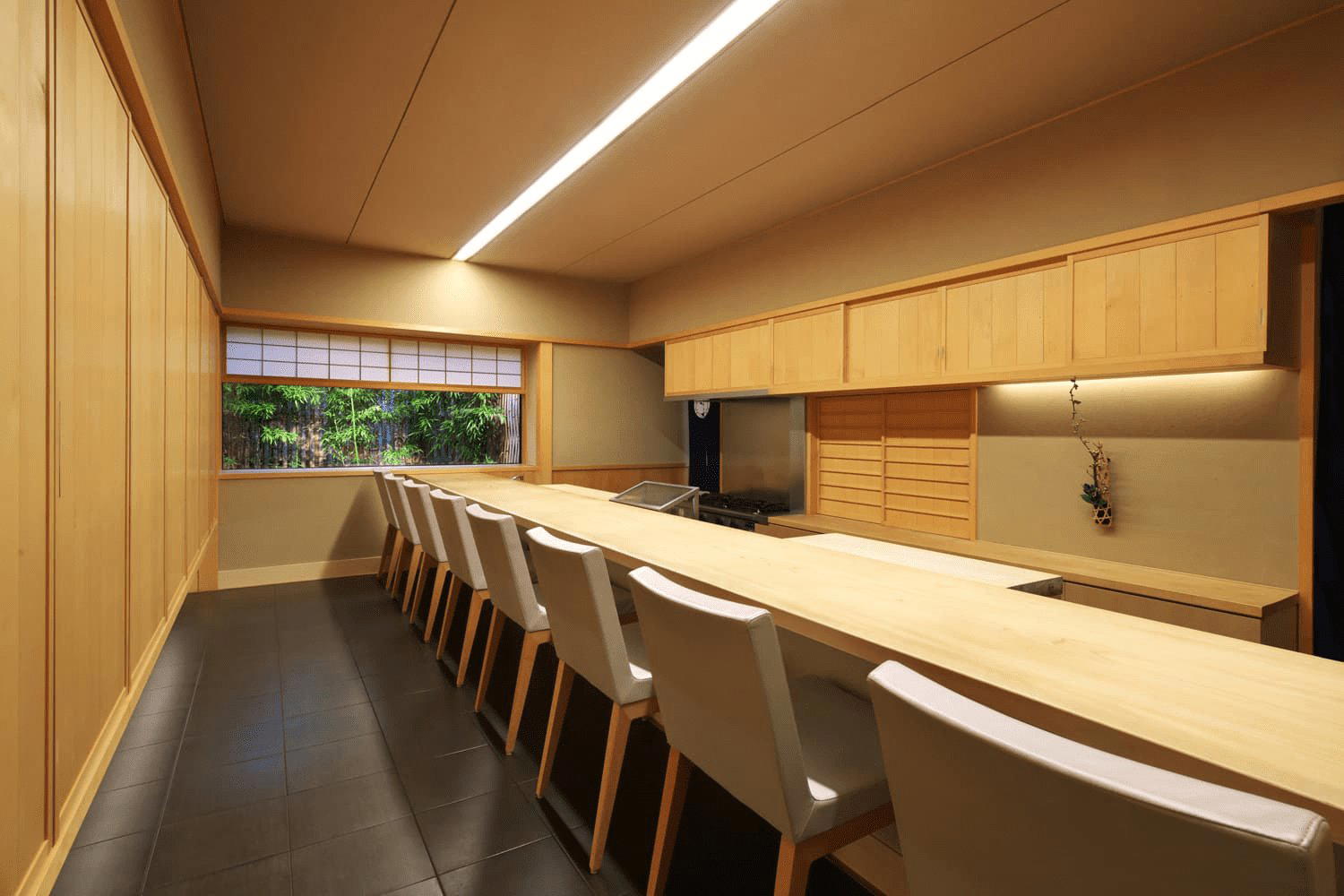
A calm, wood-toned interior in a rural setting, with a relaxed and unhurried atmosphere.