
Tabelog 100 #88
Our verdict
A 15-seat counter in Jimbocho, Kitchen Nankai Chiyoda kanda jinbou ten sits in Tokyo’s yoshoku tradition: Japanese-style Western cooking built for speed, value, and repeat local use. It is listed in Tabelog 100 Yoshoku EAST 2025, with curry, tonkatsu, and counter-service practicality defining the appeal at under JPY 999.

Pearl is the En Primeur Club membership app — saves, bookings, and concierge access live there. Same editors, same standards.
- Address
- Japan, 〒101-0051 Tokyo, Chiyoda City, Kanda Jinbocho, 1 Chome−39−8
- Phone
- +81 3-3219-1616
- Hours
- Mon–Sat 11:15 AM–3 PM, 5–7:30 PMSun Closed
- Website
- instagram.com
- Directions
- Get directions
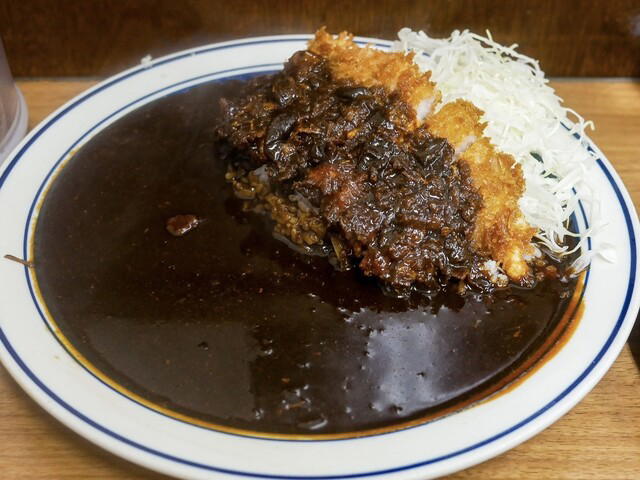
The menu
What to order
- Katsu curry
- Cream croquette curry
- Pork cutlet rice
Tokyo is a city of quick lunchtime decisions, office workers, students, and compact dining rooms that run on rhythm. That pace suits yoshoku: plates borrowing Western forms but answering to Japanese habits of rice, curry, cutlet, sauce, and counter efficiency. Kitchen Nankai Chiyoda kanda jinbou ten sits in that everyday Tokyo register, where the room is less theatre than working machine: compact, practical, and built for pace over ceremony.
The useful distinction is not luxury versus casual, but lunch versus dinner. Daytime Tokyo is shaped by short breaks, study schedules, and office routines, all rewarding restaurants that feed one person cleanly and quickly. Evening service may soften the pressure but not the category: this remains functional urban yoshoku, not a long-form tasting experience.
Tokyo yoshoku is about pace, price discipline, and counter culture
Tokyo yoshoku is often misread by travellers as retro Western food. In practice, it is Japanese urban cuisine with its own rules: curry rice, pork cutlet, fried items, sauces, cabbage, rice, and plates calibrated for weekday repetition. The category rewards consistency, speed, and places that do not turn comfort food into nostalgia theatre.
That is why Tabelog’s Yoshoku 100 selections matter here. Kitchen Nankai Chiyoda kanda jinbou ten was selected for Tabelog 100 - Yoshoku - EAST - 2025. In a city saturated with high-price sushi counters and French-influenced tasting menus, this recognition marks another kind of seriousness: a low-cost, high-turnover genre judged by regular-use standards.
The price band sharpens the point. A listed - JPY 999 - JPY 999 average puts the restaurant firmly in Tokyo’s low-cost everyday lane. Nearby café and casual peers such as Tea House TAKANO, LADRIO, Milonga Nuova, and Curry & Wine Bistro Beppinsha Ochanomizu ten can be useful contrasts in mood and format, but Kitchen Nankai Chiyoda kanda jinbou ten is best understood through its own price discipline. In Tokyo’s price-sensitive food culture, small differences can decide whether a place becomes a daily habit or an occasional pause.
There is also a lineage note, but it is best handled carefully. Kitchen Nankai Chiyoda kanda jinbou ten should be read on the evidence available now: a Tokyo yoshoku address recognized in the Tabelog 100 - Yoshoku - EAST - 2025 selection. Its value is in carrying the category’s grammar into a present-day practical format, not in leaning on unsupported claims about ownership, dates, or continuity.
Lunch carries the pressure; dinner gives the format more room
Lunch is the sharper lens. Daytime Tokyo must absorb single diners, short breaks, and a city that does not forgive slow turnover. The solo-dining signal fits the category: a compact yoshoku meal can work without a group, reservation plan, or extended conversation with the room. In Tokyo, that is not minor convenience; it helps explain yoshoku’s durability.
Dinner changes tempo without changing premise. Read it as an efficient meal for diners already moving through Tokyo, not necessarily a destination for lingering. The same category logic carries into evening, with less office rush, more breathing room, and the same compact economy around rice, curry, cutlet, and sauce.
The menu categories tell the story: yoshoku, tonkatsu, and curry. Those anchors place it in a practical Tokyo lane, distinct from other casual dining rooms and specialist formats across the city. The point is not breadth, but the tight overlap of cutlet, curry, rice, and the kind of plate that suits a quick urban meal.
For a wider sense of Tokyo casual and specialist categories, compare it with other unnamed Tokyo dining rooms: seafood-led izakaya energy, yakitori structure, café formats, and specialist curry counters all operate by different rules. Kitchen Nankai Chiyoda kanda jinbou ten is quieter in ambition, but its discipline is exactly why it fits Tokyo.
How to read it in a Tokyo dining itinerary
This is not the Tokyo meal to schedule around ceremony. It explains why everyday categories retain cultural weight in a city internationally obsessed with reservation-only counters. The practical format makes it best when plans are flexible: arrive in Tokyo with room in the day, accept the pace, and treat the meal as part of the city’s working rhythm rather than a set-piece dinner.
Transport shapes the decision only in broad terms. This is rail-and-foot Tokyo rather than a parking-led outing, and the meal works best when folded into other plans nearby in the city. The practical limitation is not a luxury code but the ordinary need to check current venue details before going, especially for service times and payment setup.
Readers building a broader Tokyo plan can place this in the low-cost yoshoku slot, then use the full Tokyo restaurants guide for higher-touch dining, the full Tokyo hotels guide for where to stay, the full Tokyo bars guide for the evening, the full Tokyo wineries guide for wine-focused planning, and the full Tokyo experiences guide for cultural scheduling. Beyond this address, the same low-to-mid price logic appears across many everyday Japanese dining categories, while Japanese food culture abroad shows how different these formats become once removed from their daily-use context.
The editorial call is simple: come for the category, not spectacle. Tokyo’s yoshoku counters matter because they compress the city’s dining intelligence into small rooms, short menus, and prices that reward regulars. This address works when the reader wants that lesson in practical form.
Frequently asked questions
Where is Kitchen Nankai Chiyoda kanda jinbou ten in Tokyo?
Tokyo.
When is Kitchen Nankai Chiyoda kanda jinbou ten open?
Specific opening hours are not provided in the available venue facts. Check the venue's official channels for the latest details.
Is Kitchen Nankai Chiyoda kanda jinbou ten more mid-range or high-end?
Pricing at Kitchen Nankai Chiyoda kanda jinbou ten is listed as - JPY 999 - JPY 999, with dinner and lunch both listed as - JPY 999.
What's the standout thing about Kitchen Nankai Chiyoda kanda jinbou ten?
Its calling card is category and recognition: yoshoku, tonkatsu, and curry in a practical Tokyo format, with selection for Tabelog 100 - Yoshoku - EAST - 2025 and a listed score of 3.67.
Can Kitchen Nankai Chiyoda kanda jinbou ten adjust for dietary needs?
Those details are not published in the available venue facts. Diners should plan around the restaurant’s fixed setup rather than assuming special adjustments. Check the venue's official channels for the latest details.
Cost Snapshot
Comparable venues at a similar level for quick context.
| Venue | Cuisine | Price | Awards | Notes |
|---|---|---|---|---|
| Kitchen Nankai Chiyoda kanda jinbou tenThis venue — the venue you are viewing | Japanese Yoshoku | $1–10 | Tabelog 100 #88 | Not listed |
| Umemura | Japanese Soul Food | Not listed | Tabelog 100 #44 | Koto, Japanese Soul Food |
| Sabouru 2 | Yoshoku & Napolitan Pasta Kissaten | $10–20 | Tabelog 100 #49 | Chiyoda, Yoshoku & Napolitan Pasta Kissaten |
| Tsukesoba Kanda Katsumoto | Tsukemen & ramen-style dipping noodles | $10–20 | Tabelog 100 #49 | Chiyoda, Tsukemen & ramen-style dipping noodles |
| Nihonbashi Nishikihorin Karintou senmonten | Traditional Japanese Karintou Specialty Shop | $1–10 | Tabelog 100 #69 | Chiyoda, Traditional Japanese Karintou Specialty Shop |
| Houraiya Honten | Traditional Japanese Wagashi & Tea | Not listed | Tabelog 100 #19 | Chiyoda, Traditional Japanese Wagashi & Tea |
Recognition history
Dated appearances from independent guides and award organizations, with the underlying list record or original source where available.
Tabelog 100 #88 · No. 88
Tabelog · Tabelog 100 - Yoshoku - EAST - 2025






Details
- Classic
- Cozy
- Solo
- Casual Hangout
- Standalone
- A La Carte
- Set Menu
Current opening hours
- Monday
- 11:15 AM–3 PM, 5–7:30 PM
- Tuesday
- 11:15 AM–3 PM, 5–7:30 PM
- Wednesday
- 11:15 AM–3 PM, 5–7:30 PM
- Thursday
- 11:15 AM–3 PM, 5–7:30 PM
- Friday
- 11:15 AM–3 PM, 5–7:30 PM
- Saturday
- 11:15 AM–3 PM, 5–7:30 PM
- Sunday
- Closed
Hours can change for holidays and private events. Last verified .
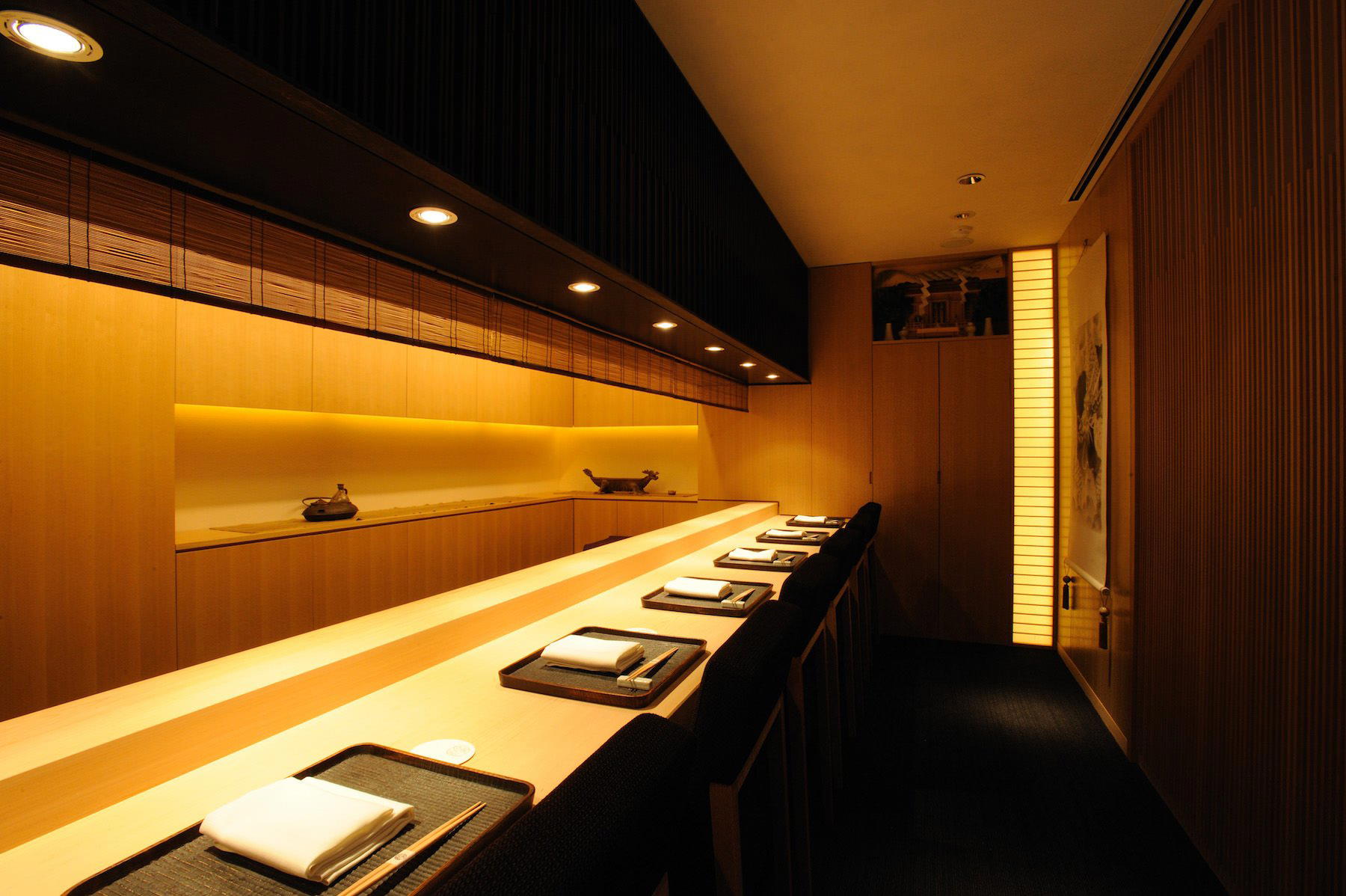
Simple, intimate counter dining with a no-frills neighborhood feel.