Skinos
Located on Washington Street in Lower Manhattan, Skinos operates where Mediterranean culinary traditions intersect with New York's demanding ingredient sourcing culture. The restaurant addresses a dining tier that values technique imported from the eastern Mediterranean alongside produce drawn from the Northeast's seasonal supply chain. Reserve well in advance; the Financial District's premium dinner market moves quickly.
Pearl is the En Primeur Club membership app — saves, bookings, and concierge access live there. Same editors, same standards.
- Address
- 123 Washington St, New York, NY 10006
- Phone
- +13323333208
- Website
- skinos123.com
- Directions
- Get directions
 Saves & bookings on Pearl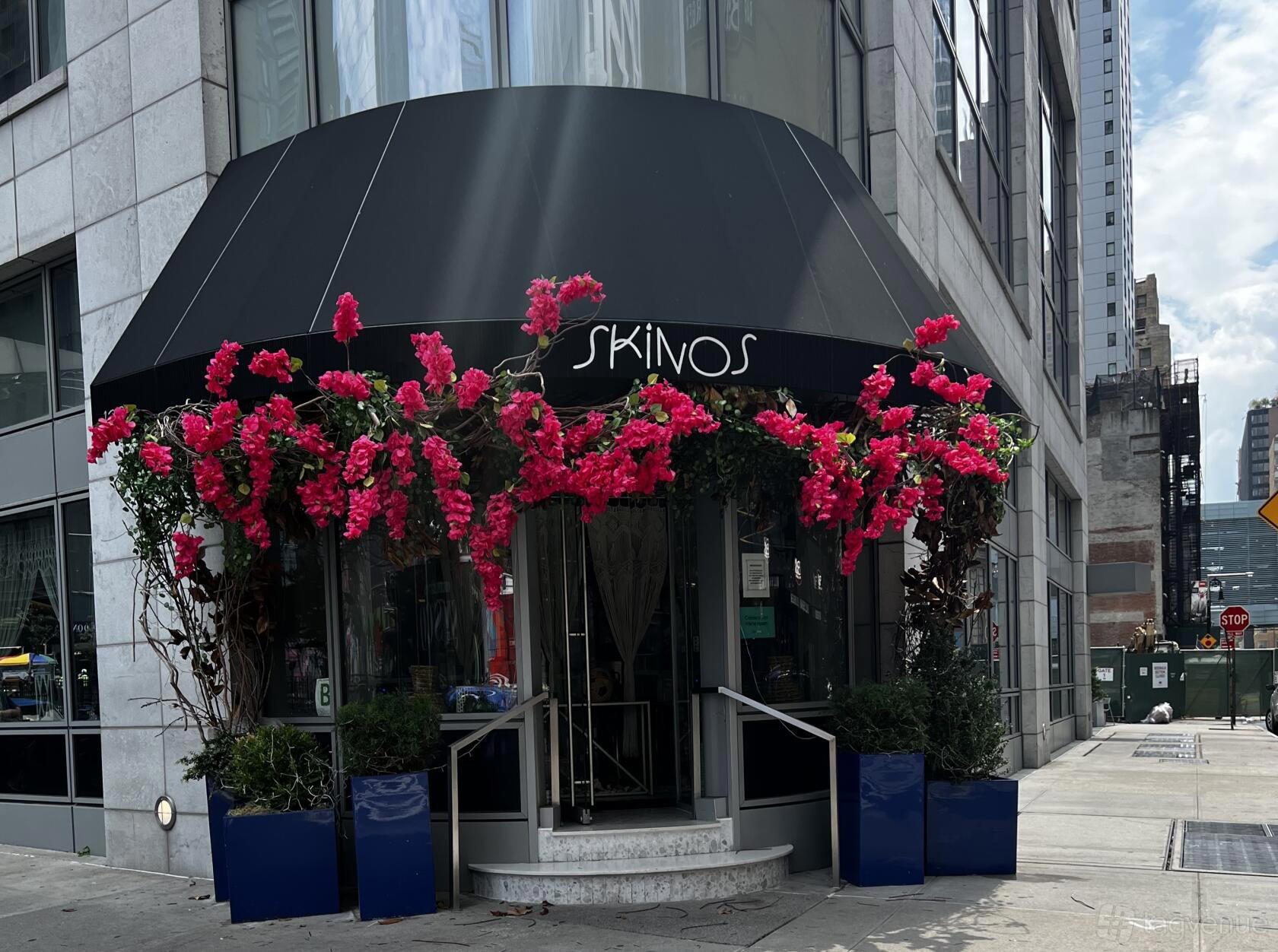
Where the Eastern Mediterranean Meets the Northeast Pantry
Skinos is a Modern Greek restaurant at 123 Washington St in New York City's Financial District. Once dismissed as a lunch-only district for finance workers, the blocks around Washington Street now hold a more varied evening trade, one that rewards restaurants willing to commit to a serious culinary position rather than a convenient one. Within that context, Skinos occupies a specific niche: a kitchen that brings Mediterranean framework and technique to bear on ingredients sourced predominantly from the Northeast American supply chain. That intersection, of imported method and local product, is the operative tension that defines what the restaurant is trying to do.
Kitchens from Blue Hill at Stone Barns in Tarrytown to Single Thread Farm in Healdsburg have built reputations on the argument that sourcing discipline and technique can coexist without one cannibalizing the other. In New York City specifically, that argument plays out across a range of price tiers and cuisines. Skinos positions itself within that conversation from a Mediterranean angle, a less crowded lane in a city whose high-end roster is weighted toward French and Japanese formats. Compare the comparable set at the summit of the Manhattan market: Le Bernardin and Per Se anchor the French tradition; Masa defines the Japanese omakase ceiling; Atomix and Jungsik New York have established that Korean-rooted progressive cooking holds a credible place at the leading table. The Mediterranean register remains comparatively open at the upper tier.
The Logic of Local Ingredients in a Mediterranean Frame
The editorial angle here matters because it shapes what a kitchen actually does on the plate. Mediterranean cooking, at its technical core, is built around restraint with fat, respect for acidity, and confidence in the quality of raw material. Olive oil, citrus, dried legumes, preserved fish, and seasonal alliums have structured this culinary tradition for centuries across Greece, Turkey, Lebanon, and the Levant. When that framework encounters the Northeast's seasonal supply, the logic becomes productive rather than contradictory: Hudson Valley vegetables and New England shellfish, applied with the structural reasoning of a kitchen trained on Aegean or Levantine principles, produce results that neither tradition would arrive at independently.
This approach has precedents across American fine dining. Providence in Los Angeles applies rigorous French-trained technique to Pacific seafood in a way that changes what both the technique and the ingredient can express. Alinea in Chicago operates at the far end of technical intervention, but the underlying logic, that imported method can unlock domestic product, is the same. The French Laundry in Napa has made the case for decades that California produce, handled with classical precision, belongs in the same conversation as European source material. Skinos is working in that lineage from a different geographic starting point.
The Financial District Dining Context
Washington Street in the Financial District places Skinos in a neighbourhood that draws a specific diner profile: finance professionals with narrow windows for dinner and high baseline expectations, alongside visitors to Lower Manhattan who are looking for something beyond the Tribeca circuit. The area's premium dinner trade is smaller in volume than Midtown or the West Village, but it sustains serious restaurants. The proximity to the World Trade Center complex and the Hudson River waterfront also means the restaurant draws leisure visitors in addition to the weekday corporate crowd, which affects the rhythm of the room across the week.
Seasonality matters here in a way that is specific to this latitude. The Northeast's agricultural calendar is compressed: spring produce arrives late relative to mid-Atlantic growing regions, and the summer window for local tomatoes, corn, and stone fruit is short. A kitchen committed to working with regional supply has to shift its menu structure accordingly, which means what is on the plate in February, when root vegetables and preserved and cured product dominate, looks substantially different from what is available in August. That seasonal discipline, when applied through a Mediterranean lens, produces a menu that traces both the rhythm of the local growing calendar and the preserved and pickled traditions of eastern Mediterranean pantry cooking.
Where Skinos Sits in the Broader American Scene
Placed in the wider national context, Skinos addresses a gap that most American cities have not yet filled. The Mediterranean upper tier is a credible category in European cities, Paris, London, and Barcelona among them, but in the United States, it remains sparsely populated at the fine dining level. Addison in San Diego and Bacchanalia in Atlanta represent the kind of regional ambition that elevates a city's dining conversation; Emeril's in New Orleans and Lazy Bear in San Francisco show that format and culinary identity can be as much a signature as specific dishes. Internationally, the technical seriousness applied at Alain Ducasse at Louis XV in Monte Carlo or 8½ Otto e Mezzo Bombana in Hong Kong demonstrates that Mediterranean-rooted cooking can sustain a formal fine dining structure. The Inn at Little Washington makes the case that commitment to a culinary identity, sustained over time, is what converts a good restaurant into a reference point. Skinos is working toward that kind of position from a Financial District address and a Mediterranean starting point.
Planning Your Visit
| Venue | Cuisine Register | Price Tier | Typical Lead Time | Neighbourhood |
|---|---|---|---|---|
| Skinos | Mediterranean | Confirm on-site | Contact directly | Financial District |
| Le Bernardin | French Seafood | $$$$ | 2-4 weeks minimum | Midtown West |
| Atomix | Modern Korean | $$$$ | 4-8 weeks | Nomad |
| Masa | Sushi Omakase | $$$$ | 6-10 weeks | Columbus Circle |
| Per Se | French Contemporary | $$$$ | 3-6 weeks | Columbus Circle |
Peers You’d Cross-Shop
Comparable venues nearby, for context on price, style, and recognition.
| Venue | Cuisine | Price | Notes |
|---|---|---|---|
| SkinosThis venue — the venue you are viewing | Modern Greek | $$$ | Not listed |
| Myka Greek Frozen Yogurt | Greek Frozen Yogurt | $$$ | West Village |
| Nostos | Modern Greek | $$$ | East Midtown-Turtle Bay |
| Lola Taverna | Modern Greek with American Influences | $$$ | SoHo-Little Italy-Hudson Square |
| Loi Estiatorio | Authentic Greek | $$$ | Central Park |
| estiatorio Milos Midtown | Contemporary Greek Mediterranean Seafood | $$$$ | Midtown-Times Square |
Continue exploring
More in New York City
Restaurants in New York City
Browse all →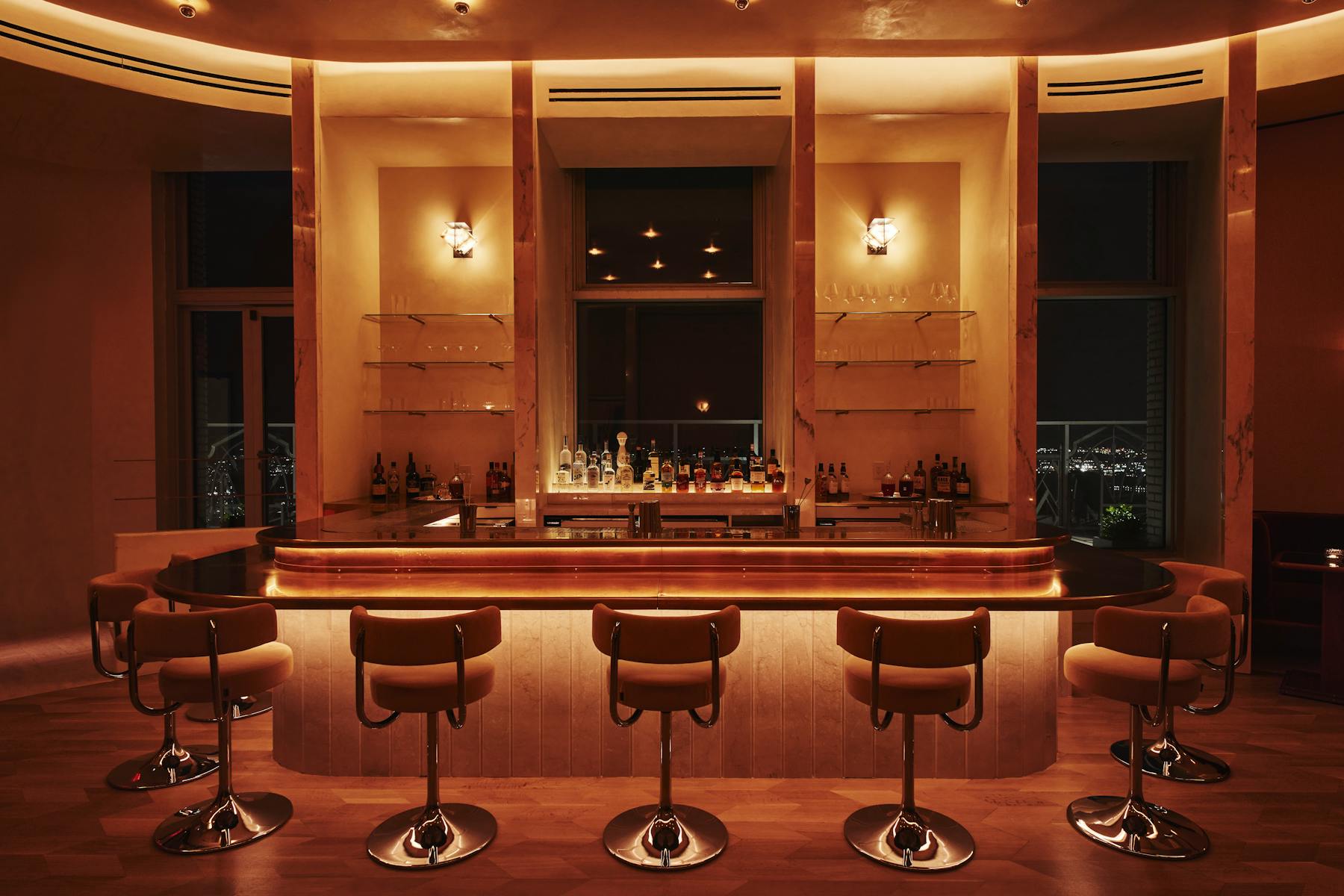
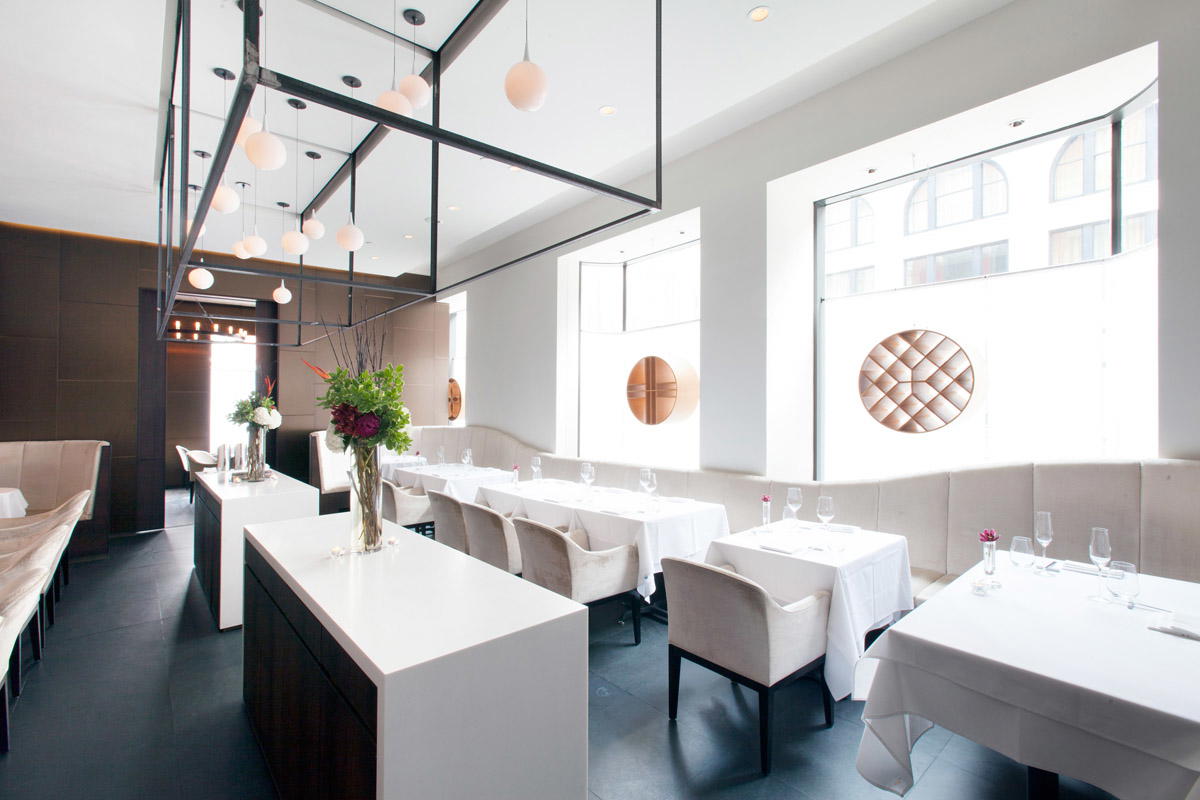
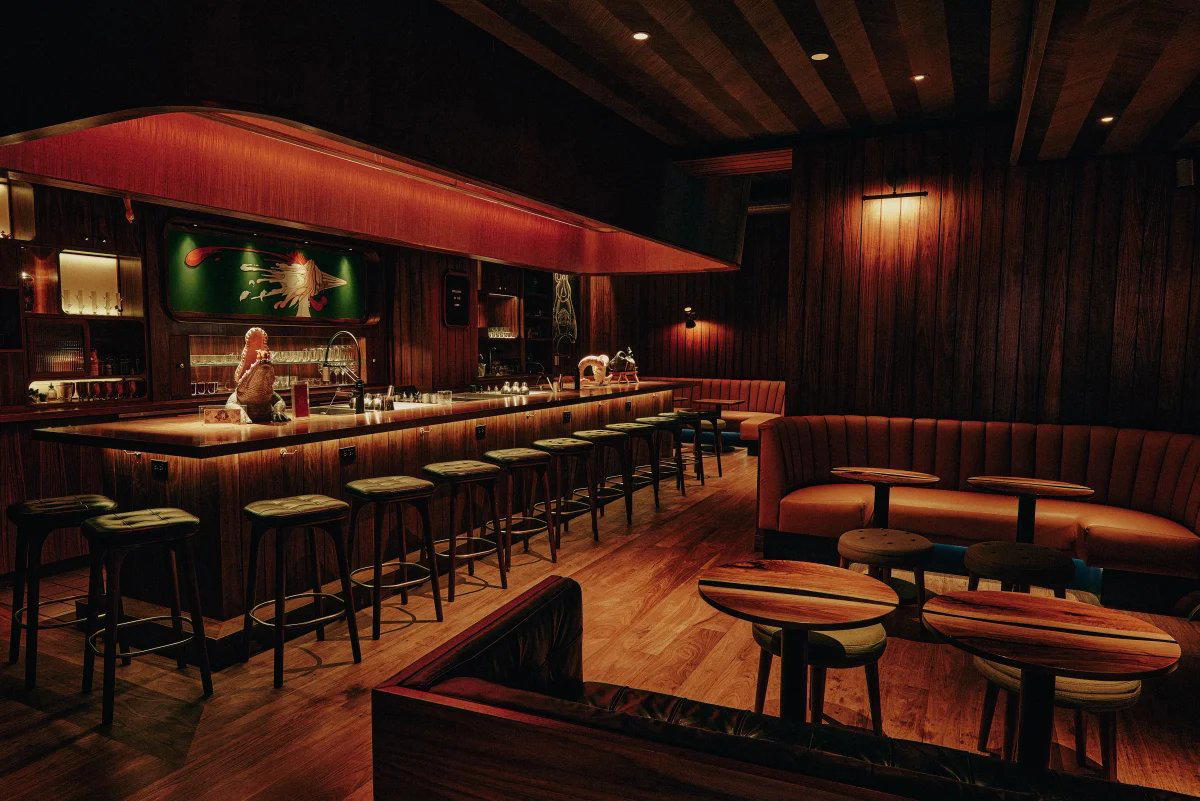
Bars in New York City
Browse all →
Hotels in New York City
Browse all →






At a Glance
- Modern
- Elegant
- Sophisticated
- Date Night
- Group Dining
- Casual Hangout
Current opening hours
- Monday
- 11:30 AM–10:30 PM
- Tuesday
- 11:30 AM–10:30 PM
- Wednesday
- 11:30 AM–10:30 PM
- Thursday
- 11:30 AM–11:30 PM
- Friday
- 11:30 AM–12 AM
- Saturday
- 11:30 AM–12:30 AM
- Sunday
- 11:30 AM–10:30 PM
Hours can change for holidays and private events. Last verified .
contemporary atmosphere honoring Greek traditions with creative modern twists