Lola Taverna
Lola Taverna occupies 210 6th Avenue in Manhattan's West Village, a neighbourhood where hospitality formats range from tasting-menu temples to neighbourhood tables with serious sourcing programs. The taverna format positions it in the more accessible tier of serious dining, where the conversation is as much about where ingredients come from as what happens to them in the kitchen.
- Address
- 210 6th Ave, New York, NY 10014
- Phone
- +12129949821
- Website
- lolataverna.com
- Directions
- Get directions
A West Village Address in a Neighbourhood That Takes Sourcing Seriously
Sixth Avenue at the edge of Greenwich Village sits at an interesting fault line in New York's dining geography. Within a few blocks, you find casual wine bars with natural-leaning lists, neighbourhood trattorias that have held their ground for decades, and a few spots that dress down their room while dressing up their sourcing credentials. The taverna format, with its roots in communal, ingredient-forward cooking, fits that environment more naturally than the tasting-menu architecture of the city's upper tier. Where restaurants like Per Se or Masa operate as destination pilgrimages, a taverna by definition is built for return visits, the kind of place where the sourcing story accumulates across seasons.
That positioning matters in a city where fine dining has fractured sharply over the past decade. The four-star format, represented locally by Le Bernardin and the tasting-counter tier exemplified by Atomix and Jungsik New York, is one universe. The neighbourhood-serious format is another: fewer courses, more bottles opened mid-table, and a menu logic that tracks regional producers rather than classical French progression. Lola Taverna operates in that second category, and the West Village gives it a neighbourhood that is already primed to receive that argument.
The Sustainability Thread Running Through the Taverna Tradition
Across American restaurants that have built credible sustainability programs, a few consistent structural choices appear: direct producer relationships rather than broadline distribution, menus that rotate with harvest rather than marketing calendars, and a kitchen philosophy that treats offcuts and secondary ingredients as features rather than waste. Blue Hill at Stone Barns in Tarrytown made that model famous at the high end. Single Thread Farm in Healdsburg extended it into a hospitality format where the farm feeds the inn. What the taverna register offers is a version of the same argument at a less ceremonial register, where the ethical sourcing logic runs through shareable plates and family-style abundance rather than composed ten-course sequences.
That compression matters. When Lazy Bear in San Francisco or Alinea in Chicago deploy sourcing credentials, the format demands that every detail be explained and contextualised for a captive dining room. The taverna format allows the sourcing story to sit in the background, legible to those who want to read it and invisible to those who just want the food. Both approaches serve a genuine sustainability commitment; they are just calibrated for different dining tempos.
New York's proximity to serious agricultural infrastructure, particularly the Hudson Valley and Long Island's East End, gives any restaurant at this address a credible catchment of ethical suppliers. The decision to operate as a taverna rather than a tasting-menu format signals something about how those relationships are meant to translate to the plate: less as narrative, more as flavour.
Reading Lola Taverna Against Its comparable set
At 210 6th Avenue, Lola Taverna sits geographically close to, but philosophically some distance from, the highest-priced dining in New York. The comparison is worth making not to diminish either end of the spectrum but to clarify what each is for. The chef's-counter format at places like Atomix, with its twelve-seat room and multi-stage service, is built for a specific kind of concentrated attention. The taverna format is built for a different kind of evening entirely: more people, more shared dishes, more room for the conversation to wander.
Nationally, the restaurants that have built particularly durable reputations for ethical sourcing without the tasting-menu apparatus include Providence in Los Angeles, with its longstanding Marine Stewardship Council certification on seafood, Bacchanalia in Atlanta, which has been farm-connected since before it was an industry talking point, and Addison in San Diego. What those restaurants share is a commitment that pre-dates the current market premium on sustainability language. The question for any new entrant in that conversation is whether the sourcing program is operational or decorative.
At the international end of fine dining, properties like Alain Ducasse at Louis XV in Monte Carlo have demonstrated that rigorous sourcing and classical kitchen architecture can coexist. Closer in format to Lola Taverna, the trattoria and taverna traditions in European cities have long operated on seasonal necessity rather than seasonal marketing, buying what is available and building the menu around constraints rather than around branding. That older model is, in some ways, one honest version of the sustainability story.
The West Village as Context
Greenwich Village and the West Village have hosted serious eating establishments long enough that the neighbourhood has its own culinary memory. The blocks around 6th Avenue have seen wine bars come and establish themselves as institutions, pizzerias that attract queues long after their novelty has faded, and a consistent appetite for Italian and Mediterranean formats that reflect the neighbourhood's older demographic mix and its preference for quality over spectacle. A taverna at this address is reading that room correctly. The format, with its emphasis on shared plates and accessible price points relative to the tasting-menu tier, matches a neighbourhood that tends to dine regularly rather than occasionally. For a deeper survey of where the restaurant fits within the broader dining ecosystem, our full New York City restaurants guide maps the territory across price tiers and cuisine categories.
Comparable commitments to ethical sourcing within a more institutional American fine dining context appear at The French Laundry in Napa and The Inn at Little Washington, both of which have built kitchen gardens and producer networks into their operational identity. At the other end of the formality spectrum, Emeril's in New Orleans built its sourcing relationships around Gulf and regional Louisiana producers. The through-line across all of these is that sourcing credibility takes time to build and is difficult to replicate quickly. A new address in the West Village has to earn its place in that conversation through operational consistency, not just positioning language.
Planning Your Visit
The table below places the restaurant alongside a selection of New York peers across key logistical dimensions.
| Venue | Cuisine Format | Price Tier | Booking Lead Time | Address / Area |
|---|---|---|---|---|
| The restaurant | Modern Greek with American Influences | $$$ | Recommended | 210 6th Ave, West Village |
| Le Bernardin | French Seafood | $$$$ | 4-6 weeks typical | West 51st St, Midtown |
| Atomix | Modern Korean | $$$$ | 2-3 months | East 30s, NoMad |
| Per Se | French Contemporary | $$$$ | 4-8 weeks typical | Columbus Circle |
| Jungsik New York | Progressive Korean | $$$$ | 2-4 weeks typical | TriBeCa |
Cuisine and Recognition
Comparable venues nearby, for context on price, style, and recognition.
| Venue | Cuisine | Price | Notes |
|---|---|---|---|
| Lola TavernaThis venue — the venue you are viewing | Modern Greek with American Influences | $$$ | Not listed |
| Molyvos | Modern Greek with Mediterranean Influences | $$$ | Hell's Kitchen |
| Pappas New York | Modern Greek Seafood | $$$$ | Greenwich Village |
| Skinos | Modern Greek | $$$ | Financial District-Battery Park City |
| Korali | Authentic Greek Seafood | $$$ | Upper East Side-Carnegie Hill |
| Village Taverna | Traditional Greek Grill | $$ | Greenwich Village |
Continue exploring
More in New York City
Restaurants in New York City
Browse all →
Bars in New York City
Browse all →
Hotels in New York City
Browse all →




At a Glance
- Romantic
- Lively
- Cozy
- Elegant
- Date Night
- Group Dining
- Celebration
- Casual Hangout
- Terrace
- Open Kitchen
- Standalone
- Craft Cocktails
- Extensive Wine List
- Street Scene
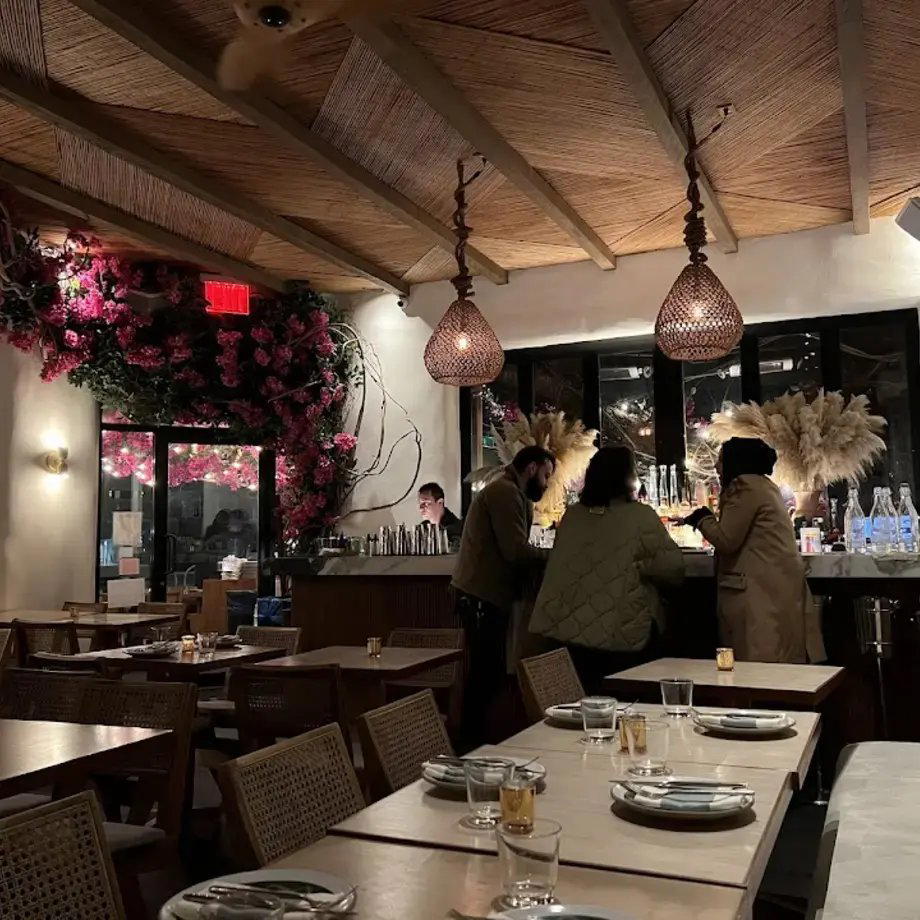
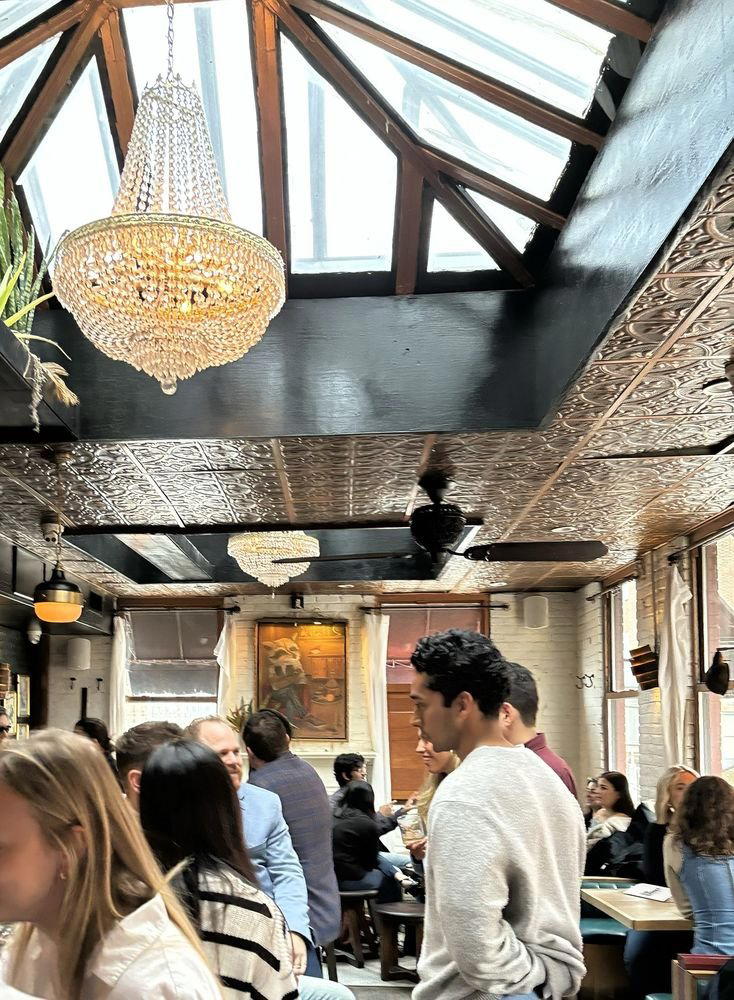
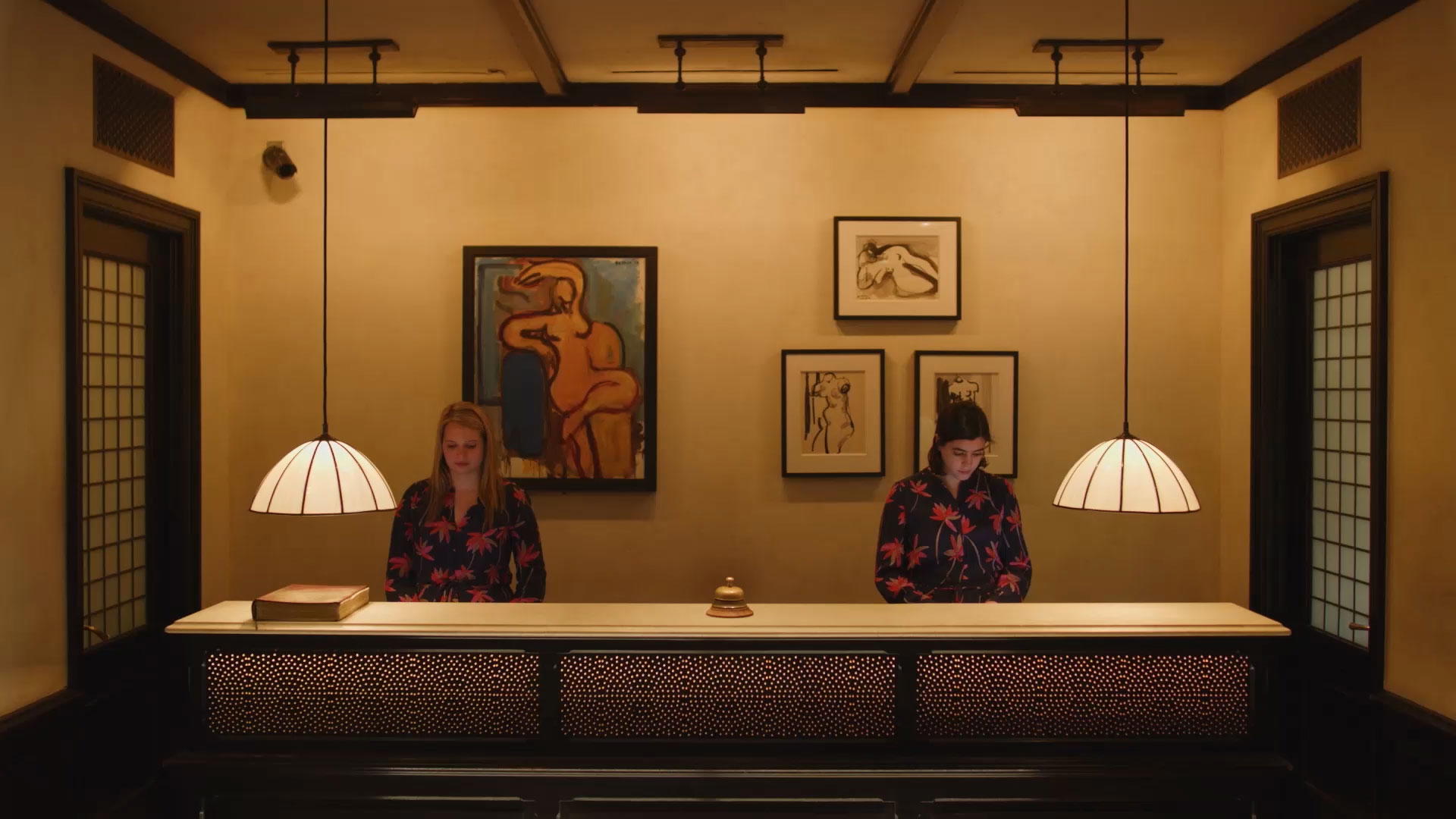
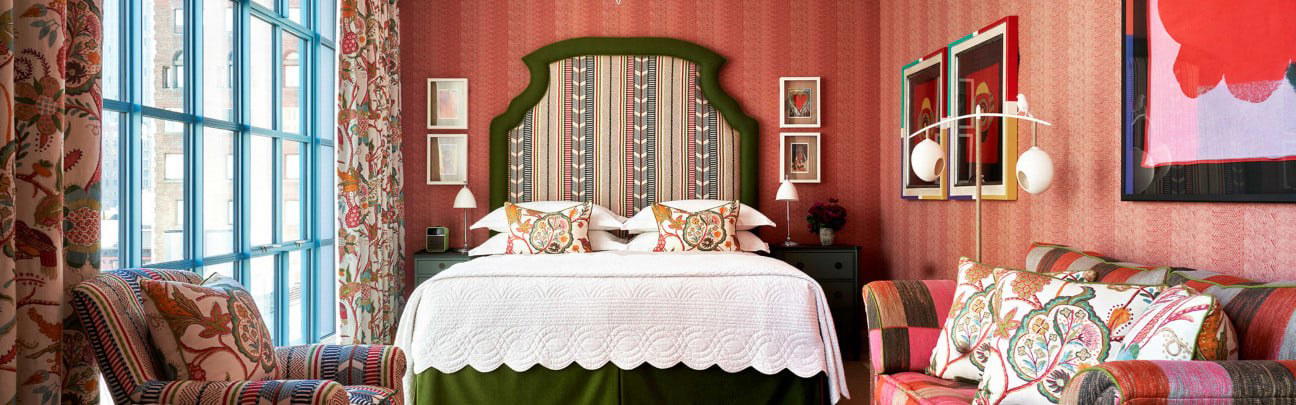
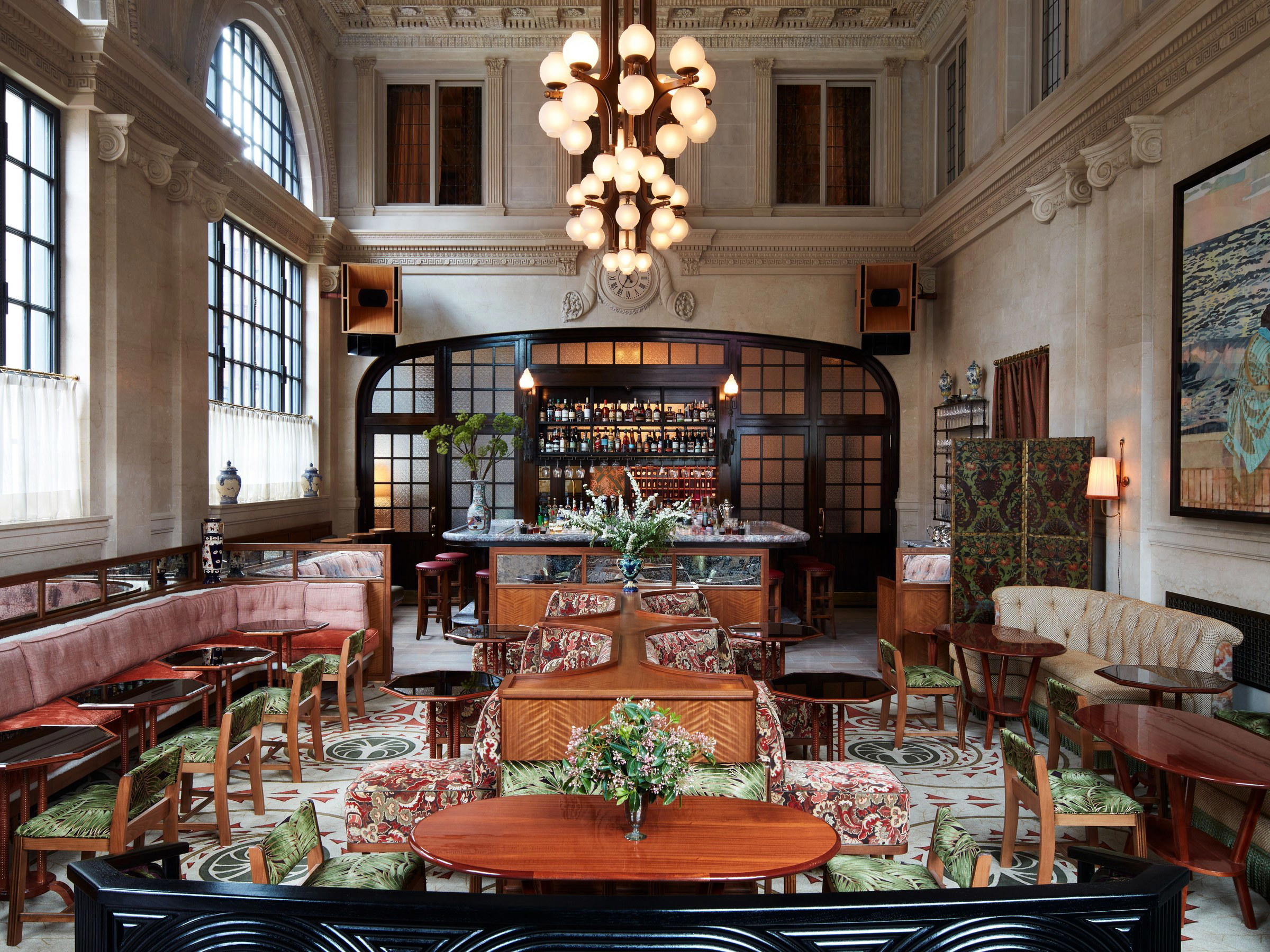
Warm and inviting atmosphere with natural-wood ceiling fixtures, gray-backed booths, neutral tones, and Mediterranean-inspired décor reflecting the essence of Greece.