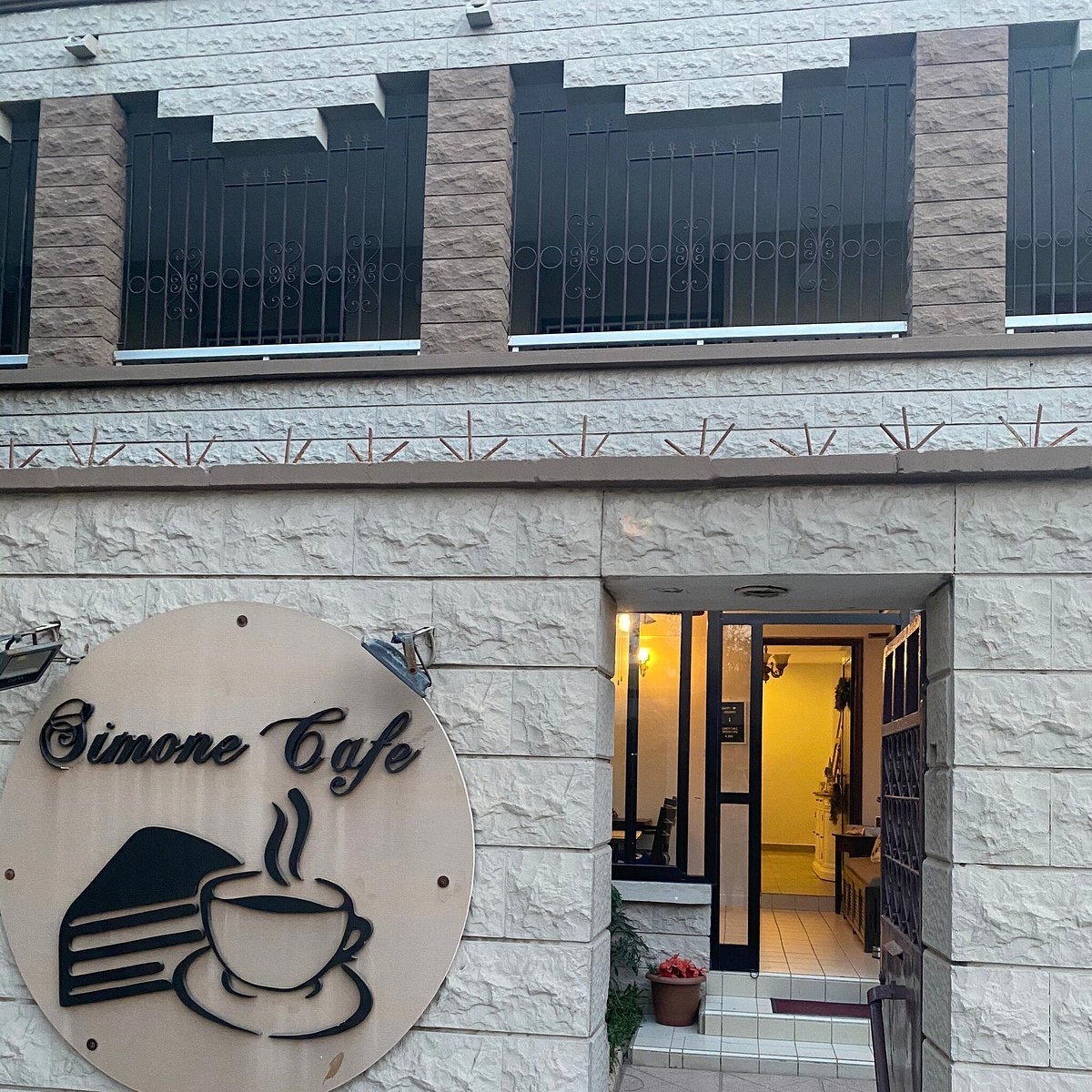
Simone Cafe occupies a discreet villa address on Rue 3 in Dakar, operating within the tradition of intimate neighbourhood dining that defines the city's less-visible restaurant scene. The setting is residential in scale, placing it closer to the private dining houses that have long shaped West African hospitality than to the commercial strip. For visitors tracing Dakar's food culture beyond the obvious, it represents a quieter register of the city's eating life.
- Address
- #7603 Villa Nabou, Rue 3, Dakar, Senegal
- Phone
- +221 33 825 11 98
- Directions
- Get directions
The Villa Format and What It Says About Dakar's Dining Culture
Dakar's most interesting restaurants rarely announce themselves. The city's dining culture has always maintained a parallel track: alongside the Atlantic-facing hotel terraces and the well-lit boulevard restaurants sits a network of addresses that operate from residential compounds, converted villas, and neighbourhood courtyards. Simone Cafe, located at Villa Nabou on Rue 3, belongs to that second category. The address itself signals the experience before you arrive. You are not walking into a purpose-built commercial room; you are entering the kind of space where the meal unfolds at a pace set by the house, not by a reservation clock.
This villa-based format carries its own dining ritual. In Dakar, eating at an address like this tends to involve a different social contract than restaurant dining in the conventional sense. The pacing is slower by design. You arrive, you settle, and the meal comes to you on its own terms. That rhythm connects directly to the broader West African tradition of hospitality as a sustained act rather than a transaction, and it is the frame through which Simone Cafe makes most sense as a destination.
Where Simone Cafe Sits in the Dakar Scene
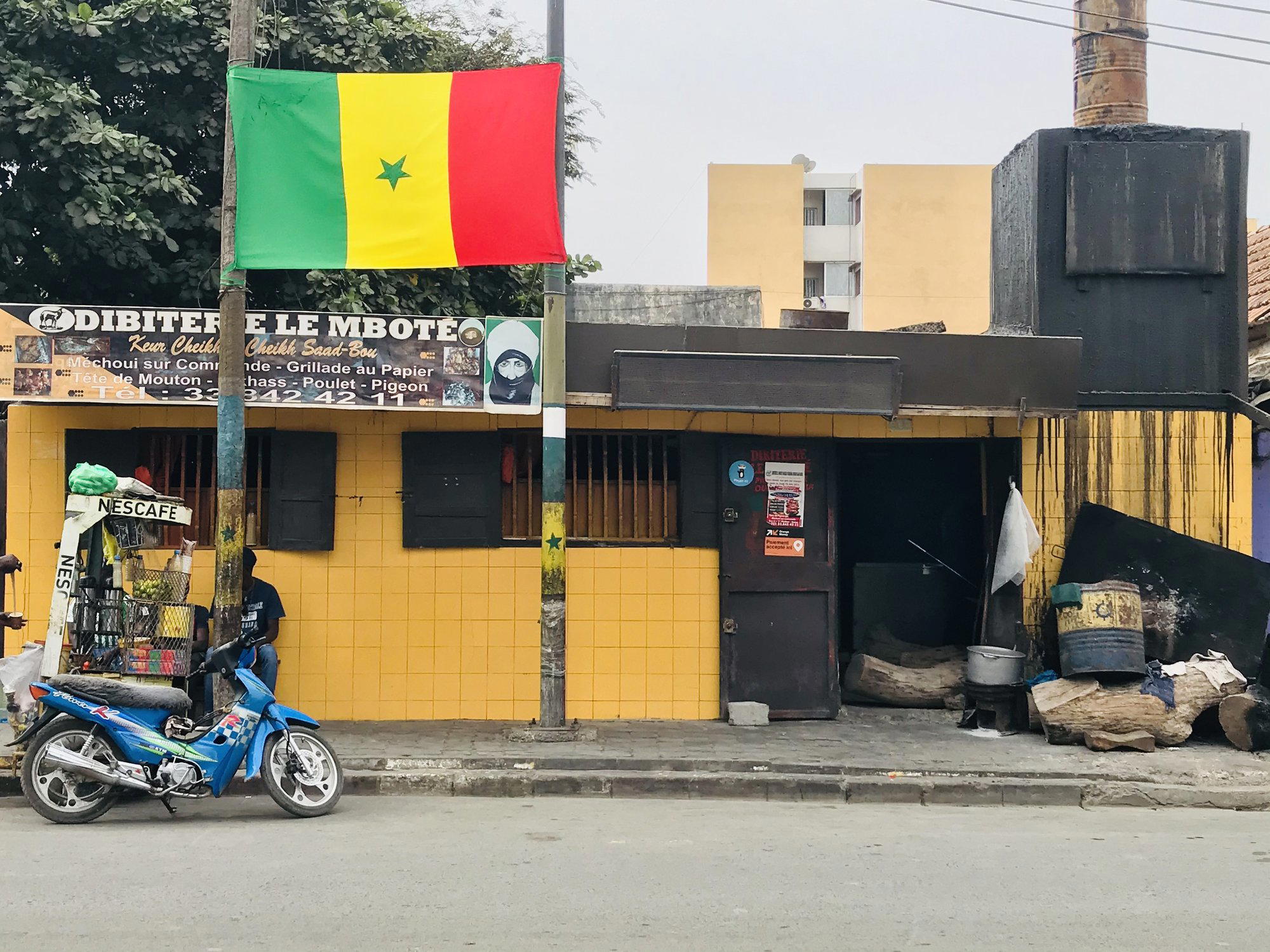
Dakar has developed a recognisable set of restaurant archetypes over the past decade. At one end sit the French-influenced formal rooms, inherited from the colonial period and still serving a professional lunch clientele. At the other sit the dibiteries and street-side grills, where lamb is carved and weighed with the kind of efficiency that turns eating into a verb. Dibiterie Le Mboté 1 operates squarely in that latter register.
Between those poles is a growing middle tier: smaller, personality-driven spaces that draw on Senegalese ingredients and social traditions while adding some degree of curation. Casa Teranga and Chez Kiki each occupy parts of that space in different ways. Simone Cafe's villa address places it in this middle tier, though its residential format gives it a more private character than most peers in the category.
For context on how Dakar's dining scene maps against Senegal's other food cities, the contrast is instructive. In Saint Louis, places like La Louise, Restaurant Traiteur operate with a traiteur sensibility, blending catering culture with seated dining. In Ziguinchor, La Kassa draws on Casamançais ingredients and a distinctly southern register. Dakar's version of intimacy tends to be urban and residential in character, which is precisely what Simone Cafe's Rue 3 address represents. Our full Dakar restaurants guide maps the broader scene in detail.
The Dining Ritual at a Dakar Villa Address
In restaurants operating from converted residential spaces across West Africa, the meal tends to structure itself differently from the European sequence of courses. The social dimension arrives first: you are received, you are seated, conversation happens before food is discussed. This is not inefficiency; it is the ritual acknowledging that the meal is a shared event, not a service transaction. The kitchen operates to this understanding. Dishes arrive when they are ready, and the expectation that you will linger is baked into the format.
This pacing has a practical implication for visitors used to timed dining. An evening at a villa-format address in Dakar is an investment of several hours, and arriving with that expectation changes the experience significantly. The meal becomes something to move through rather than to consume. That shift in mindset is, arguably, the most useful thing a visitor can bring to a place like Simone Cafe.
Senegalese hospitality carries specific codes that shape how this plays out. The tradition of teranga, the Wolof concept of hospitality that has become something of a national identity marker, is enacted through generosity of portion, attentiveness of welcome, and the refusal to hurry a guest. At residential-scale addresses, those codes tend to be felt more directly than in larger commercial rooms, because the host-to-guest ratio is different and the space itself is less transactional.
Seafood and Coastal Ingredients in Dakar's Restaurant Culture
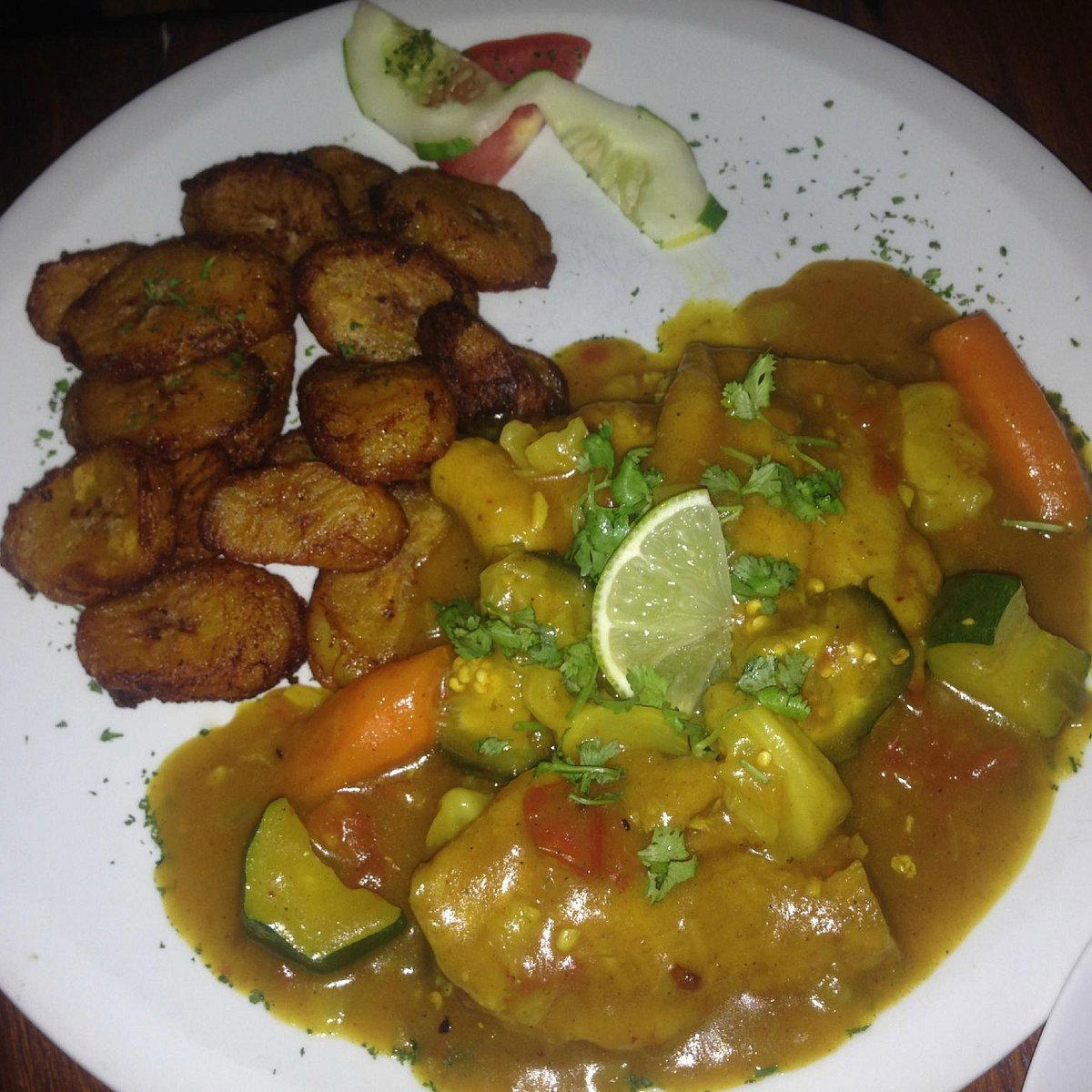
Dakar sits on the Cap-Vert peninsula, and the Atlantic defines its larder in ways that remain consistent across price points and formats. Thiéboudienne, the rice-and-fish dish recognised by UNESCO as an element of intangible cultural heritage in 2021, anchors the Senegalese table. Yassa, the onion-and-lemon-marinated preparation applied to fish or chicken, is the city's other constant. Any residential-format restaurant in Dakar operates within this culinary frame, and the ingredients available to it, fresh Atlantic catch, cultivated oysters from addresses like Huitres De Sokone, and the produce of Dakar's central market, are the same ingredients that define the city's food identity at every level.
Coastal Senegal's restaurant culture beyond Dakar offers useful comparison points. La Taverne Du Pêcheur in Communaute Rurale De Ngueniene operates with a specifically seafood-focused identity, and the contrast with Dakar's more varied urban menus illustrates how geography shapes menu construction across Senegal. Le jardin de l'Amitié in Dakar itself takes a garden-oriented approach that speaks to the same coastal city's appetite for outdoor dining.
Placing Simone Cafe in the Global Villa-Dining Conversation
The residential-format restaurant is not a Dakar invention. Across the world, some of the most closely watched dining experiences happen in spaces that look nothing like restaurants from the outside. Lazy Bear in San Francisco built its reputation on a supper-club model before formalising into a permanent space. Atomix in New York City operates on an intimate counter format that controls both pacing and guest count. Even in the Italian tradition, places like Dal Pescatore in Runate and Quattro Passi in Marina del Cantone carry a family-house character that shapes the guest experience as much as the food does.
What distinguishes the Dakar version of this format is the cultural weight behind it. In Senegal, the home-as-restaurant is not a trend borrowed from a fine-dining movement; it is the original model. The shift toward formalised restaurant culture has moved away from it, not toward it. A villa address like Simone Cafe's is, in that sense, a return to a baseline rather than a departure from convention.
For visitors who have experienced high-formality tasting menu environments, whether at Le Bernardin in New York City, HAJIME in Osaka, or Reale in Castel di Sangro, the villa-format meal in Dakar offers a different kind of precision: not the precision of technique, but the precision of hospitality as a social practice. The food arrives when it arrives. You stay as long as you are welcome, and in Dakar, that tends to be a long time.
Planning a Visit
Simone Cafe is located at Villa Nabou, Rue 3, Dakar. The residential address means the approach differs from locating a street-front restaurant; arriving with the address confirmed in advance is advisable, as the villa format does not always benefit from standard navigation. Contact and booking details are not currently listed through public channels, so inquiring through local concierge networks or Dakar-based hospitality contacts is the most reliable approach. For visitors building a wider itinerary, the full Dakar restaurants guide covers the range of formats and price points across the city, and Emeril's in New Orleans offers a useful reference point for thinking about how city-specific culinary identity shapes a restaurant's role in the broader food conversation.
Cuisine-First Comparison
| Venue | Cuisine |
|---|---|
| Simone CafeThis venue — the venue you are viewing | This venue |

At a Glance
- Cozy
- Quiet
- Intimate
- Casual Hangout
- Solo
- Garden
- Garden
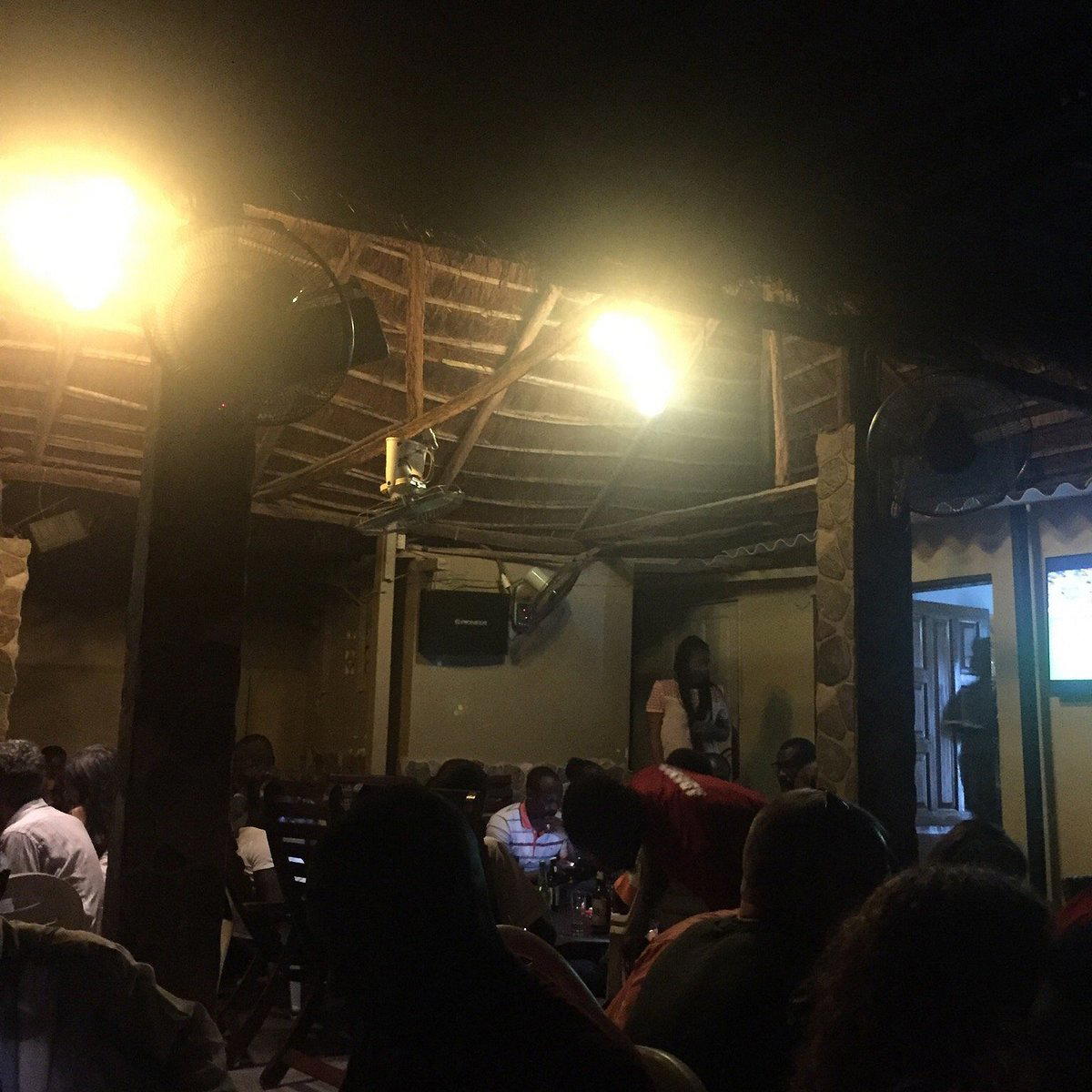
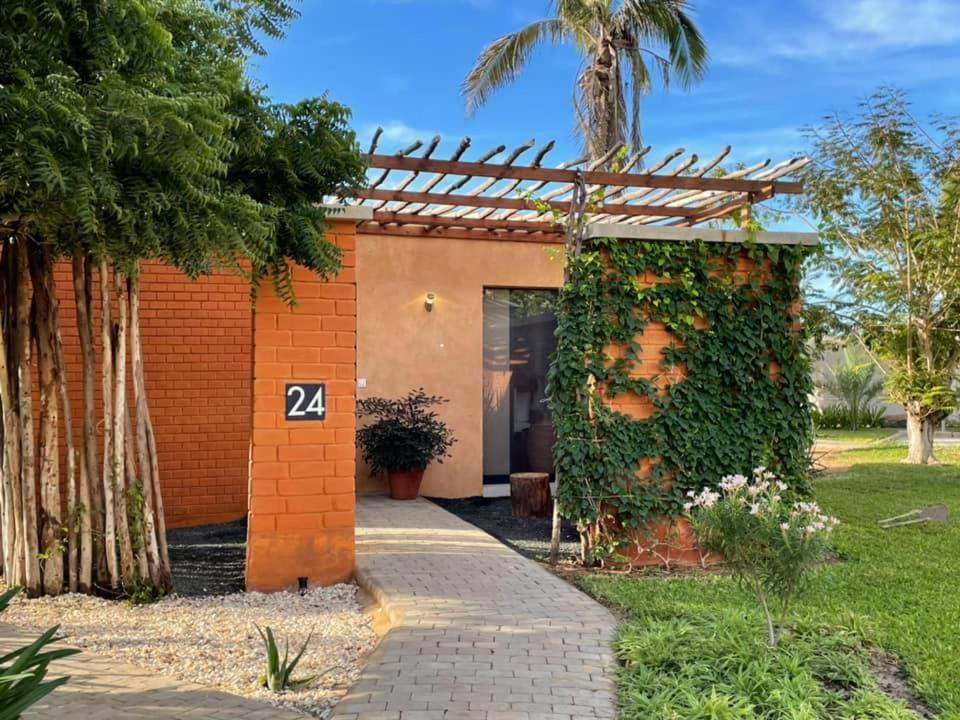
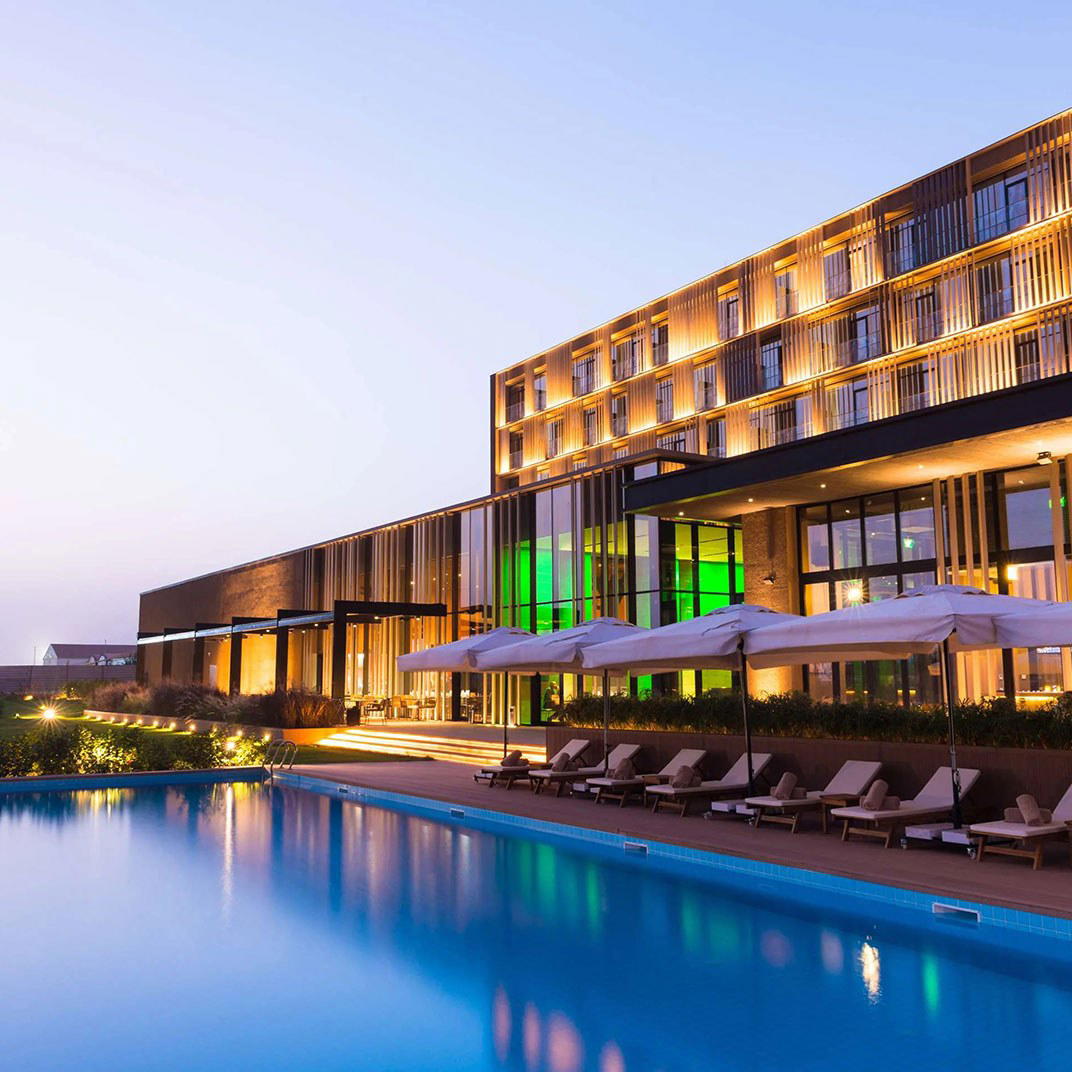
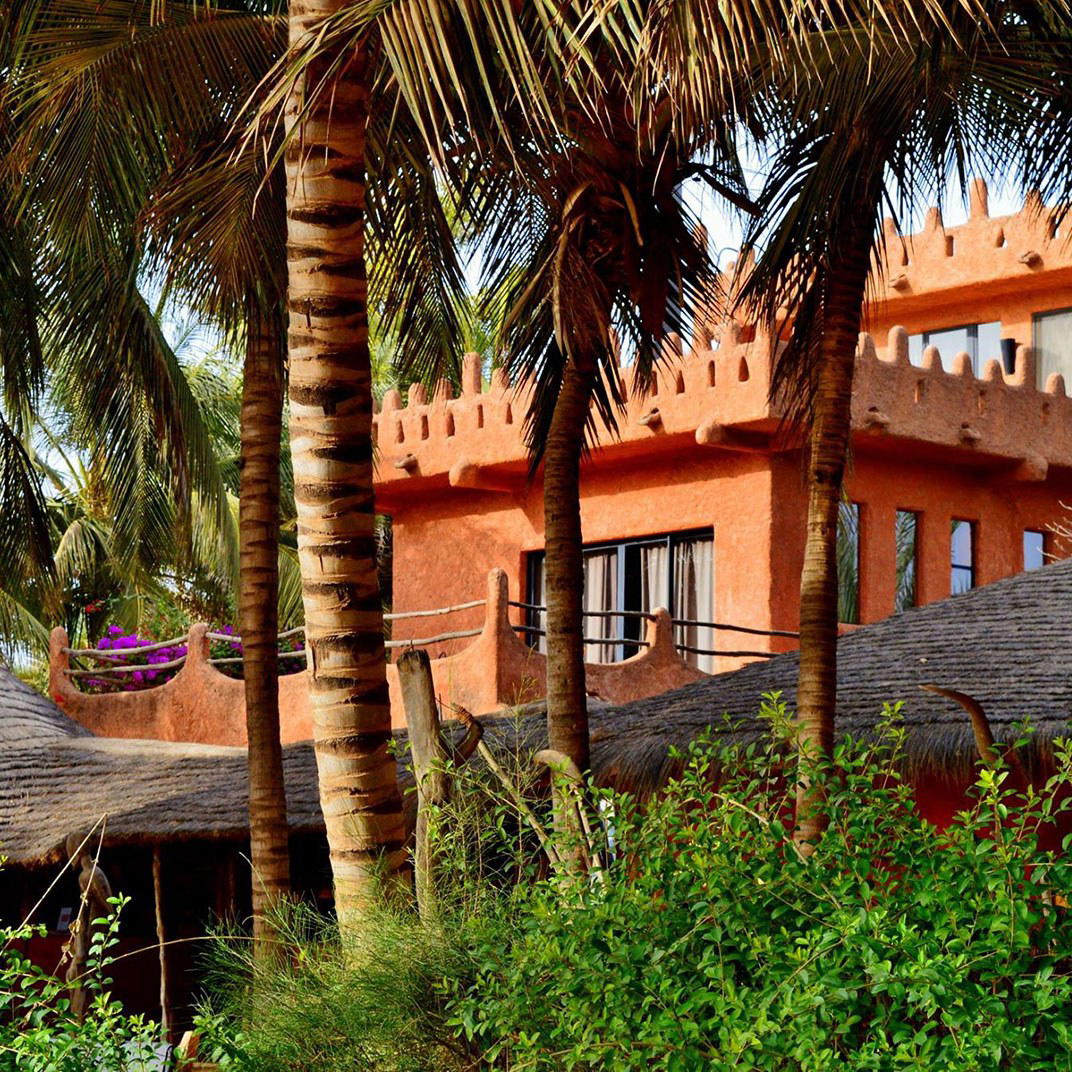
Cozy and peaceful with calming music, beautiful decor, outdoor greenery, and a serene escape from the city bustle.
Know Before You Go
- Getting there
- #7603 Villa Nabou, Rue 3, Dakar, Senegal