Dakar's oyster culture has deep roots in the coastal wetlands south of the city, and Huitres De Sokone connects the capital's tables to one of West Africa's most productive shellfish zones. The Sokone estuary, part of the Saloum Delta, supplies oysters that local vendors and restaurants have traded for generations. For visitors tracing Senegal's seafood traditions, this is a reference point worth understanding.
Pearl is the En Primeur Club membership app — saves, bookings, and concierge access live there. Same editors, same standards.
- Address
- Dakar, Senegal
- Phone
- +221 77 286 51 07
- Website
- google.com
- Directions
- Get directions
 Saves & bookings on Pearl
Oysters From the Saloum Delta: What Dakar's Shellfish Trade Looks Like on the Ground
The Atlantic coastline that defines Dakar's culinary identity does not begin and end at the city's fish markets. Some of the most telling evidence of Senegal's seafood culture lies further south, in the labyrinthine waterways of the Saloum Delta, where mangrove-lined estuaries produce shellfish that have fed coastal communities for centuries. Huitres De Sokone sits inside that supply chain, taking its name from the town of Sokone, a key node in the delta's oyster trade and the point from which much of Dakar's oyster supply historically originates.
Approaching this kind of address in Dakar, you are not walking into a white-tablecloth room with a sommelier and a printed tasting menu. The city's oyster culture operates differently from the polished shellfish bars of Paris or the chef-driven raw bars at places like Le Bernardin in New York City. Here, the transaction is more direct: the product travels from water to vendor with minimal intermediary steps, and that directness is precisely what gives it character. The surroundings are functional rather than decorative, and the point is the oyster itself.
The Sokone Estuary and Why Source Geography Matters
The Saloum Delta is one of West Africa's most significant estuarine ecosystems, recognized as a UNESCO Biosphere Reserve. Its network of bolongs, the local name for the narrow tidal channels threading through mangrove forests, creates conditions that oyster biologists would describe as near-ideal: nutrient-rich brackish water, strong tidal exchange, and relatively low industrial pressure compared to European shellfish beds. The oysters harvested here, primarily Crassostrea gasar, the West African mangrove oyster, differ meaningfully from the Ostrea edulis or Crassostrea gigas varieties that dominate European and North American menus.
Mangrove oysters grow attached to the root systems of red mangrove trees rather than on the seabed, which changes both the harvesting method and the flavor profile. The result is a shellfish with more pronounced minerality and a firmer texture than many Atlantic varieties, shaped by the tannin-rich environment of the mangrove roots and the specific salinity of the delta's tidal channels. This is the ingredient at the center of what Huitres De Sokone represents in Dakar's food supply.
For comparison, consider how ingredient provenance functions at restaurants like Atelier Moessmer Norbert Niederkofler in Brunico or Reale in Castel di Sangro, where the sourcing geography is central to the editorial story of the restaurant. In Dakar, the same logic applies at a street and market level, without the fine-dining framing but with equally traceable supply lines.
How Dakar's Oyster Trade Operates
Oyster commerce in Dakar runs through a network of women traders who have dominated the sector for generations. In Senegal, the harvesting, processing, and retail of mangrove oysters is almost entirely managed by women from coastal Serer and Mandinka communities, particularly in the Saloum Delta region. This is not incidental. It reflects a long-standing division of fishing labor in which offshore catch is male-dominated while shellfish and nearshore processing falls to women. The economic autonomy this trade provides is substantial, and organizations working on sustainable fisheries in the region consistently identify these women traders as the primary actors in any supply chain reform.
The oysters typically arrive in Dakar smoked or semi-dried as well as fresh, depending on the season and transport time. Smoking serves as a preservation method that also produces a distinct flavor, and smoked oysters from the Saloum are traded throughout Senegal and into neighboring countries. Fresh product, when available, commands a premium and is consumed quickly given the absence of cold-chain infrastructure that a restaurant like Quattro Passi in Marina del Cantone would take for granted in a European coastal setting.
Where Huitres De Sokone Sits in Dakar's Eating Scene
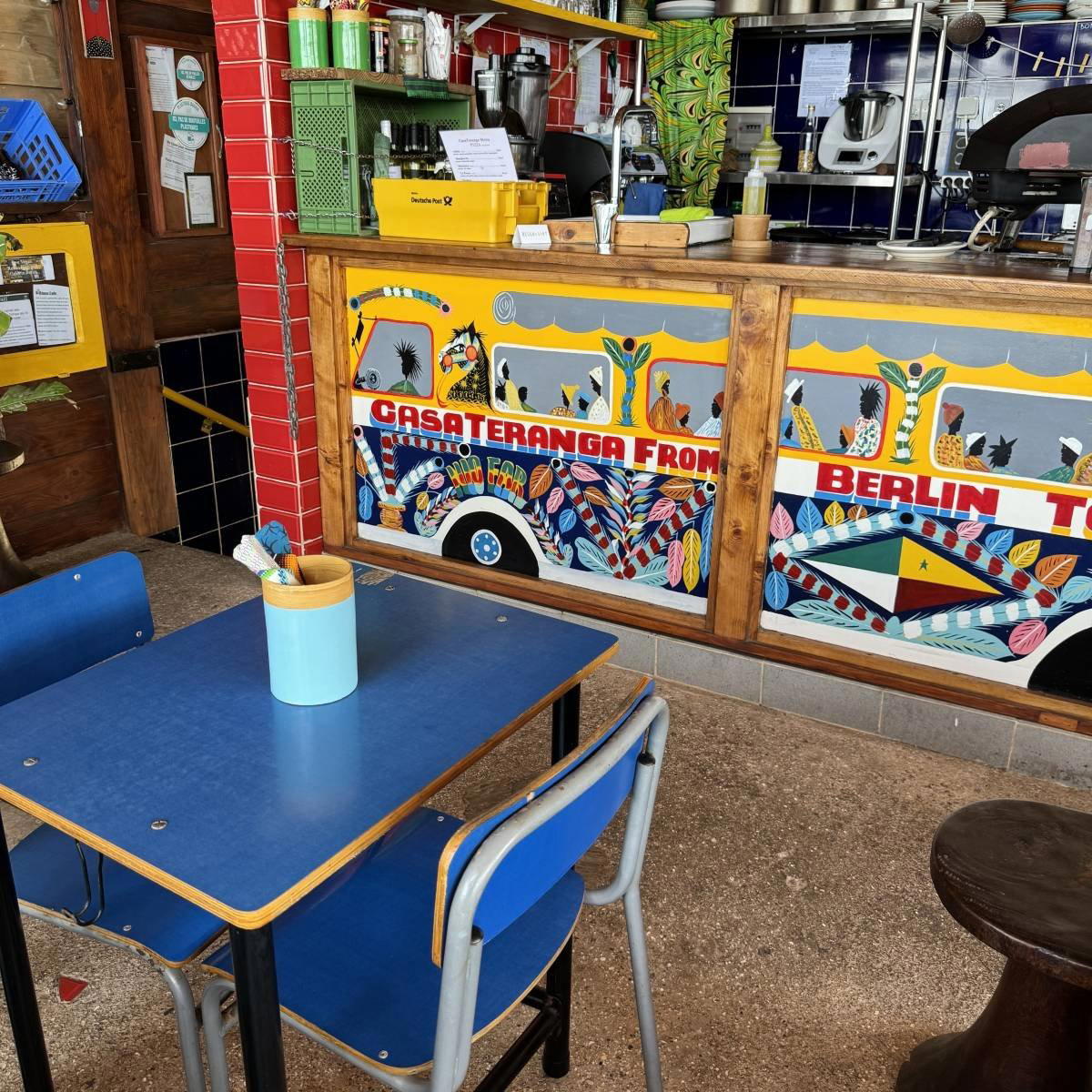
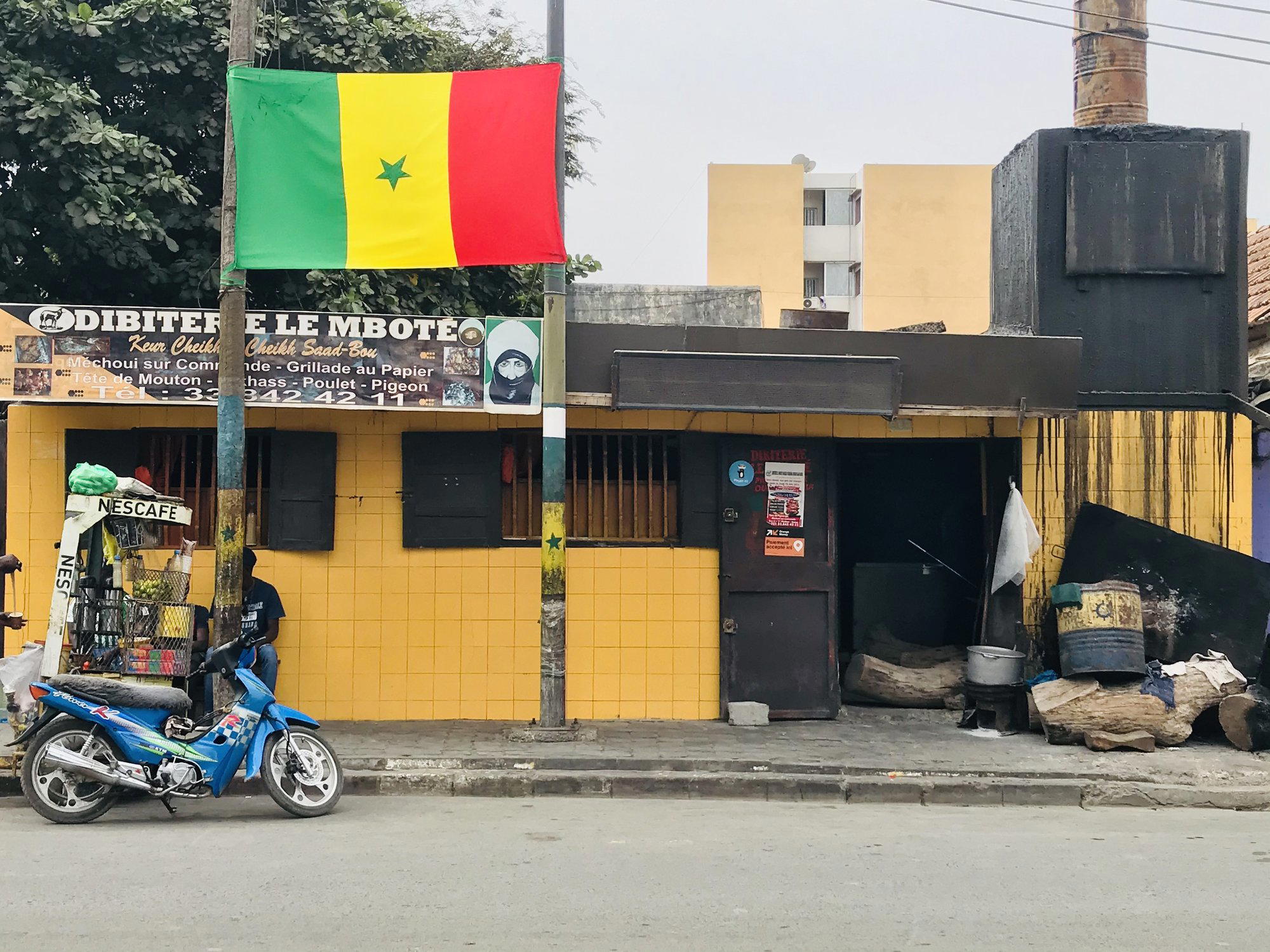
Dakar's restaurant map covers a wide range of registers. At the more formal end, places like Casa Teranga and Le jardin de l'Amitié offer structured dining rooms with service frameworks visitors from Europe or North America would recognize. At the other end, addresses like Dibiterie Le Mboté 1 and Chez Kiki represent Dakar's grilled-meat and everyday-lunch culture, where the format is informal and the pricing reflects local purchasing power. Huitres De Sokone occupies a different category from all of these, closer to a specialist seafood vendor than a restaurant in the conventional sense.
That positioning is worth understanding before you go. Visitors arriving with expectations shaped by the oyster bars of Atomix in New York City or the composed seafood plates at Dal Pescatore in Runate will need to recalibrate. The value here is in accessing a product with a specific and traceable provenance, in a format that reflects how coastal West African seafood actually moves from estuary to table. For context on how Senegal's coastal food culture extends beyond Dakar, La Kassa in Ziguinchor and La Taverne Du Pêcheur in Communaute Rurale De Ngueniene both illustrate how Casamance and the Petite Côte approach similar raw materials with different cultural inflections. La Louise in Saint Louis offers yet another data point from Senegal's northern coast.
For a broader map of where Huitres De Sokone fits among Dakar's eating options, see our full Dakar restaurants guide.
Planning Your Visit
The practical advice that applies broadly to this category of address in Dakar: go earlier in the day when product is freshest, go prepared to communicate in Wolof or French, and carry cash. Oyster availability in the delta peaks during the dry season, roughly November through May, when lower rainfall keeps salinity higher and harvest conditions more stable. Outside those months, supply to Dakar can be less consistent, and smoked product may be more prevalent than fresh.
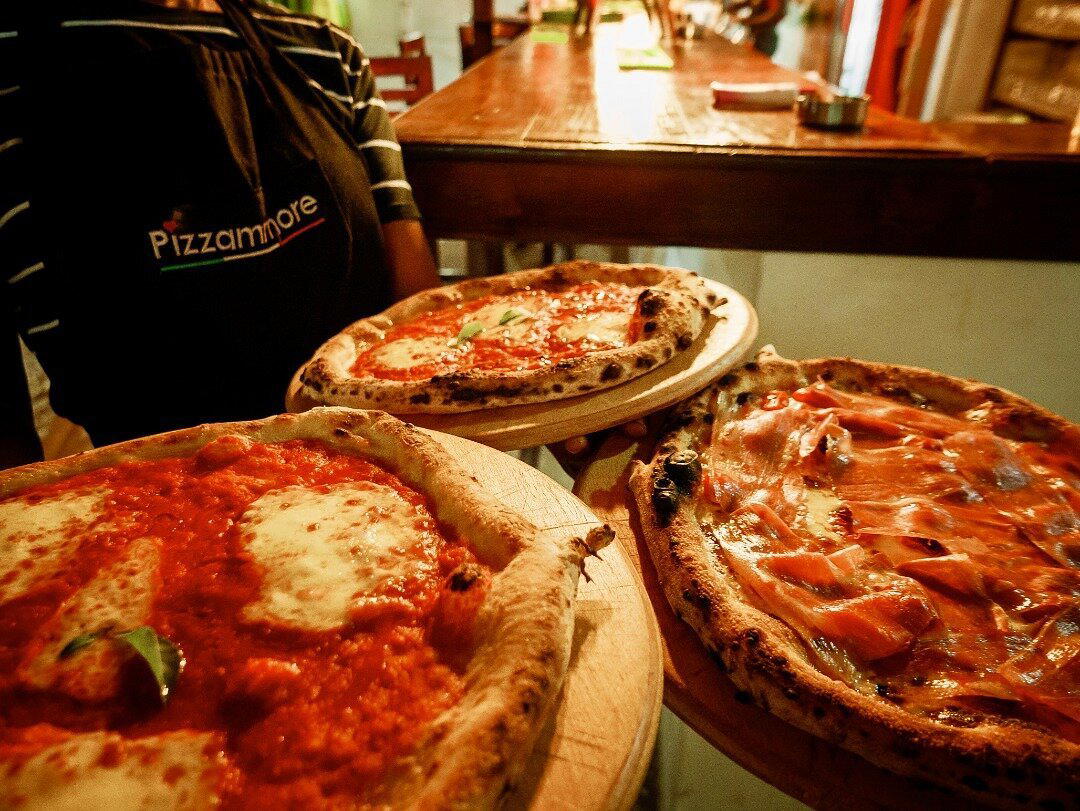
Visitors exploring Dakar's food scene alongside stops like Pizzammore for contrast, or the city's broader mix of Senegalese and international formats, will find that an hour spent understanding where the oysters come from adds a layer of context that the polished dining rooms cannot provide. The Saloum Delta is one of the more consequential food-producing ecosystems in West Africa. What arrives in Dakar under the name Huitres De Sokone is a direct line to it.

At a Glance
- Scenic
- Lively
- Casual Hangout
- Special Occasion
- Waterfront
- Terrace
- Local Sourcing
- Waterfront
Current opening hours
- Monday
- 8 AM–2 AM
- Tuesday
- 8 AM–2 AM
- Wednesday
- 8 AM–2 AM
- Thursday
- 8 AM–2 AM
- Friday
- 8 AM–2 AM
- Saturday
- 8 AM–2 AM
- Sunday
- 8 AM–2 AM
Hours can change for holidays and private events. Last verified .
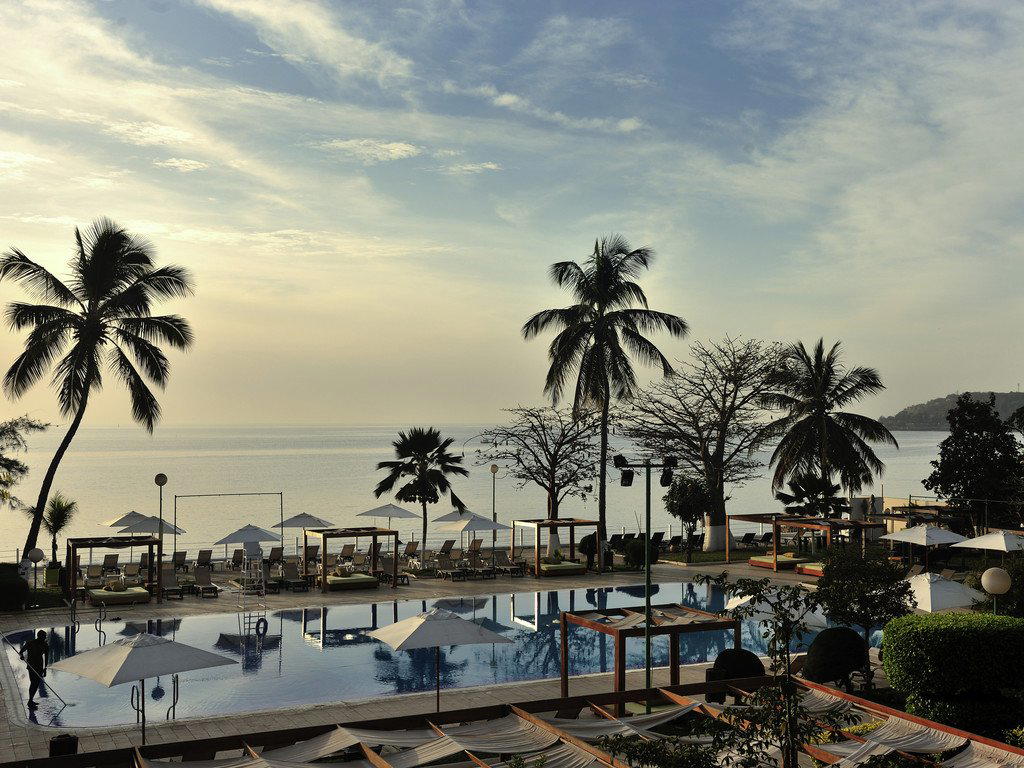
Lively beachfront atmosphere enhanced by sunset views and fresh seafood.
Know Before You Go
- Getting there
- Dakar, Senegal