Chez Kiki serves Casual African Island Fare in Dakar, with waterfront views and a historic building setting that fits breakfast, lunch, or dinner in a casual, conversational room.
Pearl is the En Primeur Club membership app — saves, bookings, and concierge access live there. Same editors, same standards.
- Address
- Dakar
- Directions
- Get directions
 Saves & bookings on Pearl
Dakar After Dark: The Neighbourhood Rhythm That Shapes Chez Kiki
There is a particular quality to evenings in Dakar that visitors from Abidjan or Casablanca recognise immediately, and those arriving from further afield take a meal or two to absorb. The city does not transition quietly from afternoon to night. The Atlantic air carries salt and diesel and woodsmoke from dibiteries two streets over; generators hum; somewhere nearby, someone is grilling thiéboudienne over open flame. Chez Kiki exists inside that sensory register, a Dakar address that draws its energy from the city's own rhythms rather than attempting to insulate guests from them.
Dakar's dining scene has expanded considerably over the past decade, splitting between internationally positioned restaurants designed for the diplomatic and NGO circuit, and neighbourhood addresses that remain embedded in local patterns of eating and gathering. Chez Kiki sits in the latter category, the kind of address that Dakarois regulars return to not because of a tasting menu or a celebrity chef, but because the room feels calibrated to the city it actually occupies. For context on how this fits the broader picture of eating in the capital, the EP Club full Dakar restaurants guide maps the range from street-level dibiteries through to more formal dining rooms.
The Physical Register: What You Encounter on Arrival
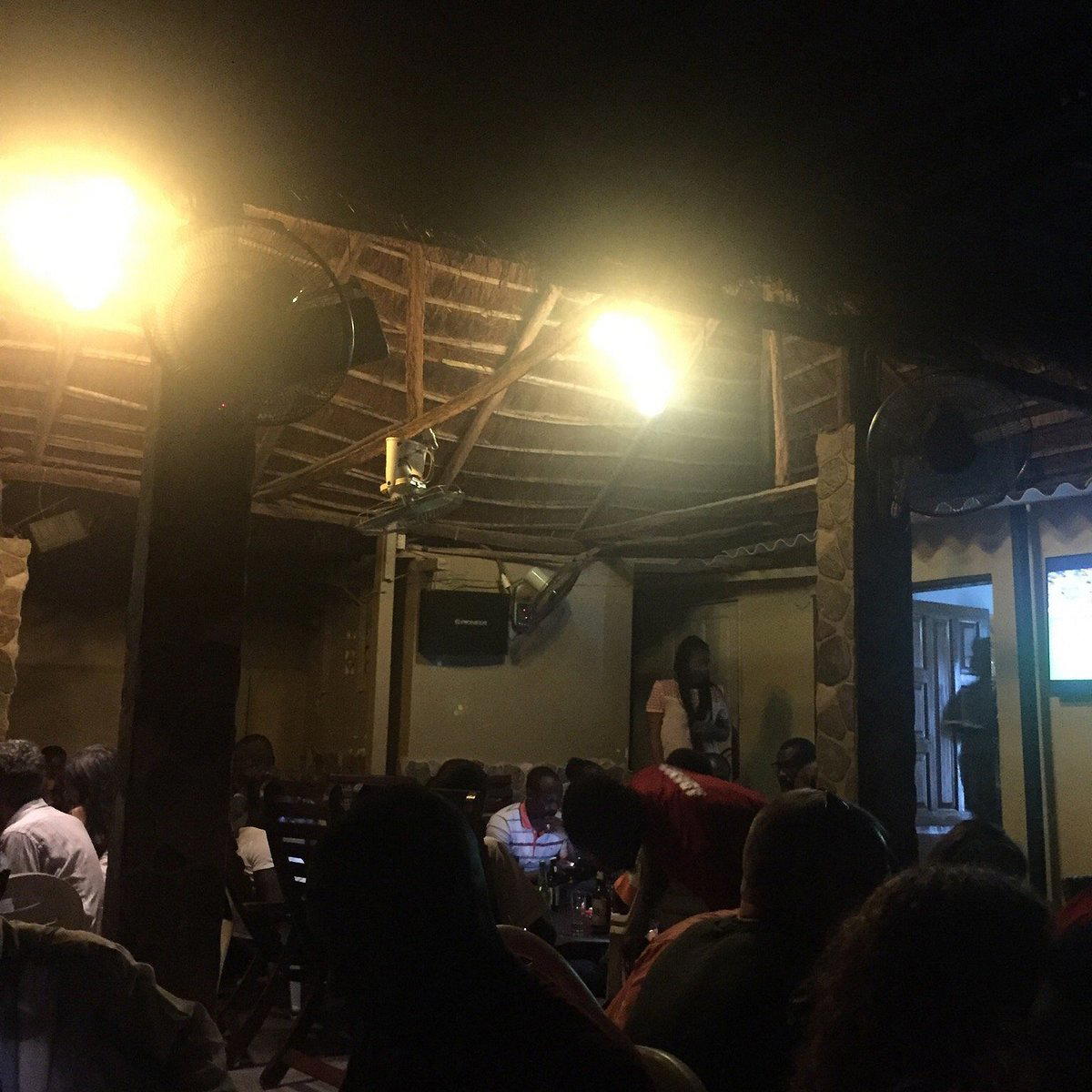
West African dining rooms at this tier tend to operate on an informal architecture: ceiling fans or air conditioning units working against the evening heat, tables set without excessive ceremony, and a sound level that acknowledges that people come to eat in company rather than in contemplative silence. The atmosphere at an address like Chez Kiki is shaped by those same conventions. The lighting is warm enough for conversation, the space is social rather than theatrical, and the sense of occasion is generated by the people inside rather than by designed spectacle.
What distinguishes addresses in this bracket from more polished competitors across Dakar is their relationship to noise and movement. There is no ambient score curated by a hospitality consultant. The sound is the room itself: the chime of glassware, overlapping conversations in Wolof and French, the occasional burst of laughter from a table that has been there since sundown. For travellers conditioned by the controlled atmospheres of highly awarded restaurants elsewhere — the minimalism of Atomix in New York City or the precision hush of HAJIME in Osaka — this represents a different contract with the diner, one that prioritises conviviality over performance.
Senegalese Cuisine in Context: What the Plate Carries
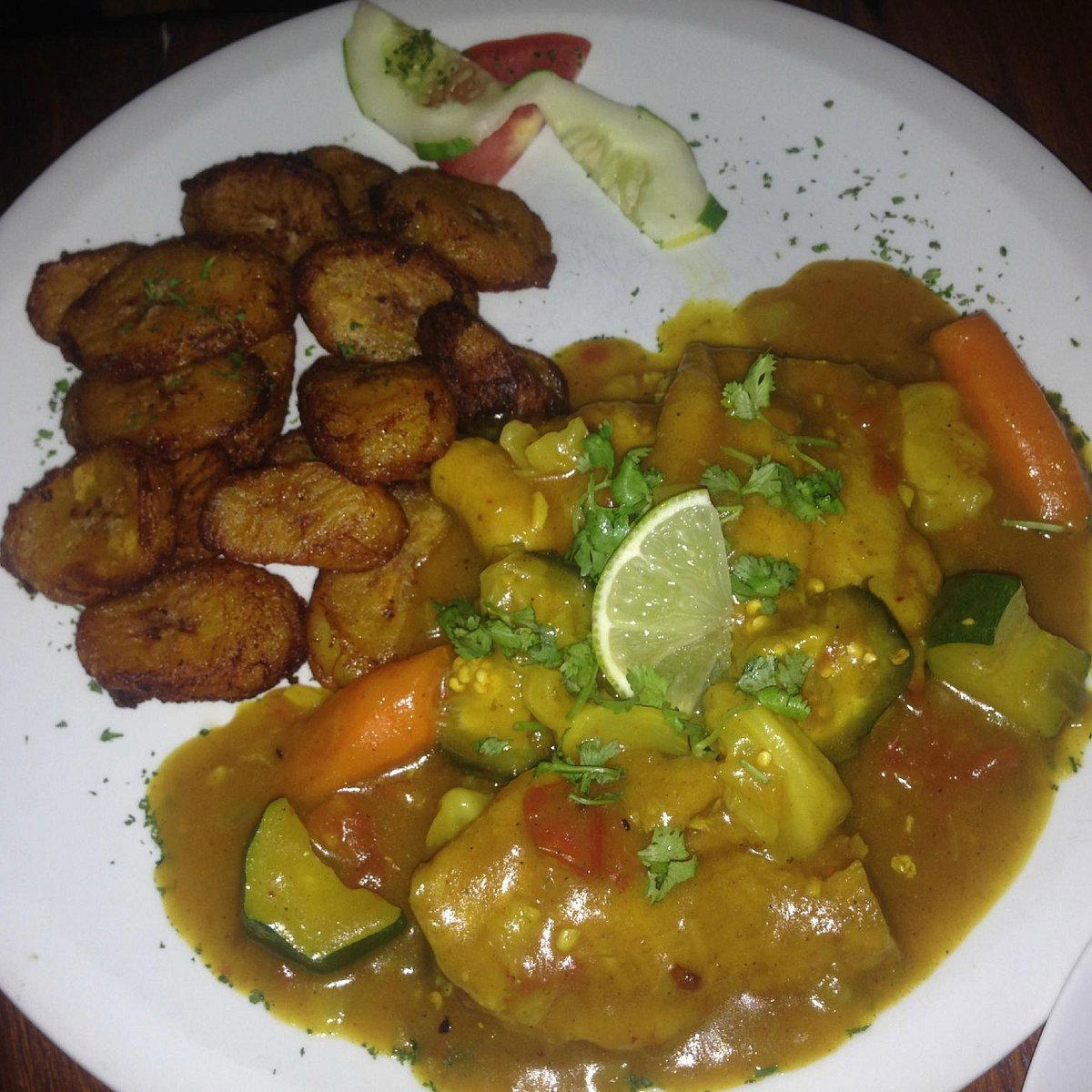
Senegal's culinary traditions draw on a set of core ingredients and techniques that have remained remarkably consistent even as the country's restaurant culture has diversified. Thiéboudienne, the national dish of rice cooked in a reduced tomato and fish broth with vegetables, is the standard against which all Senegalese home cooking and neighbourhood restaurants are measured. Alongside it sits yassa, chicken or fish marinated in onion and lemon, slow-cooked until the acidity softens into something closer to sweetness, and mafé, the peanut-based stew that shares structural DNA with groundnut soups across the region from Gambia through to Guinea-Bissau.
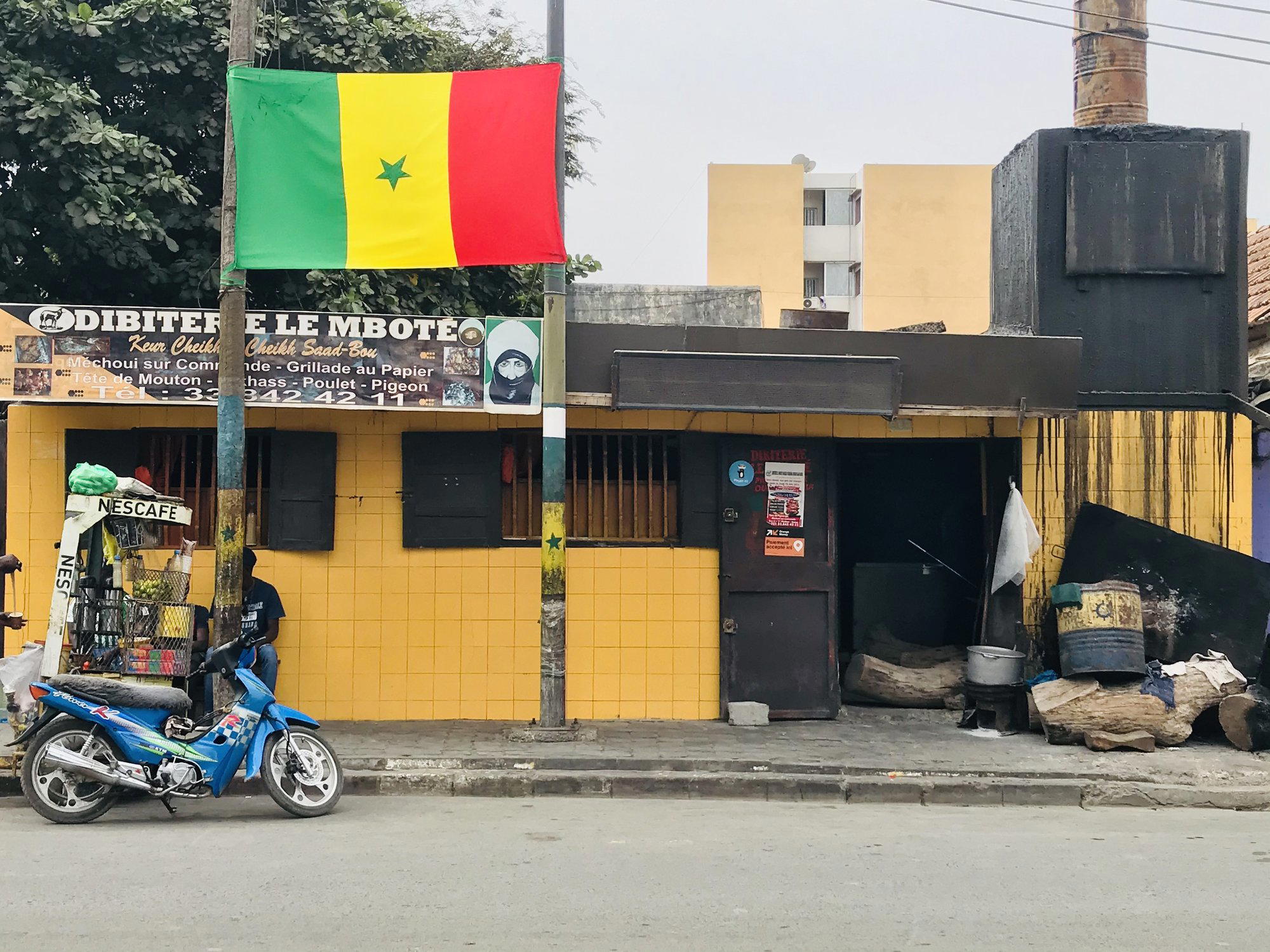
Restaurants in Dakar at the neighbourhood tier generally make their editorial case through sourcing and execution of these dishes rather than through reinvention. The dibiteries that anchor the city's street-eating culture, including the well-regarded Dibiterie Le Mboté 1, demonstrate that Senegalese food at its most direct needs no architectural intervention. Addresses like Huitres De Sokone show a different path, leaning into the country's Atlantic oyster and seafood culture as a distinct identity. Chez Kiki occupies its own position within this range, though the specific menu details available publicly are limited. Without confirmed dish names or verified descriptions, the responsible editorial position is to note that the broader Senegalese neighbourhood restaurant tradition it belongs to rewards visitors who arrive willing to eat what the kitchen is actually doing rather than seeking a fixed menu experience.
For comparison points on Senegalese dining across the country, La Louise in Saint Louis represents the northern regional tradition, while La Kassa in Ziguinchor anchors the Casamance end of the spectrum, with its markedly different Diola culinary influences. The seafood dimension of the Sine-Saloum delta region has its own representative in La Taverne Du Pêcheur. Dakar itself concentrates all of these regional threads, making it a more complex dining environment than the capital-city narrative sometimes suggests.
The Broader Dakar Dining Set
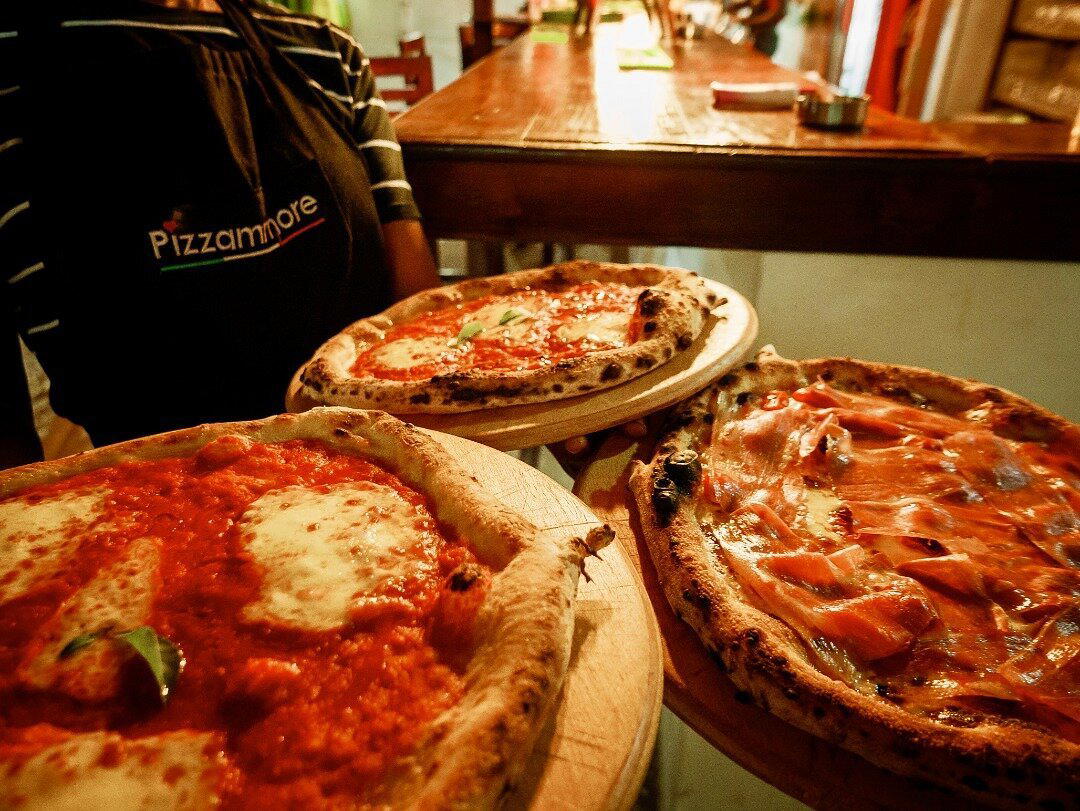
Chez Kiki sits within a cohort of Dakar addresses that have built followings through consistency rather than through awards programmes or international press coverage. Casa Teranga operates in a related neighbourhood-dining register, while Le jardin de l'Amitié offers a different format, one with more outdoor spatial emphasis. Pizzammore demonstrates how strongly the Italian-inflected dining tradition holds in the city alongside indigenous Senegalese cooking.
This breadth is worth noting because it contextualises the choice to eat at a neighbourhood Senegalese address rather than at one of the city's internationally formatted restaurants. The trade-off is familiar from comparable dining cities: you exchange the legibility and consistency guarantees of a structured international offer for something closer to the city's own eating culture. The leading analogy from the globally awarded restaurant tier would be the difference between the controlled seasonal precision of Reale in Castel di Sangro and eating in the trattorie of Abruzzo villages that supply Reale's larder. One is a refined interpretation; the other is the source material. Dakar's neighbourhood restaurants are closer to source material.
Planning Your Visit: Practical Considerations
Dakar rewards visitors who treat dining as a time-sensitive activity calibrated to the city's own clock. The capital runs late by Western European standards; evening meals rarely begin before 20:00 and the room tends to fill properly after 21:00. The dry season, running roughly from November through May, is when Dakar is most comfortable for visitors not acclimatised to the Harmattan or the intense humidity of the July-to-September wet season. That November-to-February window in particular brings cooler Atlantic evenings that make outdoor or semi-open dining rooms considerably more pleasant than the same space in August.
Booking details and contact information for Chez Kiki are not publicly confirmed in the sources available to us. For addresses in this tier in Dakar, the standard approach is either direct arrival or coordination through your hotel concierge, who will typically have current operational information. Comparable informal processes operate at Dal Pescatore in Runate and similar family-run addresses internationally, where the booking infrastructure may not match the quality of what appears on the plate. The absence of a confirmed reservations system should not be read as a signal of lower quality; it is simply a feature of how this tier of Dakar restaurant operates.
For visitors planning a broader dining itinerary across Senegal, aligning the Dakar portion of the trip with the cooler months and building in flexibility for the informal booking culture here will produce a more grounded experience than attempting to replicate the structured advance-reservation logic of a Michelin circuit trip to cities like New York, where an address like Le Bernardin requires weeks of advance planning, or the seasonal precision required for Atelier Moessmer Norbert Niederkofler in Brunico. Dakar operates on different terms, and those terms are part of the point.
Comparable Spots
Comparable venues nearby, for context on price, style, and recognition.
| Venue | Cuisine | Price | Notes |
|---|---|---|---|
| Chez KikiThis venue — the venue you are viewing | Casual African Island Fare | $ | Not listed |
| Le jardin de l'Amitié | Authentic Senegalese | $$ | Fann-Point E-Amitié |
| Simone Cafe | Brazilian Cafe & Desserts | $$ | Mermoz |
| Seoul | Senegalese Grill | $$ | Mermoz Sacre-coeur |
| Pizzammore | Authentic Italian Pizzeria | $$ | Yoff |
| Casa Teranga | Afro-Italian Vegan | $$ | Pointe des Almadies |

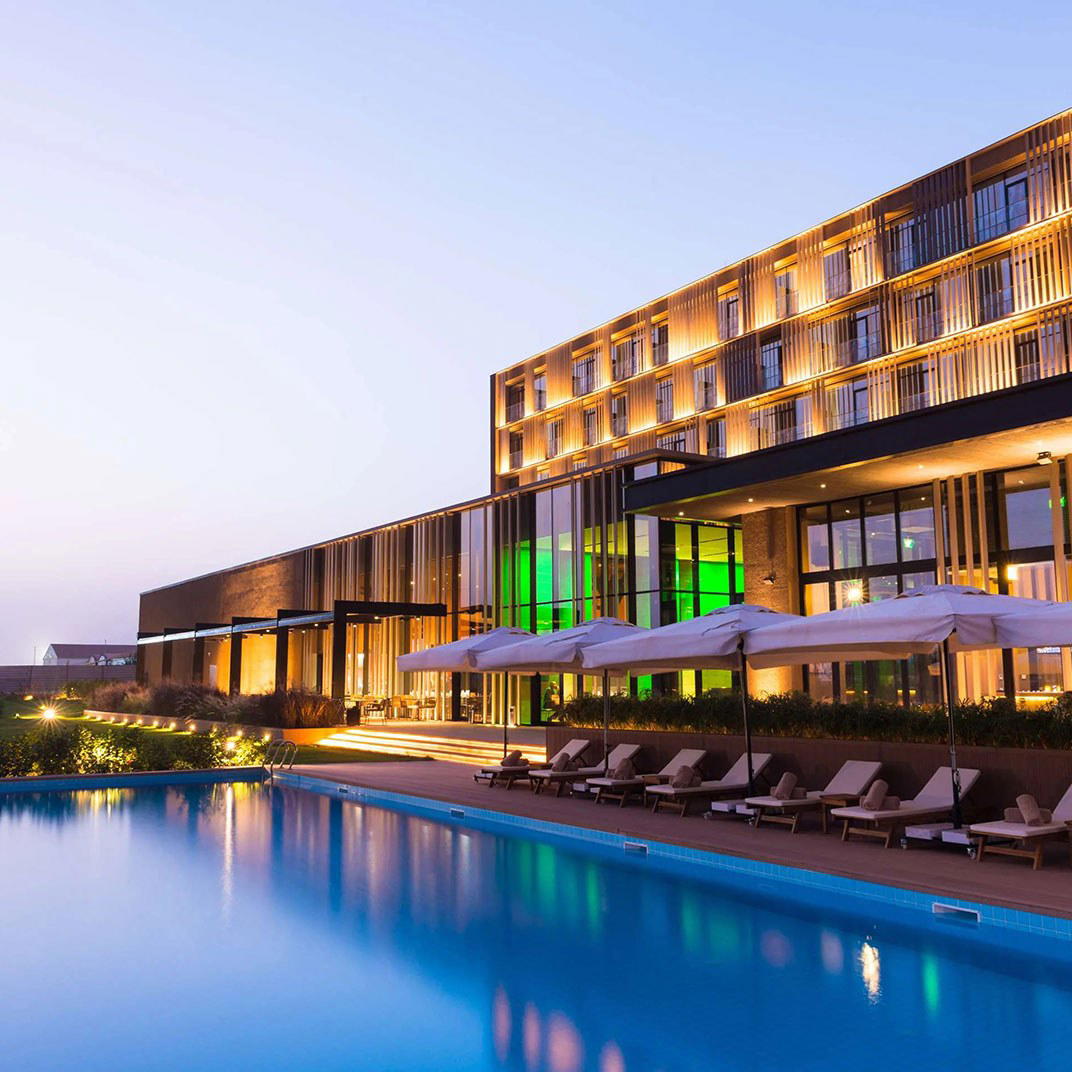
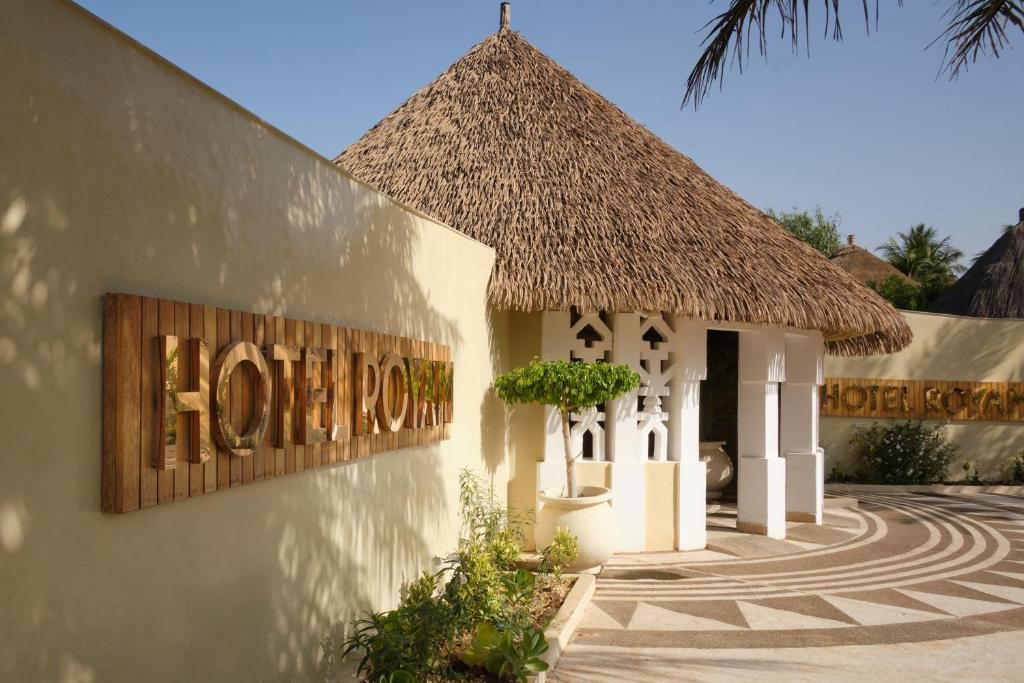
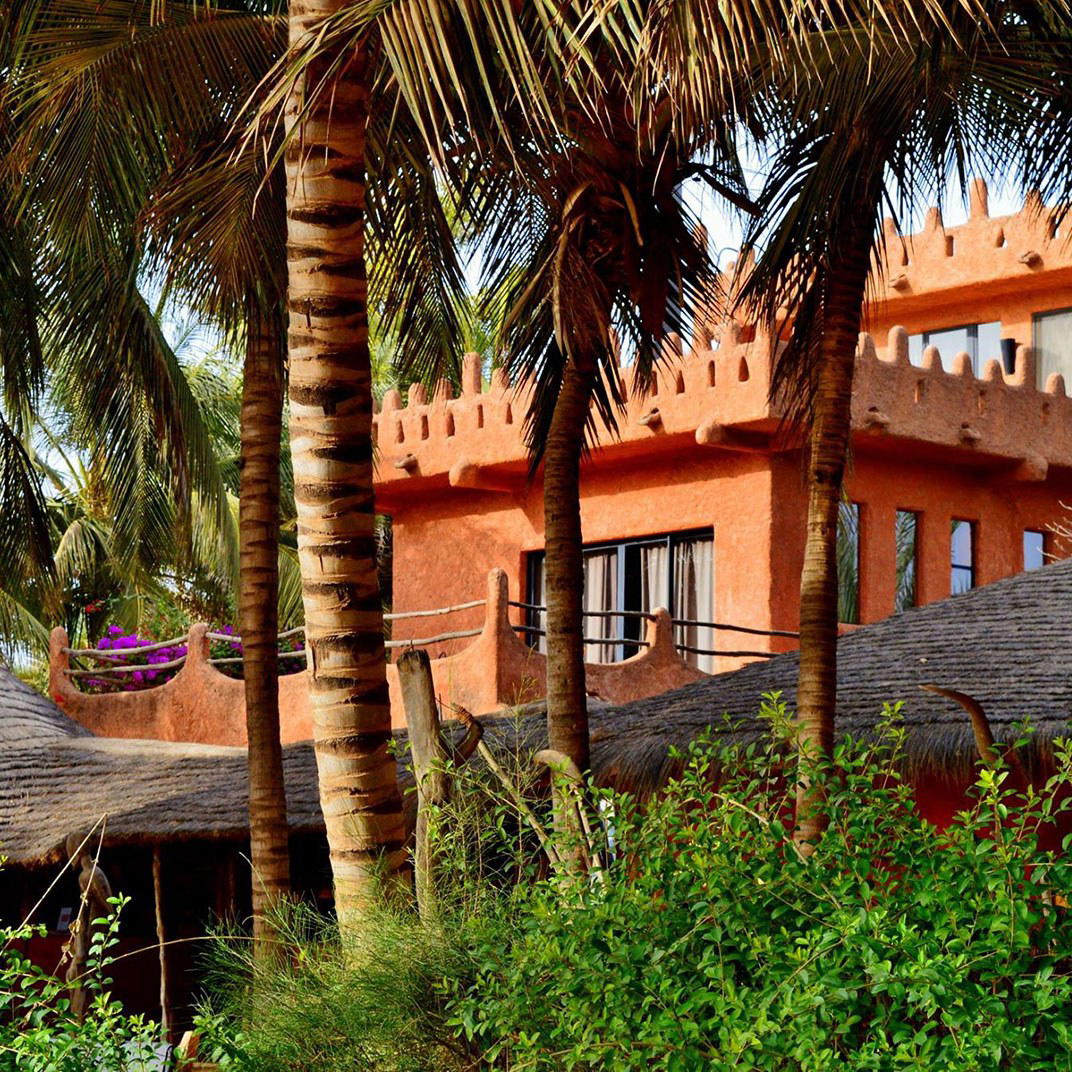
At a Glance
- Casual Hangout
- Historic Building
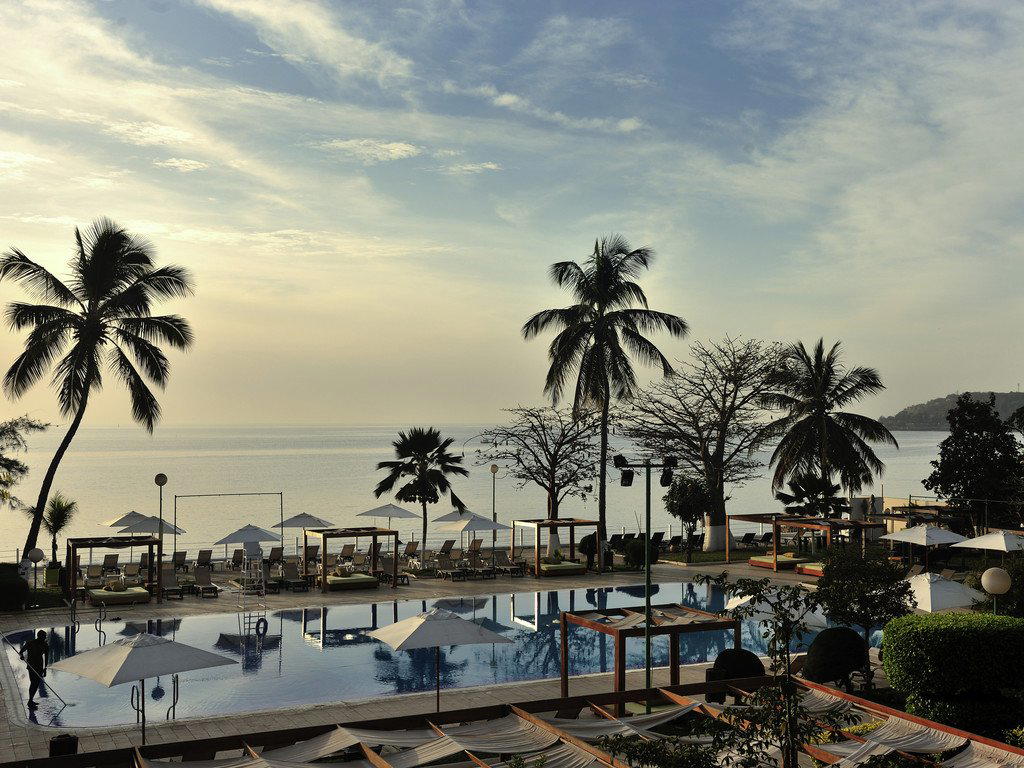
- Waterfront
Casual island spot with poor maintenance noted in reviews, featuring unclean tables and facilities.
Know Before You Go
- Getting there
- Dakar