At the far western tip of Dakar's Almadies peninsula, Casa Teranga occupies a position that few restaurants in West Africa can claim — both geographically and culturally. The name itself signals intent: teranga, the Wolof concept of hospitality, is less a marketing choice than a culinary framework. For visitors working through Dakar's dining scene, this is a reference point worth understanding.
Pearl is the En Primeur Club membership app — saves, bookings, and concierge access live there. Same editors, same standards.
- Address
- Pointe Des Almadies, Dakar, Senegal
- Phone
- +221784511510
- Website
- instagram.com
- Directions
- Get directions
 Saves & bookings on Pearl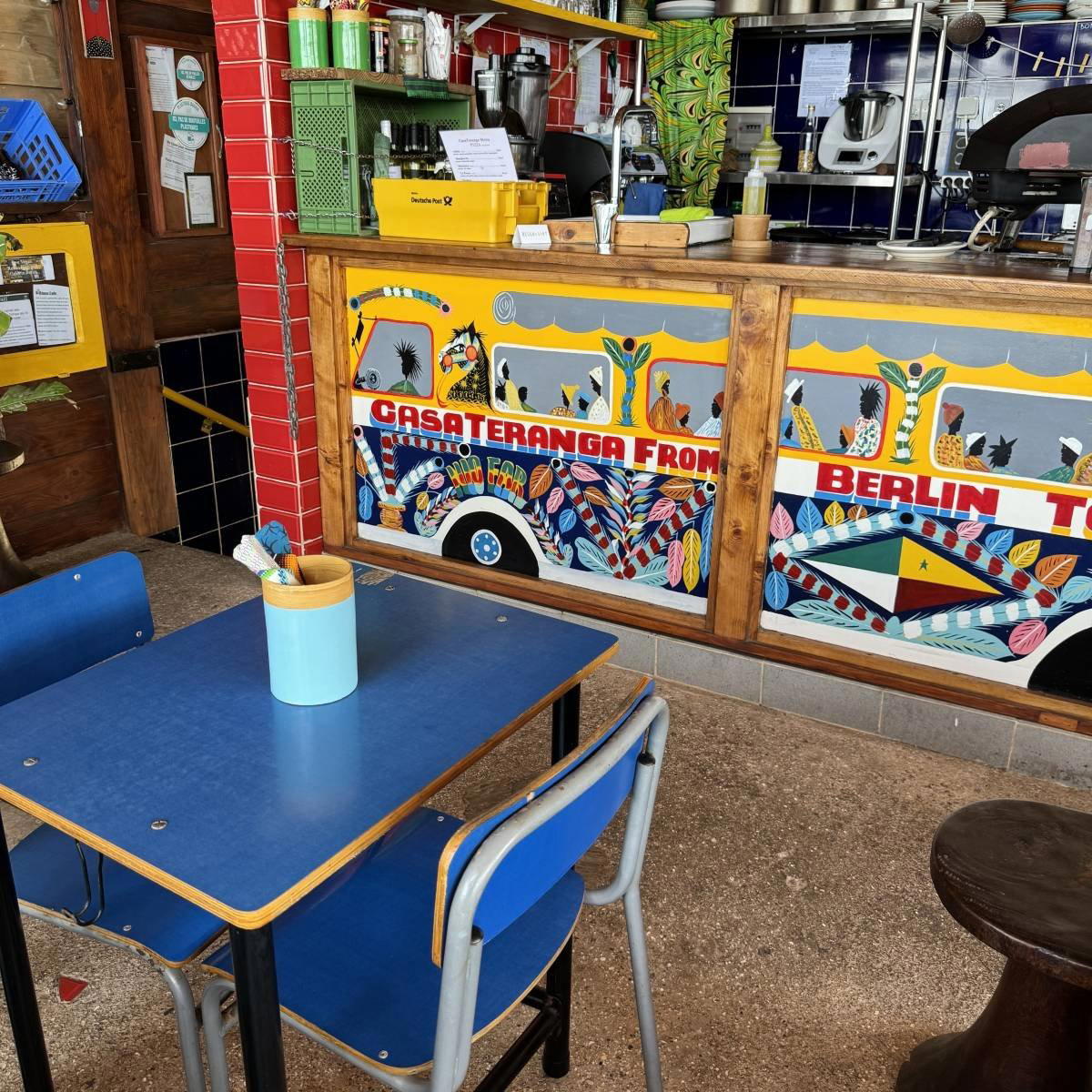
Where the Atlantic Ends and the Table Begins
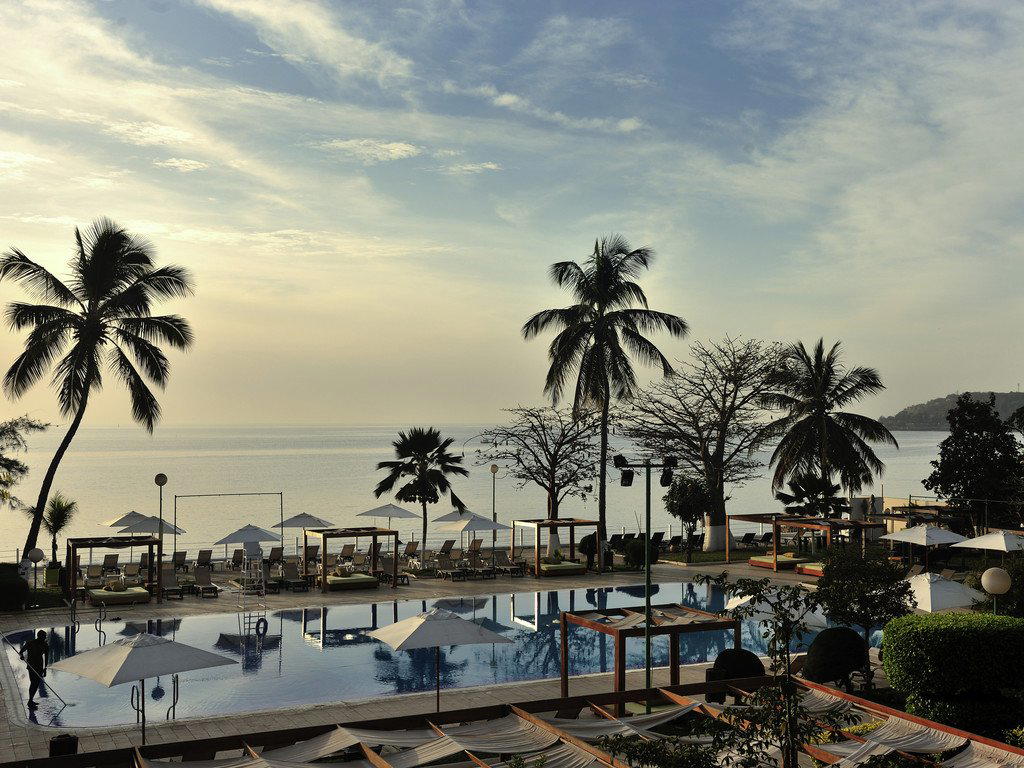
Pointe des Almadies sits at the westernmost point of continental Africa, a fact that gives this corner of Dakar an atmospheric weight that is difficult to replicate elsewhere. The ocean is not a backdrop here — it is a presence, shaping what gets cooked, how long things take, and who shows up to eat. Restaurants in this neighbourhood operate against a sensory register that is set before anyone has read a menu. Casa Teranga works within that context, drawing its name from the Wolof concept of hospitality that has defined Senegalese social life long before tourism turned it into a tagline.
The Almadies strip has evolved into one of Dakar's more concentrated dining corridors, sitting apart from the intensity of the Plateau and the residential quietness of Mermoz. Reaching it requires commitment — the commute from central Dakar is not brief, but that distance is part of what makes the area coherent. The dining room here is not passing trade. Guests arrive with purpose, and that self-selection shapes the atmosphere at almost every table.
Senegalese Hospitality as Menu Architecture
What separates the more considered restaurants in Dakar from simple grills or tourist-facing brasseries is structural intentionality, the sense that the menu is making an argument, not just listing options. In Senegalese cooking, that argument tends to run along a few clear axes: the role of thiéboudienne (the tomato-and-fish rice dish that UNESCO recognised as Intangible Cultural Heritage in 2021) as a national anchor; the depth that comes from slow-cooked yassa and mafé; the counterpoint of lighter, coastal preparations built around daily catch.
Casa Teranga's position at the Almadies, close to the fishing activity along Dakar's northern coast, places it in natural proximity to the ingredient logic that underlies the city's leading cooking. This is the zone where sourcing and menu architecture can align honestly, rather than through supply chains that add both time and distance. Across Dakar's dining scene, from the charcoal-forward dibiteries of the inner city to the more structured tables of the Almadies, what distinguishes the stronger operators is how well the menu reflects the ingredient reality of the moment rather than a fixed, laminated list that ignores seasonality.
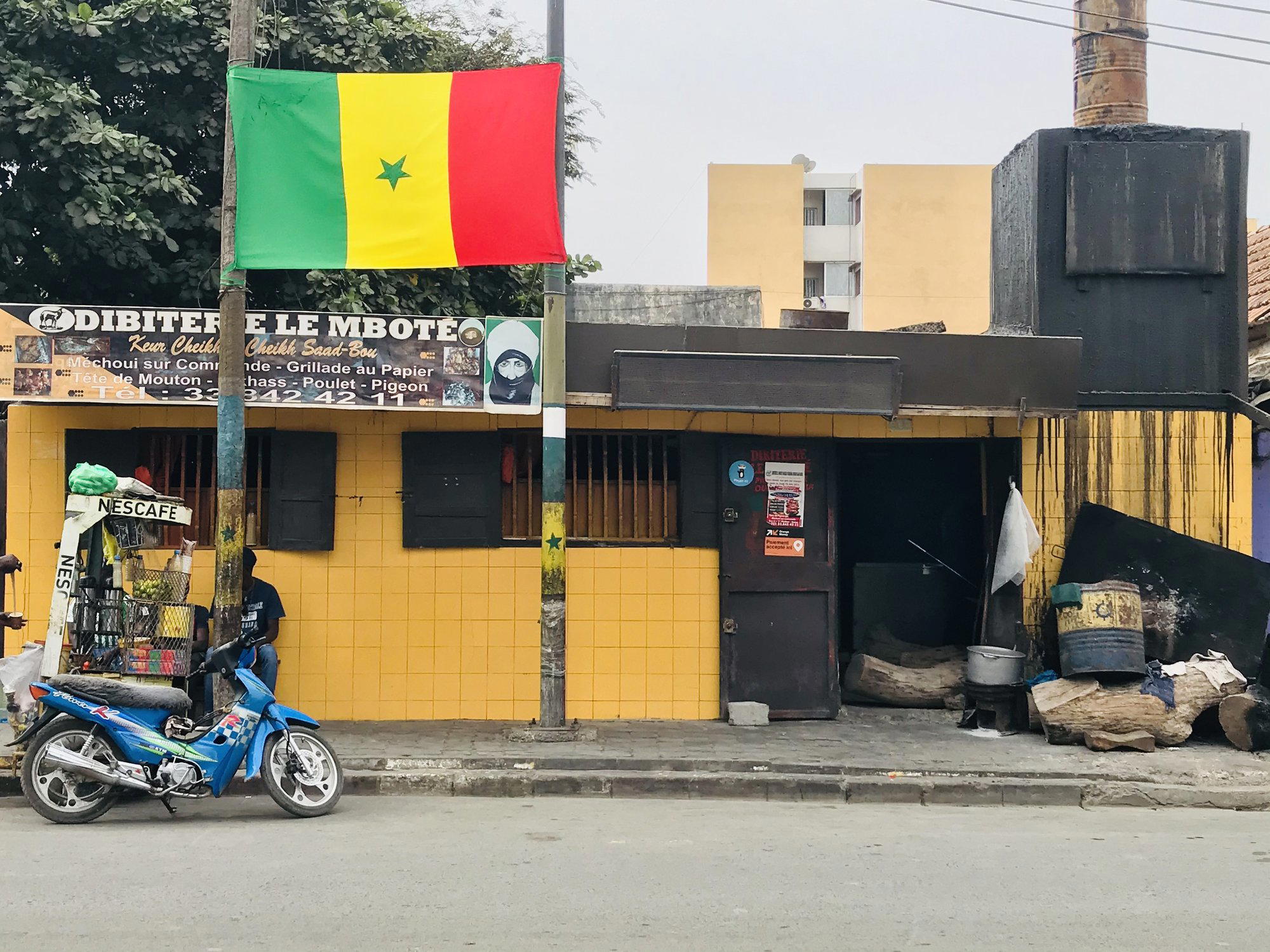
For context on the range of this scene, the charcoal-grilled meat tradition holds its own distinct corner of the city's food culture, Dibiterie Le Mboté 1 represents that register well. Seafood sourced closer to shore has its own dedicated practitioners, including Huitres De Sokone, which focuses on molluscs from the Casamance region's Sokone estuary. Garden-setting dining with a slower pace can be found at Le jardin de l'Amitié. Casa Teranga sits within this wider ecosystem, not above it, the Almadies address places it in conversation with the neighbourhood's international-facing tier while the name anchors it to something more local in character.
Dakar in a Broader West African Frame
Dakar's restaurant scene occupies an interesting position within West African dining more broadly. It is neither as internationally profiled as Abidjan nor as domestically self-sufficient as Accra, but it has a coherence that comes from Senegal's strong culinary identity, a cuisine with named dishes, codified techniques, and regional variation across the Casamance, Saint-Louis, and the Cap-Vert peninsula. Visitors who have eaten at La Kassa in Ziguinchor or at La Louise in Saint Louis arrive in Dakar with a frame of reference that makes the city's restaurants more legible, the cooking in the capital is in dialogue with those regional traditions, sometimes reinforcing them, sometimes departing from them in the direction of French or Lebanese influence that Dakar's history makes inevitable.
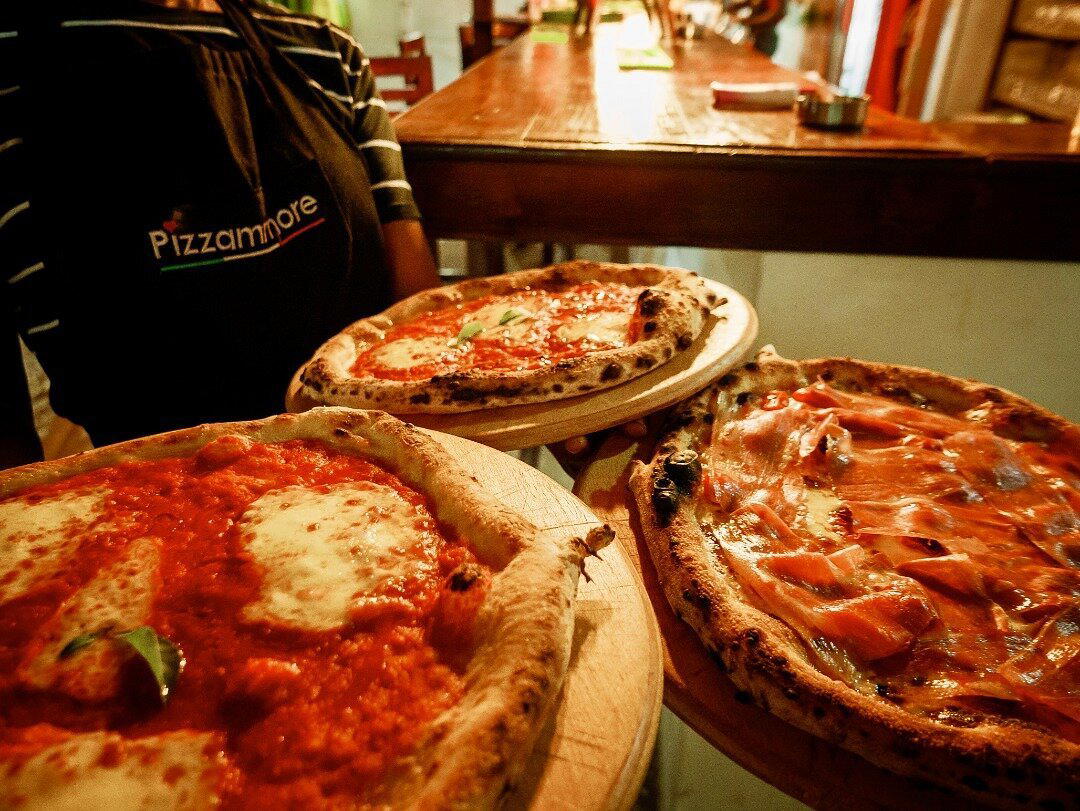
That cosmopolitan layer is visible across the Almadies dining corridor. Pizzammore and Chez Kiki represent the neighbourhood's appetite for Italian and international formats alongside Senegalese anchors. The coexistence is not a dilution of local identity, it reflects a city that has always been a transit point, absorbing influences without necessarily being dominated by them.
For readers who follow tightly sourced, regionally rooted cooking globally, the kind of intent visible at Atelier Moessmer Norbert Niederkofler in Brunico or Reale in Castel di Sangro, the logic of Dakar's better tables is familiar even if the ingredients are entirely different. The structure of a menu that thinks through its sourcing geography is legible across contexts, whether that geography is the Dolomites or the Atlantic coast of Senegal.
Planning a Visit to the Almadies
The Almadies is a 20-to-30-minute drive from the Plateau and the Medina depending on traffic, which in Dakar is a variable worth taking seriously. Early evening departures tend to encounter less congestion than mid-afternoon. The area itself is walkable once you arrive, with several restaurants within a short radius of each other, which makes the neighbourhood a reasonable base for a longer evening rather than a single-restaurant visit. Practical booking details for Casa Teranga, including hours and reservation methods, are best confirmed directly through local contact; the restaurant's information on third-party platforms is inconsistently maintained. For a full picture of where Casa Teranga sits within the city's dining options, our full Dakar restaurants guide maps the scene across neighbourhoods and formats. Coastal options beyond the city are also worth considering: La Taverne Du Pêcheur in Communaute Rurale De Ngueniene offers a sense of how far the sourcing geography of Senegalese seafood cooking extends beyond the capital.

At a Glance
- Scenic
- Bohemian
- Cozy
- Casual Hangout
- Group Dining
- Solo
- Waterfront
- Terrace
- Standalone
- Zero Proof
- Zero Waste
- Local Sourcing
- Waterfront
Current opening hours
- Monday
- Closed
- Tuesday
- 12–11 PM
- Wednesday
- 12–11 PM
- Thursday
- 12–11 PM
- Friday
- 12–11 PM
- Saturday
- 12–11 PM
- Sunday
- 12–11 PM
Hours can change for holidays and private events. Last verified .
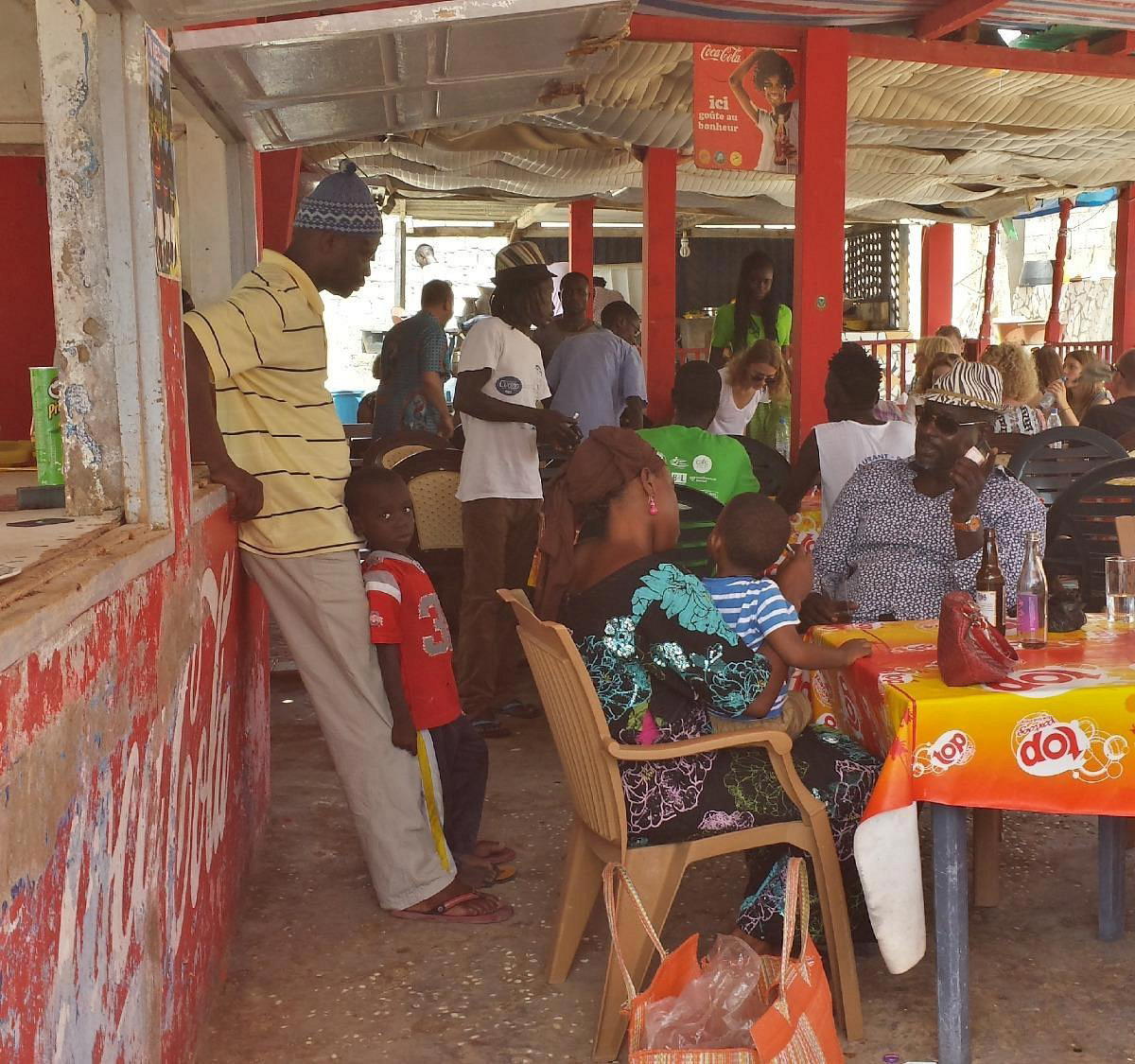
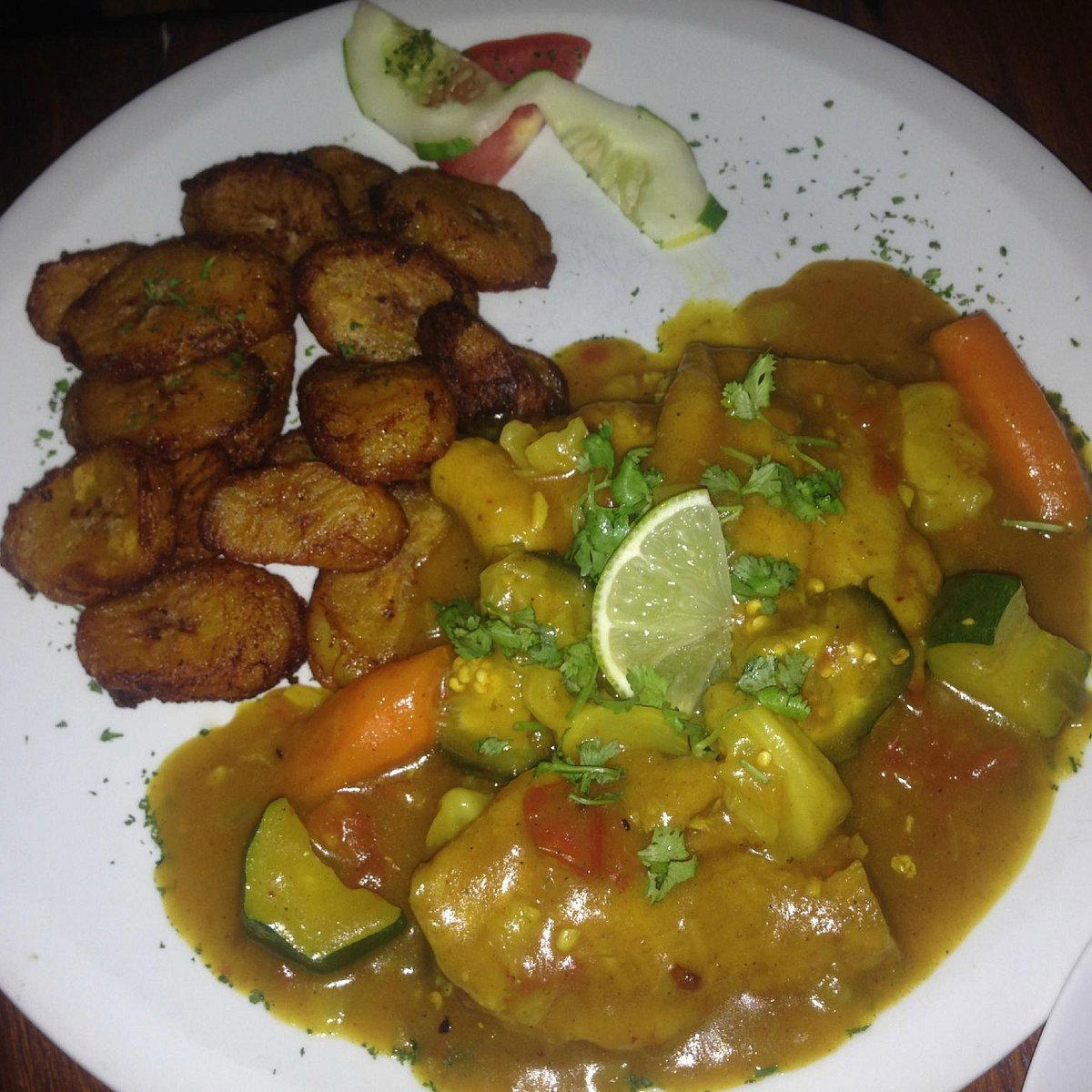
Bright, colorful plant-based dishes in a charming seaside setting with warm hospitality; natural lighting overlooking the ocean.
Know Before You Go
- Getting there
- Pointe Des Almadies, Dakar, Senegal