On Allées Seydou Nourou Tall, one of Dakar's more storied central arteries, Le jardin de l'Amitié occupies a position in the city's mid-market dining scene where garden-style settings and Franco-Senegalese hospitality traditions converge. The name itself signals the register: friendship, leisure, and a certain unhurried generosity that defines how Dakar eats when it is not in a hurry. For visitors orienting themselves in the capital's restaurant circuit, it sits in a neighbourhood context worth understanding before you arrive.
Pearl is the En Primeur Club membership app — saves, bookings, and concierge access live there. Same editors, same standards.
- Address
- PG3Q+2F8, Allees Seydou Nourou Tall, Dakar, Senegal
- Phone
- +221 33 843 21 79
- Website
- google.com
- Directions
- Get directions
 Saves & bookings on Pearl
Where Dakar's Garden Dining Tradition Takes Shape
Dakar has always organised its social life around open-air spaces. The Atlantic proximity that defines the city's geography also shapes how its residents eat: al fresco, communally, and at a pace that resists the clock. Le jardin de l'Amitié, addressed on the Allées Seydou Nourou Tall corridor, draws from that tradition directly. The name translates simply as the Garden of Friendship, and in a city where the concept of teranga — Wolof for hospitality extended as a cultural value, not merely a service transaction — governs how guests are received, that framing carries real weight.
The Allées Seydou Nourou Tall is one of Dakar's central thoroughfares, running through a dense, commercially active part of the city. Restaurants along this corridor tend to occupy the space between neighbourhood institution and accessible mid-market dining, distinct from the tourist-facing seafood terraces of the Plateau or the upscale contemporary formats emerging in Points E and Almadies. Le jardin de l'Amitié fits within that middle register: a setting that rewards visitors willing to move past the obvious choices and read the city at a closer resolution.
The Cultural Logic of Garden Dining in West Africa
To understand what a garden restaurant means in Dakar, it helps to understand what Senegalese communal dining looks like at its most rooted. The national dish, thiéboudienne, rice cooked in tomato and fish broth, layered with vegetables, is served in shared bowls and eaten collectively. The ritual of the meal is inseparable from its social function. Garden settings, with their shade, ambient noise from the street, and lack of the formality that interior dining rooms impose, are the natural environment for that kind of eating. They lower the register deliberately.
Across West Africa, this format has proven more durable than the enclosed restaurant model imported from European hospitality frameworks. In Dakar specifically, venues that offer outdoor or semi-outdoor space tend to hold neighbourhood loyalty more effectively than those that don't, particularly in the hours between midday and mid-afternoon, when the city's working population takes its main meal seriously. The garden restaurant is not a novelty format here; it is closer to the default.
This broader pattern is visible in how Dakar's dining scene has developed relative to other African capitals. Abidjan and Lagos have both seen aggressive growth in enclosed, air-conditioned fine dining; Dakar has been slower to move in that direction, partly because of the climate, partly because of a cultural attachment to the open-air communal model that garden venues like this one represent.
Positioning Within Dakar's Restaurant Circuit
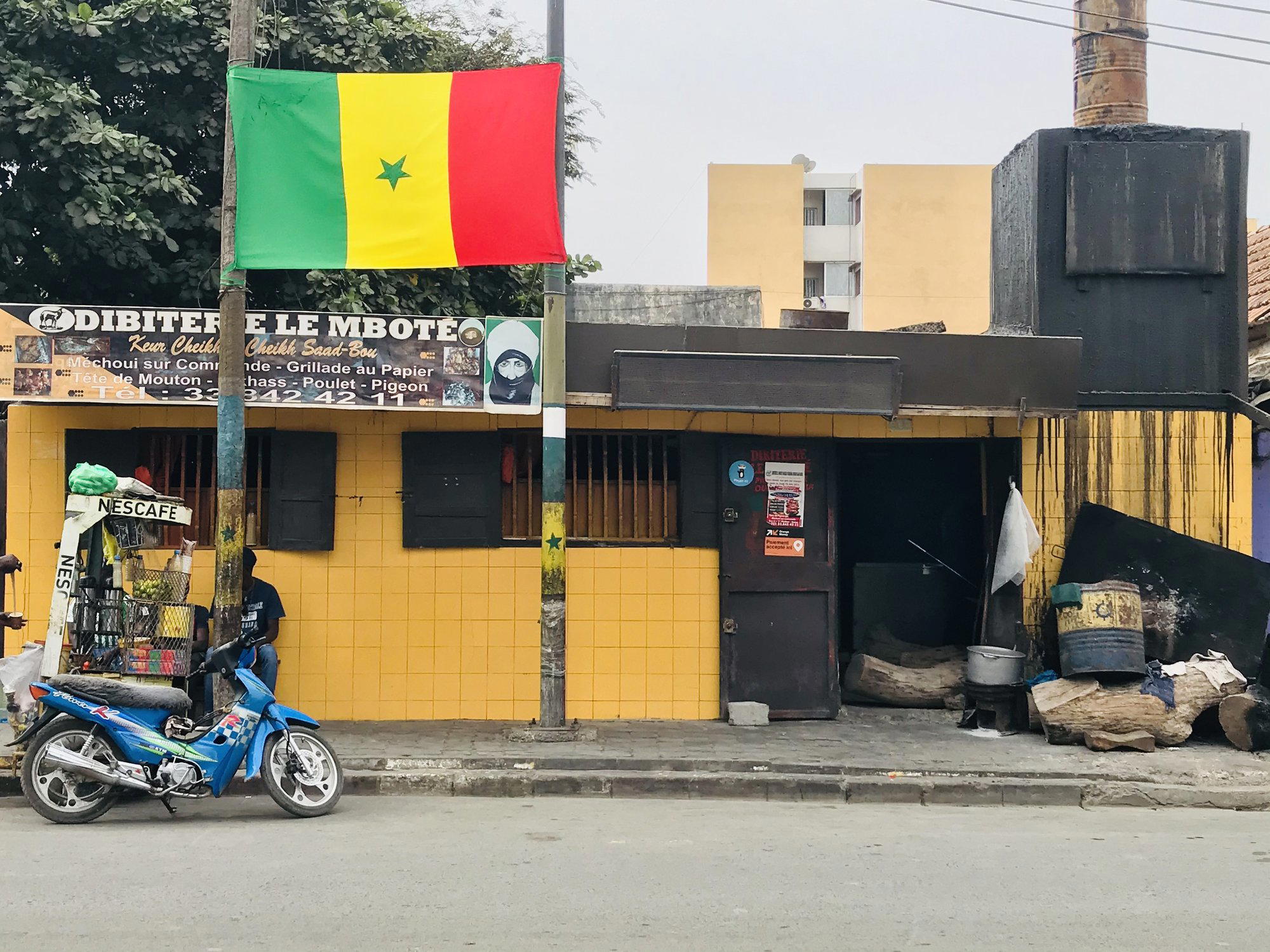
Dakar's restaurant scene in 2024 covers a wider range of formats than visitors expecting a limited offering typically anticipate. At one end, dibiteries, specialist grilled-meat spots like Dibiterie Le Mboté 1, operate as fast-turnaround neighbourhood institutions with a specific product and a loyal local following. At the other, contemporary Senegalese formats like Casa Teranga are working the territory between Dakar's culinary heritage and international fine dining conventions. Street-adjacent formats like Chez Kiki operate with high informality and deep neighbourhood roots.
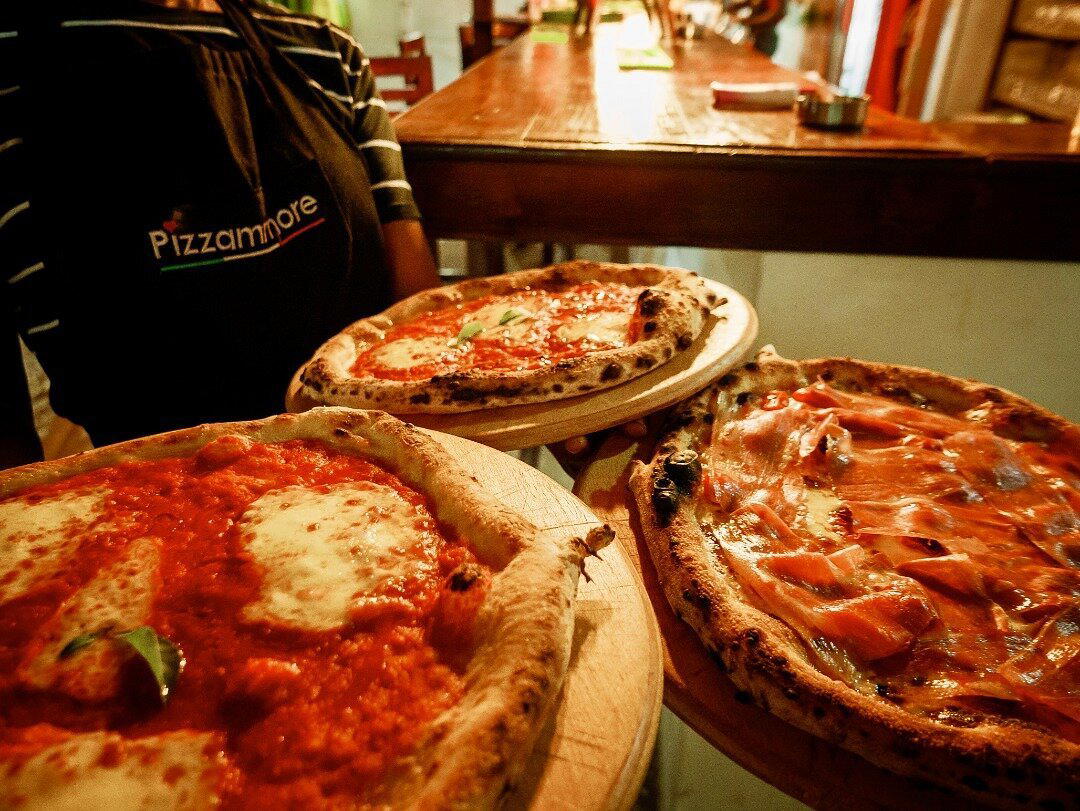
Le jardin de l'Amitié sits in none of those specific niches. Its positioning is closer to the mid-market garden restaurant that serves a broad constituency: residents from the surrounding area, office workers during the day, and visitors who have moved past the first-tier tourist recommendations. This is a different competitive set from the seafood-focused Huitres De Sokone, and a different register entirely from Italian-leaning formats like Pizzammore, which targets a different segment of the city's appetite for variety.
For context on how Dakar's dining scene fits into Senegal's wider food geography, the country's restaurant culture extends well beyond the capital. La Louise in Saint Louis represents the colonial-era French-Senegalese synthesis in a different register, while La Kassa in Ziguinchor anchors Casamance's distinct culinary identity, and La Taverne Du Pêcheur in Ngueniene shows how coastal Senegal handles its proximity to the Atlantic in a less urban frame. The full range of what Senegal offers at the table is genuinely wide, and Dakar is only part of that picture.
For readers comparing Dakar's food scene to international reference points, the comparison that makes most sense is not to the tasting-menu formalism of Atomix in New York or the produce-led precision of Atelier Moessmer Norbert Niederkofler in Brunico, but to the neighbourhood-anchored, culturally specific dining that exists in cities where food is primarily a social institution rather than a performance. In that frame, Dakar's mid-market garden restaurants occupy an honourable position. Our full Dakar restaurants guide maps the full spread.
Planning a Visit
Le jardin de l'Amitié is located on the Allées Seydou Nourou Tall in central Dakar, accessible from most of the city's main districts. Because the venue database does not currently include confirmed hours, pricing, or booking method, visitors should verify opening times locally before making a dedicated trip. For context, most mid-market Dakar restaurants of this type are open for lunch service from around midday and dinner from early evening, with the midday meal being the more significant of the two in neighbourhood terms.
At a Glance
- Cozy
- Intimate
- Casual Hangout
- Brunch
- Garden
Current opening hours
- Monday
- 11 AM–1 AM
- Tuesday
- 11 AM–1 AM
- Wednesday
- 11 AM–1 AM
- Thursday
- 11 AM–1 AM
- Friday
- 11 AM–1 AM
- Saturday
- 11 AM–1 AM
- Sunday
- 11 AM–1 AM
Hours can change for holidays and private events. Last verified .
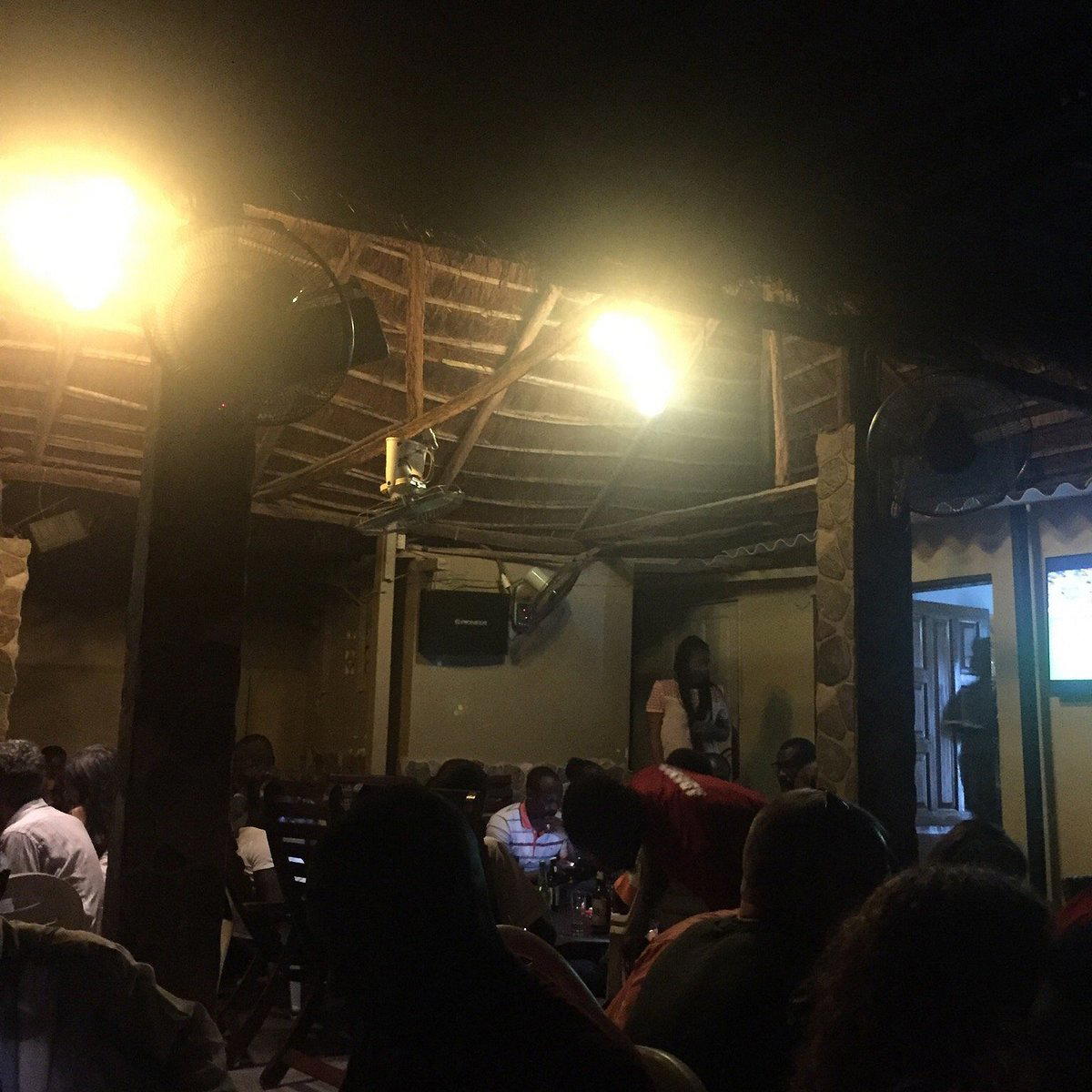
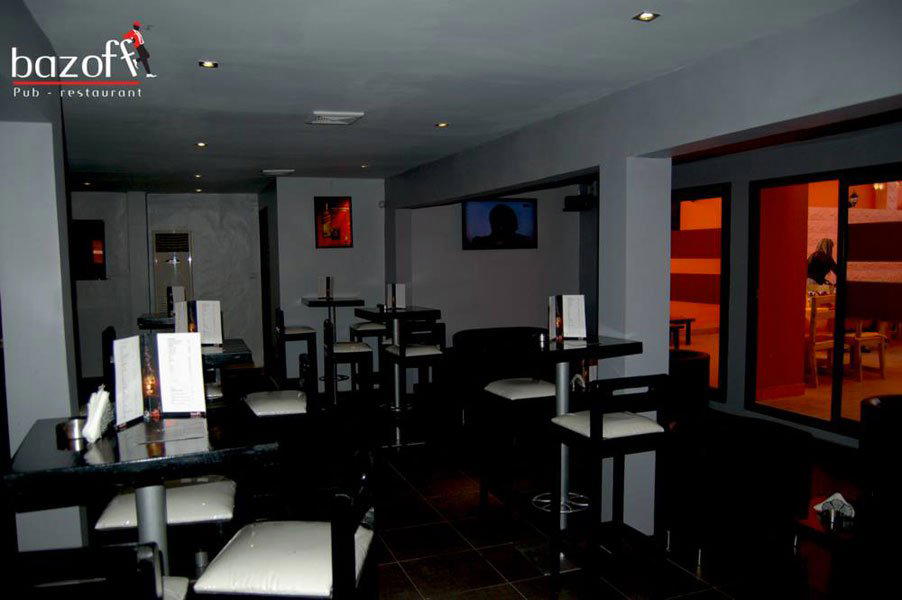
Warm and welcoming with casual dining feel, though televisions may affect quieter spots.
Know Before You Go
- Getting there
- PG3Q+2F8, Allees Seydou Nourou Tall, Dakar, Senegal