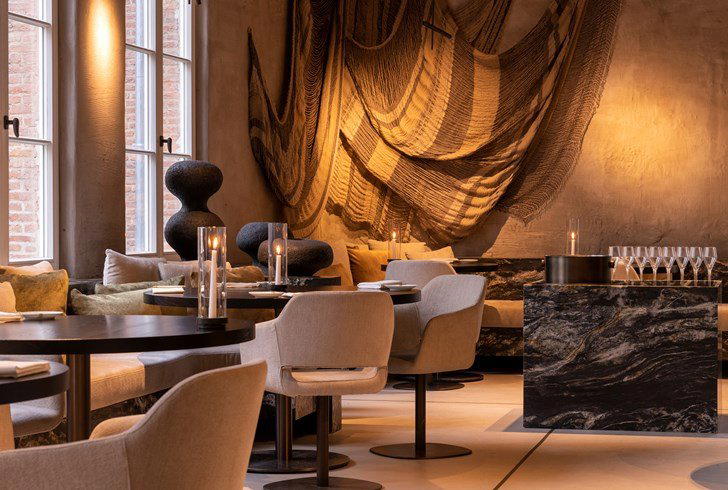
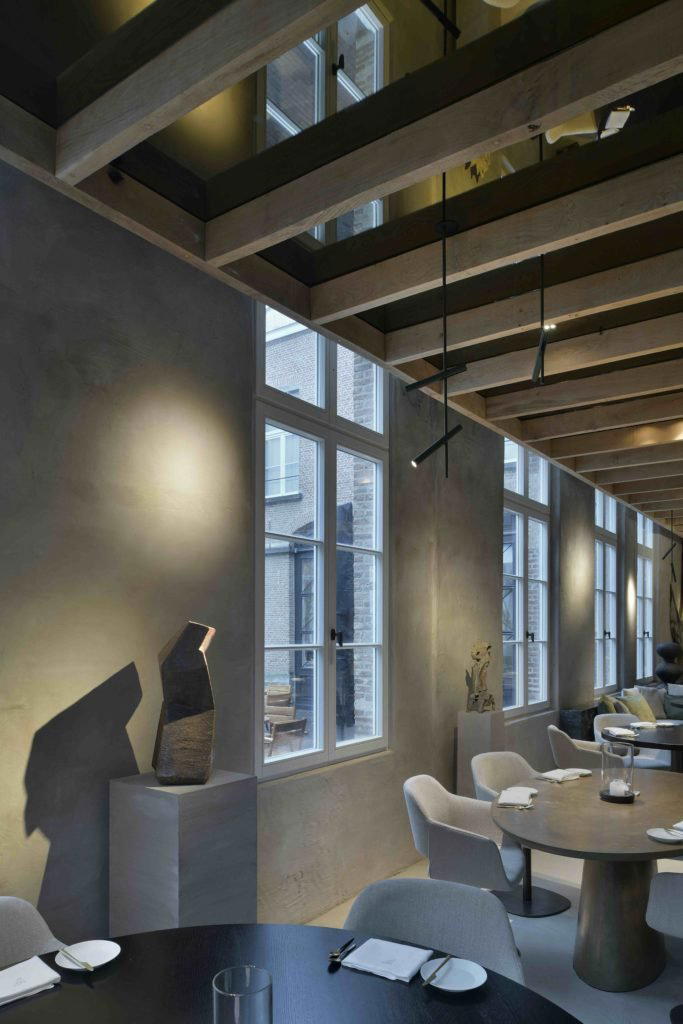
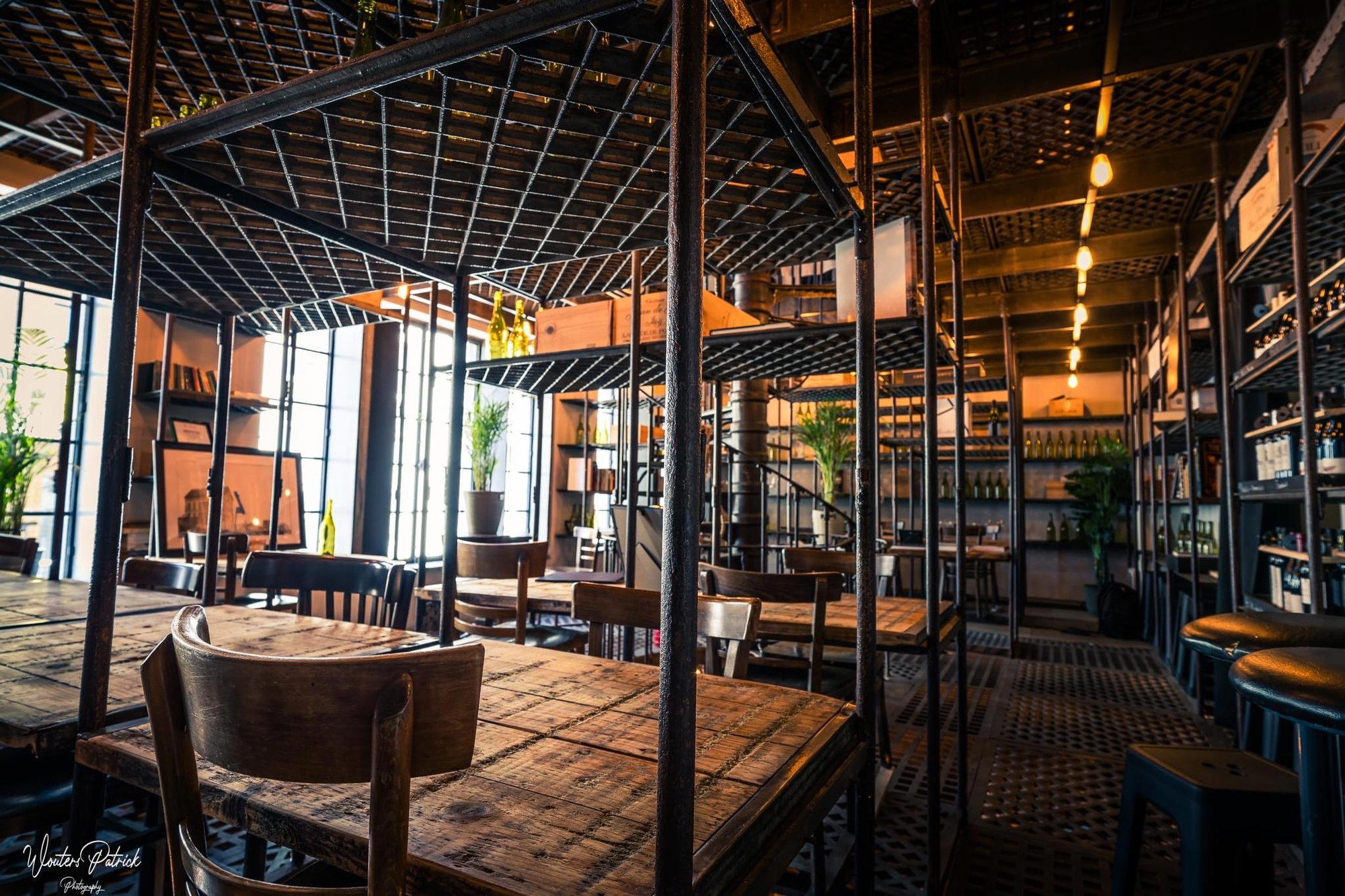
SILO occupies a converted industrial space on Stokerijstraat in Wijnegem, sitting within the arc of serious Flemish dining that radiates outward from Antwerp. The address places it outside the city's obvious restaurant corridors, which is itself a signal worth reading. For the Flemish dining scene, where sourcing credentials increasingly separate the serious from the serviceable, SILO represents a category of destination worth tracking.
Pearl is the En Primeur Club membership app — saves, bookings, and concierge access live there. Same editors, same standards.
- Address
- Stokerijstraat 21, 2110 Wijnegem, Belgium
- Phone
- +3233002021
- Website
- silo-antwerp.com
- Directions
- Get directions
 Saves & bookings on Pearl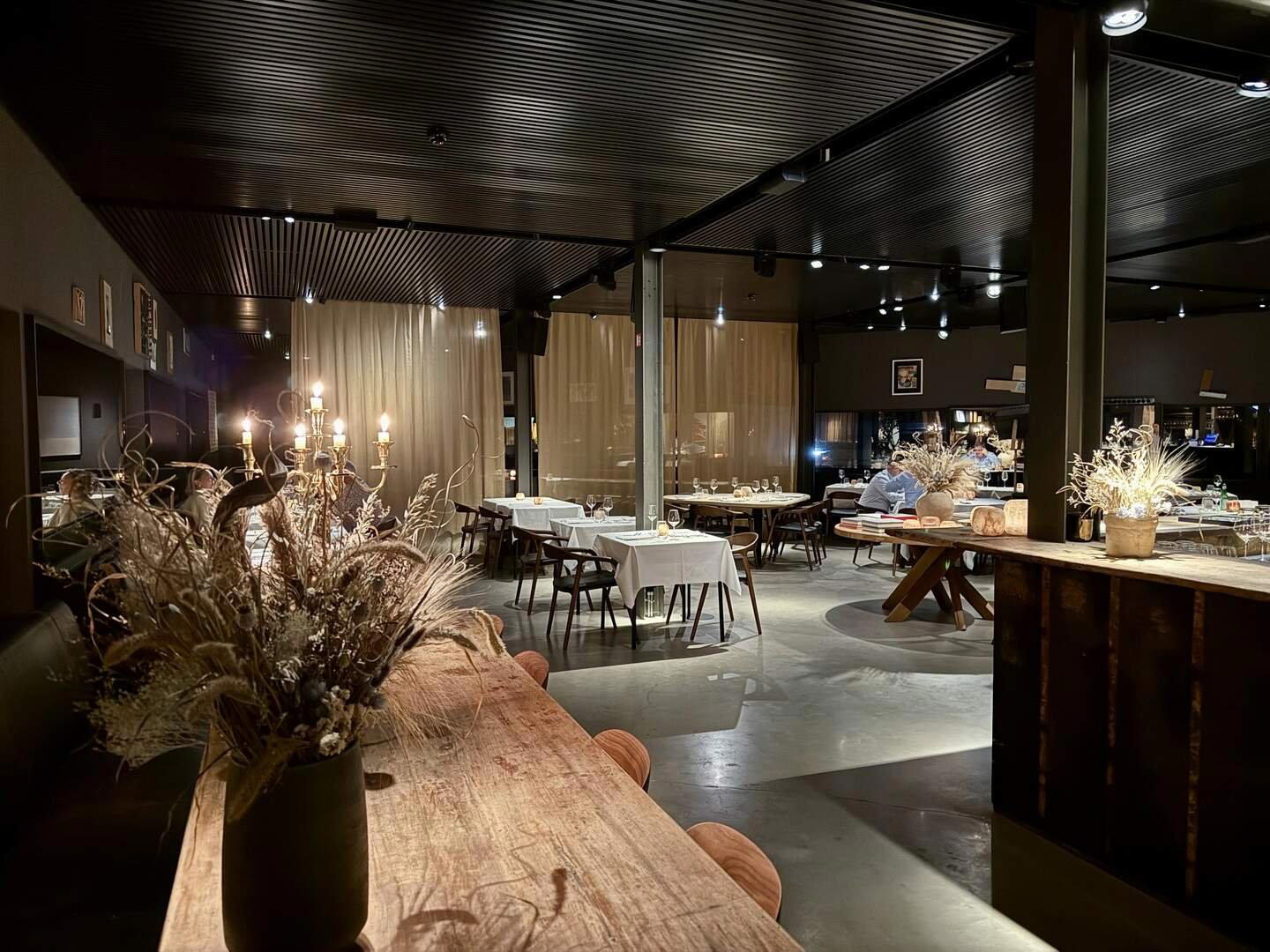
Industrial Shell, Agricultural Logic
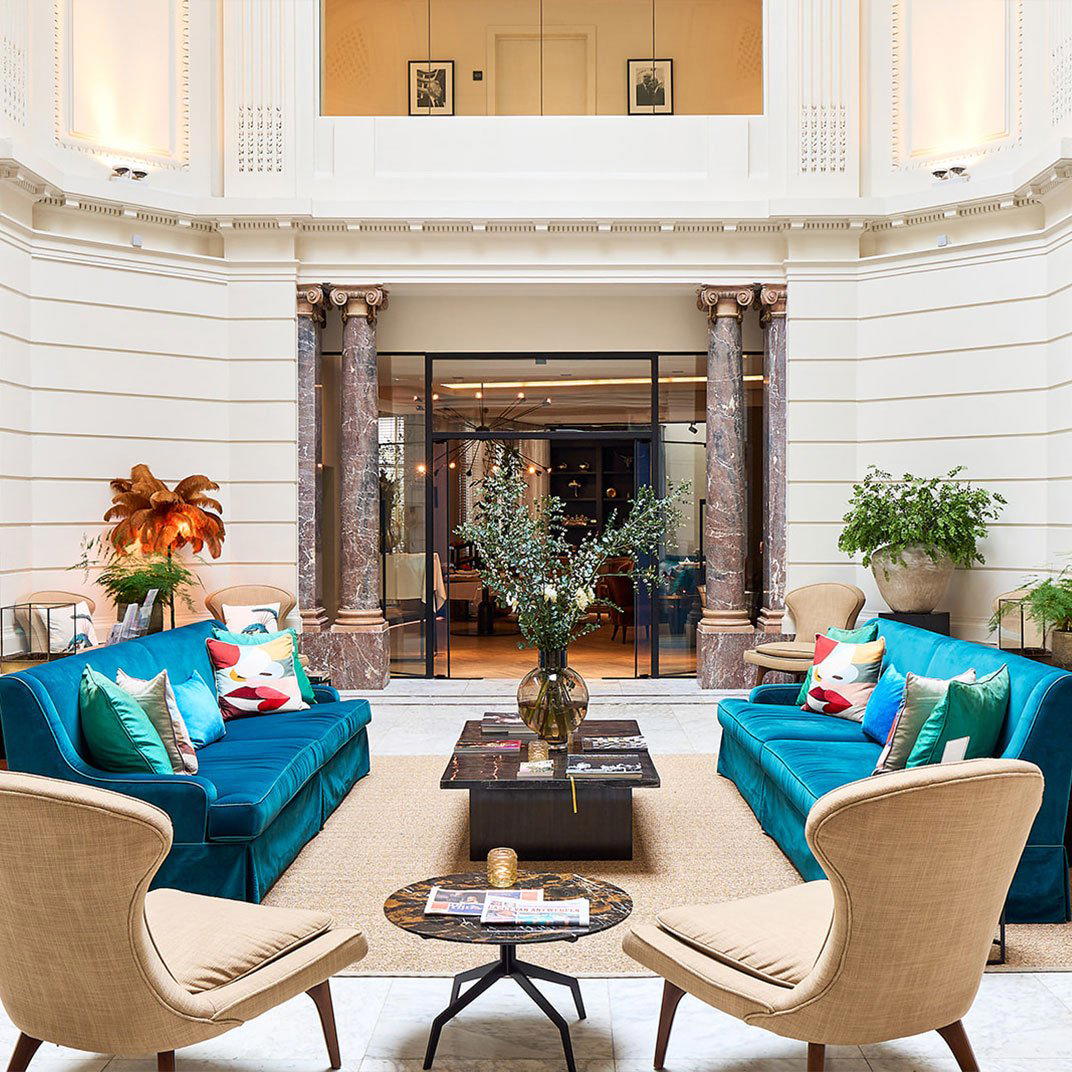
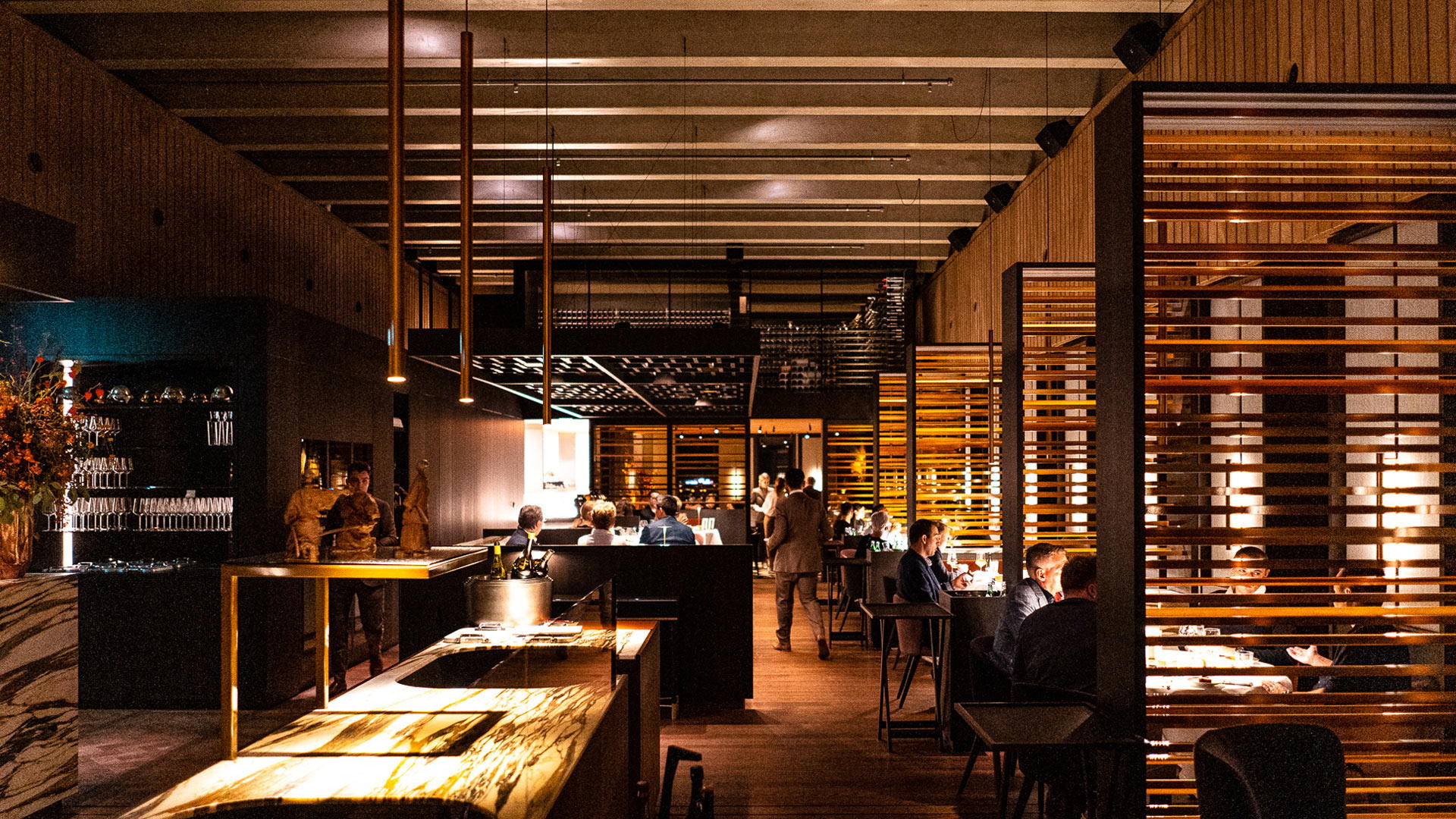
There is a particular architecture that serious Belgian kitchens have gravitated toward over the past decade: repurposed industrial buildings, stripped back rather than dressed up, where the materiality of the space does not compete with what arrives on the plate. Stokerijstraat 21 in Wijnegem fits that pattern. The address sits northeast of Antwerp's centre, in a post-industrial corridor where food destinations have taken root away from the tourist infrastructure of a city centre. The physical approach matters here. There is no ambient foot traffic to catch; the journey to SILO is intentional by design.
Where Sourcing Becomes the Argument
Across Flemish fine dining, the sourcing conversation has moved from marketing footnote to structural principle. Restaurants that once listed a single artisan supplier now build menus around seasonal availability from specific producers, adjusting what appears on the plate based on what arrived that week rather than what was printed in October. This shift has produced a recognisable category of Belgian restaurant where the kitchen functions less as a translation layer between classical technique and the diner, and more as a direct extension of a farming or fishing supply chain.
SILO operates within that framework. The name itself is agricultural shorthand, a storage structure that holds raw material before it is processed, and it signals an orientation toward primary produce rather than finished elaboration. That framing places SILO in a different conversation from the classically constructed tasting menus at places like Boury in Roeselare or the hyper-technique environments at Zilte in Antwerp, where the kitchen's transformation of ingredient is as foregrounded as the ingredient itself.
The sourcing-led model has gained traction across Belgium's serious restaurant tier. Willem Hiele in Oudenburg has built its reputation almost entirely around North Sea produce and the logistical relationships behind it. De Jonkman in Sint-Kruis applies similarly rigorous provenance thinking to a Modern Flemish framework. What connects these addresses is not a shared aesthetic but a shared argument: that the quality of a meal is determined earlier in the chain than most diners ever see.
The Antwerp Orbit and What It Demands
Wijnegem's position in the Antwerp orbit shapes expectations before a dish arrives. Antwerp's own fine dining tier, anchored by addresses like Zilte, sets a high technical baseline for the region. Diners travelling from the city centre, roughly a fifteen-minute drive northeast, carry those reference points with them. The restaurants that succeed outside that centre tend to do so by offering something that the city's more central addresses do not: more space, a different pace, or a sourcing network that proximity to rural suppliers makes easier to maintain.
The comparison set for SILO within this geography includes Nuance in Duffel and Castor in Beveren, both operating in the Antwerp province at a serious level without the visibility advantages of a city-centre address. Further afield but within the same Flemish premium tier sit Hof van Cleve in Kruishoutem and Bartholomeus in Heist, each of which has built significant reputations by anchoring sourcing to a specific geography, the agricultural Leie valley and the North Sea coast, respectively.
The Belgian dining scene beyond Flanders adds further reference points. L'air du Temps in Liernu has positioned its kitchen almost entirely around its own kitchen garden, while Maison Colette in Tongerlo and La Durée in Izegem occupy a similarly ingredient-forward register. Even in Brussels, Bozar Restaurant and Le Chalet de la Forêt in Uccle have built their programs partly on the coherence of their supply relationships. The international frame extends further: at the highest register of produce-driven cooking, Le Bernardin in New York and Atomix in New York represent what happens when sourcing discipline intersects with technical precision at scale. d'Eugénie à Emilie in Baudour and La Table de Maxime in Our round out the Belgian landscape at the serious end.
SILO's public record is sparse. That absence is itself informative in a specific way. Restaurants that occupy the serious-but-quiet register of Flemish dining, destinations that earn their audience through word of mouth and repeat custom rather than Michelin announcement cycles, often carry thin public data trails precisely because they are not optimising for external recognition.
What the address and name together suggest is a positioning within the ingredient-led, industrially-housed tier of modern Belgian dining that has become one of the more interesting categories in the country's restaurant scene over the past five years. That tier rewards diners who arrive with patience for produce-driven menus and a tolerance for formats that may shift weekly rather than seasonally.
Planning a Visit
SILO sits at Stokerijstraat 21 in Wijnegem, reachable from central Antwerp in roughly fifteen minutes by car. Direct contact through the venue is the appropriate first step before making any arrangements. Hours, format, and availability should all be confirmed ahead of travel. For visitors building a broader itinerary around serious Flemish dining, the Antwerp province offers a cluster of restaurants within a short driving radius.
Comparable Spots, Quickly
Comparable venues nearby, for context on price, style, and recognition.
| Venue | Cuisine | Price | Notes |
|---|---|---|---|
| SILOThis venue — the venue you are viewing | Modern Belgian Brasserie | $$$ | Not listed |
| De Eenhoorn | Classical French-Belgian Bistro | $$$ | Bazel |
| Chez Luma | French Bistro with Market Cuisine | $$$ | Uccle |
| Vienna | French-Belgian Bistro | $$$ | Lokeren Station |
| Hadrien | French Market Bistro | $$$ | Montgomery |
| La Quincaillerie | Franco-Belgian Brasserie | $$$ | Ixelles |
At a Glance
- Industrial
- Modern
- Lively
- Business Dinner
- Special Occasion
- Historic Building
- Open Kitchen
Current opening hours
- Monday
- Closed
- Tuesday
- Closed
- Wednesday
- 12–3 PM, 7–10 PM
- Thursday
- 12–3 PM, 7–10 PM
- Friday
- 12–3 PM, 6:30–10 PM
- Saturday
- 12–3 PM, 6:30–10 PM
- Sunday
- Closed
Hours can change for holidays and private events. Last verified .
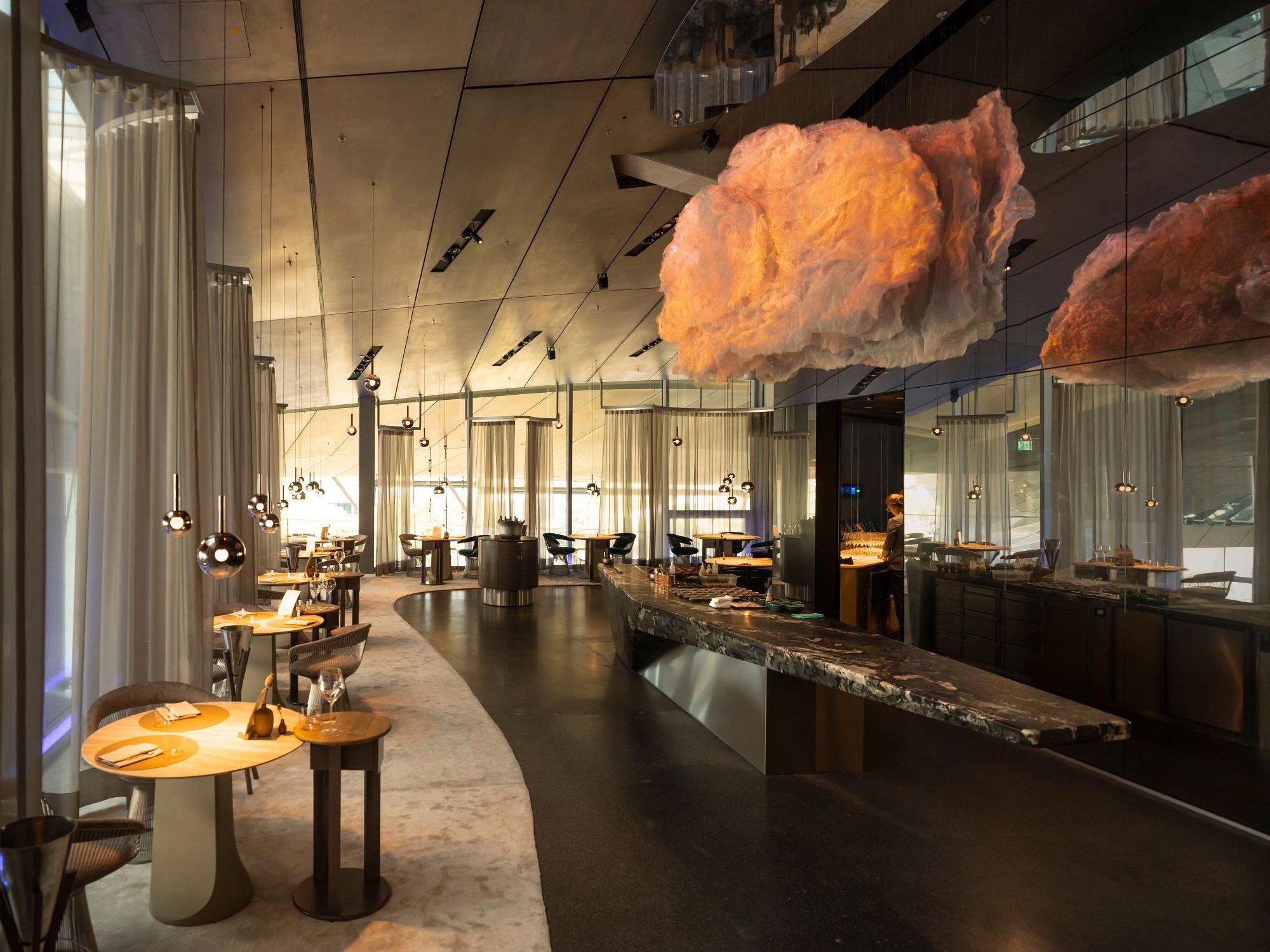
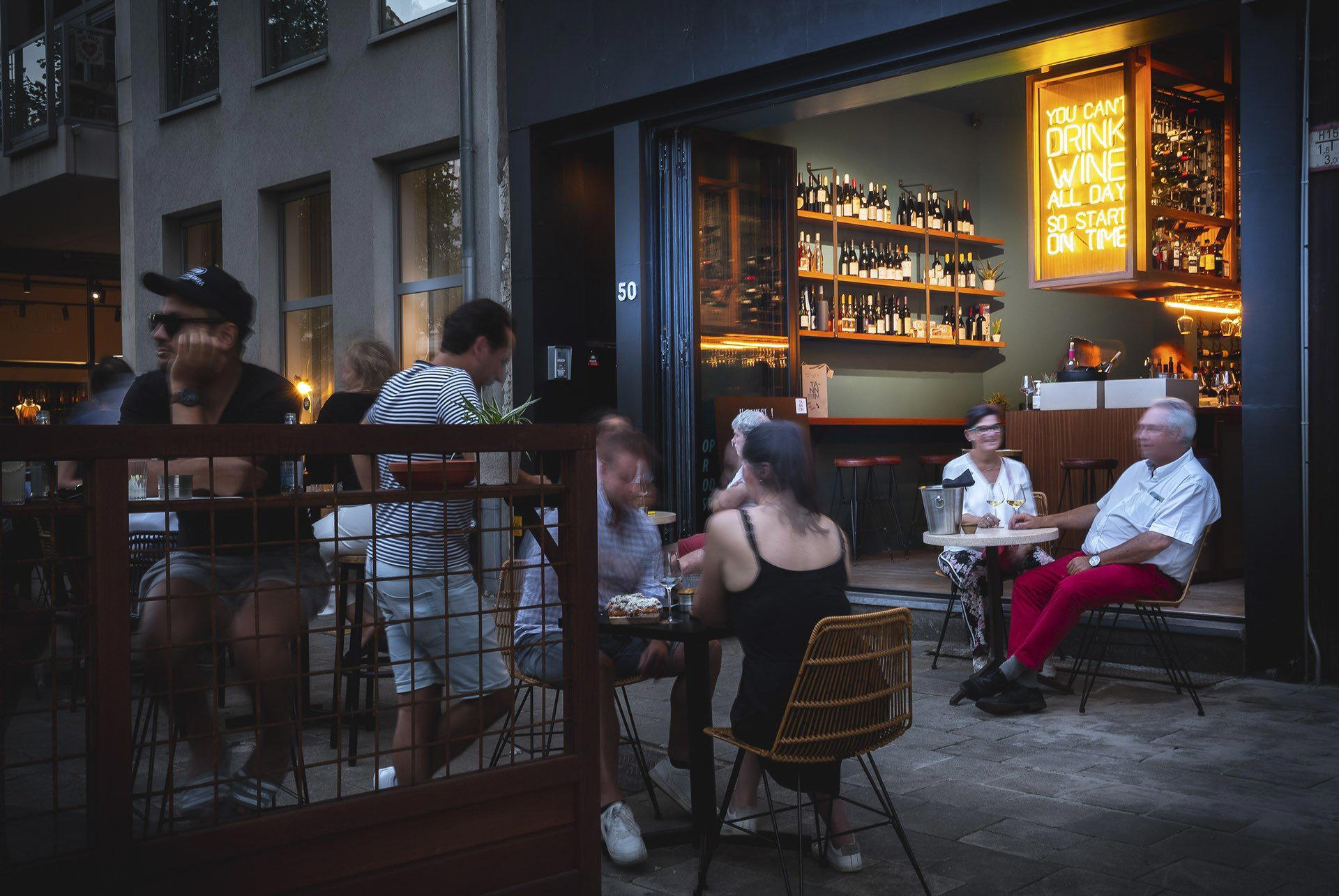
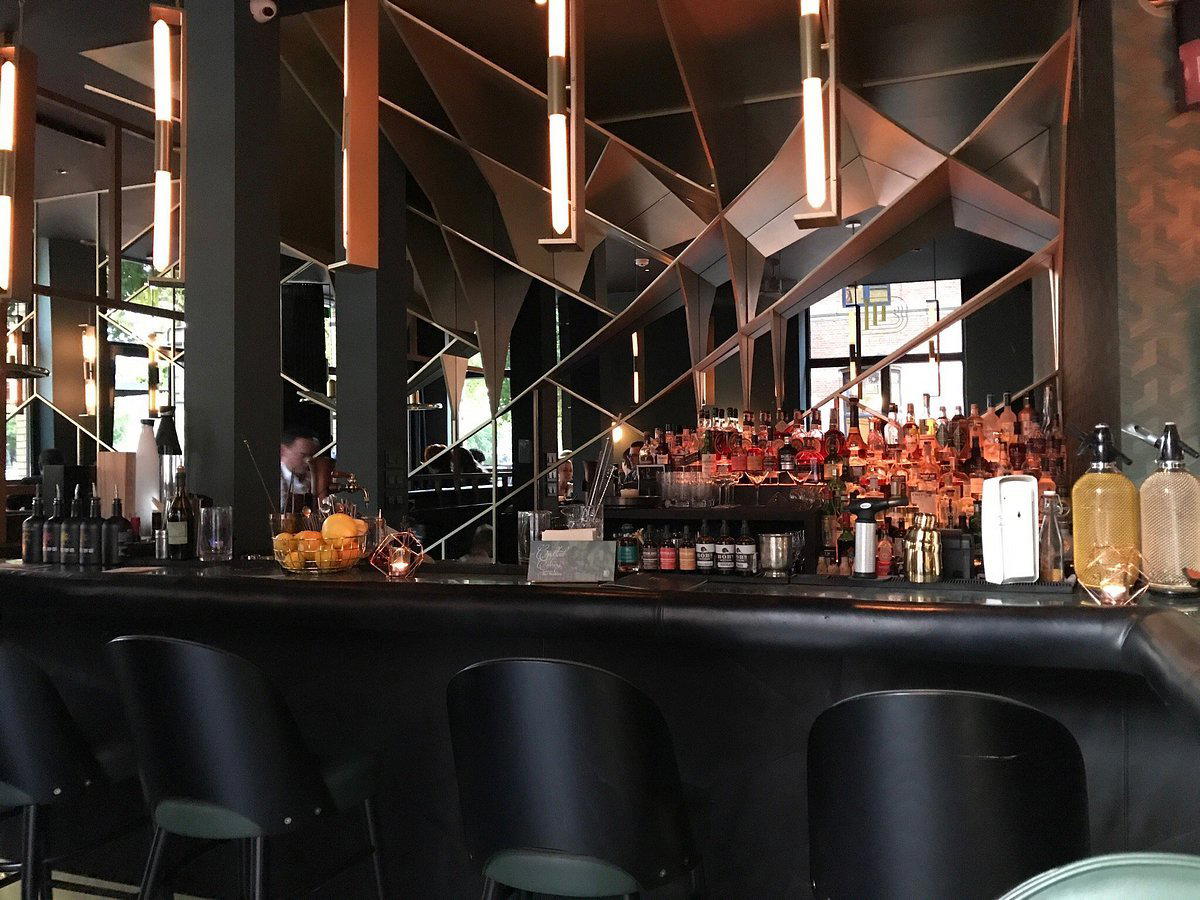
Industrial heritage interior with a lively brasserie atmosphere.