
1 Michelin Key · Small Luxury Hotels of the World Member
Three joined 17th-century canal houses on Keizerstraat form one of Antwerp's most considered small hotels. With just ten rooms, a white-on-white interior that mirrors the property's namesake lily, a floral courtyard, and a destination restaurant, De Witte Lelie trades hotel-industry convention for something closer to a privately owned city residence. Rates from $345 per night.

Pearl is the En Primeur Club membership app, where members save venues, book tables and use the concierge.
A Different Kind of Arrival
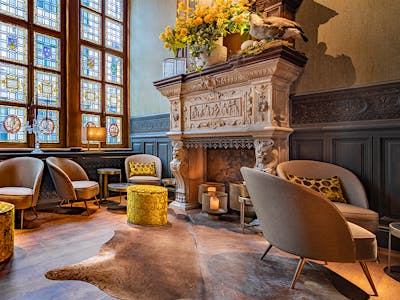
On Keizerstraat, a quiet residential street in the older fabric of central Antwerp, three 17th-century gabled canal houses present a restrained façade, no awning, no uniformed doorman stationed at the kerb, no revolving lobby spectacle. The building says very little from the outside, which is precisely the point. Inside, white plush rugs absorb the sound of the city, oversized sofas anchor the public rooms, and cut lilies appear in arrangements that are abundant rather than decorative afterthoughts. The name, De Witte Lelie, the White Lily, is architectural policy as much as branding.
This sits within a particular tradition of European urban hospitality: the converted private house that retains residential logic rather than adopting hotel convention. The format is well established in cities like Amsterdam and Bruges, where historic canal-house properties have long attracted operators who see merit in limiting scale to preserve atmosphere. In Antwerp, the category is smaller and the competition for the position is less crowded than the mainstream boutique circuit occupied by properties such as Hotel Julien or the converted monastery format of Botanic Sanctuary Antwerp. De Witte Lelie's ten rooms place it closer in spirit to a maison d'hôtes than to a formal hotel, and the experience it offers is shaped by that constraint.
What Ten Rooms Actually Means
The small-hotel format carries structural consequences that guests either find liberating or frustrating, depending on what they came for. Ten rooms means no conference wing, no spa corridor, no lobby bar with ambient playlist. It also means the staff-to-guest ratio stays high, requests don't queue behind those of a hundred other guests, and the public spaces never feel crowded.
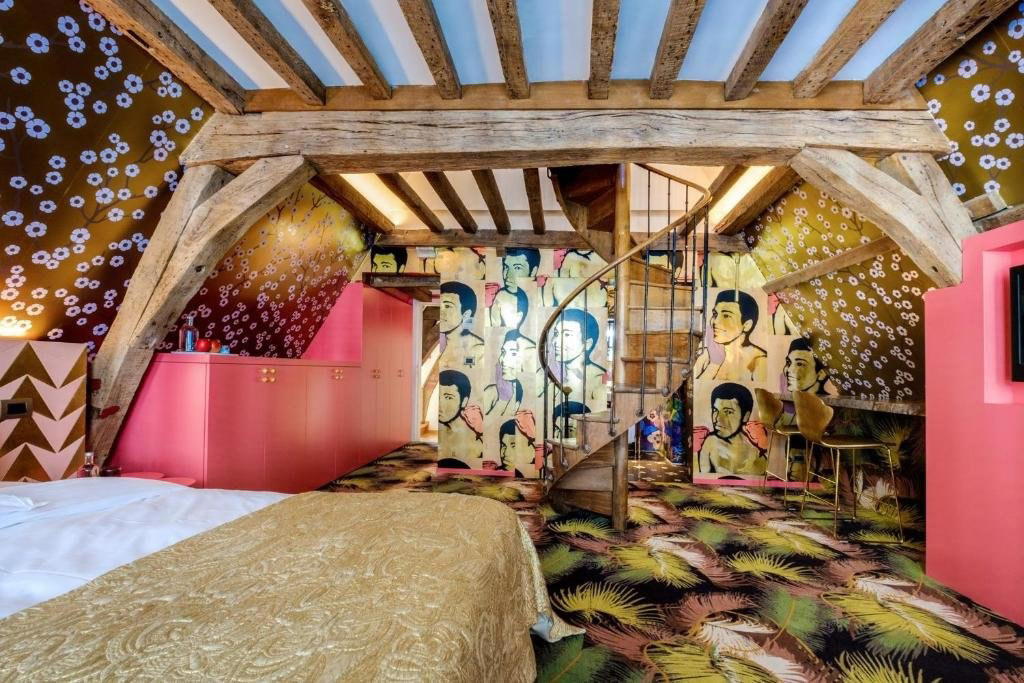
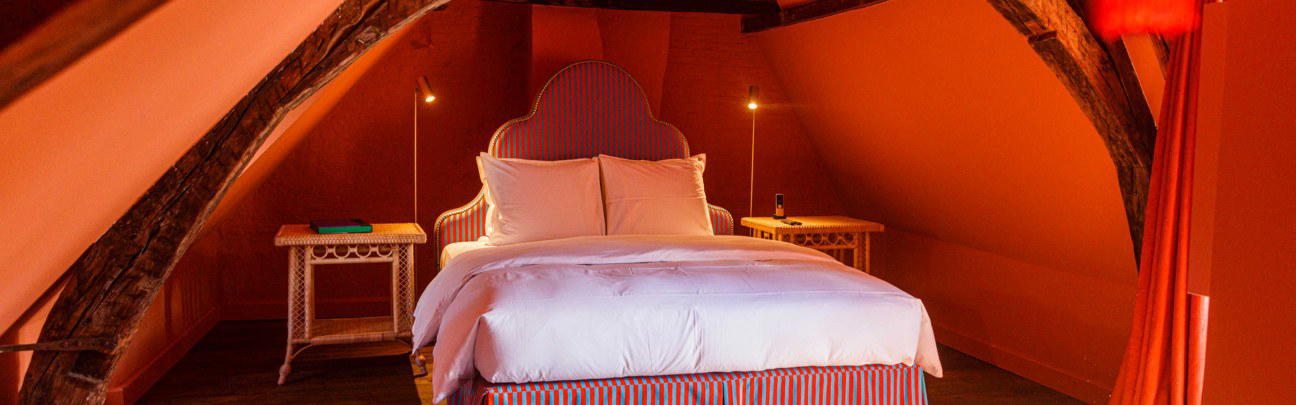
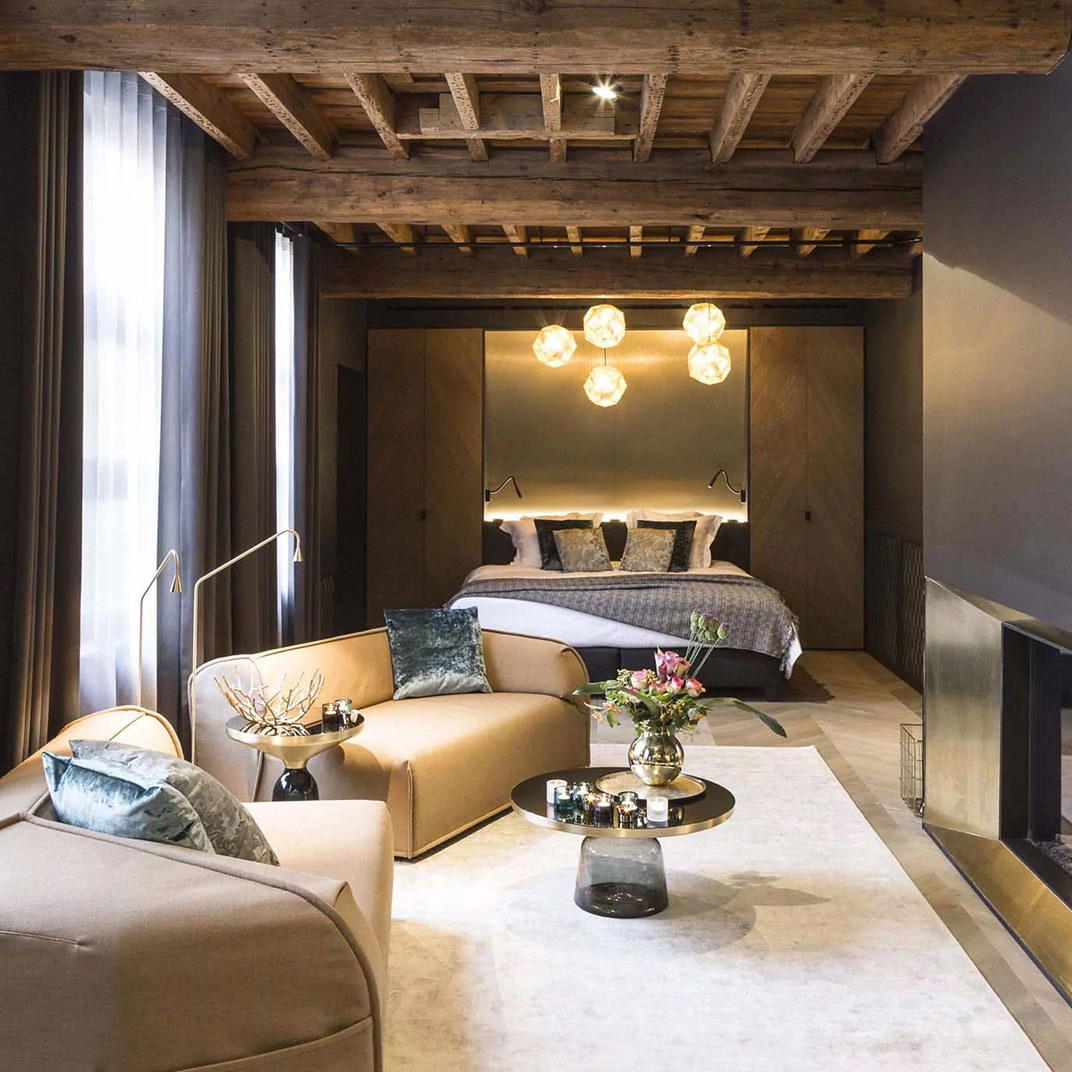
The guest rooms run white on white, contemporary in orientation rather than modernist in austerity. The distinction matters: the rooms are warm and considered rather than sparse and theoretical, furnished with the kind of attention to textiles and proportion that reads as residential rather than designed. For a city that has positioned itself as a serious node of European fashion, the Antwerp Six and their successors reshaped how the industry viewed Belgian design from the 1980s onward, the interior language is consistent with the city's self-image. Your fellow guests are as likely to work in fashion, film, or diamonds (Antwerp processes roughly 80 percent of the world's rough diamonds) as in conventional business travel. The tone of the breakfast table reflects that mix.
Service Without the Apparatus
Service model at De Witte Lelie rests on a premise that the more elaborate the hotel infrastructure, the more the guest experience is mediated by that infrastructure. When there is no concierge desk flanked by brochure racks, no room-service operation running on printed menus, the interaction between guest and staff becomes more direct by necessity. This format works when the people staffing it understand the city well enough to replace the machinery with actual knowledge, specific restaurant recommendations, an awareness of what's on at the museum quarter, a sense of which neighbourhood walk makes sense for which kind of visitor.
Antwerp rewards that kind of contextual guidance. The city's restaurant scene has matured considerably in the past decade, moving from a Flemish-traditional baseline toward a broader range of serious cooking. The Museum aan de Stroom anchors a cultural district along the Scheldt. The cathedral quarter and the adjacent Meir shopping axis are walkable from Keizerstraat. The property includes a destination restaurant on-site, which keeps a portion of the meal-planning question inside the house. For guests who want the full range, our full Antwerp restaurants guide maps the scene by neighbourhood and format.
The Courtyard and the Wider Property
One architectural feature of the joined canal-house format that consistently shapes the guest experience is the interior courtyard. At De Witte Lelie, a floral courtyard sits at the heart of the property, functioning as the visual and atmospheric centre of gravity that the buildings wrap around. In the months when the weather cooperates, roughly April through October in this part of northern Belgium, the courtyard becomes a natural extension of the breakfast and late-afternoon sitting spaces. In winter, the white interior palette compensates.
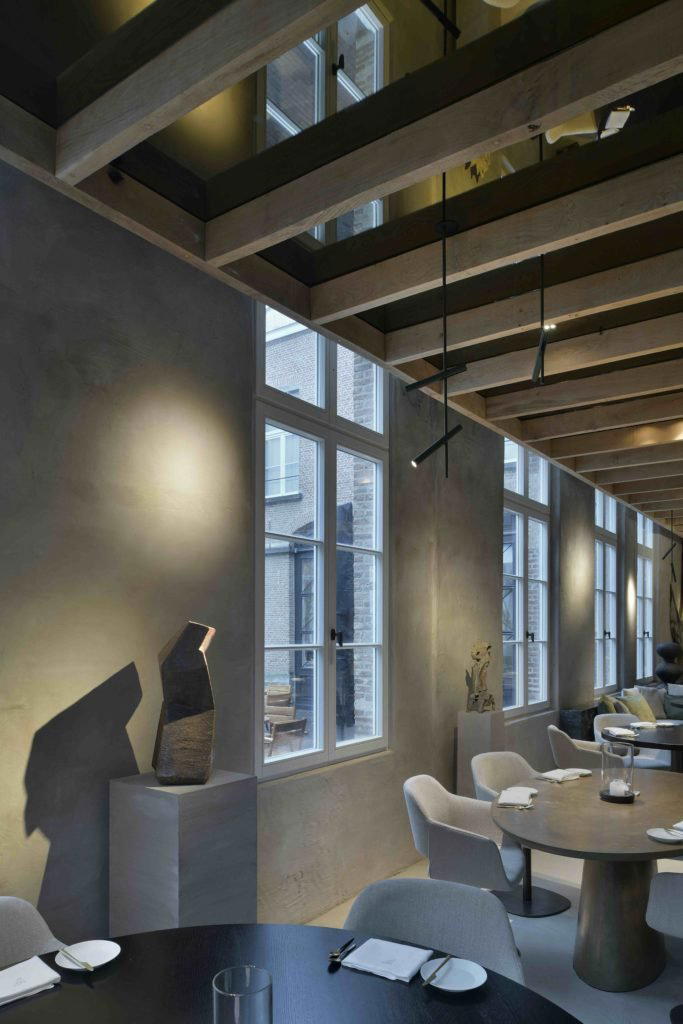
The property also contains what the record describes as a tucked-away element adjacent to the main restaurant. That pattern fits the De Witte Lelie model, though guests should confirm the current configuration directly when booking.
Placing De Witte Lelie in the Belgian Context
Belgium's accommodation market spans a wide range of formats, from the large Brussels palace-hotel tier represented by properties like the Corinthia Grand Hotel Astoria Brussels and the Radisson Collection Hotel, Grand Place Brussels, through mid-scale city hotels such as Hotel Agora Brussels Grand Place and Pestana Brussels Schuman, to countryside estate formats like Domaine du Château de Modave, Chateau de Vignée in Rochefort, or Domaine La Butte aux Bois in Lanaken. De Witte Lelie occupies the small urban luxury tier, where the competitive variables are atmosphere and restraint rather than facilities count.
Within Antwerp specifically, the comparison is instructive. Hotel Flora represents another point in the city's boutique range. Hotel Julien brings a more polished, publicly visible format to a similar historic-building premise. De Witte Lelie, by contrast, keeps its presentation deliberately low-key, the kind of hotel that guests who already know the city tend to return to, rather than one that draws first-timers by visual spectacle. Further afield in the Belgian small-hotel category, Kasteel van Ordingen in Sint-Truiden and Julevi in Eupen serve different geographic contexts but operate on a similar principle: a sharply reduced room count, a high degree of design intention, and a service model built on personal rather than institutional interaction.
For international travellers accustomed to the scale of properties like Aman New York, Cheval Blanc Paris, or Bvlgari Hotel Tokyo, De Witte Lelie will read as intentionally quiet. That is its argument. Antwerp is a city that rewards a slower, more residential pace of visit, the diamond quarter, the fashion archives, the Flemish masters at the Royal Museum of Fine Arts, and a hotel with ten rooms and a courtyard is a more fitting operational base for that kind of engagement than a 200-key tower with a rooftop bar.
Planning Your Stay
De Witte Lelie is located at Keizerstraat 16/18 in the 2000 postal district of central Antwerp, within walking distance of the cathedral quarter and the main museum axis. Rooms start from $345 per night across ten rooms and suites. Given the limited room count, advance booking is advisable for any weekend stay or visit coinciding with the city's fashion weeks and diamond industry events, when demand for quality small hotels compresses significantly. The on-site restaurant is accessible to non-residents, which means in-demand dinner slots should be treated with the same booking urgency as the room itself. Contact and availability should be confirmed directly through the property.
Cuisine and Awards Snapshot
Comparable venues nearby, for context on price, style, and recognition.
| Venue | Cuisine | Price | Awards | Notes |
|---|---|---|---|---|
| Hotel De Witte LelieThis venue (the venue you are viewing) | Historic 16th-century townhouses reimagined as an elegant contemporary hideaway. | Not listed | 1 Michelin Key · Small Luxury Hotels of the World Member | Not listed |
| Sapphire House Antwerp, Autograph Collection | Historic city palace with neo-Gothic architecture and bespoke modern luxury design | $200–300 | Michelin Selected | Diamond District |
| Hotel Flora | Historic townhouses renovated with contemporary, jewel-inspired luxury | $100–200 | 1 Michelin Key · Mr & Mrs Smith Seal of Approval | City Center |
| Gulde Schoen | Luxury suitehotel in a historic 1493 building with modern twists. | $200–300 | Michelin Selected | Historical Center |
| August | Minimalist design hotel in a converted historic convent with contemporary pared-back interiors and bespoke finishings. | $200–300 | Michelin Selected · Mr & Mrs Smith Seal of Approval | Green District |
| Hotel Les Nuits | urban boutique design hotel | Not listed | Michelin Selected | Historical Center |
Recognition history
Dated appearances from independent guides and award organizations, with the underlying list record or original source where available.
Michelin 1 Key
Michelin
Small Luxury Hotels of the World Member
Small Luxury Hotels of the World
Full recognition history (3 entries)
Michelin 1 Key
Michelin
Continue exploring
More in Antwerp
Hotels in Antwerp
All hotels in Antwerp →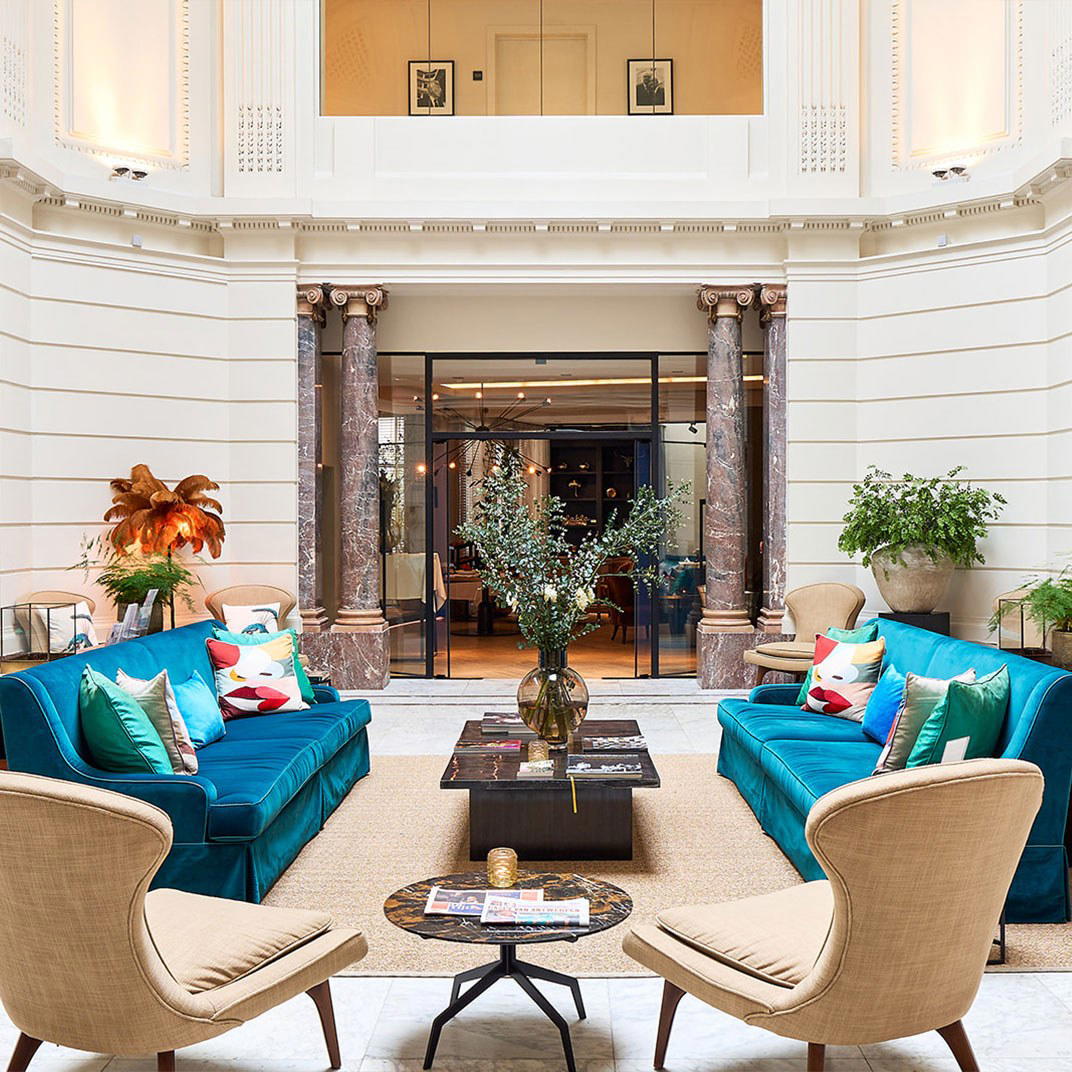
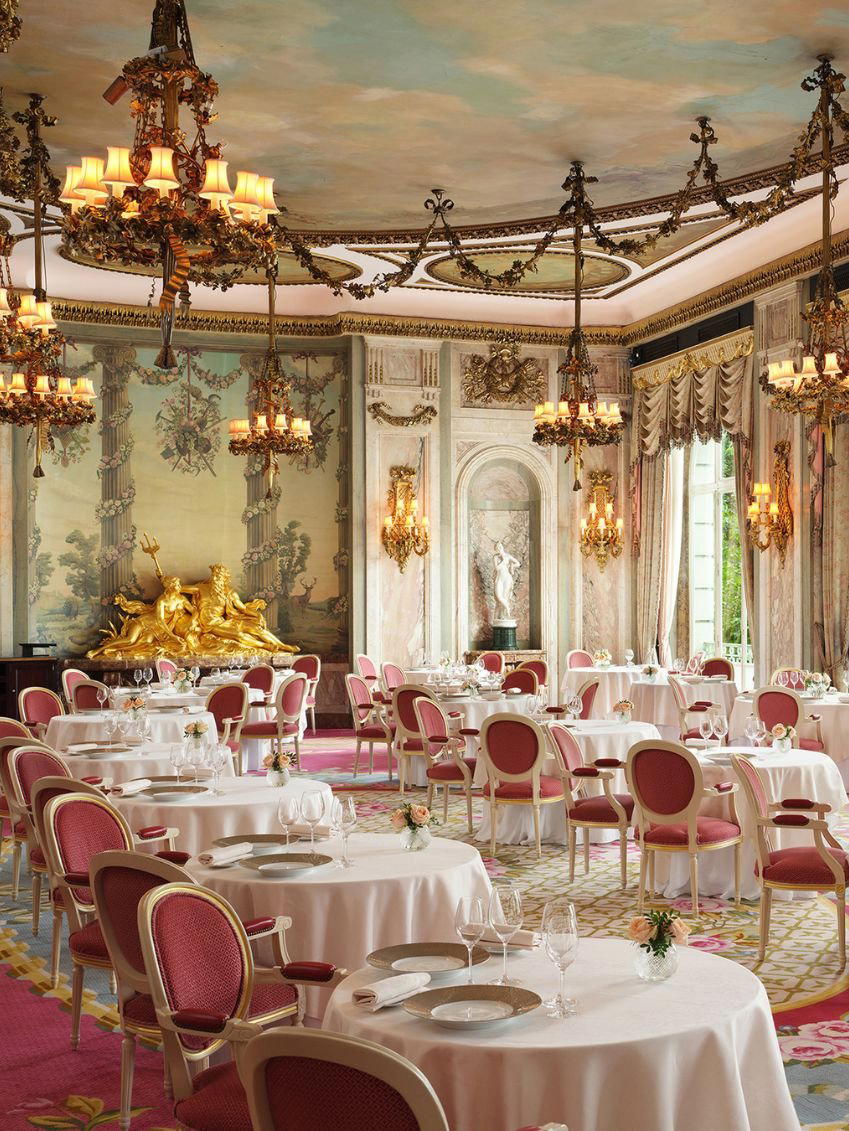
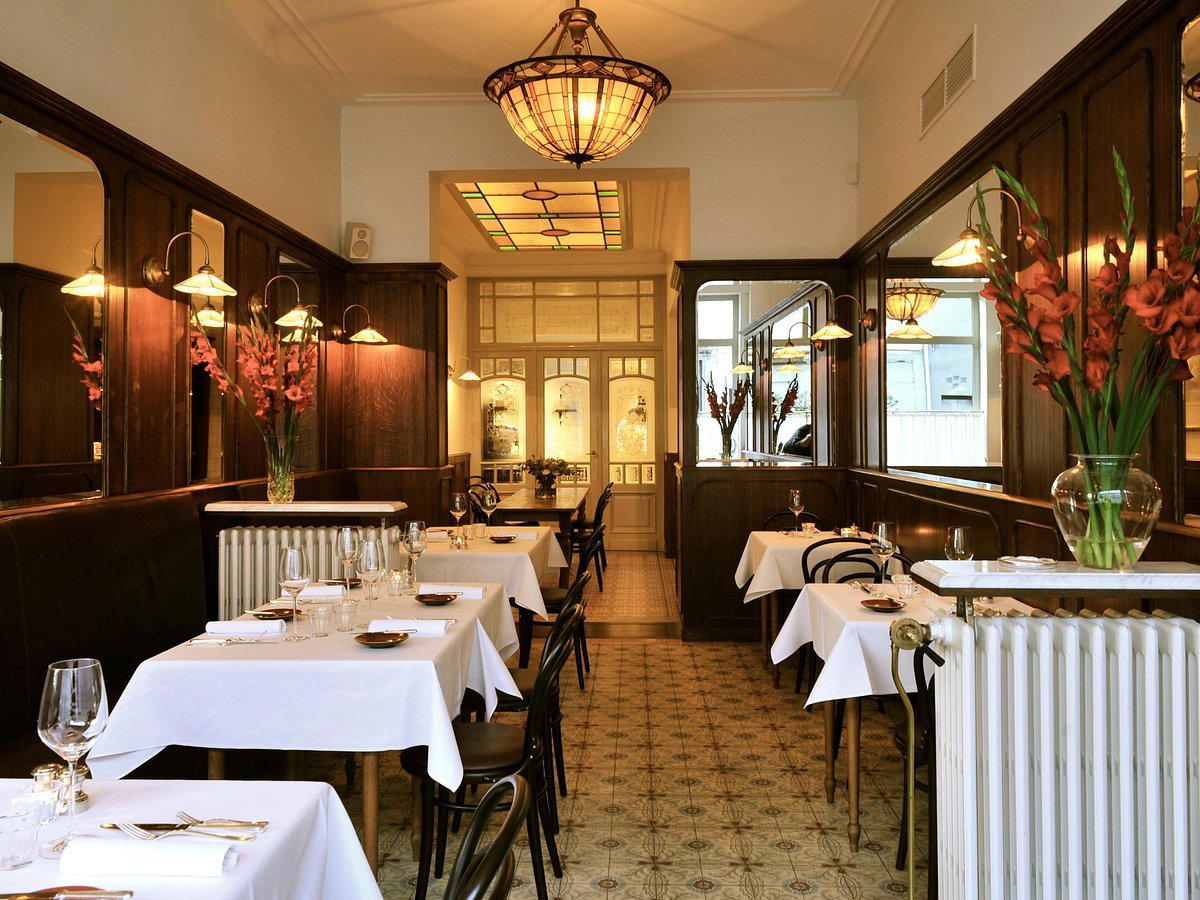
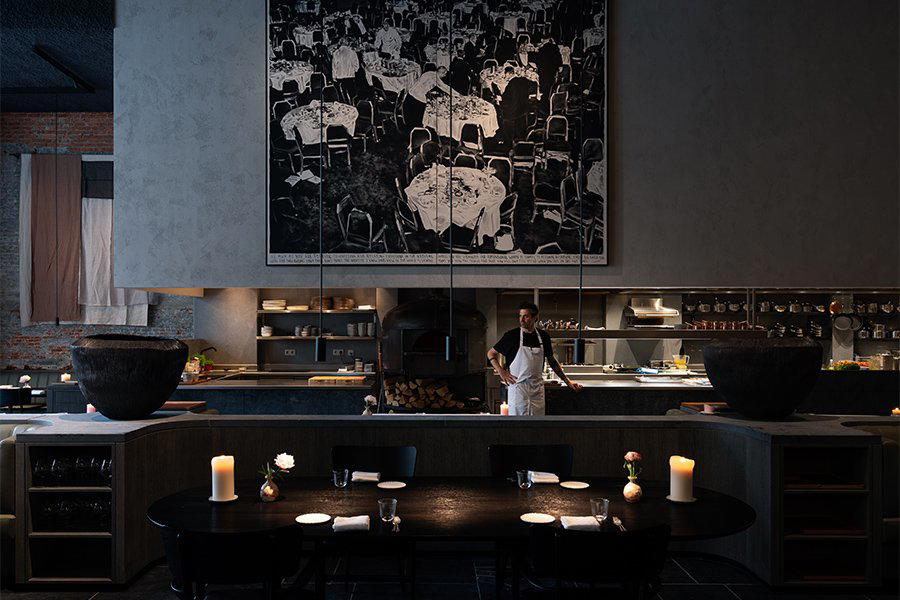
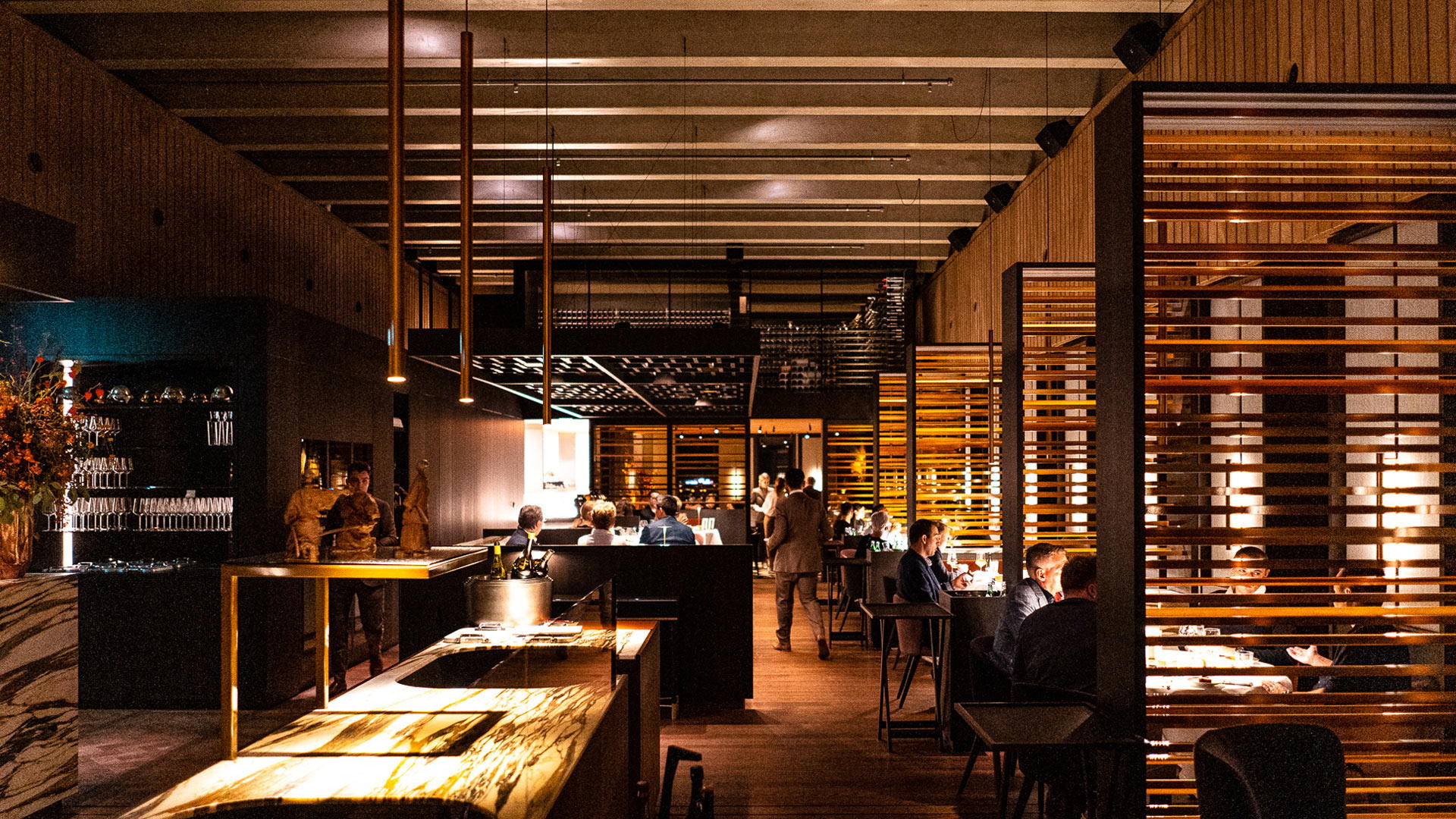
Details
- Romantic
- Elegant
- Intimate
- Cozy
- Sophisticated
- Whimsical
- Romantic Getaway
- Anniversary
- Weekend Escape
- Garden
- Terrace
- Historic Building
- Wi Fi
- Room Service
- Concierge
- Business Center
- Garden
- Garden
- Elevator
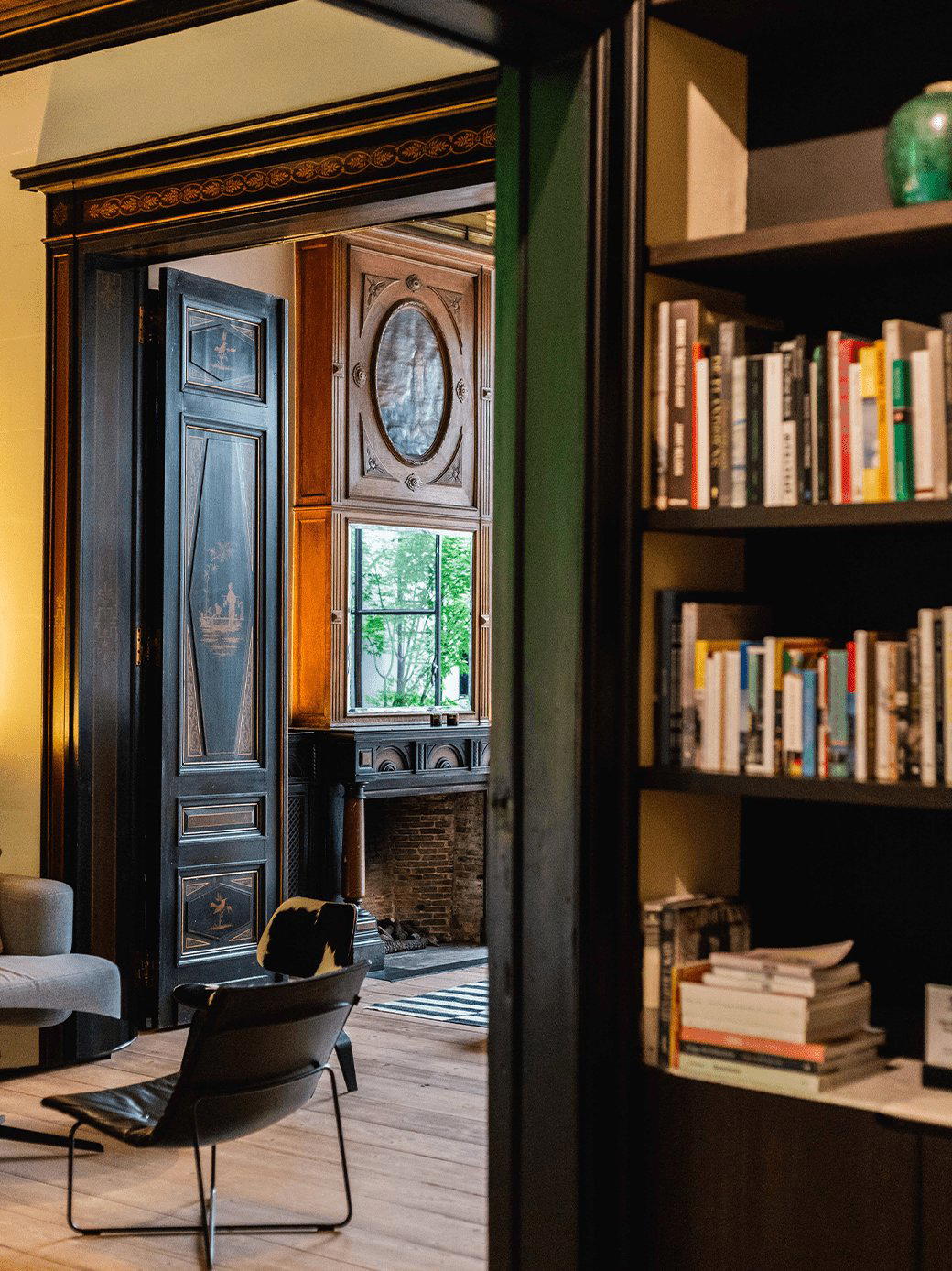
Warm and welcoming with roaring fires in intimate lounges, lively colors, curated artworks, and a blend of classic elegance and theatrical whimsy, creating a sophisticated yet playful atmosphere.