

Michelin Selected · Mr & Mrs Smith Seal of Approval
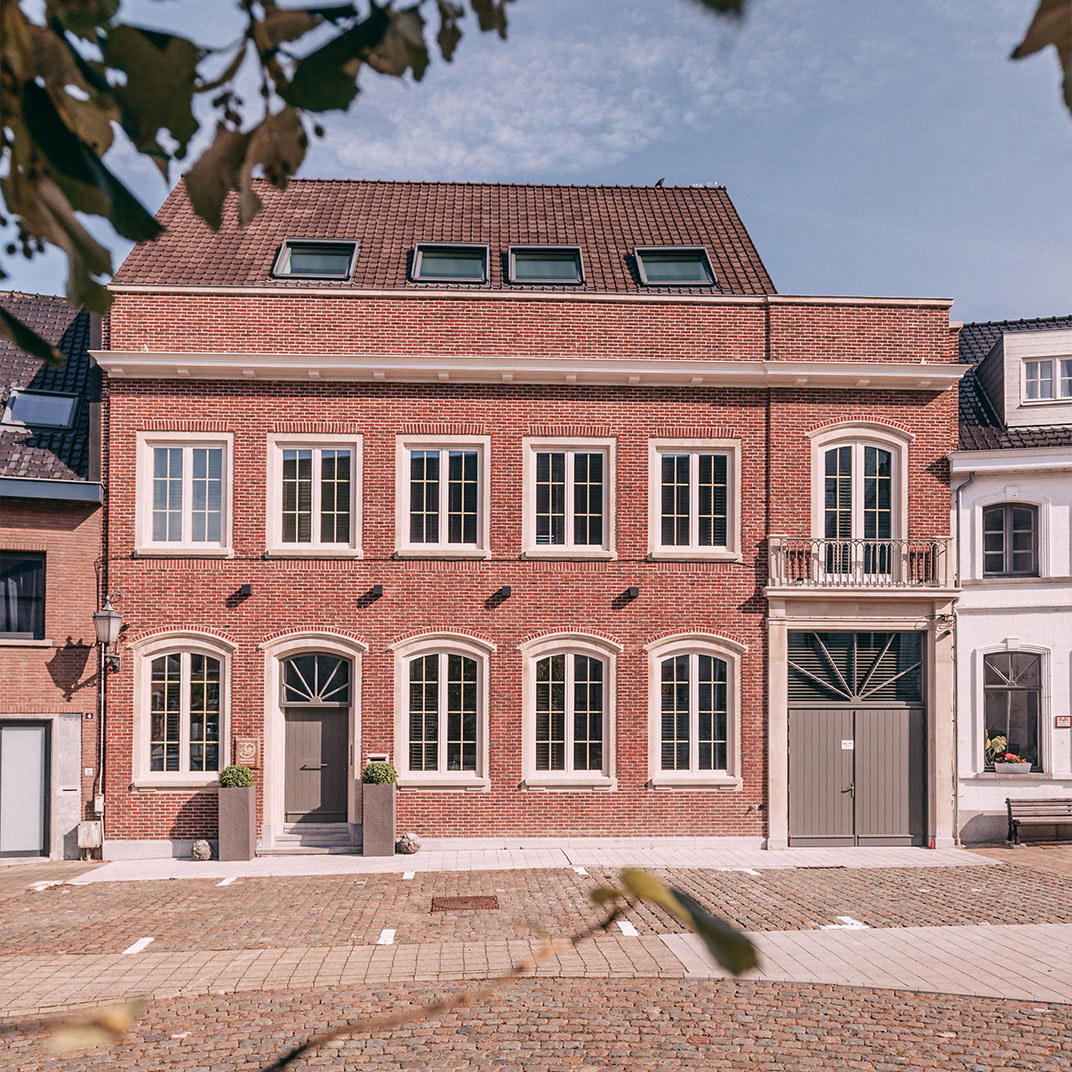
August occupies a converted Augustinian convent on Jules Bordetstraat, bringing Michelin Selected recognition to one of Antwerp's most architecturally considered addresses. Quiet streets, considered materials, and deliberate scale define the experience here.

Pearl is the En Primeur Club membership app — saves, bookings, and concierge access live there. Same editors, same standards.
- Address
- Jules Bordetstraat 5, 2018 Antwerpen, Belgium
- Phone
- +32 3 500 80 80
- Website
- august-antwerp.com
- Directions
- Get directions
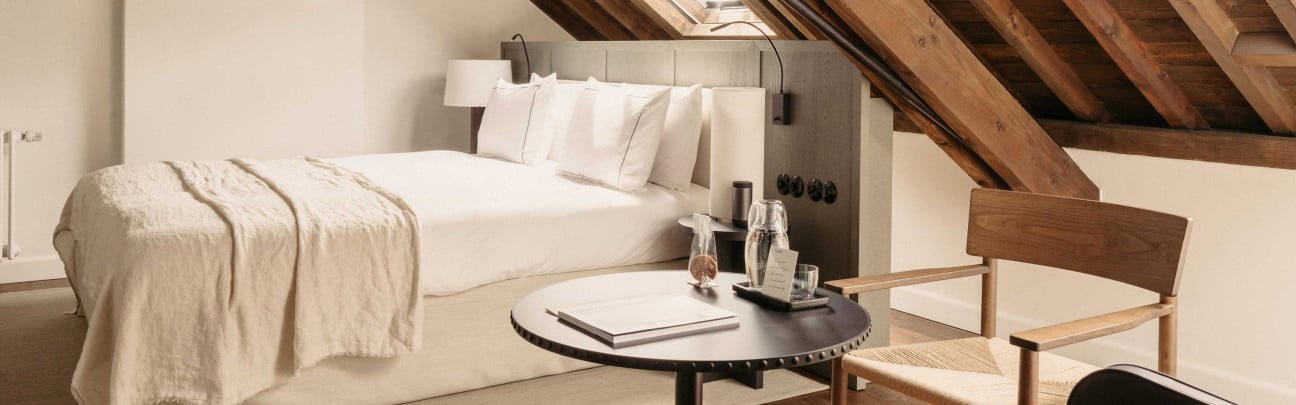
Stone Walls, Considered Service: August in Antwerp's Boutique Hotel Tier
There is a category of European hotel that resists the obvious moves. No lobby bar designed to photograph well, no brand standards imported from a global chain playbook, no calculated theatrics at check-in. What these properties offer instead is architectural honesty and a service model calibrated to the individual guest. August, on Jules Bordetstraat in Antwerp, belongs to that category. The building is a former Augustinian convent, and the structural logic of monastic space — high ceilings, internal courtyards, the measured rhythm of stone corridors — has been retained rather than erased. Arriving here, the transition from the street into the property carries the specific weight that only genuinely old buildings can produce.
Where August Sits in Antwerp's Accommodation Tier
Antwerp has developed one of the more coherent boutique hotel scenes in northern Europe. The city's fashion and diamond industries have historically drawn a travelling demographic with high material expectations, and the hotel stock has responded accordingly. Properties like Hotel De Witte Lelie, Hotel Julien, and Hotel FRANQ have each staked out distinct positions within the city's upper-independent tier, while Botanic Sanctuary Antwerp occupies a separate niche at the larger, more resort-adjacent end of the scale. August competes within the smaller, architecturally heritage-led segment of that market, where the building itself functions as a primary credential.
The Michelin Selected designation, awarded through the 2025 Michelin Hotels guide, places August within a curated tier that Michelin applies to properties meeting quality thresholds across comfort, character, and guest experience. The selection does not operate on the star system used for restaurants, but inclusion signals that the property has cleared a meaningful editorial bar. In Antwerp specifically, that selection places August alongside a handful of properties that Michelin's inspectors consider worth directing their readers toward. For context, Hotel Les Nuits and Sapphire House Antwerp, Autograph Collection occupy adjacent positions in the city's design-conscious hotel conversation, each approaching the question of architectural heritage differently.
The Convent as Hotel: What Heritage Conversion Gets Right Here
Heritage conversion is a demanding discipline. Done poorly, it produces a property that feels like a museum with beds, historically impressive at arm's length, uncomfortable to inhabit. Done well, the building's past becomes part of the guest's daily texture: a cloister walk that frames morning light in ways a purpose-built corridor never could, vaulted ceilings that alter the acoustics of a room, stone floors that cool differently from timber. August's former Augustinian convent origin is not incidental to the stay, it is the stay's primary spatial logic.
Antwerp's broader stock of converted religious and mercantile buildings has given the city's boutique hotel sector a structural advantage over peers in cities where the old fabric has been more heavily erased. Gulde Schoen and Hotel Flora each draw from different strands of the city's architectural history. What connects the stronger properties in this tier is an understanding that the building's original spatial hierarchy, how rooms relate to each other, how light moves through the structure across the day, should remain legible to guests, even as contemporary comfort is layered in.
Service as Architecture: The Anticipatory Model
At the level of hotel that earns Michelin editorial attention, the physical product is a necessary but insufficient condition for recognition. What typically separates properties within this tier is service architecture, specifically, how staff anticipate need rather than respond to it, and how much of the guest's decision-making is quietly managed before it becomes a friction point. The leading small-scale European heritage hotels operate on a model where low staff-to-guest ratios are compensated for by high staff intelligence about individual guest patterns.
This is the model that boutique properties in Antwerp's upper tier have adopted as their primary differentiator from the international chains. Where a large-flag hotel handles volume through systems, a property of August's scale handles quality through people. It is a more fragile model, more dependent on staff retention and training continuity, but when it works, it produces a guest experience that feels specific rather than generic. Guests who have stayed at properties like Hotel De Witte Lelie or Hotel Julien will recognise this dynamic immediately.
Antwerp as a Hotel Destination: The Broader Context
It is worth understanding August within Antwerp's position as a city for deliberate travel. Brussels absorbs the majority of Belgium's international business traffic, while Bruges captures the short-break heritage tourism segment. Antwerp occupies a more particular space: it draws fashion buyers during trade weeks, art collectors around gallery events, and a category of independent traveller who wants a northern European city with serious cultural infrastructure but without the tourist density of Amsterdam or the institutional weight of Brussels. The city's restaurant scene, covered in depth in our full Antwerp restaurants guide, has developed in parallel with its hotel stock, creating a destination where both elements reward attention.
For travellers exploring Belgium more broadly, the hotel tier that August represents in Antwerp has counterparts across the country: Hotel De Orangerie in Bruges, Ganda Rooms and Suites in Ghent, and Juliana Hotel Brussels each operate in the design-conscious independent segment in their respective cities. Further afield, Manoir de Lébioles in Liège, Villa Copis in Borgloon, and Le Château de Mirwart in Mirwart extend the heritage-property logic into Belgium's rural and semi-rural fabric. The Ardennes region in particular, represented by properties like Château Beausaint in La Roche-en-Ardenne and Le Sanglier des Ardennes in Durbuy, offers a different register entirely, landscape-driven stays where the scale and pace of the experience shift considerably from a city property like August.
For travellers who calibrate their Belgium itinerary to include both coast and city, C-Hotels Silt in Middelkerke and La Réserve Knokke-Heist in Knokke Heist represent the coastal end of the country's considered-hotel spectrum. NE5T Hotel and Spa in Namur and Louis1924 in Dilbeek round out the spread of properties operating in Belgium's mid-to-upper independent tier.
Planning Your Stay
August is located at Jules Bordetstraat 5 in Antwerp. Given the property's scale and the demand profile typical of Michelin Selected boutique hotels in northern European cities, advance planning is advisable, particularly during Antwerp's fashion trade weeks, summer high season, and the December pre-holiday period when the city draws significant short-break traffic from the UK and Germany. Booking well ahead of these windows, rather than treating August as a walkup option, is the practical approach. For guests weighing August against other Antwerp properties, the competitive reference points are Botanic Sanctuary Antwerp at the larger end of the market and Hotel De Witte Lelie within the boutique heritage segment. Each makes a different set of trade-offs around scale, amenity depth, and intimacy of service.
Cuisine Context
Comparable venues nearby, for context on price, style, and recognition.
| Venue | Cuisine | Price | Awards | Notes |
|---|---|---|---|---|
| AugustThis venue — the venue you are viewing | Minimalist design hotel in a converted historic convent with contemporary pared-back interiors and bespoke finishings. | $200–300 | Michelin Selected · Mr & Mrs Smith Seal of Approval | Not listed |
| Hotel FRANQ | Contemporary boutique hotel housed in a meticulously restored historic bank building, blending 19th-century architectural grandeur with modern urban design. | $200–300 | Michelin Selected | Kipdorp |
| Gulde Schoen | Luxury suitehotel in a historic 1493 building with modern twists. | $200–300 | Michelin Selected | Historical Center |
| Hotel Les Nuits | urban boutique design hotel | Not listed | Michelin Selected | Historical Center |
| Sapphire House Antwerp, Autograph Collection | Historic city palace with neo-Gothic architecture and bespoke modern luxury design | $200–300 | Michelin Selected | Diamond District |
| Hotel Flora | Historic townhouses renovated with contemporary, jewel-inspired luxury | $100–200 | 1 Michelin Key · Mr & Mrs Smith Seal of Approval | City Center |
Recognition history
Dated appearances from independent guides and award organizations, with the underlying list record or original source where available.
Michelin Selected
Michelin
Mr & Mrs Smith Seal of Approval
Mr & Mrs Smith
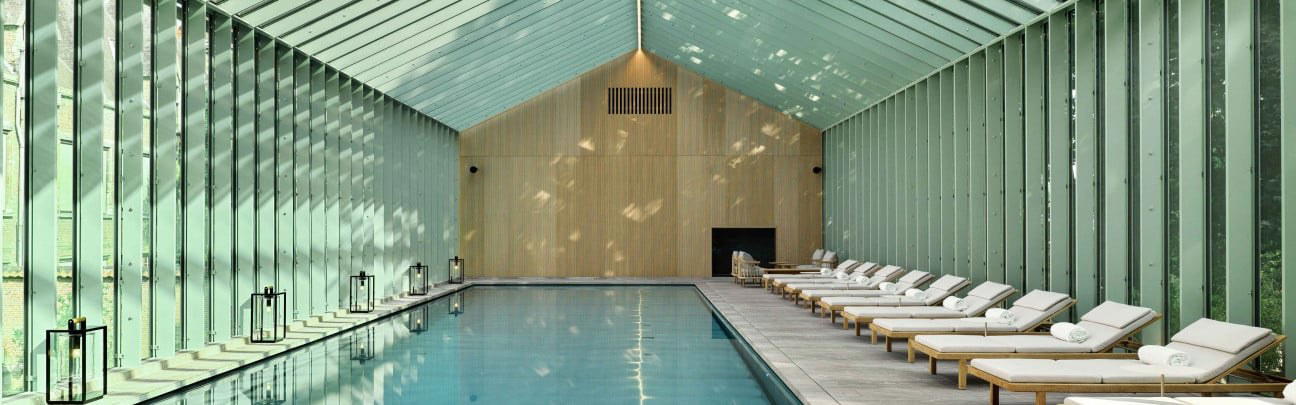
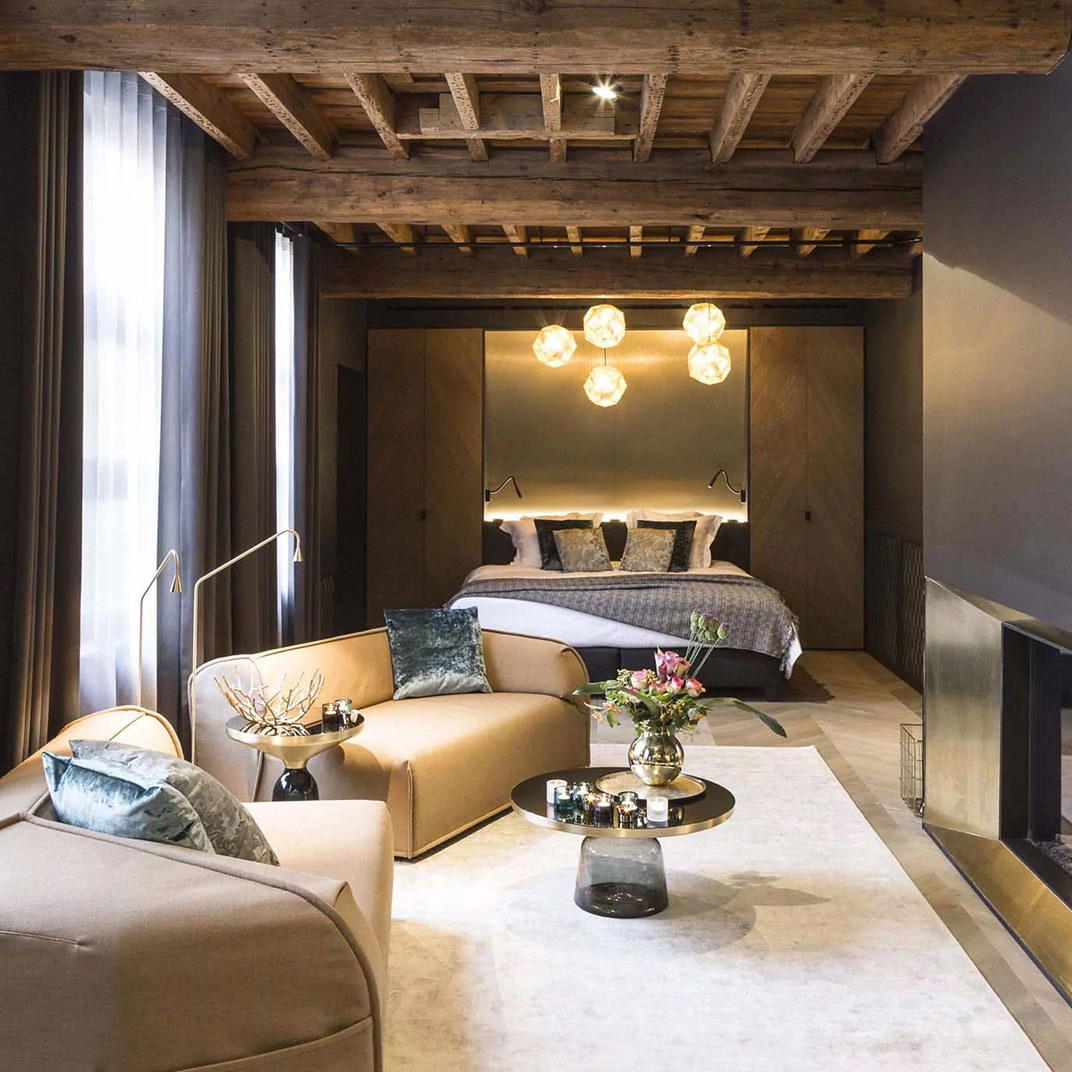
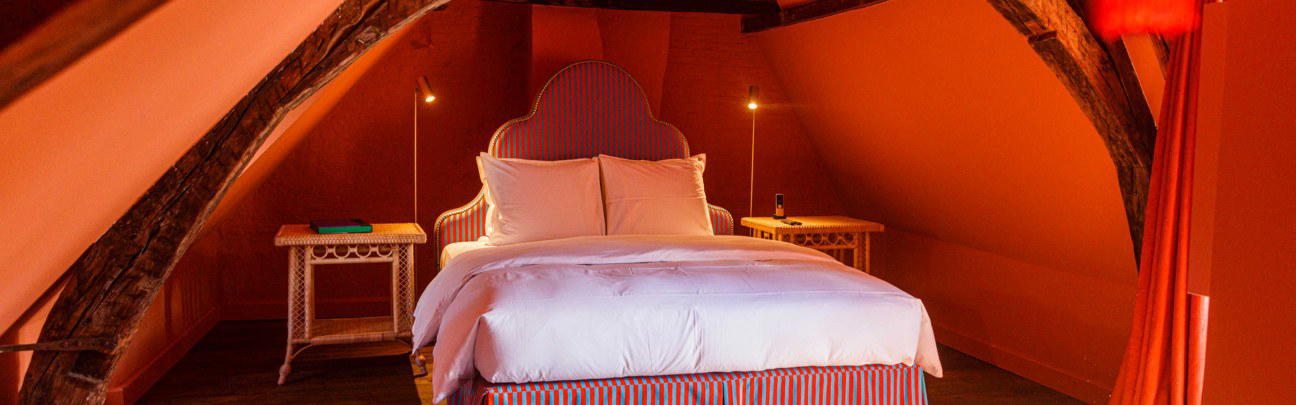
Details
- Minimalist
- Elegant
- Sophisticated
- Quiet
- Romantic
- Romantic Getaway
- Wellness Retreat
- Weekend Escape
- Historic Building
- Design Destination
- Garden
- Terrace
- Destination Spa
- Wi Fi
- Spa
- Sauna
- Restaurant
- Bar
- Concierge
- Room Service
- Garden
- Garden
- Wheelchair Accessible
- Elevator
- Accessible Parking
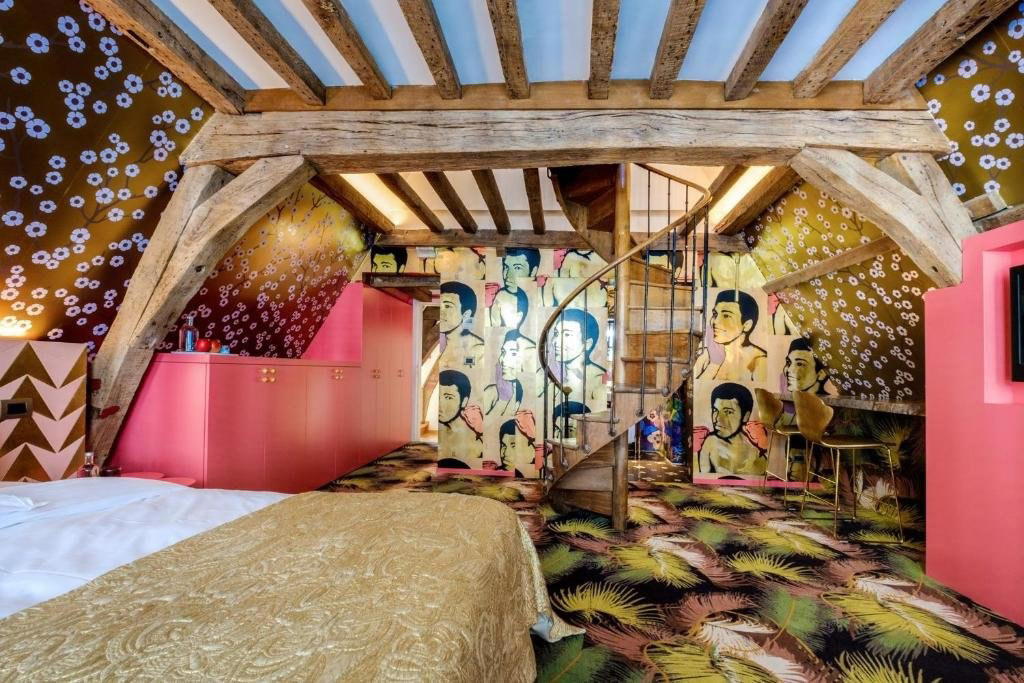
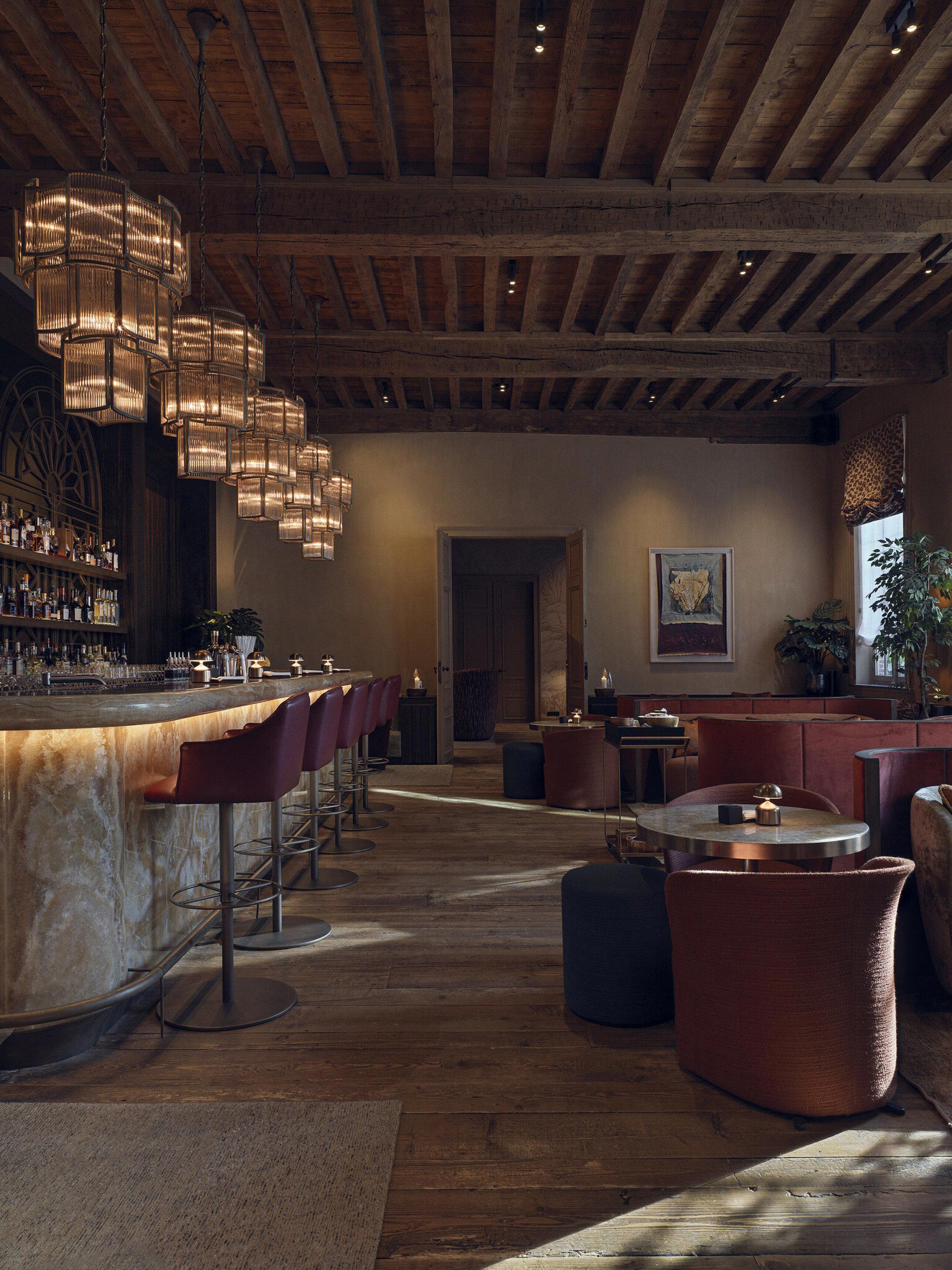
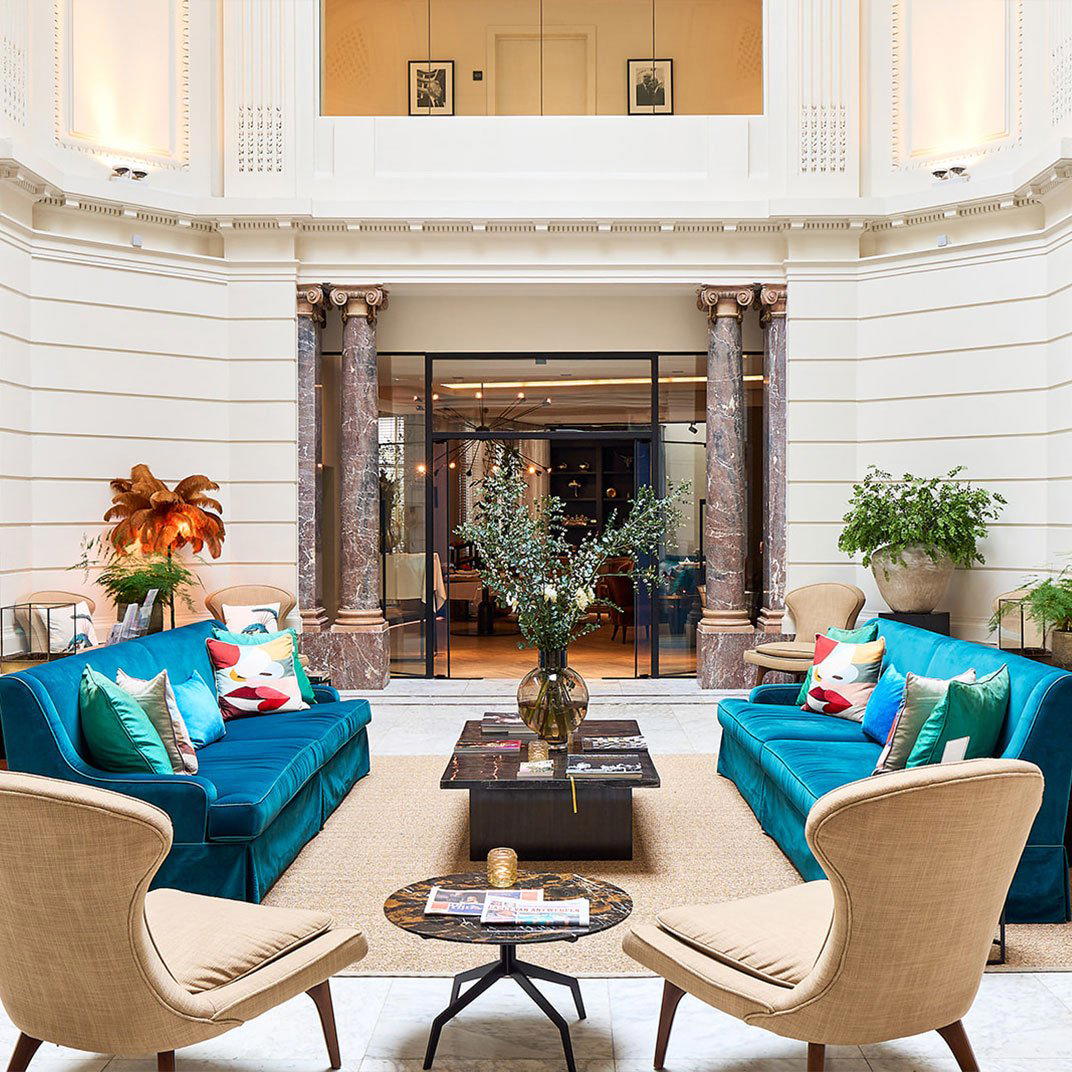
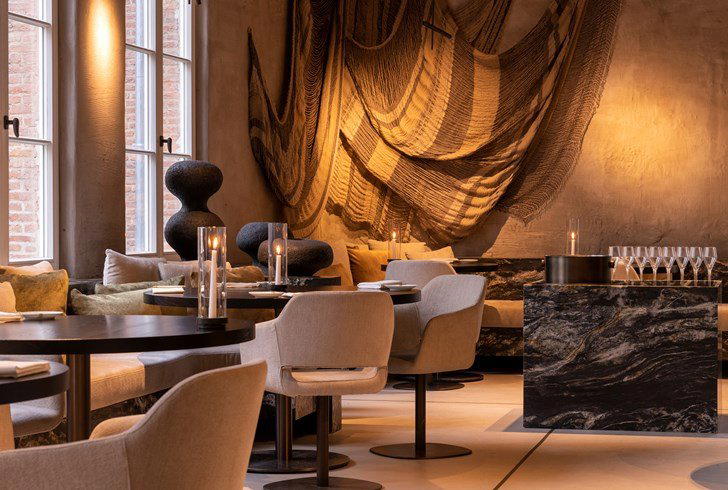
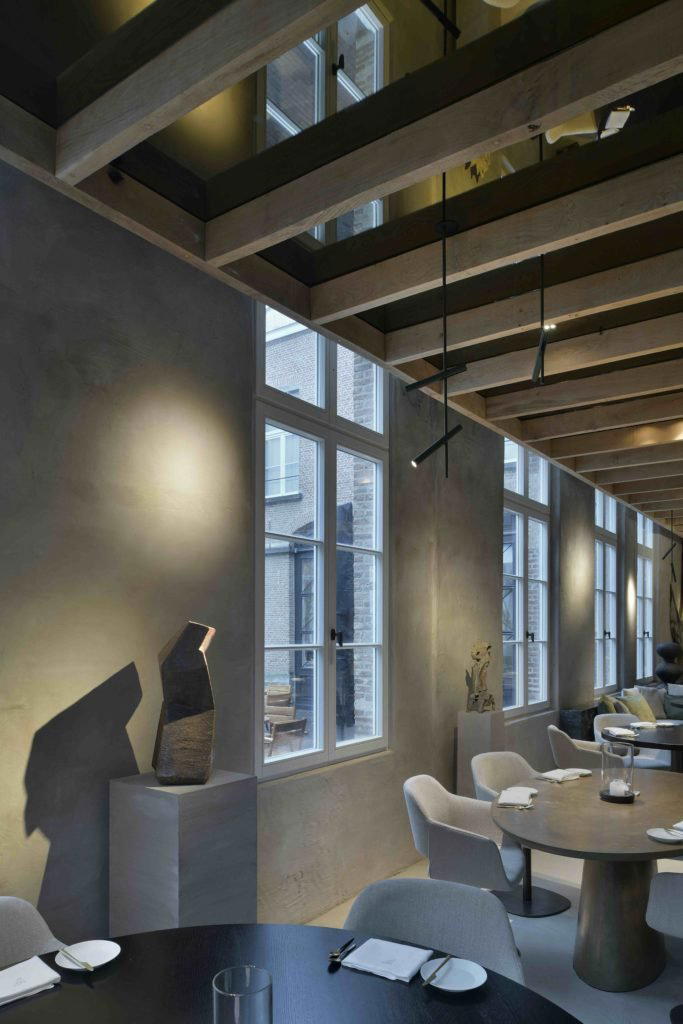
Light and airy spaces with high ceilings, whitewashed walls, and understated modern design that retains the serene spirit of the original convent while incorporating contemporary amenities and warm materials.