La Quincaillerie occupies a converted hardware store on Rue du Page in Ixelles, a neighbourhood where turn-of-the-century ironwork and art nouveau tilework define the streetscape as much as the menus define the dining room. The setting is one of Brussels' more theatrically preserved interiors, drawing a crowd that comes as much for the architecture as for what arrives at the table.
Pearl is the En Primeur Club membership app — saves, bookings, and concierge access live there. Same editors, same standards.
- Address
- Rue du Page 45, 1050 Ixelles, Belgium
- Phone
- +3225339833
- Website
- quincaillerie.be
- Directions
- Get directions
 Saves & bookings on Pearl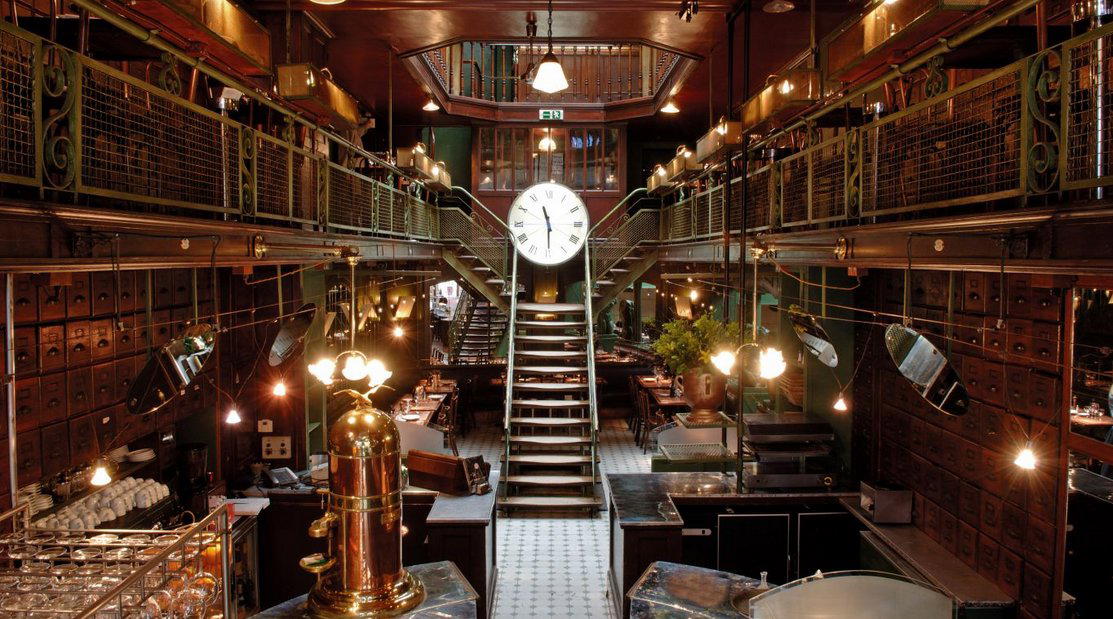
A Room That Does Most of the Work
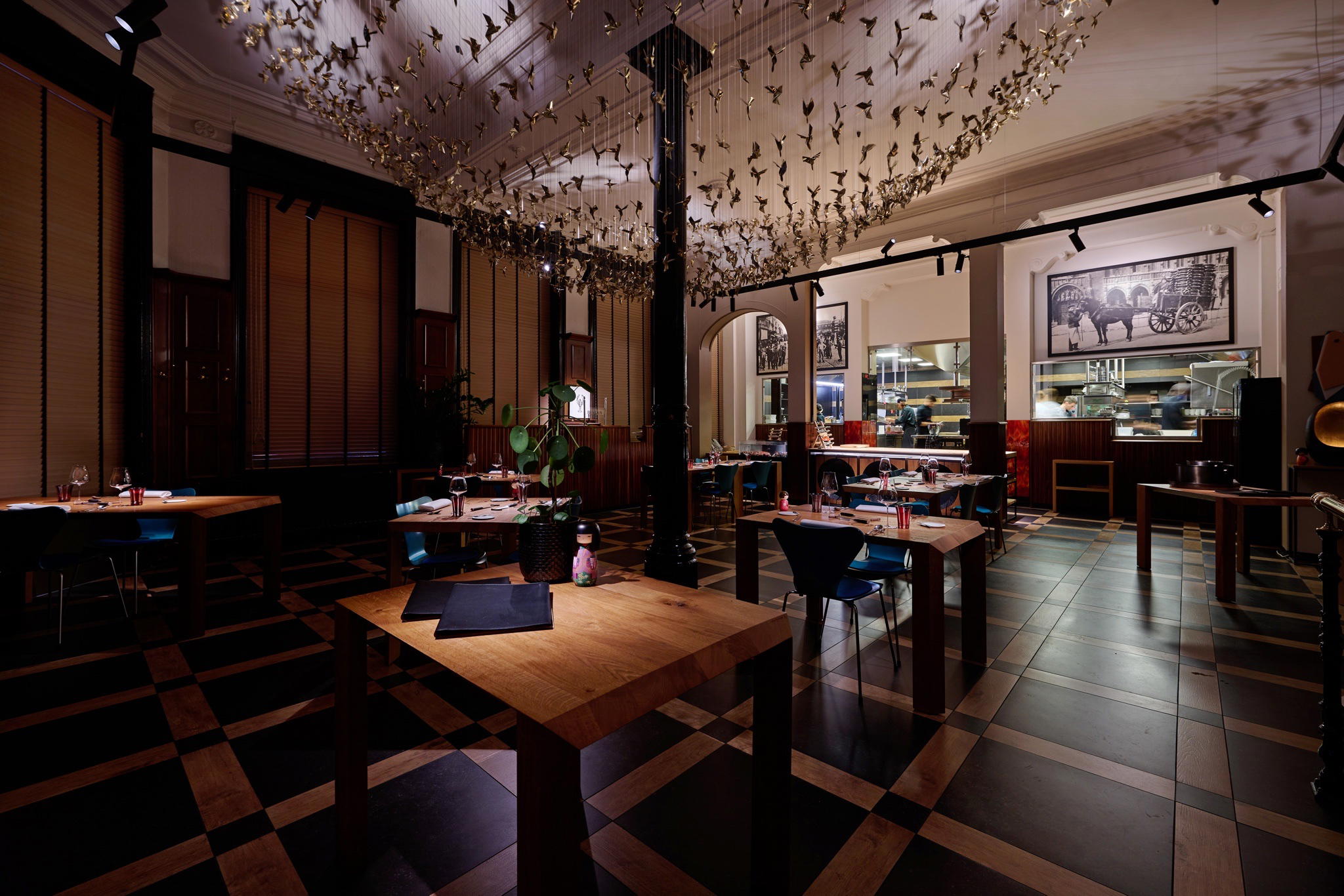
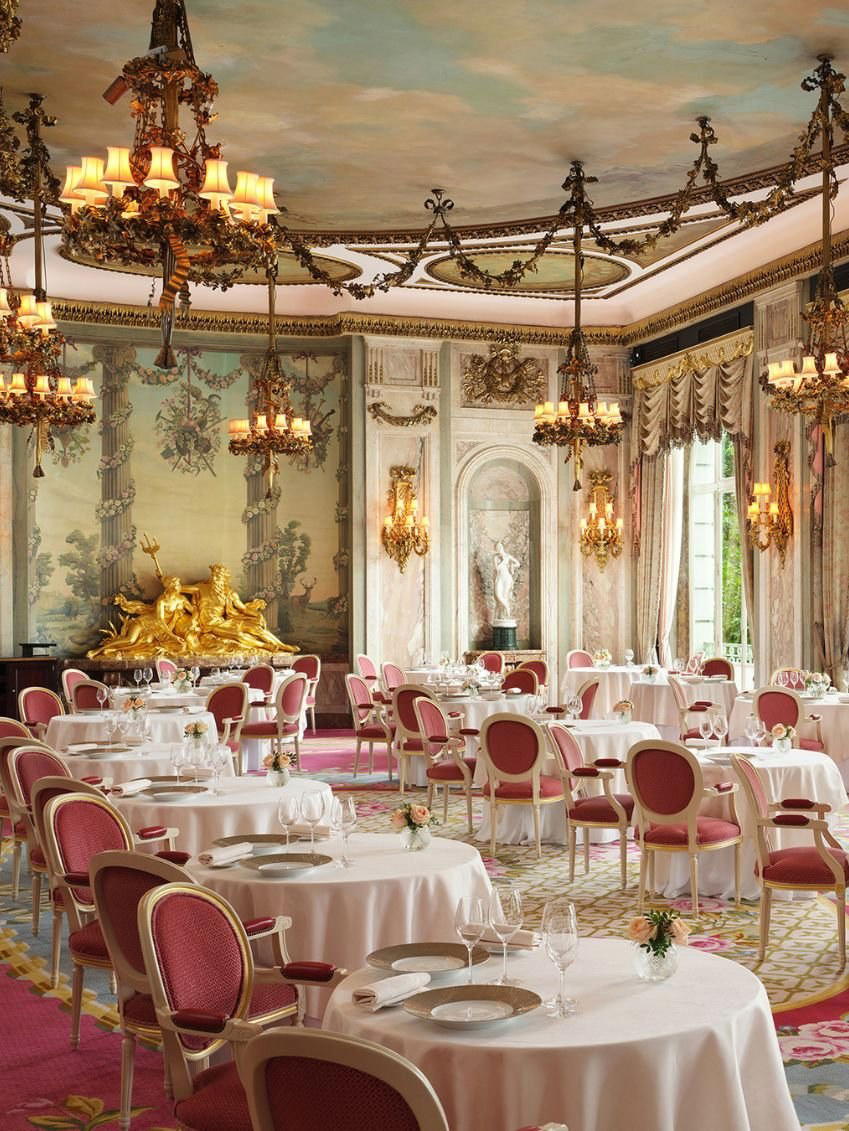
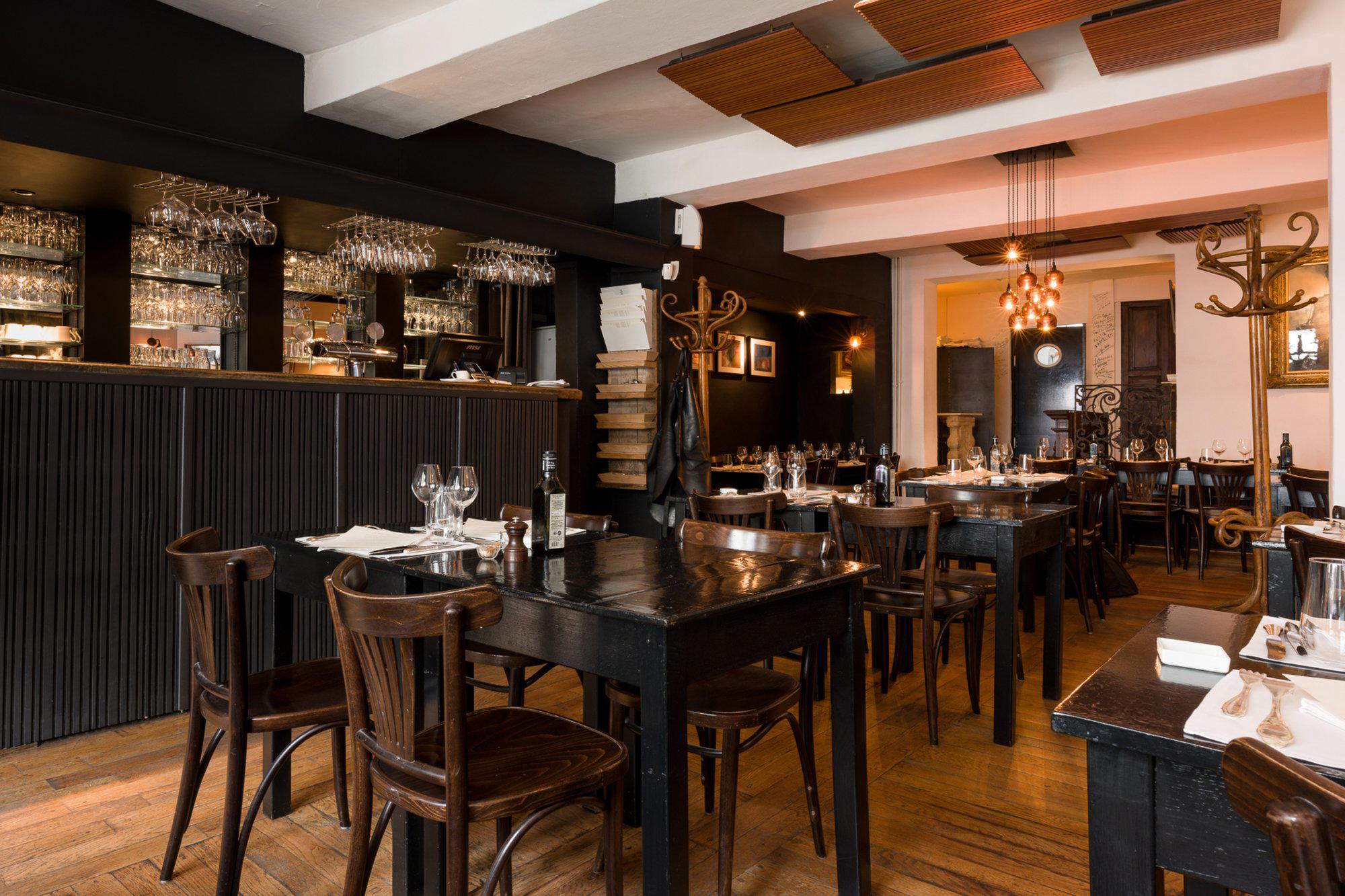
Ixelles has a particular relationship with its built environment. The commune's late-19th-century residential architecture, all ornate facades and tall windows, sets a visual register that newer restaurants either ignore or try to match. La Quincaillerie is a Franco-Belgian brasserie in Ixelles, Brussels, at Rue du Page 45, with a price tier around $75 per person. The space was originally a hardware shop, and the bones of that former life remain fully legible. The high ceilings, the ironwork mezzanine, the original cabinetry repurposed as shelving and partitioning, these are not decorative allusions to an industrial past but the actual past, preserved and pressed into service as dining room architecture.
In a city where heritage interiors tend to cluster around grand brasseries near the Grand-Place, a converted hardware store in the residential south of the city is a different proposition. The neighbourhood itself, Rue du Page sits in the quieter stretch of Ixelles between the Étangs d'Ixelles and the Place du Châtelain, operates at a remove from tourist circuits. The clientele reflects that: this is a room that pulls from the surrounding arrondissement, from the diplomatic quarter nearby, and from visitors who have done enough research to find themselves this far from the centre.
What the Interior Tells You Before You Sit Down
The sensory experience of the room precedes any consideration of the menu. The mezzanine level, overlooking the main floor, creates a spatial layering that most contemporary restaurant builds cannot achieve because they were not designed with a hardware merchant's pragmatism in mind. Sound behaves differently in high-ceilinged spaces: the ambient noise of a full dining room diffuses rather than concentrates, which means conversation at the table remains possible even during service peaks. The light source varies by floor level, with the ground floor drawing more from the street-facing windows during daylight hours and the upper tier operating under warmer artificial light after dark.
Nearby restaurants like Humus x Hortense and Kamo compete on the strength of their kitchen programs; La Quincaillerie's room carries significant weight in the overall calculation. It is worth understanding that dynamic before booking: you are partly paying for the architecture, and the architecture delivers on that implicit promise.
Ixelles as a Dining Neighbourhood
Brussels' dining scene has developed unevenly across its communes, with significant concentration in the centre and in Ixelles, which functions as the city's most consistent address for mid-to-upper restaurant density. The Rue du Page corridor and the streets radiating from Place du Châtelain represent a particularly active cluster. Amen, with its farm-to-table orientation, and Amore, Pasta e Gioia, operating at the more casual end of the spectrum, are both within the same neighbourhood radius. Au Savoy represents another established address in the same general area.
The Ixelles dining identity sits somewhere between Brussels' more formal tradition and a looser, neighbourhood-led approach that reflects the area's mixed residential and international character.
Restaurants like Hof van Cleve in Kruishoutem, Boury in Roeselare, and Zilte in Antwerp anchor the country's Michelin-recognised tier. Coastal addresses including Willem Hiele in Oudenburg and Bartholomeus in Heist extend the map toward the North Sea.
Planning a Visit
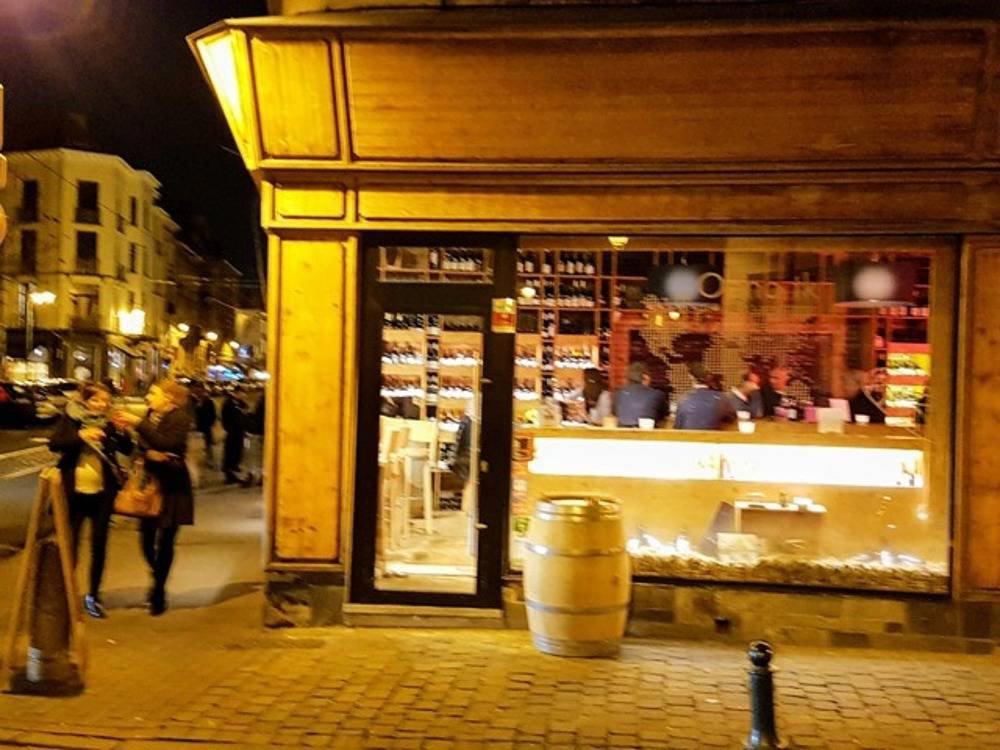
Visiting in the late-autumn and winter months aligns well with the interior's warmth: the room reads better when the contrast with the street outside is most pronounced, and the preserved hardware-store materials absorb artificial light in a way that suits the shorter days. Spring and summer open the possibility of considering the street-level windows as part of the experience, when the light from Rue du Page itself becomes a factor in the room's atmosphere.
Reservations are recommended, especially for weekend evenings.
Peers in This Market
Comparable venues nearby, for context on price, style, and recognition.
| Venue | Cuisine | Price | Notes |
|---|---|---|---|
| La QuincaillerieThis venue — the venue you are viewing | Franco-Belgian Brasserie | $$$ | Not listed |
| Gratin | Modern French Bistro | $$$ | Châtelain |
| Pénar | Modern Bistronomic | $$$ | Ixelles |
| Wine Fever | French Wine Bar | $$ | Ixelles |
| Canterbury | Traditional French-Belgian Brasserie | $$$ | Ixelles |
| Toucan Brasserie | French Brasserie | $$$ | Ixelles |
At a Glance
- Classic
- Elegant
- Historic
- Industrial
- Date Night
- Group Dining
- Special Occasion
- Historic Building
- Extensive Wine List
- Local Sourcing
- Farm To Table
Current opening hours
- Monday
- Closed
- Tuesday
- 12–2:30 PM, 6:30–10:30 PM
- Wednesday
- 12–2:30 PM, 6:30–10:30 PM
- Thursday
- 12–2:30 PM, 6:30–10:30 PM
- Friday
- 12–2:30 PM, 6:30–10:30 PM
- Saturday
- 6:30–10:30 PM
- Sunday
- 12–2:30 PM, 6:30–10:30 PM
Hours can change for holidays and private events. Last verified .
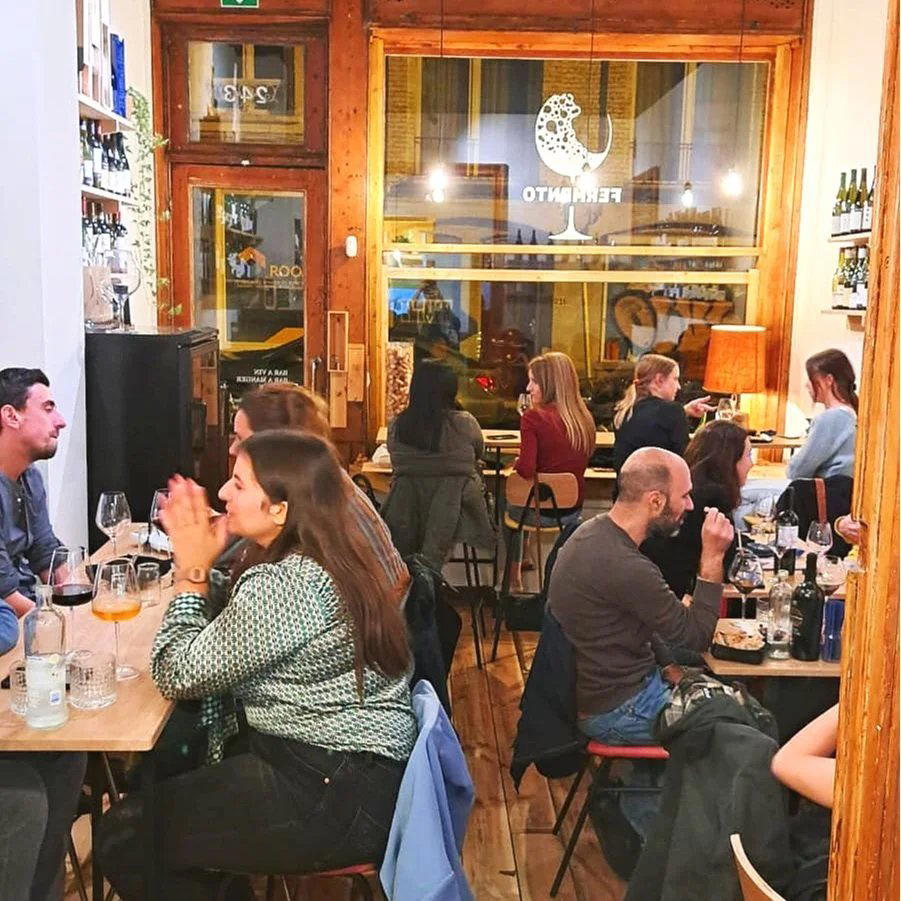
Warm, busy atmosphere with industrial charm from wrought-iron balconies, polished brass, and a timeless feel blending history and elegance.