
Shozan places Tokyo udon in a low-cost, high-scrutiny bracket rather than the city’s luxury dining circuit. Its Tabelog Udon EAST “Tabelog 100” 2024 selection, compact counter-and-table format, and Katsushika location make it a useful reminder that Tokyo’s noodle culture rewards precision well beyond central wards and tasting-menu rooms.
Pearl is the En Primeur Club membership app — saves, bookings, and concierge access live there. Same editors, same standards.
- Address
- 東京都葛飾区東四つ木2-18-4
- Phone
- +81336965665
- Website
- tabelog.com
 Saves & bookings on Pearl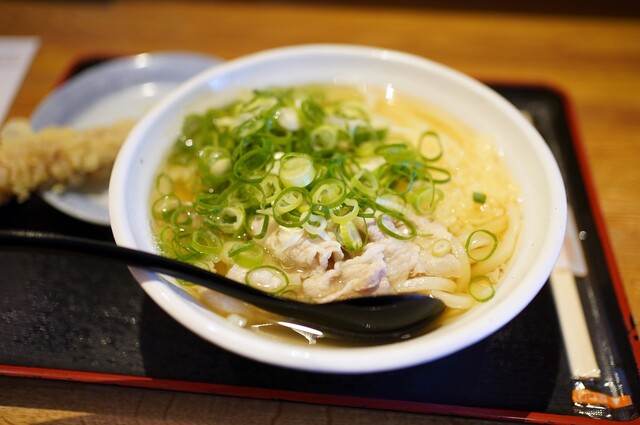
East Tokyo’s noodle rooms often announce themselves without theatrical polish: a short frontage, a tight rhythm of lunch service, and a room built for turnover rather than ceremony. In Katsushika, that restraint matters. Udon here is not framed as a luxury performance; it is judged by texture, broth discipline, speed, and whether a modest bowl can justify a trip beyond the city’s hotel-and-department-store dining orbit.
Shozan sits inside that tradition. The room is small enough to keep the experience close to the kitchen, with counter seating and tables rather than a staged chef’s counter. That format puts the emphasis where Tokyo’s serious noodle specialists tend to put it: not on décor or beverage choreography, but on consistency. The signal is external as much as experiential, with selection for Tabelog Udon EAST “Tabelog 100” 2024 and earlier recognition in 2022 and 2020. In a city where noodle shops can compete as rigorously as sushi counters, that repeat presence gives the address weight.
Katsushika udon, judged by craft rather than ceremony
Tokyo dining coverage often over-indexes on Ginza sushi, Aoyama French, and omakase formats priced for visitors with fixed itineraries. Udon occupies a different register. It is democratic in price, unforgiving in execution, and intensely local in how people build loyalties around it. A shop can be inexpensive and still sit under serious scrutiny, because the margin for error is narrow: noodle chew, broth balance, temperature, and service flow all have to hold up under repeat neighborhood use.
That is why Shozan’s recognition matters. Tabelog’s Hyakumeiten lists are not luxury awards; they map depth within specific Japanese dining categories. For udon, the EAST list covers a competitive field where suburban and residential addresses can carry as much authority as central ones. The point is not spectacle. It is whether a specialist can command attention in a category where many diners have strong opinions and low tolerance for drift.
There is also a useful contrast with Tokyo’s broader affordable-dining tier. Menya Ittou works in the ramen and tsukemen lane at a similar everyday price band, while Shutei Tanaka and Toritanaka move the conversation toward yakitori, and Uomasa toward unagi. Yakiniku Kosen sits in a far higher spend category for grilled beef. Against that spread, udon reads as the leaner proposition: less about occasion dining, more about a precise meal that can anchor a day in eastern Tokyo.
No cellar theatre: the curation is in the noodle shop discipline
The assigned luxury lens for many restaurant pages is wine depth, but this is the wrong measure here. Tokyo’s udon culture is not built around cellar breadth or sommelier authorship. Applying that frame too heavily would distort the experience. The curation at a specialist like this is structural: a narrow category, a compact room, a service model designed around quick eating, and a price point that keeps judgment focused on the bowl rather than on ceremony around it.
That distinction is useful for travelers who usually assess restaurants by beverage programs. In fine dining, a deep list can reveal ambition, storage, buying power, and staff training. In udon, seriousness shows through repetition and restraint. A counter seat, a short meal, and a crowd calibrated to lunch service can say more about the shop’s role than a cellar ever would. The absence of wine as a defining feature is not a deficiency; it places the restaurant in the correct Japanese category.
The operator, Sanuki Menki Co. Ltd. traces its establishment to 1910 in Mitoyo City, Kagawa Prefecture, which adds a meaningful regional cue without turning the page into a founder story. Kagawa is central to Sanuki udon identity, and that lineage helps explain why a Tokyo udon shop can be evaluated through craft traditions that extend beyond the capital. The relevant point is not biography. It is that udon in Tokyo often imports regional expectations and then submits them to metropolitan volume and scrutiny.
How to fit it into a Tokyo food day
This is not the meal to pair with a long tasting-menu evening or a hotel-bar crawl. It works better as a focused daytime stop in an eastern Tokyo itinerary, especially for travelers who want a counterpoint to central luxury dining. The surrounding area asks for a little more planning than a restaurant beside a major interchange, and that friction is part of the filter: people arrive for the category, not for convenience alone.
For broader planning, the strongest approach is to treat Shozan as one node in Tokyo’s specialist-food map rather than as an isolated destination. Pair the idea of low-cost precision with other category-led addresses across the city, from . 鮪と炭火焼き うお炭 秋葉原店 and 12/10 Shinjuku ten to 124. KAGURAZAKA (Yakitori), 2D Cafe, and 3 Chome no Curry Ya San. The wider city guides are better for building the rest of the day: Our full Tokyo restaurants guide, Our full Tokyo hotels guide, Our full Tokyo bars guide, Our full Tokyo wineries guide, and Our full Tokyo experiences guide.
Japan’s casual-specialist logic also travels well beyond Tokyo. Compare the category focus with -Grilled beef Sukiyaki- KAMAKURA TANUKIAN 鎌倉 たぬき庵 in Kamakura.cafe in Osaka.know in Kumamoto, (Shoku) Vietnam in Kawasaki, [Curry Senmon Ten] Maruyama Kyoju. in Sapporo, and [ki:] in Kyoto. For Japanese food culture outside Japan, Jōdo Saké Bar in Los Angeles and Onigiri Time in Pasadena show how narrow-format concepts shift when removed from their native dining rhythm.
At a Glance
Nearby venues at a similar price tier for orientation.
| Venue | Cuisine | Price | Notes |
|---|---|---|---|
| ShozanThis venue — the venue you are viewing | Not listed | $$$ | Not listed |
| Arakawa (Kyoto) | Not listed | $$$ | Nakagyo Ward / Kawaramachi, Traditional Kyoto yakiniku (Japanese BBQ) |
| Shutei Yuzawa | Not listed | $$$ | Chūō, Traditional Yakitori & Chicken Dishes |
| Tori Aroma | Chiyoda, Hinai Jidori Yakitori Omakase | $$$ | Not listed |
| 寿司 健 | Chūō, Michelin Three-Star Omakase Sushi | $$$ | Not listed |
| 萬屋おかげさん | Shinjuku, Traditional Japanese Izakaya | $$$ | Not listed |
Recognition history
Dated appearances from independent guides and award organizations, with the underlying list record or original source where available.
Tabelog 100 #19 · No. 19
Tabelog · Tabelog 100 - Udon - EAST - 2024








At a Glance
- Cozy
- Lively
- Classic
- Casual Hangout
- Solo
- Family
- After Work
- Group Dining
- Standalone
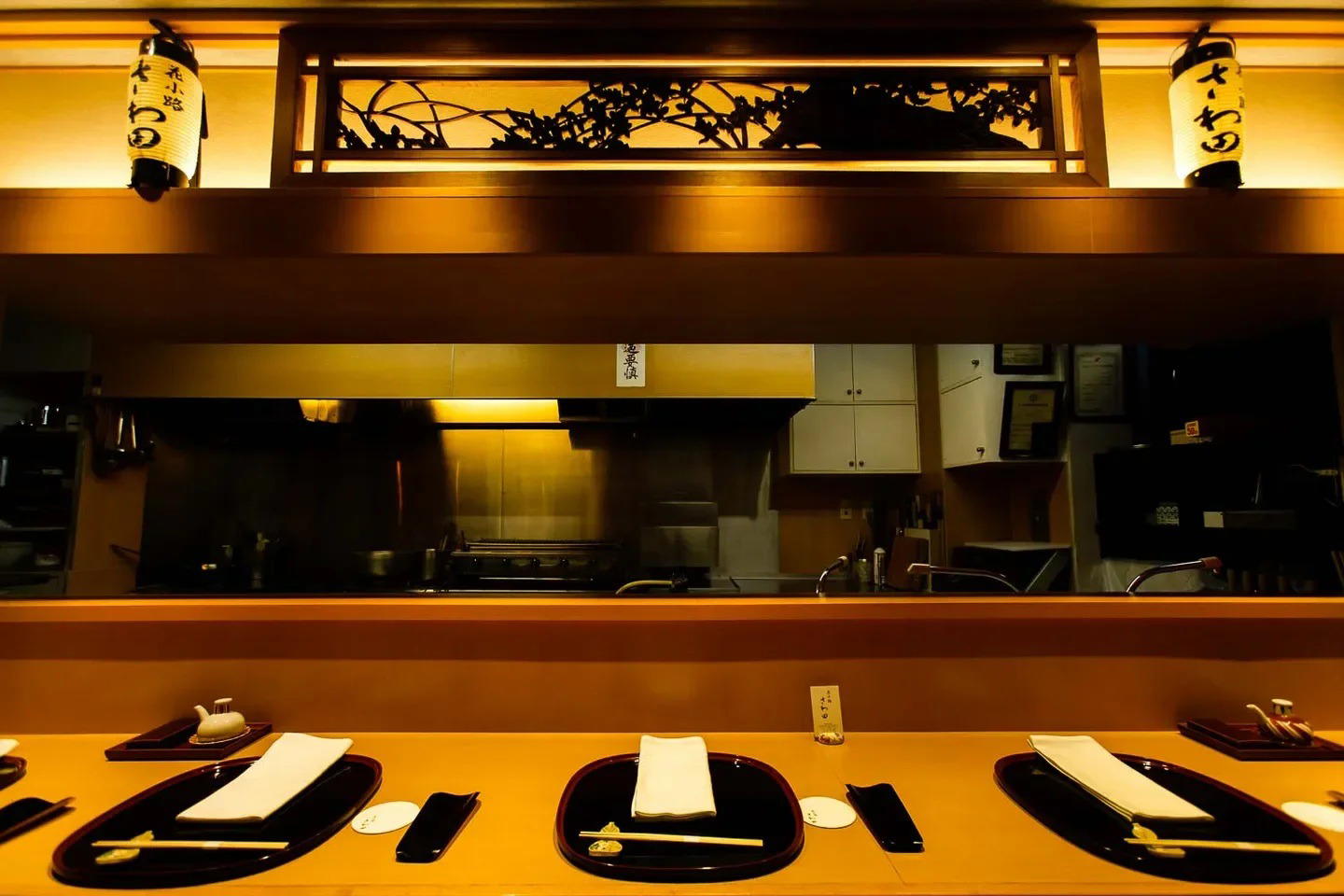
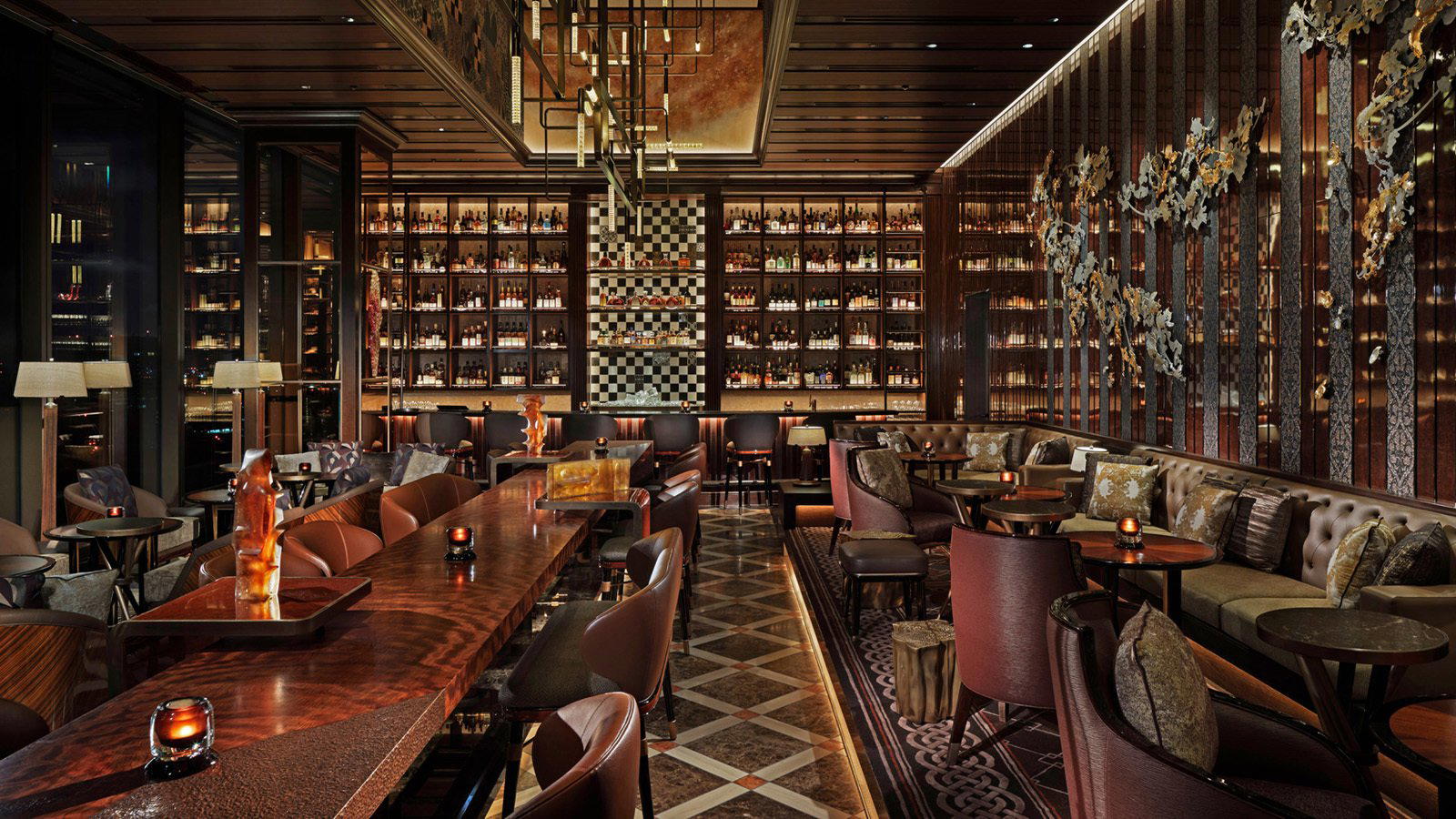
Simple, no-frills interiors with counter and table seating, a relaxed local feel, and a bustling yet comfortable atmosphere typical of a popular udon-ya.