
Shouin Tsurumizu belongs to Tokyo’s small-format Japanese dining tier, where an 8-seat room, fish-led cooking, sake focus, and referral-only access place the meal closer to private salon than public restaurant. Its 2025 Tabelog 100 selection for Japanese cuisine in Tokyo gives it external weight, while the Setagaya address keeps it apart from the Ginza and Akasaka circuit.
Pearl is the En Primeur Club membership app — saves, bookings, and concierge access live there. Same editors, same standards.
- Address
- 東京都世田谷区若林4-20-10
- Phone
- +81368743699
- Website
- tabelog.com
 Saves & bookings on Pearl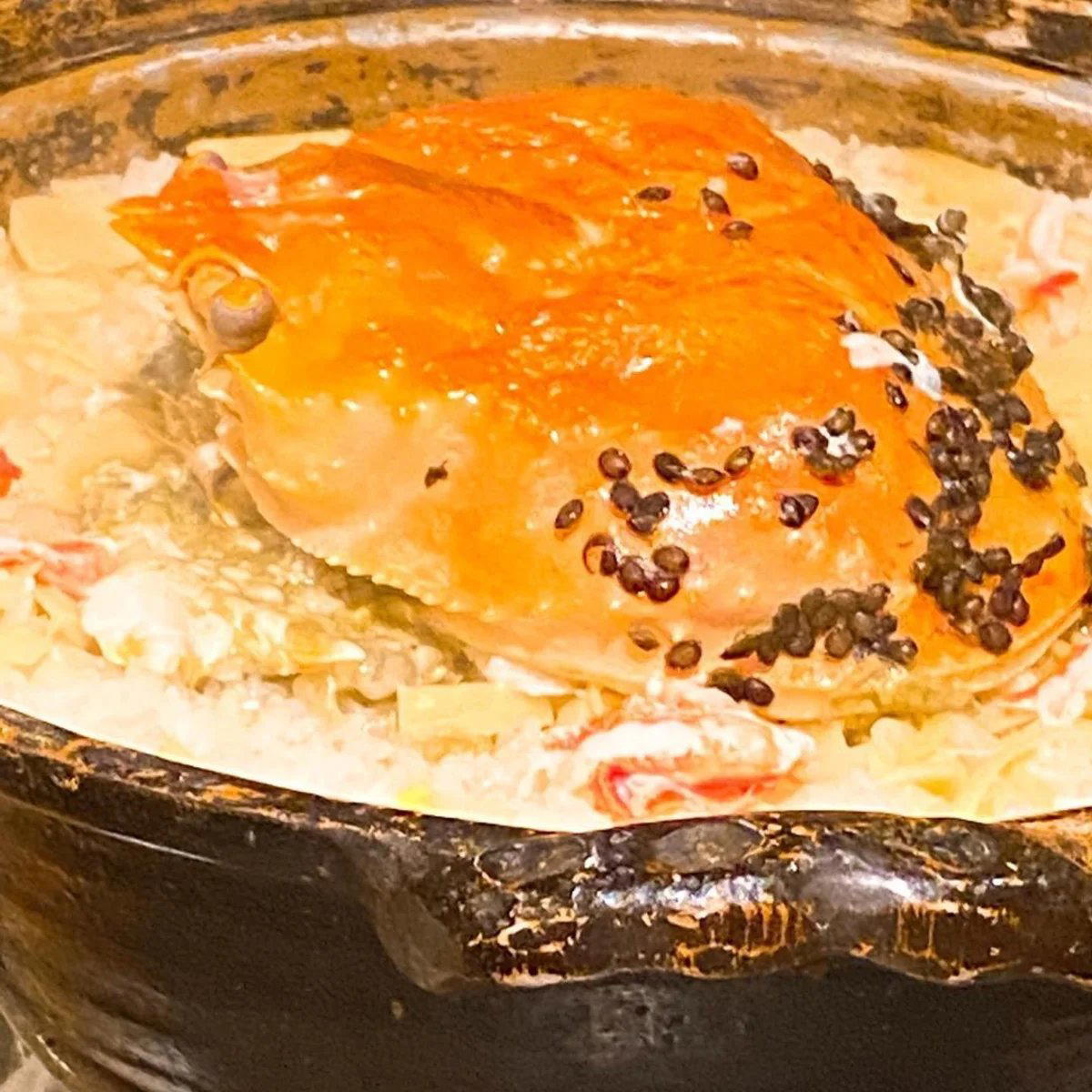
The approach to Shoin Jinja Mae changes the register of Tokyo dining. Central luxury rooms often announce themselves through towers, hotel lobbies, and choreographed arrivals; here, the rhythm is Setagaya residential, quieter and more local. That matters because small Japanese restaurants outside the central business districts ask for different attention: fewer visual cues, less spectacle, more reliance on pacing, ingredient discipline, and a room operating at close range.
Shouin Tsurumizu sits in the private-room, low-seat-count end of Tokyo Japanese cuisine. The public details are spare but telling: 8 seats, Japanese cuisine, emphasis on fish, sake alongside shochu and wine, and selection for Tabelog 100 Japanese cuisine Tokyo 2025. In a city where prestige clusters around counter sushi, tempura, kappo, and kaiseki, that places it in an intimate bracket: not casual neighbourhood cooking, not hotel fine dining, but a tightly controlled room shaped by restraint and proximity.
Setagaya's quieter answer to central Tokyo luxury dining
Tokyo’s high-price Japanese dining is not one scene. Ginza and Marunouchi trade on corporate polish and visitor familiarity; Akasaka and Roppongi lean into expense-account gravity; Ebisu and Aoyama favour design-conscious leisure. Setagaya is residential, lived-in, and less dependent on the international dining circuit. A restaurant at this level in Wakabayashi has to earn attention through format and reputation rather than foot traffic.
The JPY 40,000 to JPY 49,999 price band puts Shouin Tsurumizu well above everyday washoku and into Tokyo’s serious occasion category. Diners are paying for sourcing, sequence, concentrated service, and a room small enough to make lapses visible. The 8-seat count defines the experience: conversation carries, service timing becomes architecture, and the line between kitchen and dining room narrows.
Its Tabelog score of 3.90 and inclusion in the 2025 Tabelog 100 list for Japanese cuisine in Tokyo are useful signals because Tabelog’s Japanese audience weighs consistency and category fluency heavily. The list does not make the cooking easy to access or replace judgment, but it places the restaurant inside a verified local conversation rather than an English-language discovery narrative.
That distinction matters. In Tokyo, the restaurants most visible to international travellers are not always those most embedded in Japanese booking culture. The city’s dining hierarchy rewards regulars, introductions, and small-room trust. Shouin Tsurumizu’s referral-only reservation model belongs to that system: less convenient than platform booking, but part of why the room can remain small, controlled, and insulated from casual demand.
Fish, sake, and the discipline of a small Japanese room
The stated focus on fish places the restaurant in a lineage broader than sushi. Tokyo treats fish as technique, not a single format: raw preparation, simmering, grilling, steaming, broth work, and seasonal garnishing all sit within Japanese cuisine. Without naming dishes not publicly specified, the frame is what matters. A fish-led Japanese meal at this tier is judged by freshness, cut, heat control, seasoning restraint, and how sake interacts with salt, fat, and umami across the sequence.
The drinks information is equally revealing. Sake is not an afterthought; the restaurant is marked as particular about nihonshu, with shochu and wine also available. That places the beverage program in the Japanese dining mainstream rather than the luxury-hotel model, where Champagne and Burgundy often dominate. For diners used to wine-led tasting menus, this recalibrates the meal’s logic toward rice, fermentation, temperature, and texture as much as grape variety.
Private rooms are available for 4 people, and the restaurant is marked family friendly with children welcome and a kids menu. That combination is rare in the higher Japanese cuisine bracket. Many small Tokyo counters function as adult-only or effectively adult-only spaces even without a formal rule. Here, the structure allows celebration and family dining without becoming a large-format banquet setting.
Compared with nearby casual references such as Gigio, Boulangerie Sudo, Sumibi Yakisakana Bento Sumisawa, Boulangerie Paris no Sora no Shita, and Seki Hanare, the restaurant operates in another price and access tier. The point is not that one category outranks another; Setagaya’s appeal comes partly from that mix. A bakery, a bento specialist, an Italian room, and a Japanese restaurant can share the same neighbourhood map while serving completely different dining decisions.
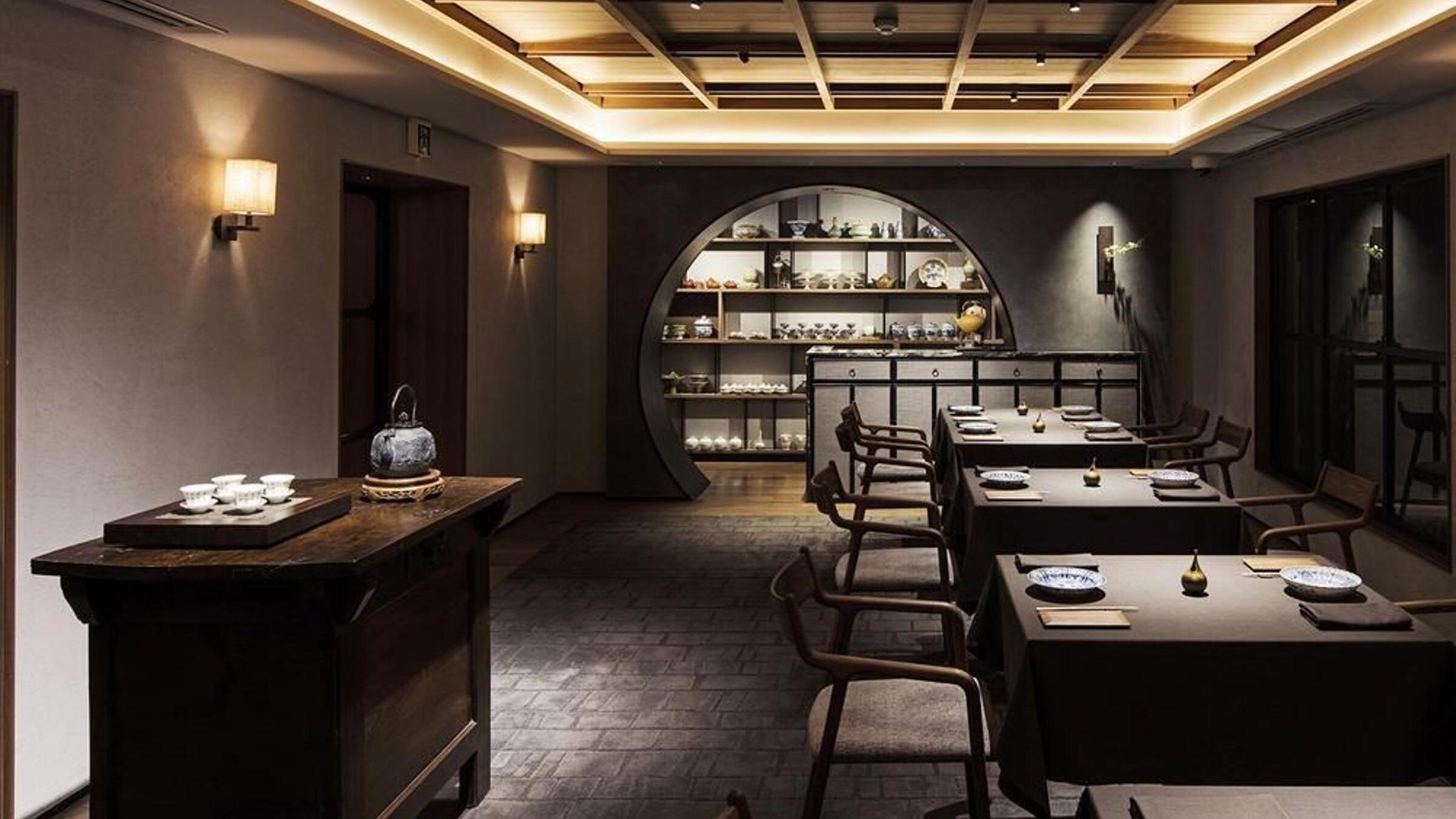
The sensory experience here is quiet concentration rather than theatre. Public details point to a compact, non-smoking room, flexible hours by request, and meals that can run over 2.5 hours. The pleasure is not volume or novelty, but the shift in attention when a room gives diners little to hide behind: no grand lobby, no branded view, no elaborate public narrative, just Japanese cooking judged at close distance.
Know Before You Go
- Format: Japanese cuisine in an 8-seat room with private use available.
- Recognition: Selected for Tabelog 100 Japanese cuisine Tokyo 2025; Tabelog score 3.90.
- Price band: JPY 40,000 to JPY 49,999 for lunch and dinner.
- Access: Referral-only reservations; walk-ins are not the right strategy for this restaurant.
- Location: Wakabayashi, Setagaya, near Shoin Jinja Mae Station.
- Drinks: Sake, shochu, and wine are listed, with particular attention to nihonshu.
- Good fit: Small-group Japanese dining, celebrations, and diners who value local booking culture over convenience.
- Less suited to: Travellers who need instant online confirmation or a flexible same-day plan.
For broader Tokyo planning, use Our full Tokyo restaurants guide, then place dinner within the trip through Our full Tokyo hotels guide, Our full Tokyo bars guide, Our full Tokyo wineries guide, and Our full Tokyo experiences guide. Tokyo’s range is easier to read when high-price Japanese dining sits beside contrasting rooms such as. 鮪と炭火焼き うお炭 秋葉原店, 12/10 Shinjuku ten, 124. KAGURAZAKA (Yakitori), 2D Cafe, and 3 Chome no Curry Ya San. For regional contrast, compare the format with -Grilled beef Sukiyaki- KAMAKURA TANUKIAN 鎌倉 たぬき庵 in Kamakura.cafe in Osaka.know in Kumamoto, (Shoku) Vietnam in Kawasaki, [Curry Senmon Ten] Maruyama Kyoju. in Sapporo, [ki:] in Kyoto, Jōdo Saké Bar in Los Angeles, and Onigiri Time in Pasadena.
A Minimal
Comparable venues at a similar level for quick context.
| Venue | Cuisine | Price | Notes |
|---|---|---|---|
| Shouin TsurumizuThis venue — the venue you are viewing | Not listed | $$$$ | Not listed |
| 恵比寿えんどう | Shibuya, Edomae Omakase Sushi | $$$$ | Not listed |
| es | Minato, Modern Japanese Fine Dining | $$$$ | Not listed |
| Tokuyama | Not listed | $$$$ | Minato, Traditional Fugu & Seasonal Japanese Kaiseki |
| Yoshizawa | Not listed | $$$$ | Minato, Seasonal Kaiseki in Roppongi Hills |
| Namba | Chiyoda, Modern Edomae Omakase | $$$$ | Not listed |
Recognition history
Dated appearances from independent guides and award organizations, with the underlying list record or original source where available.
Tabelog 100 #45 · No. 45
Tabelog · Tabelog 100 - Japanese cuisine - TOKYO - 2025














At a Glance
- Cozy
- Intimate
- Elegant
- Celebration
- Date Night
- Family
- Business Dinner
- Chefs Counter
- Private Dining
- Standalone
- Design Destination
- Sake Program
- Byob
- Corkage Allowed
A quiet, hideout-like space with only a handful of counter and private-room seats, non‑smoking and relaxed, designed for long, leisurely meals and family celebrations rather than a rushed visit.