
Tabelog 100 #22
Our verdict
Shokudo Kifune places Ashiya’s izakaya culture in a compact, serious register: 10 seats, counter-led service, and a drinks program noted for sake, shochu and wine. Its selection for Tabelog 100 Izakaya WEST in both 2024 and 2025 gives it a clear trust signal in a city better known to many travellers for polished residential dining than late-night tavern cooking.

Pearl is the En Primeur Club membership app — saves, bookings, and concierge access live there. Same editors, same standards.
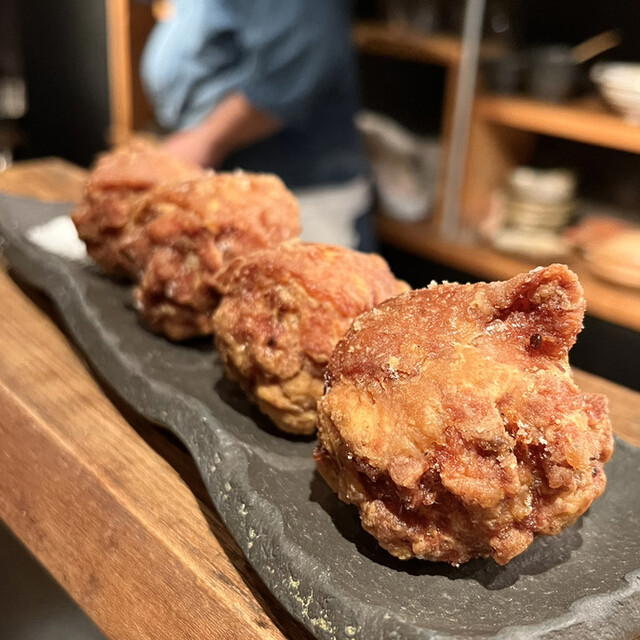
The menu
What to order
- Kara-age (Japanese fried chicken)
- Potato salad with shiba-zuke
- Assorted deep-fried dishes
An Ashiya address changes the terms of an izakaya meal. The format reads closer to a focused local dining room than a sprawling tavern. That matters in Hyogo, where izakaya culture often sits between after-work drinking, seasonal cooking and a final bowl of noodles. Shokudo Kifune works inside that tradition, with deep-fried dishes and ramen listed alongside Japanese tavern cooking, giving the restaurant a clear place within the city’s casual Japanese dining map.
Ashiya is not Osaka, and it is not Kobe. The city’s dining rhythm is quieter, more residential and less dependent on nightlife density, which changes how a place like this reads. In a larger entertainment district, an izakaya can disappear into a row of counters. In Ashiya, recognition from Tabelog Hyakumeiten in 2025 gives the restaurant sharper definition: this is a tavern operating in a market where local regularity and regional reputation overlap.
Ashiya izakaya culture, compressed into a focused format
The izakaya category is often misunderstood by travellers who treat it as Japan’s answer to the pub. The better comparison is a flexible dining grammar: drinking often shapes the social logic, but food carries the evening. Menus can move from fried food to other casual Japanese tavern dishes and noodles without needing the formality of kaiseki or the single-product discipline of sushi and tempura counters. Here, the listed categories of izakaya cooking, deep-fried foods and ramen point to that breadth without turning the meal into a tasting-menu performance.
The izakaya format is an important signal. It makes the evening less anonymous than a large table-heavy tavern, while still leaving room for the flexible ordering that defines the genre. That hybrid is common in serious neighbourhood Japanese dining: focused enough for pacing and conversation to matter, flexible enough for a casual dinner. It is also why planning ahead carries weight. A restaurant like this changes the experience before the first order, because the meal is built around local rhythm rather than spectacle.
Compared with Ashiya’s higher-spend Japanese dining, the positioning is deliberate. Tempura Sakurabito, Kiichi and Unfalo point to other ways the city can handle destination-minded dining, while Shokudo Kifune belongs to a more approachable but still curated register. Its listed dinner range of JPY 6,000 - JPY 7,999 places the value not in luxury theatre but in compression: a tavern framework, a clearly defined category mix, and enough recognition to separate it from an ordinary local stop.
Drinks define the pace as much as the cooking
In western Japan, izakaya credibility is often tied to how the drinks frame the food. The point is not simply to drink before dinner, but to let the meal expand or contract through shared plates, fried dishes and a final bowl if the evening calls for it. For travellers, this is where izakaya dining becomes useful: the format allows a meal to stretch or tighten without requiring a fixed course structure, and Shokudo Kifune’s category mix gives that flexibility a clear culinary outline.
The award context also matters. Tabelog’s Hyakumeiten lists are not Michelin stars, and they should not be read as luxury markers. They function more like category recognition within Japan’s dense restaurant culture, where user literacy around genre can be high and distinctions between ordinary, serious and destination-worthy taverns are closely watched. A 2025 selection places the restaurant within a regional conversation rather than a purely tourist-facing one.
That distinction is useful in Ashiya. Visitors often build meals around Kobe beef, Osaka counters or Kyoto dining rooms, then overlook the smaller Hanshin corridor cities between them. Ashiya’s appeal is different: fewer spectacle-driven rooms, more neighbourhood specificity, and a dining scene where bakeries, Japanese counters and polished casual restaurants sit close together. For a wider read on the city, see Our full Ashiya restaurants guide, alongside other Ashiya dining rooms and casual local addresses.
How to read it within a Kansai itinerary
The strongest case for Shokudo Kifune is not that it replaces the region’s formal Japanese restaurants. It fills a different slot. Kansai travellers often over-schedule precision dining: sushi, tempura, wagyu, kaiseki, repeat. An izakaya gives the itinerary a looser but still serious evening, especially in a city where the residential setting tempers the usual nightlife noise. It is better understood as a regional tavern address with 2025 Tabelog Hyakumeiten recognition than as a grand occasion restaurant.
The practical reading is simple: Ashiya setting, dinner pacing, and a tavern structure built around Japanese-style casual dining, deep-fried dishes and ramen. That combination suits diners who want a local Ashiya meal with more intent than a casual chain tavern. The format rewards guests comfortable with a neighbourhood-style izakaya rather than a formal destination restaurant.
For broader planning beyond the table, EP Club’s Ashiya coverage extends to Our full Ashiya hotels guide, Our full Ashiya bars guide, Our full Ashiya wineries guide and Our full Ashiya experiences guide. Readers comparing Japanese casual formats across cities can also look more generally at other izakaya, noodle and casual Japanese dining rooms, while keeping Shokudo Kifune in mind as an Ashiya-specific example of the genre.
Frequently asked questions
Is Shokudo Kifune child-friendly?
Those details are not published. It is an Ashiya izakaya, so check the venue's official channels for the latest details.
What should I expect atmosphere-wise at Shokudo Kifune?
Expect an izakaya in Ashiya, with Japanese-style tavern cooking, deep-fried dishes and ramen defining the food side.
What's the price range at Shokudo Kifune?
Pricing at Shokudo Kifune is listed as JPY 6,000 - JPY 7,999.
What is Shokudo Kifune known for?
Shokudo Kifune is known as an Ashiya izakaya listed in the 2025 Tabelog Hyakumeiten, with categories including Japanese-style tavern cooking, deep-fried foods and ramen.
Cost Snapshot
Side-by-side context: comparable cuisine and price.
| Venue | Cuisine | Price | Awards | Notes |
|---|---|---|---|---|
| Shokudo KifuneThis venue (the venue you are viewing) | Cozy Ashiya izakaya with deep-fried dishes and ramen | $30–50 | Tabelog 100 #22 | Not listed |
| 壱(にのまえ) | Traditional Japanese Omakase Kaiseki | $200–300 | Not listed | Ashiya, Traditional Japanese Omakase Kaiseki |
| Kiichi | Traditional Sushi Omakase Counter | $100–150 | Tabelog 100 #83 | Omasucho, Ashiya, Traditional Sushi Omakase Counter |
| patisserie plein | Not listed | $10–20 | Tabelog 100 #38 | .芦屋市茶屋之町 (Chayanocho, Ashiya), French-style patisserie & chocolaterie |
| Do Sanjin Ashiya ten | Japanese Soba | Not listed | Tabelog 100 #26 | Ashiya, Japanese Soba |
| Tempura Sakurabito | Modern Tempura Omakase | $150–200 | Tabelog Bronze #383 | Ashiya, Modern Tempura Omakase |
Recognition history
Dated appearances from independent guides and award organizations, with the underlying list record or original source where available.
Tabelog 100 #22 · No. 22
Tabelog · Tabelog 100 - Izakaya - WEST - 2025
Continue exploring
More in Ashiya
Restaurants in Ashiya
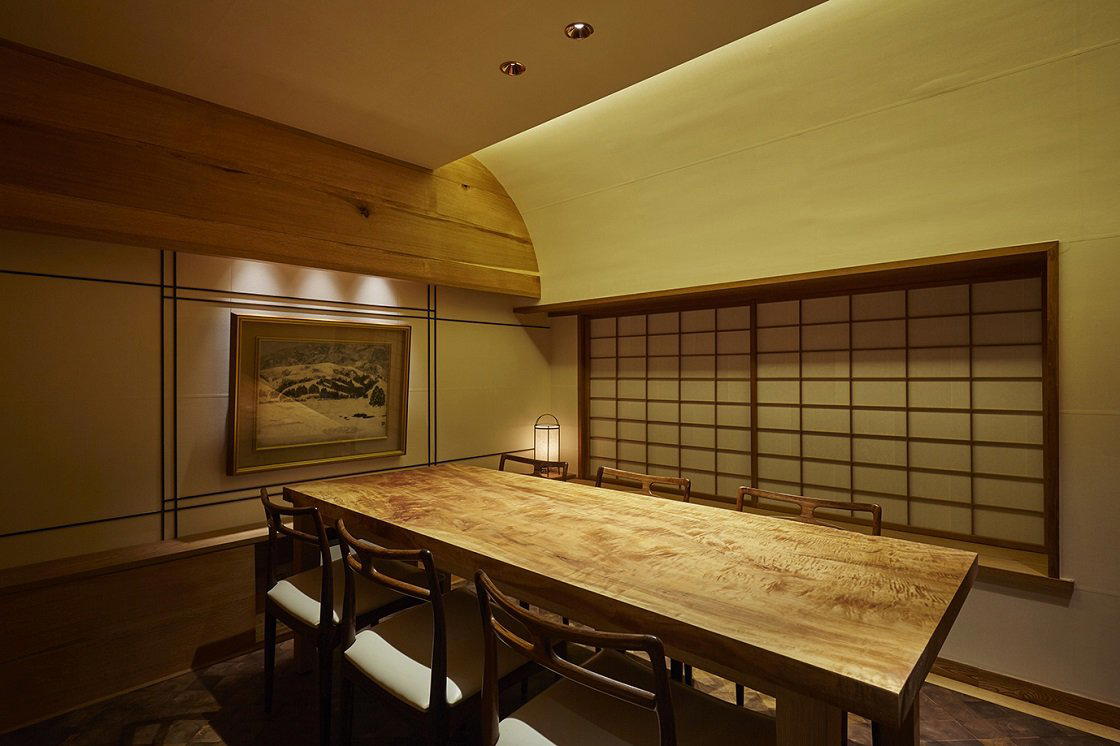
All restaurants in Ashiya →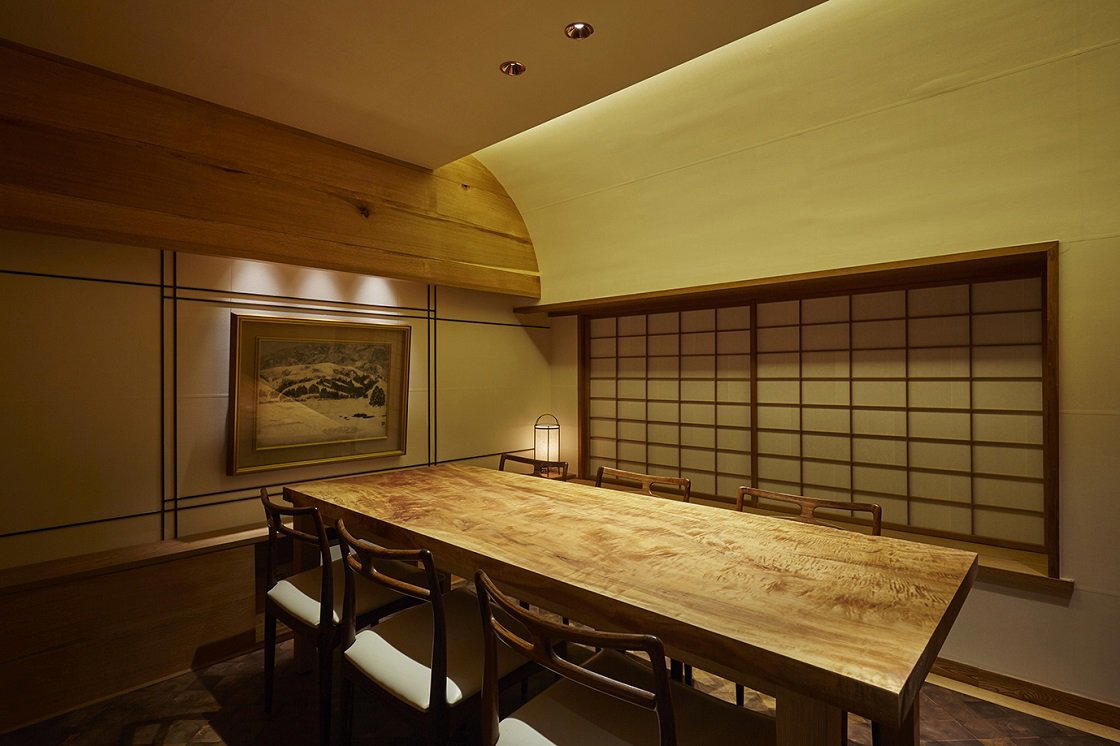
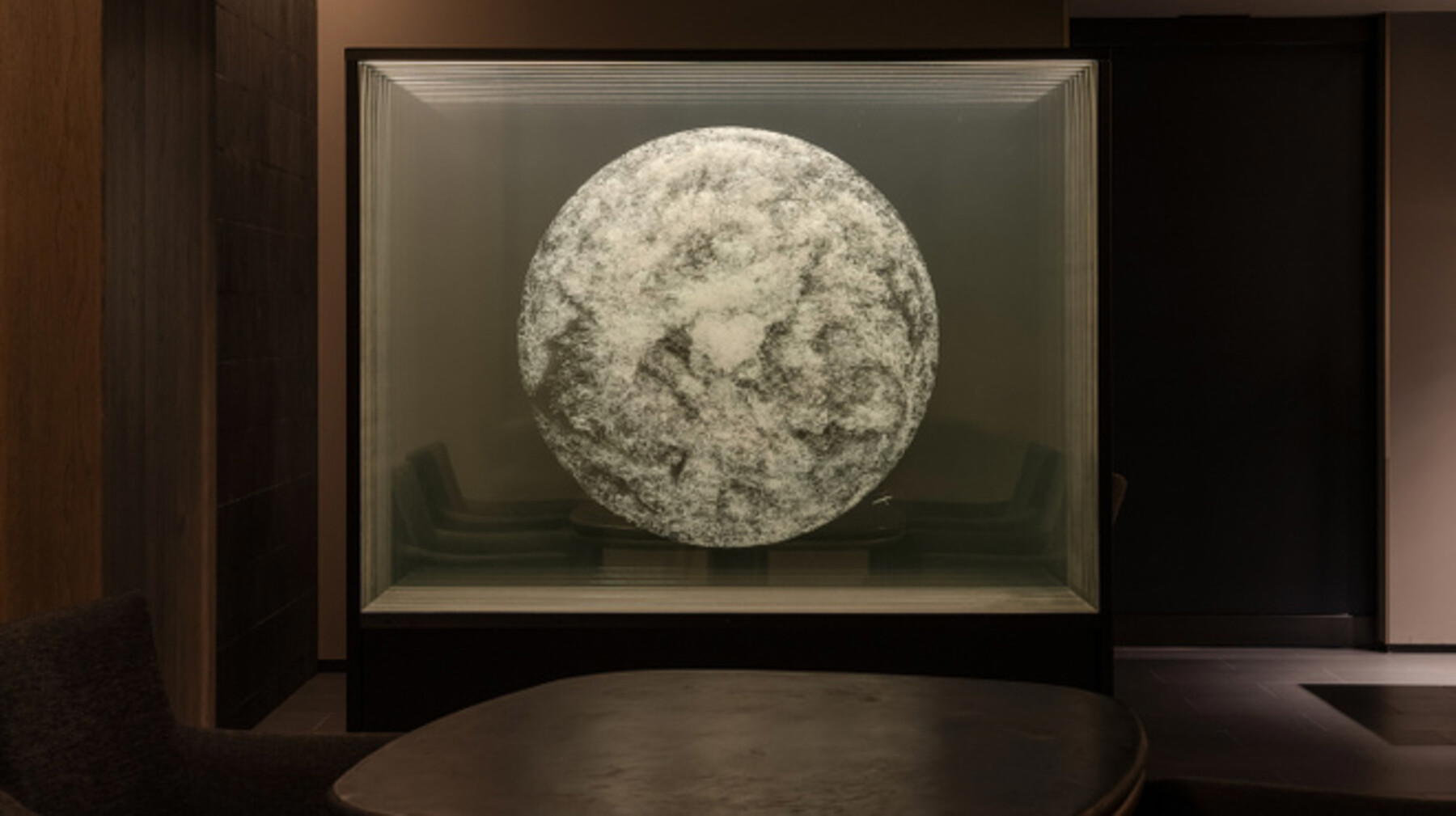
Bars in Ashiya
Browse all →
Hotels in Ashiya
Browse all →


Wineries in Ashiya
Browse all →

Shokudo Kifune
The wine
- Wine program
- Curated wine list
- Sake program
- Beer program
Details
- Cozy
- Lively
- Intimate
- Solo
- After Work
- Casual Hangout
- Late Night
- Standalone
- Sake Program
- Beer Program
- A La Carte
- Small Plates
- Counter Dining
- Sake
- Shochu
- Wine
- Beer
Current opening hours
- Monday
- 6 PM–1 AM
- Tuesday
- 6 PM–1 AM
- Wednesday
- 6 PM–1 AM
- Thursday
- 6 PM–1 AM
- Friday
- 6 PM–1 AM
- Saturday
- 6 PM–1 AM
- Sunday
- 6 PM–1 AM
Hours can change for holidays and private events. Last verified .
An intimate, non-smoking neighborhood izakaya with only six counter seats and one small table, creating a cozy, lively atmosphere ideal for relaxed evening drinking and casual dining.