
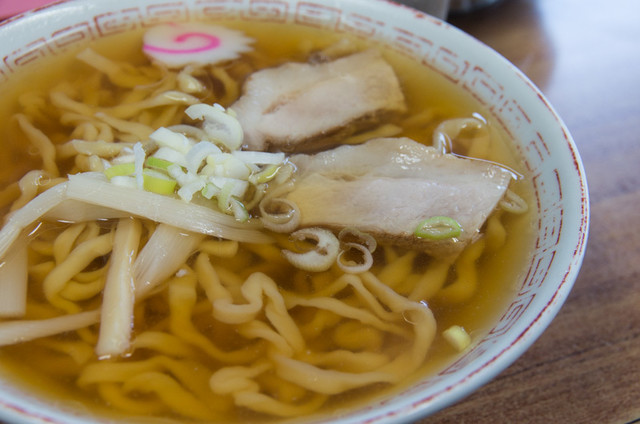
Shokudo Hasegawa belongs to the Kitakata ramen tradition: daytime bowls, a house-restaurant setting, and a pace shaped by soup rather than reservations. Tabelog selected it for Ramen EAST “Tabelog 100” in 2019, 2024, and 2025, placing a modestly priced local shop inside a serious regional ramen conversation.
Pearl is the En Primeur Club membership app — saves, bookings, and concierge access live there. Same editors, same standards.
- Address
- Oarai, Kitakata, Fukushima 966-0904, Japan
- Phone
- +81 241-24-5180
- Website
- tabelog.com
 Saves & bookings on Pearl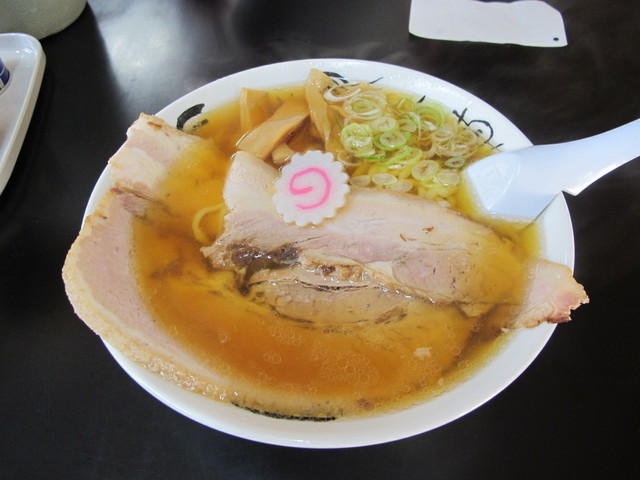
Approach this kind of ramen shop expecting the rhythm of a daytime canteen rather than a polished dining room. The cues are practical: a house-restaurant setting, counter seating, tables, tatami space, children welcome, and a meal built around arrival order, quick decisions, and the kitchen’s soup supply. Shokudo Hasegawa sits in that ritual-heavy category of Japanese ramen where the room matters less as décor than as a system: people come, eat, leave, and make way for the next wave.
Kitakata ramen has never needed luxury signals to carry authority. The city’s reputation is tied to morning and daytime noodle culture, regional loyalty, and shops that can draw serious attention without shifting into tasting-menu theatre. In that context, a JPY 1,000–1,999 ramen budget says something useful. This is not premium dining by price; it is a regional specialist judged by repeatability, local pull, and how it holds its place among other ramen rooms in eastern Japan.
Kitakata ramen as a daytime ritual, not a long dinner
The defining idea here is ramen as a compact civic habit. Kitakata’s ramen culture rewards clarity of format: arrive during service, queue if needed, order without turning the meal into a negotiation, and understand that the kitchen’s day is governed by soup. The listed hours are concentrated around lunch and early afternoon, with weekend service beginning earlier, which aligns with the broader Kitakata pattern of ramen as a daytime act rather than a late-night fallback.
That matters for travellers using Matsuyama or broader Japan restaurant pages as research pathways. Ramen shops such as this are not planned like kaiseki counters or hotel dining rooms. Reservations are unavailable, the meal is short, and the success of the visit depends on timing. The practical reading is simple: treat it as a primary daytime stop, not a flexible add-on after sightseeing. The shop has 46 seats, including counter and tatami-style seating, so the format can absorb families and solo diners, but recognition changes demand. A Tabelog score of 3.71 and selection for Ramen EAST “Tabelog 100” in 2019, 2024, and 2025 put the restaurant beyond casual neighborhood anonymity.
The award history is the meaningful trust signal. Tabelog’s Hyakumeiten lists are not Michelin-style luxury judgments; they are category-specific recognition within Japan’s user-review ecosystem. For ramen, that distinction matters because the field is deep, regional, and price-sensitive. Shokudo Hasegawa’s inclusion in the EAST ramen list places it alongside shops that compete on discipline inside a narrow format, not on elaborate service or dining-room spectacle.
What the room tells you about the meal
The room’s mix of counter seating, tables, and tatami space points to a ramen shop serving several audiences at once. Solo diners can finish quickly at the counter. Families have enough spatial flexibility to manage children. Groups of friends can eat without turning the visit into a formal occasion. That range is part of the appeal of regional ramen culture: serious food does not require a hushed room.
Payment customs also keep the meal grounded. Credit cards are not accepted, electronic money is accepted, and QR code payments are not accepted. That detail belongs to the etiquette of the visit as much as the price does. In Japan’s ramen category, especially outside dense urban restaurant districts, logistical fluency is part of eating well. Arrive prepared, expect brisk service, and do not treat the table as a place to linger.
The comparison set reinforces the point. Bannai Shokudo, Kiichi, Kura Zushi, and Koike Kashiho sit in lower or similarly modest price brackets, while Haran Sho appears in a far higher JPY 6,000–7,999 range. Shokudo Hasegawa’s JPY 1,000–1,999 pricing keeps it closer to the democratic end of the spectrum, yet the repeated ramen-list recognition pushes it into a more selective editorial category than price alone would suggest. It is the familiar ramen paradox: the bill can be modest while the reputational bar is high.
No chef narrative is needed to understand the draw. The useful lens is not biography but system: a recognized ramen shop in a famous ramen city, running a daytime format, with no private rooms, no private-use option, and a no-smoking interior with an outdoor smoking area. Those facts describe a meal built for turnover, clarity, and local habit rather than ceremony.
How to place it in a wider Japan itinerary
For travellers building a wider Japanese dining route, this belongs in the ramen column, not the destination-restaurant column. That does not make it lesser. It means the planning logic is different. Pairing a ramen stop like this with more formal Japanese cooking clarifies how broad the country’s dining culture is: compare it with Matsuyama ryokan-adjacent dining such as Bettei Oborozukiyo, the Japanese cuisine setting at Dogo Kaishu (Japanese Cuisine), or the local focus of Ino. Ramen asks for a different kind of attention: less ceremony, more timing.
Within the broader restaurant map, it also sits beside other casual-specialist formats rather than luxury dining. Readers comparing noodle and comfort-food stops may look at Chuka Soba Fukamidori or Hinode, then use Our full Matsuyama restaurants guide for a wider read on the city’s tables. For trip structure beyond restaurants, the adjacent guides to Matsuyama hotels, Matsuyama bars, Matsuyama wineries, and Matsuyama experiences help separate a quick ramen run from overnight planning.
The wider Japan network shows how specific these categories become. A beef sukiyaki meal at -Grilled beef Sukiyaki- KAMAKURA TANUKIAN 鎌倉 たぬき庵 in Kamakura, a seafood-and-charcoal address such as. 鮪と炭火焼き うお炭 秋葉原店 in Tokyo, or a café format like.cafe in Osaka all answer different dining needs. So do.know in Kumamoto, (Shoku) Vietnam in Kawasaki, [Curry Senmon Ten] Maruyama Kyoju. in Sapporo, Jōdo Saké Bar in Los Angeles, and Onigiri Time in Pasadena. The value of Shokudo Hasegawa is narrower and cleaner: a recognized regional ramen stop where the meal is defined by timing, price discipline, and the customs of a soup-led shop.
Cuisine and Credentials
Side-by-side context: comparable cuisine and price.
| Venue | Cuisine | Price | Awards | Notes |
|---|---|---|---|---|
| Shokudo HasegawaThis venue — the venue you are viewing | Traditional Kitakata ramen shop | $ | , | |
| Bettei Oborozukiyo | Traditional Japanese Kaiseki | $$$$ | , | Dogo Onsen |
| 上海点心 豫園 | 上海点心専門店 | $$ | , | 朝生田町 |
| Chuka Soba Fukamidori | Ramen (Chuka soba) | $ | , | Higashimatsuyama |
| ベトナムフード | Traditional Vietnamese | $ | , | Katsuyama |
| Nabeyaki Udon Asahi | Traditional Matsuyama nabeyaki udon shop | $ | , | Okaido / Gintengai area |
Continue exploring
More in Matsuyama
Restaurants in Matsuyama
Browse all →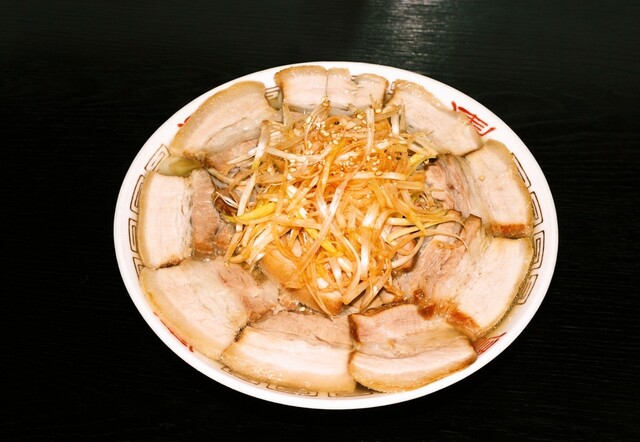
Hotels in Matsuyama
Browse all →
At a Glance
- Cozy
- Classic
- Hidden Gem
- Lively
- Solo
- Family
- Casual Hangout
- Group Dining
- Standalone
Casual, non‑smoking ramen diner with a relaxed, homey feel, combining counter seats, tables, and tatami rooms; often busy with lines but comfortable for both families and solo diners.