
Kitakata’s ramen culture rewards early, practical eating rather than ceremony, and Bannai Shokudo belongs to that tradition with a 1958 lineage, Tabelog Ramen EAST 100 selection, and a format built around local noodles and pork-driven broth. The draw is not luxury polish; it is a regional style with enough clarity, repetition, and local anchoring to justify a detour for serious ramen travelers.
Pearl is the En Primeur Club membership app — saves, bookings, and concierge access live there. Same editors, same standards.
- Address
- 7230 Hosoda, Kitakata, Fukushima 966-0816, Japan
- Phone
- +81 241-22-0351
- Website
- bannaisyokudou.jp
- Directions
- Get directions
 Saves & bookings on Pearl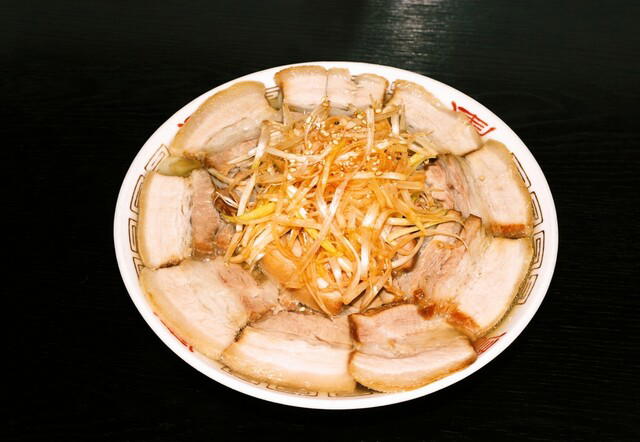
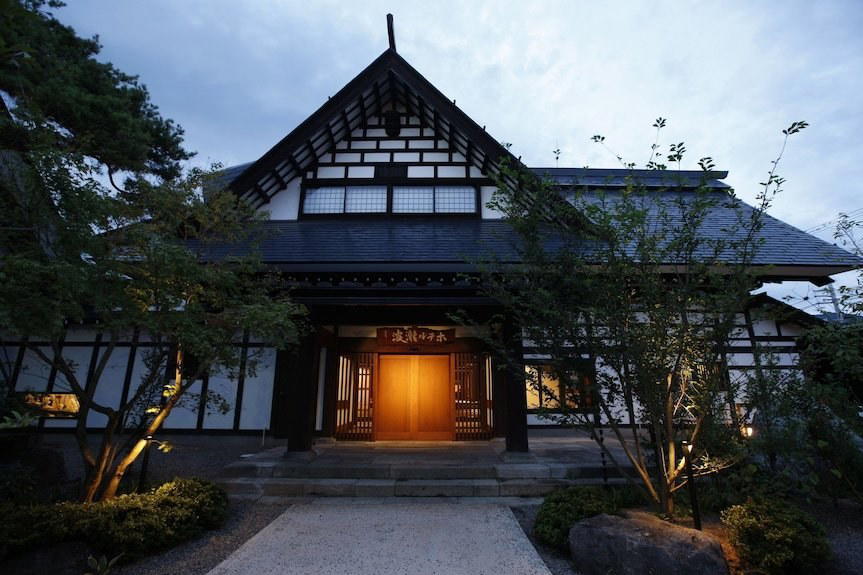
Approaching a Kitakata ramen shop in the morning is different from chasing a late-night Tokyo bowl. The rhythm is daylight, workday, family table, and local habit. Bannai Shokudo fits that older Fukushima register: a house-restaurant setting, counter and tatami seating, and a room built for turnover without losing the feel of a neighbourhood canteen. Kitakata is one of Japan’s serious ramen towns, with appeal in a regional language rather than spectacle: broad, curly noodles, lighter-looking soup culture, and pork used with purpose rather than excess.
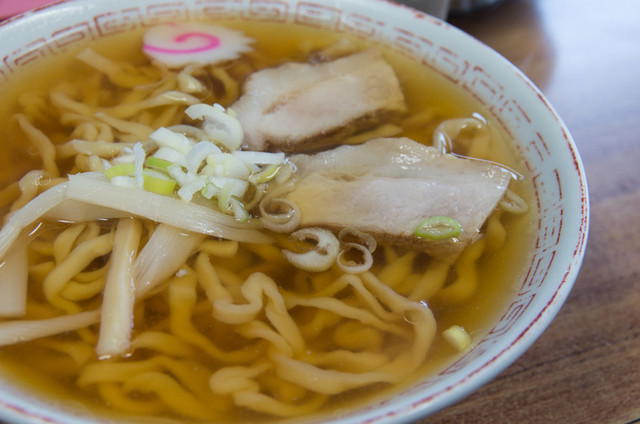
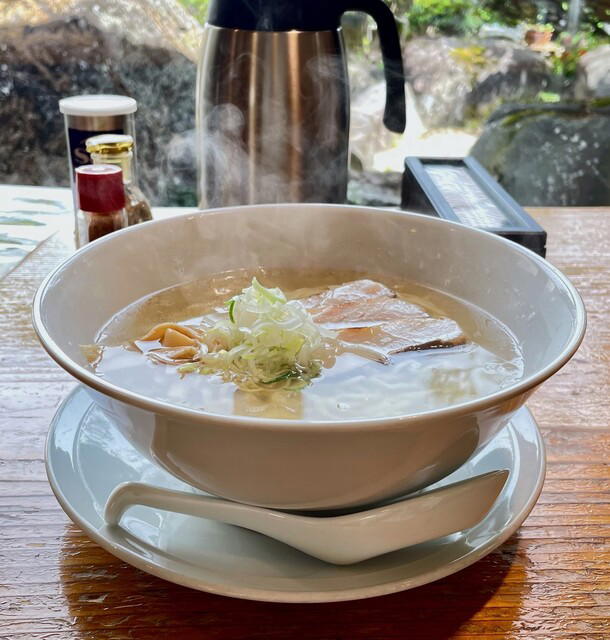
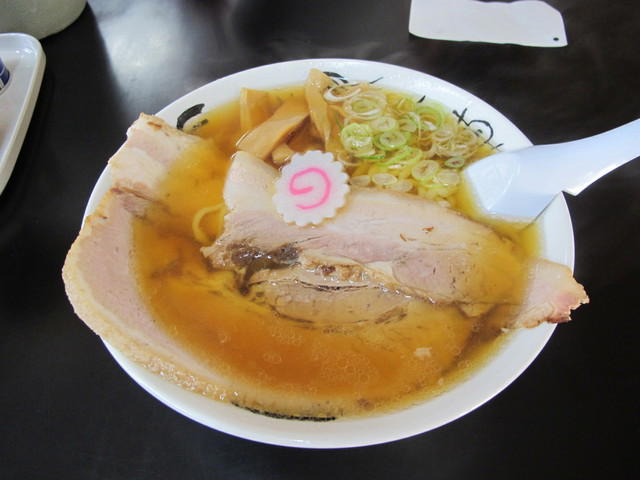
The stronger reading of this address is supply and repetition. The noodles are made by Soga Seimen in Kitakata, a meaningful detail because regional ramen depends on texture as much as broth. In a city where noodle identity is central, local production anchors the bowl to place rather than branding. The noted meat soba pushes pork forward, with chashu covering the noodles, while the soup is described as salt ramen based on pork bone broth. That explains why the bowl sits apart from heavier metropolitan tonkotsu: pork is present, but the frame is Kitakata, not Hakata.
Kitakata ramen is a local noodle culture before it is a queue culture
Japan’s ramen map is often flattened into famous city styles, but Kitakata deserves attention because it has kept a civic scale. Its ramen identity is not built around chef counters or luxury tasting formats; it is built around everyday access, morning service, and shops feeding locals, families, and travelers without turning lunch into theatre. Bannai Shokudo’s selection for Tabelog Ramen EAST “Tabelog 100” in 2025, with prior selections from 2019 through 2024, gives that local format wider recognition without changing its category. This is a ramen shop, not a fine-dining room in disguise.
That distinction matters when planning a Kitakata meal. Compared with local low-price peers such as Kura Zushi and Kiichi, the attraction is not a broader menu promise but a tighter relationship to the city’s ramen vocabulary. Out-of-metro comparisons sharpen the point: Shokudo Hasegawa sits in a modest ramen price band, while Haran Sho occupies a far higher spend category. Bannai Shokudo belongs to the accessible end, but its long operating history and Tabelog recognition put it in a more serious conversation than price alone suggests.
The ingredient story is concrete: local noodles from Kitakata, pork belly simmered in a soy-sauce preparation, and a pork-bone-based salt soup. In regional ramen, sourcing and technique are not talking points added later; they are why a bowl tastes local. Soga Seimen’s role signals that the noodles are not interchangeable, and the pork-heavy meat soba format shows how Kitakata ramen can be generous without abandoning clarity.
The case for eating here is regional specificity, not restaurant theatre
There is useful humility to this meal. A 56-seat ramen shop with counter, table, and raised-platform seating operates closer to public utility than destination dining, which is why it carries weight in Kitakata. Founded in May 1958, the restaurant has had decades to become part of the city’s daily food grammar. The Tabelog score of 3.75 and repeated Hyakumeiten selections add external validation, but the deeper signal is endurance: ramen towns do not preserve shops on nostalgia alone when the bowl fails the morning-after test.
Kitakata’s ramen culture also changes timing. The city is not built around bar-hopping energy or late dining rituals; it rewards daytime appetite and a willingness to treat ramen as breakfast or lunch rather than a fallback meal. That makes this stop useful inside a wider food itinerary. Travelers can pair the ramen run with Our full Kitakata restaurants guide, then decide whether to stay locally through Our full Kitakata hotels guide or keep the city as a focused food detour.
The room’s family-friendly positioning is not incidental. Kitakata ramen is not a hushed counter genre, and tatami seating, children-welcome status, and take-out service place the experience closer to a democratic local meal than a specialist pilgrimage. Serious ramen travelers sometimes overvalue scarcity; here, the smarter reading is continuity. A shop can be accessible, affordable, and authoritative when the regional form is this specific.
How it fits into a broader Japan food itinerary
For travelers building a Japan dining route, the restaurant corrects the capital-city bias. Tokyo and Kyoto often dominate planning, but regional bowls explain Japanese food culture in ways tasting menus cannot. A Kitakata stop says something about local milling, noodle preference, family dining, and morning appetite. Those are not secondary details; they are why ramen varies so sharply across the country.
The broader EP Club map helps separate this regional eating from other formats. For a different Japan itinerary thread, compare specialist local restaurants such as -Grilled beef Sukiyaki- KAMAKURA TANUKIAN 鎌倉 たぬき庵 in Kamakura, . 鮪と炭火焼き うお炭 秋葉原店 in Tokyo, .cafe in Osaka.know in Kumamoto, (Shoku) Vietnam in Kawasaki, [Curry Senmon Ten] Maruyama Kyoju. in Sapporo, [ki:] in Kyoto, #肉といえば松田 奈良本店 in Kashihara, and 1/3 HAMBURGER FACTORY in Kanazawa. Outside Japan, Jōdo Saké Bar in Los Angeles and Onigiri Time in Pasadena show how Japanese formats travel, but Kitakata ramen reminds you that the source culture remains intensely local.
For non-restaurant planning around the city, the adjacent guides are useful rather than ornamental: Our full Kitakata bars guide, Our full Kitakata wineries guide, and Our full Kitakata experiences guide help decide whether to build a wider stay or keep the ramen stop precise. The editorial verdict is simple: this is where to understand Kitakata ramen as a working regional tradition, with enough award recognition and historical depth to make the stop count beyond nostalgia.
- Shina Soba (Shina soba)
- Niku Soba (meat soba)
- Negi Ramen
- Negi Chashu Ramen
- Hiyashi Soba
- Hiyashi Niku Soba
Comparable Spots, Quickly
Comparable venues by cuisine and price in the same metro.
| Venue | Cuisine | Price | Notes |
|---|---|---|---|
| Bannai Shokudo | Traditional Kitakata ramen shop | $ | Hosoda, Kitakata |
| Kura Zushi | Traditional Japanese ramen & cafeteria dishes | $ | Kitakata |
| Kiichi | Kitakata ramen shop | $ | Sekishiba-cho |
| ひろめで安兵衛 | High Kochi Yatai Gyoza | $ | 帯屋町 |
| 京ゆば工房 | Kyoto Yuba Workshop | $ | Higashiyama |
| Syokudoh TANUKI (食堂たぬき) | Traditional Japanese Canteen | $ | Myoko City |
Recognition history
Dated appearances from independent guides and award organizations, with the underlying list record or original source where available.
Tabelog 100 #2 · No. 2
Tabelog · Tabelog 100 - Ramen - EAST - 2025
At a Glance
- Classic
- Cozy
- Well Known
- Solo
- Family
- Group Dining
- Casual Hangout
- After Work
- Brunch
- Standalone
- Historic Building
- Beer Program
Current opening hours
- Monday
- 7 AM–5:50 PM
- Tuesday
- 7 AM–5:50 PM
- Wednesday
- Closed
- Thursday
- Closed
- Friday
- 7 AM–5:50 PM
- Saturday
- 7 AM–5:50 PM
- Sunday
- 7 AM–5:50 PM
Hours can change for holidays and private events. Last verified .