
Tabelog 100 #52
Our verdict
Kiichi belongs to Kitakata’s serious ramen circuit, where regional noodle culture is judged less by ceremony than by repeatable craft, sourcing discipline, and local habit. Its Tabelog Ramen EAST 100 selections in 2024 and 2025, 27-seat format, and low JPY price band put it in the city’s practical, high-demand ramen tier rather than the destination tasting-menu economy.

Pearl is the En Primeur Club membership app, where members save venues, book tables and use the concierge.
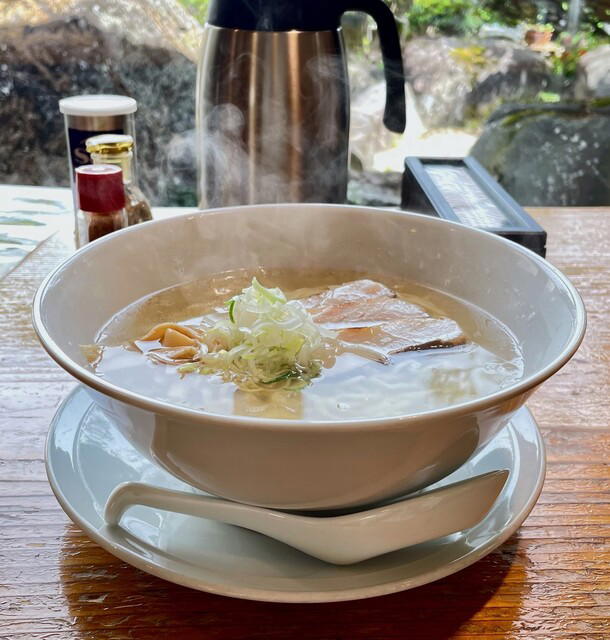
The menu
What to order
- 熟成しょうゆラーメン (aged shoyu ramen)
- 淡麗Sioラーメン (light shio ramen)
- 昭和の香り (Showa-style ramen)
- 赤魂-あかだま- (spicy ‘Red Soul’ ramen)
Approaching ramen in Kitakata means adjusting the usual timetable. This is a city known for noodles as part of the daily rhythm, not only as a late-night slurp after drinks. Kiichi fits that context: a regional ramen shop where the food has to justify attention, not the décor.
Kitakata ramen is one of Japan’s defining regional styles, and the city’s reputation gives any serious bowl a clear local frame. That matters because shops here are not competing on theatrical plating or luxury cues. They compete on clarity, consistency, and whether the bowl reads as Kitakata rather than generic ramen.
Kiichi sits inside that conversation with a Tabelog Ramen EAST 100 selection in 2025, a useful signal in a category where national recognition often lands on focused ramen counters outside major hotel corridors. The rating listed at 3.71 places it in a serious bracket for Tabelog’s ramen field, where incremental differences carry weight among regulars. This is not a chef-profile restaurant. It is a regional craft address whose value comes from how it participates in Kitakata’s noodle culture.
Kitakata ramen judged by source, structure, and restraint
The ingredient story in Kitakata is not about luxury sourcing language. It is about what the region expects from a bowl: balance, directness, and enough restraint for the local style to come through without excess. In that frame, the sourcing question becomes practical. The city’s ramen identity depends less on fine-dining vocabulary than on the everyday standards that regulars bring to the counter.
Kiichi’s public category is simply ramen, which is more useful than it sounds. Many ambitious ramen shops now divide themselves into micro-genres, chasing narrow definitions or hybrid creative menus. Kitakata’s classic appeal is more direct: a bowl should be legible, filling, and regionally grounded. The absence of a complicated cuisine label keeps attention on execution rather than concept.
The price band reinforces the same point. Lunch is listed at JPY 1,000 to JPY 1,999, while dinner is listed below JPY 999. In a city where Bannai Shokudo and Kura Zushi also sit in the accessible local dining bracket, Kiichi occupies the competitive middle ground that matters to serious ramen travellers: affordable enough for repetition, recognized enough to attract planning, and local enough that the experience still belongs to Kitakata rather than to a nationalized ramen checklist.
A focused ramen stop in a city built for ramen routines
The format is best understood through the logic of Kitakata ramen rather than through luxury-restaurant expectations. It is a ramen stop suited to focused eating, quick comparison, and the kind of direct encounter that defines the city’s noodle culture. The appeal is not a staged dining room; it is the chance to read one more local bowl against the broader Kitakata standard.
For planning, the smarter reading is category logic. Ramen of this kind is perishable in pace as much as in product: noodles, broth, and service cadence all assume a short window between order and eating. Check the venue directly for current service details before building a tight itinerary.
Recognition has not pushed the address into luxury territory. Tabelog’s 2025 Ramen EAST 100 selection places it among notable eastern Japan ramen shops, but the experience remains governed by the expectations of a ramen category rather than by a reservation-led fine-dining frame. Those details matter because they keep expectations aligned. Travellers coming from Tokyo’s highly planned counters may find Kitakata’s ramen scene more democratic, but not casual in its standards.
How to place it within a Kitakata food day
For a food-focused Kitakata itinerary, Kiichi makes sense as a ramen-specific stop rather than a broad restaurant choice. The city rewards comparison across bowls, and the useful question is not whether one shop replaces another, but what each reveals about the local style. Bannai Shokudo brings its own place in the city’s ramen map; Kura Zushi sits in the same wider local dining field. Kiichi’s appeal is its combination of recognized standing, modest pricing, and a clear focus on ramen.
The location in Kitakata keeps it within the city’s practical ramen circuit. That matters for food itineraries that combine local dining with broader travel around the area. For wider planning, use our full Kitakata restaurants guide alongside our full Kitakata hotels guide, our full Kitakata bars guide, our full Kitakata wineries guide, and our full Kitakata experiences guide.
Japan’s broader casual dining map is wide, with many regional formats and everyday dining rooms across the country. Kitakata’s distinction is different: it remains a city where ramen is civic routine, not imported style.
Frequently asked questions
Can I bring kids to Kiichi?
Kiichi is a ramen shop in Kitakata. Check the venue's official channels for current family and seating details.
What kind of setting is Kiichi?
Kiichi is listed in the ramen category in Kitakata, and it was selected for Tabelog Ramen EAST 2025. Check the venue's official channels for the latest details.
What price level is Kiichi?
Pricing at Kiichi is listed as dinner below JPY 999 and lunch at JPY 1,000 to JPY 1,999.
What are Kiichi's hours?
Check Kiichi's official channels for current hours before visiting.
Comparable Spots, Quickly
Comparable venues by cuisine and price in the same metro.
| Venue | Cuisine | Price | Awards | Notes |
|---|---|---|---|---|
| KiichiThis venue (the venue you are viewing) | Kitakata ramen shop | $1–10 | Tabelog 100 #52 | Not listed |
| Kura Zushi | Traditional Japanese ramen & cafeteria dishes | $1–10 | Tabelog 100 #96 | Kitakata |
| Bannai Shokudo | Traditional Kitakata ramen shop | $10–20 | Tabelog 100 #2 | Hosoda, Kitakata |
| Sukesama (ぎょうざ処 亮昌) | Kyoto Gyoza Specialist | $10–20 | Not listed | Gion |
| Umemura | Japanese Soul Food | Not listed | Tabelog 100 #44 | Koto |
| Urashima Ramen | Traditional Wakayama Ramen Shop | $1–10 | Tabelog 100 #75 | Uchita |
Recognition history
Dated appearances from independent guides and award organizations, with the underlying list record or original source where available.
Tabelog 100 #52 · No. 52
Tabelog · Tabelog 100 - Ramen - EAST - 2025
Continue exploring
More in Kitakata
Restaurants in Kitakata
All restaurants in Kitakata →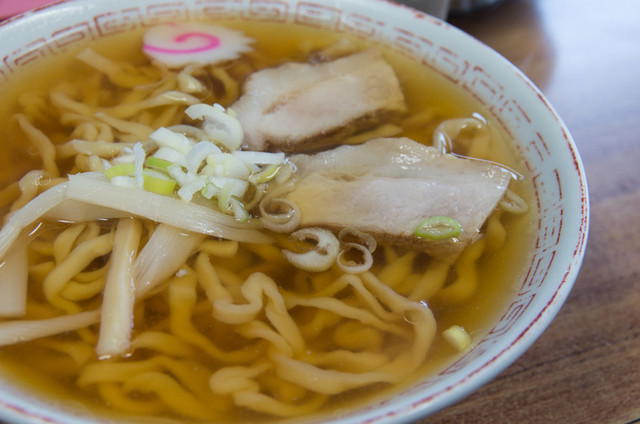
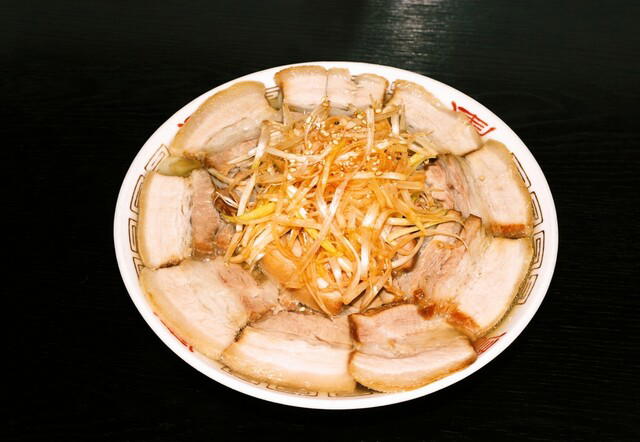
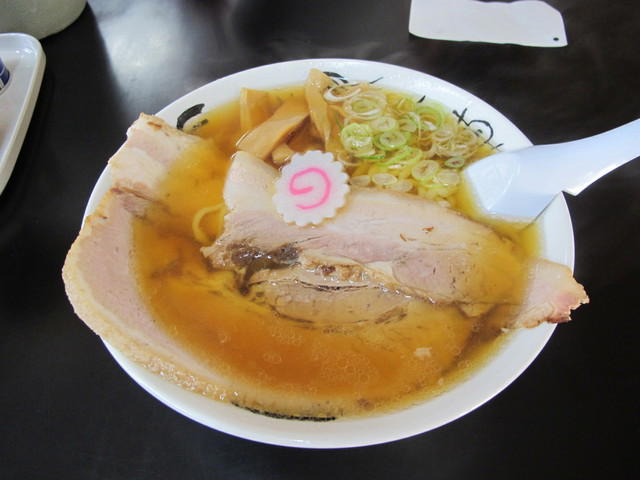
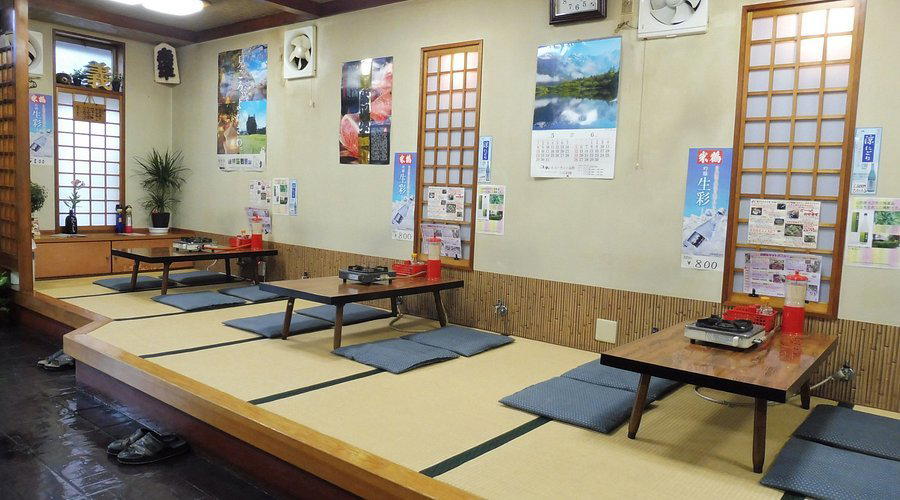
Hotels in Kitakata
Browse all →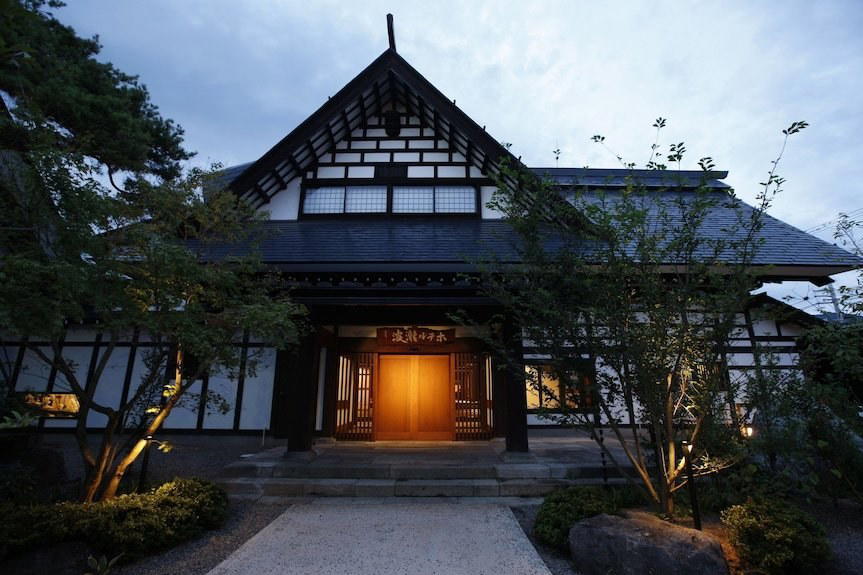
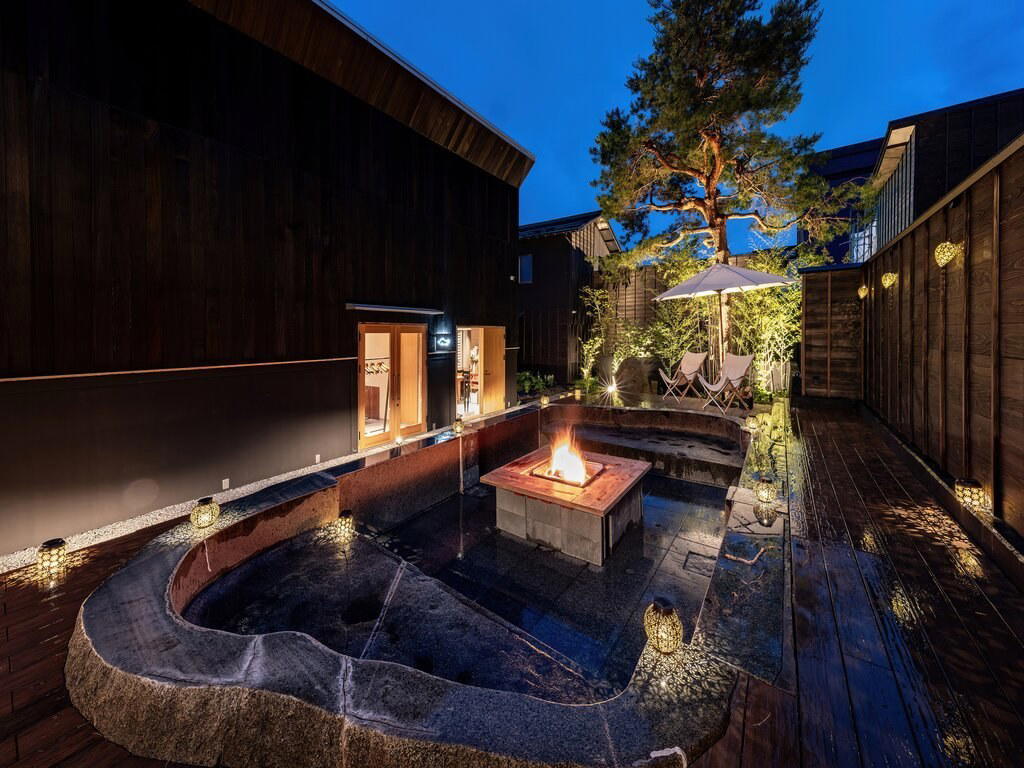
Details
- Cozy
- Classic
- Solo
- Casual Hangout
- Family
- Group Dining
- Standalone
- A La Carte
- Counter Dining
Current opening hours
- Monday
- 9 AM–2 PM
- Tuesday
- 9 AM–2 PM
- Wednesday
- 9 AM–2 PM
- Thursday
- 9 AM–2 PM
- Friday
- 9 AM–2 PM
- Saturday
- Closed
- Sunday
- Closed
Hours can change for holidays and private events. Hours as of .
The shop has a simple, bright interior with bleached wood counters and tables, a clean, minimalist feel, and the bustling atmosphere of a busy local ramen-ya popular from morning hours.