
Kitakata’s everyday dining culture is built around ramen, cafeteria cooking, and low-cost daytime meals rather than formal tasting rooms. Kura Zushi sits in that tradition with Tabelog 100 Diner recognition in 2026, a sub-¥1,000 spend range, 26 seats, and a format that reads as a local shokudo rather than a destination restaurant built for ceremony.
Pearl is the En Primeur Club membership app — saves, bookings, and concierge access live there. Same editors, same standards.
- Address
- 福島県喜多方市字永久7693-3
- Phone
- +81241226294
- Website
- gurutto-aizu.com
 Saves & bookings on Pearl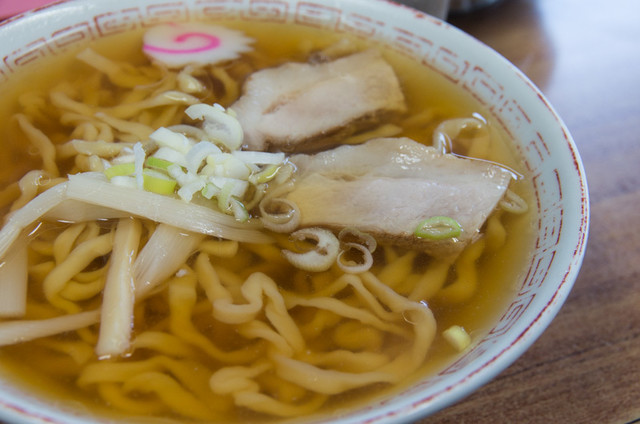
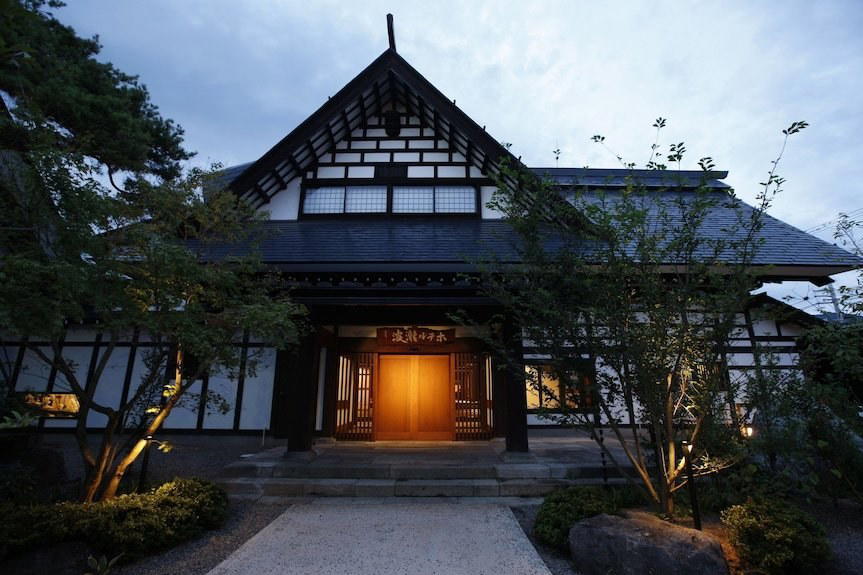
Approaching a house-style shokudo in Kitakata is a different proposition from entering a polished urban ramen counter. The cues are domestic, practical, and local: a compact room, table seating downstairs, tatami seating above, and a rhythm shaped by daytime eating rather than late-night theatre. In Aizu, this kind of restaurant matters because the line between ramen shop, family cafeteria, and neighbourhood dining room has always been porous. Kura Zushi belongs to that category: cafeteria, ramen, and oyako-don share the same frame, which says more about Kitakata’s food culture than a single-dish specialist ever could.
Kitakata is one of Japan’s serious ramen towns, but its appeal is not built on luxury codes. The city’s ramen identity comes from accessibility, repetition, and local habit: bowls eaten early, prices kept low, and shops woven into ordinary errands. The 2026 Tabelog 100 Diner selection places this address inside a national conversation about shokudo cooking, while earlier Tabelog Ramen EAST 100 selections in 2020 and 2021 show how its reputation has also crossed into ramen-specific scrutiny. That dual recognition is useful for travellers because it signals a room that is not simply riding the city’s ramen fame; it sits at the intersection of Kitakata’s noodle culture and the broader Japanese cafeteria tradition.
Kitakata ramen culture, seen through the shokudo lens
Ramen towns can become distorted in travel writing, reduced to a single bowl and a queue. Kitakata resists that simplification. Its ramen scene is tied to breakfast and lunch habits, small rooms, and multigenerational businesses rather than the chef-counter performance common in larger cities. A shokudo format changes the expectation: the meal is less about a fixed tasting sequence and more about a short menu of reliable staples, served in a setting designed for regulars, families, and friends.
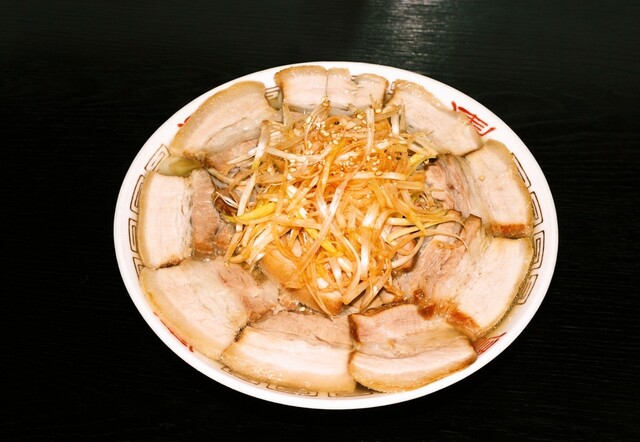
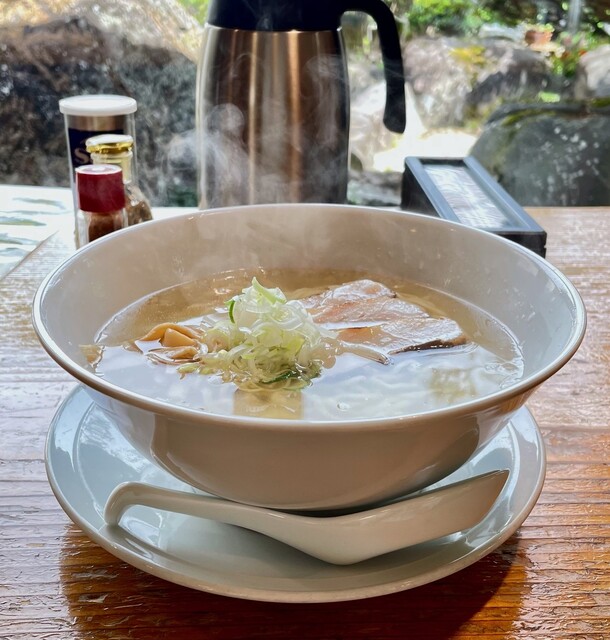
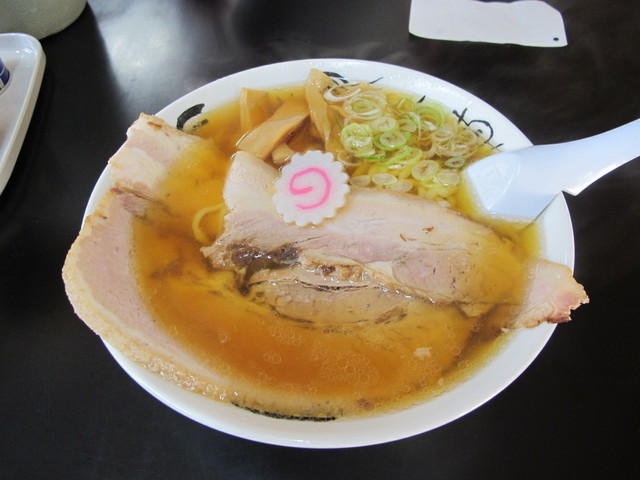
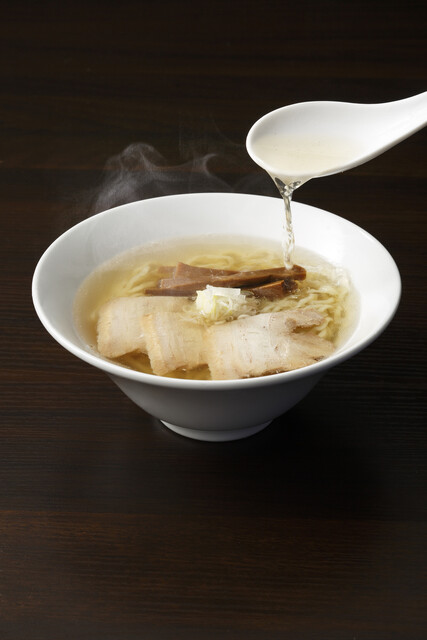
That context explains why the category mix matters. Cafeteria, ramen, and oyako-don point to a place where noodles are central but not isolated from everyday Japanese cooking. The noodles are listed as made by Hasunuma Noodles Ltd., a detail that anchors the bowl in the supply networks behind Kitakata’s ramen identity. In a city where noodle texture is part of the regional signature, that kind of production detail carries more weight than decorative menu language.
The comparison inside Kitakata is instructive. Bannai Shokudo operates in the same sub-¥1,000 price band, which keeps the city’s ramen reputation grounded in democratic pricing. Kiichi reaches into a slightly higher listed range, but remains close enough to show how narrow the local spend band can be for serious casual dining. For a wider read on how these rooms relate across the city, our full Kitakata restaurants guide is the better planning frame than treating one address as the whole story.
A low-cost award address with old-fashioned constraints
The useful tension here is between recognition and modesty. A Tabelog score of 3.70 and selection for Tabelog 100 Diner 2026 create a clear trust signal, yet the format remains small and plain: 26 seats, no private rooms, no private use, and a no-smoking room. The spending range sits at - JPY 999 for both lunch and dinner listings, which puts the experience closer to daily local eating than to Japan’s reservation-driven destination dining. That price point is not a minor footnote; it is the editorial point.
Founded on November 15, 1972, the restaurant also belongs to a generation of local places whose authority comes from endurance rather than expansion. In regional Japan, long operation often matters more than polish. It means the room has survived changes in travel patterns, internet rankings, and the national ramen boom without needing to become an exportable concept. The award history, including Tabelog Diner 100 selections in 2024 and 2026, gives outside validation to a form of dining that can be easy for visitors to underestimate.
There are practical constraints embedded in that old-school character. Reservations are unavailable for dining, while delivery orders are the exception. Payment is not credit-card based; electronic money is accepted, and QR code payments are not. For travellers used to metropolitan Japan’s increasingly cashless restaurants, that detail is worth absorbing before the meal, not after. The room also has five parking spaces and sits within walking reach of Kitakata Station, making it viable without turning the meal into a full-day excursion.
Where it fits in a Kitakata itinerary
This is not the address for a long, wine-led lunch or a chef’s counter narrative. Its value is sharper: a compact reading of Kitakata’s shokudo culture, backed by national diner recognition and priced at the level of an everyday meal. Pairing it with another ramen room on the same trip can be more revealing than chasing a single definitive bowl. The city’s strength lies in comparison: broth styles, noodle handling, room formats, and the difference between pure ramen shops and broader cafeterias.
Travellers building a fuller Kitakata stay should treat dining as one part of the city rather than the only reason to come. Our full Kitakata hotels guide helps with overnight logistics, while our full Kitakata bars guide, our full Kitakata wineries guide, and our full Kitakata experiences guide widen the itinerary beyond the bowl. For readers comparing casual Japanese formats across regions, the contrast with -Grilled beef Sukiyaki- KAMAKURA TANUKIAN 鎌倉 たぬき庵 in Kamakura, . 鮪と炭火焼き うお炭 秋葉原店 in Tokyo,.cafe in Osaka,.know in Kumamoto, (Shoku) Vietnam in Kawasaki, [Curry Senmon Ten] Maruyama Kyoju. in Sapporo, [ki:] in Kyoto, #肉といえば松田 奈良本店 in Kashihara, 1/3 HAMBURGER FACTORY in Kanazawa, Jōdo Saké Bar in Los Angeles, and Onigiri Time in Pasadena shows how flexible Japanese casual dining becomes once it leaves the narrow ramen frame.
The critical read is simple: Kura Zushi is strongest when understood as part of Kitakata’s everyday food system, not as a luxury detour. The awards give permission to take it seriously; the price, seating, and shokudo format explain why the experience remains rooted in local habit.
Pricing, Compared
Nearby venues at a similar price tier for orientation.
| Venue | Cuisine | Price | Awards | Notes |
|---|---|---|---|---|
| Kura ZushiThis venue — the venue you are viewing | $ | , | ||
| Kiichi | Sekishiba-cho, Kitakata ramen shop | $ | , | |
| Bannai Shokudo | $ | , | Hosoda, Kitakata, Traditional Kitakata ramen shop | |
| レストハウス寺子屋 | 山ノ内町, Japanese Mountain Comfort Food | $ | , | |
| Kitchen Nankai (キッチン南海) | Jimbocho, Classic Yoshoku Katsu Curry | $ | , | |
| Okonomiyaki Chotto Yonnai | Tomo, Hiroshima-Style Okonomiyaki | $ | , |
At a Glance
- Classic
- Cozy
- Hidden Gem
- Solo
- Family
- Casual Hangout
- Group Dining
- Standalone
Simple and utilitarian with the feel of a traditional Japanese cafeteria: bright but not harsh lighting, compact counter and table seating, and a relaxed, everyday atmosphere frequented by locals rather than tourists.