SHMONÉ


Eyal Shani's West Village counter runs a daily-rotating menu rooted in neo-Levantine tradition, ranked #118 on Opinionated About Dining's Casual North America list for 2025. The kitchen leans hard on the grill and on produce sourced with enough discipline to make a new menu plausible every single day. Counter seating facing the open kitchen is the seat to request.
Pearl is the En Primeur Club membership app — saves, bookings, and concierge access live there. Same editors, same standards.
- Address
- 61 W 8th St, New York, NY 10011
- Phone
- (646) 438-9815
- Website
- shmonenyc.com
- Directions
- Get directions
 Saves & bookings on Pearl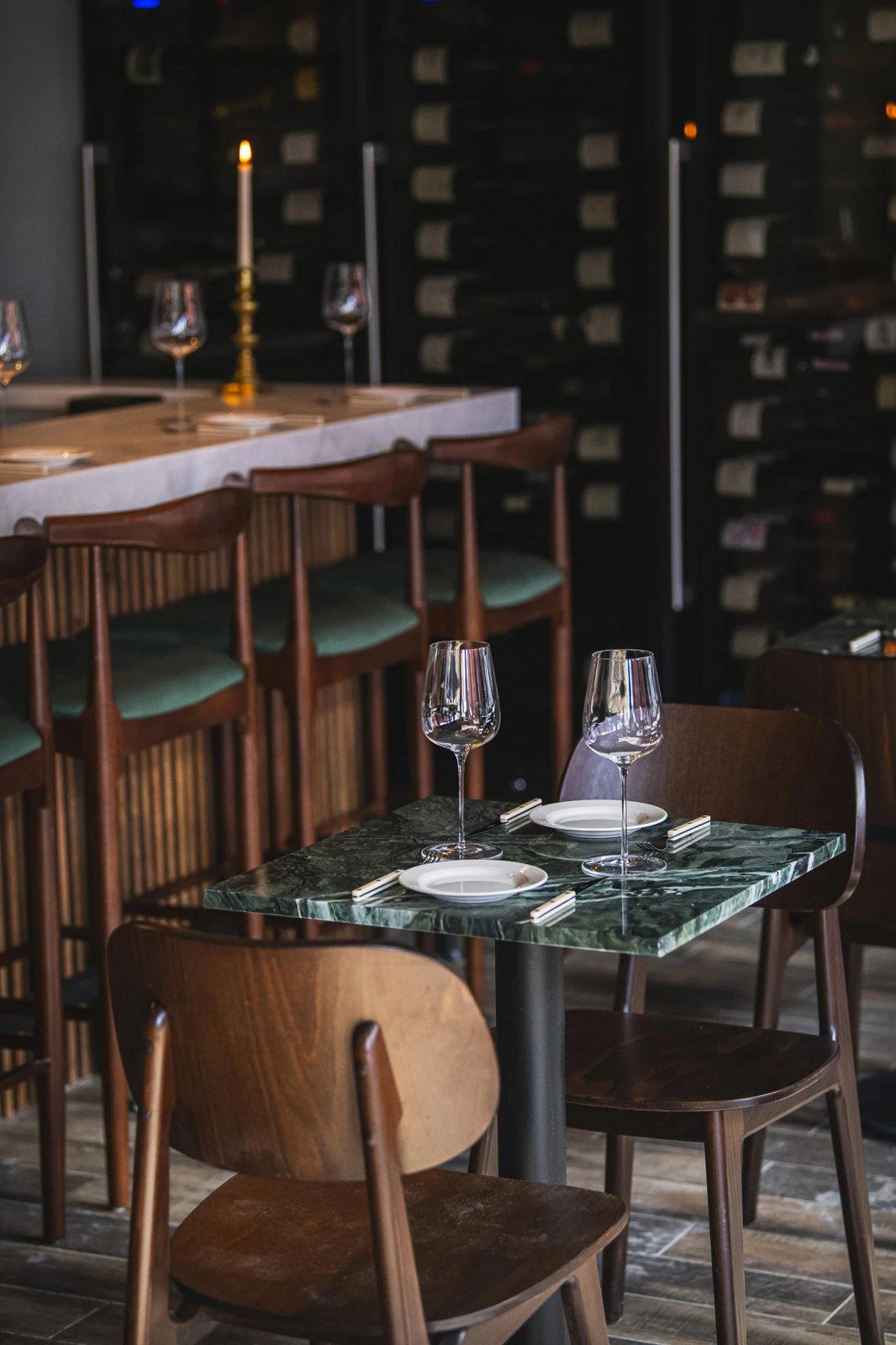
Where the Levantine Table Meets the Daily Market
The mezze tradition has always been less about individual dishes and more about the logic of the spread: what came in that morning, what the grill can do with it, and how a table of small plates accumulates into something greater than the sum of its parts. New York's Israeli restaurant scene has moved steadily in this direction over the past decade, with a cohort of kitchens, from the long-standing neighborhood anchor 12 Chairs to the more sharply edited Balaboosta and the street-food-forward Miznon NYC, each staking out a different point on the spectrum between comfort and craft. SHMONÉ, on West 8th Street in Greenwich Village, is a one-star restaurant serving Modern Israeli neo-Levantine cooking.
The kitchen operates under chef Eyal Shani, whose culinary lineage runs through Tel Aviv's produce-obsessed restaurant culture. That background matters here in a specific, practical sense: the menu at SHMONÉ changes daily, built around what the kitchen receives rather than what a fixed list demands. Some items persist across weeks when the sourcing holds; others disappear entirely. It is a structural commitment that changes the economics and logistics of running a restaurant at this level of ambition, and it places SHMONÉ in a narrow comparable set of New York kitchens willing to absorb that operational complexity.
The Art of the Opening Course
In the Levantine tradition, the opening courses do the heaviest editorial work. A dip, a flatbread, a plate of vegetables, these early arrivals establish the kitchen's point of view before anything more elaborate arrives. At SHMONÉ, the Jerusalem bagel has become one of the more discussed items in the restaurant's short history: served piping hot, with olive oil and a scattering of seeds, it arrives in a city that takes its bread seriously and holds up to that scrutiny. The bagel here is not trying to compete with the boiled-and-baked New York standard; it is a different object entirely, sesame-crusted and ring-shaped in the Levantine style, and it functions as an entry point into the kitchen's broader logic.
Vegetable cookery at this level of Israeli cuisine tends to foreground what the ingredient actually tastes like rather than what technique can impose on it. A dish of alternating green and white asparagus, cited in the Opinionated About Dining record, is described as artful, and that framing is telling: the kitchen is making compositional decisions, not just plating decisions. This is the register that distinguishes serious Levantine cooking from more formulaic Israeli dining. For a broader read on that scene, Nur NYC and Miss Ada each represent distinct approaches to modern Middle Eastern cooking in New York worth considering alongside SHMONÉ.
From the Grill to the Counter
The kitchen's reliance on the grill is a defining characteristic rather than a stylistic accent. Grilled protein and vegetables carry smoke, char, and a particular texture that cold preparation cannot replicate, and the Israeli kitchen has a long tradition of treating open-fire cooking as a primary technique rather than a finishing step. The bone-in beef short rib, another item noted in the OAD record, arrives tender and carrying the kind of flavor concentration that comes from proper resting and sourcing rather than from sauce work. It is the sort of dish that reads simply on a menu and delivers more than that simplicity suggests.
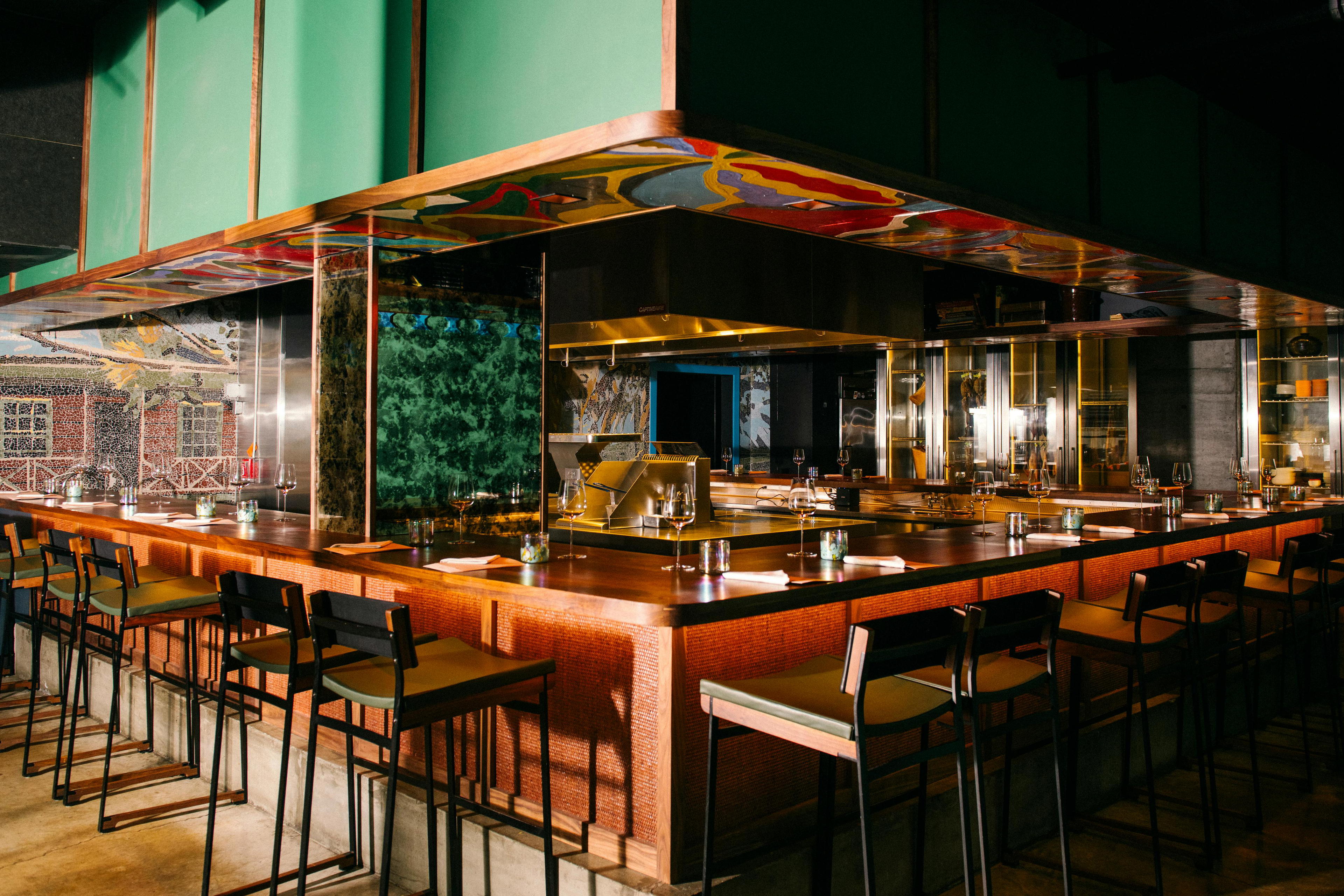
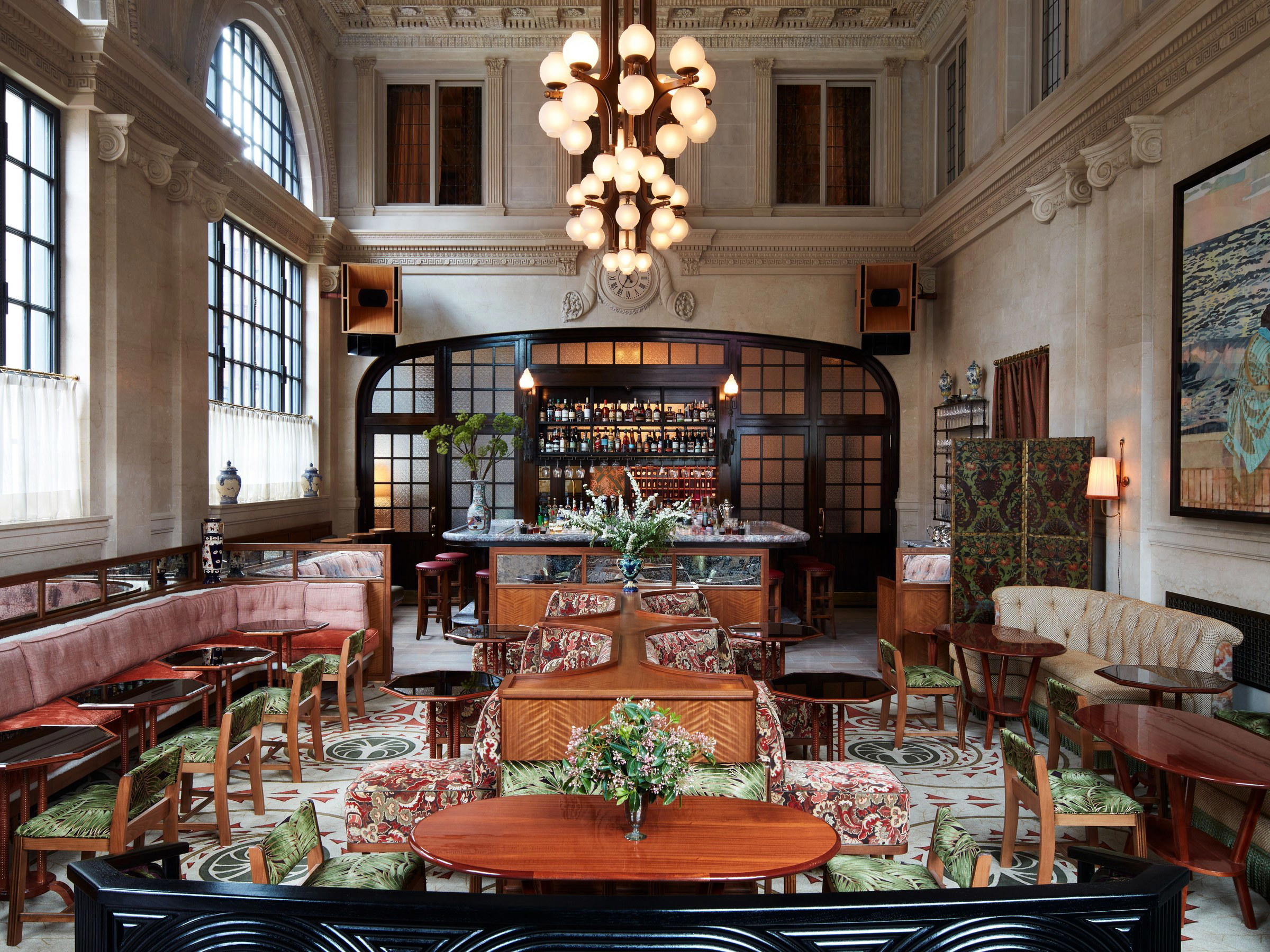
The counter seats, which face both the bar and the open kitchen, are one informative place to sit. Watching a kitchen that rebuilds its menu daily involves watching a staff that must make real decisions in real time, and that energy is visible from the counter in a way it is not from a banquette. The interior has a celebratory quality without being loud about it, a distinction that matters at a dinner price point where the room needs to support the food rather than compete with it.
Where SHMONÉ Sits in the New York Rankings
SHMONÉ earned one Michelin star and has 4.2 stars on Google across 543 reviews. That kind of jump in a single year reflects a kitchen finding its rhythm rather than a restaurant benefiting from novelty buzz. OAD's casual category covers a wide range of price points and formats across the continent, and a top-150 position places SHMONÉ in a tier that includes particularly consistently cited neighborhood restaurants in North America.
For context on what premium dining in New York looks like at the other end of the price and formality spectrum, Alinea in Chicago, The French Laundry in Napa, and Lazy Bear in San Francisco represent the tasting-menu tier that SHMONÉ explicitly does not occupy. Closer to SHMONÉ's own register, Emeril's in New Orleans and Providence in Los Angeles offer reference points for how regionally rooted cuisine earns sustained critical recognition. The Israeli cooking tradition is also developing a serious footprint in other American cities: Ash'Kara in Denver and, internationally, Berta in Berlin show how the cuisine travels and adapts. Single Thread Farm in Healdsburg is another point of comparison for daily-market-driven menus built around producer relationships, even if the culinary tradition is entirely different.
Planning Your Visit
SHMONÉ is open Monday through Saturday, 5:30 PM to 10 PM; the restaurant is closed on Sundays. The address is 61 West 8th Street, Greenwich Village. Reservations: Given the daily-changing menu and the counter's limited visibility, booking ahead is advisable, particularly for Thursday through Saturday evenings. Dress: The dress code is smart casual. Budget: Expect roughly $100 per person. Seating: Counter seats facing the open kitchen offer one direct engagement with the kitchen's daily output and are worth requesting at the time of booking.
At-a-Glance Comparison
Comparable venues nearby, for context on price, style, and recognition.
| Venue | Cuisine | Price | Awards | Notes |
|---|---|---|---|---|
| SHMONÉThis venue — the venue you are viewing | Modern Israeli neo-Levantine | $$$$ | Michelin 1 Star | Not listed |
| Shota Omakase | Omakase | $$$$ | Michelin 1 Star | Williamsburg |
| Icca | Edomae Omakase | $$$$ | Michelin 1 Star | Tribeca-Civic Center |
| Huso | Caviar-Focused Fine Dining | $$$$ | Michelin 1 Star | Tribeca-Civic Center |
| Family Meal at Blue Hill | Farm-to-Table Family Style | $$$$ | Michelin 1 Star | Greenwich Village |
| Sushi Amane | Edomae-Style Omakase | $$$$ | Michelin 1 Star | East Midtown-Turtle Bay |
Recognition history
Dated appearances from independent guides and award organizations, with the underlying list record or original source where available.
Opinionated About Dining Casual in North America Highly Recommended
Opinionated About Dining
Michelin 1 Star
Michelin
Opinionated About Dining Casual in North America Ranked #118
Opinionated About Dining
Opinionated About Dining Casual in North America Ranked #724
Opinionated About Dining
Continue exploring
More in New York City
More from Chef Eyal Shani
Browse all →
Restaurants in New York City
Browse all →
Bars in New York City
Browse all →
Hotels in New York City
Browse all →






At a Glance
- Cozy
- Trendy
- Lively
- Intimate
- Energetic
- Date Night
- Special Occasion
- Group Dining
- Open Kitchen
- Craft Cocktails
- Extensive Wine List
Current opening hours
- Monday
- 5:30–10 PM
- Tuesday
- 5:30–10 PM
- Wednesday
- 5:30–10 PM
- Thursday
- 5:30–10 PM
- Friday
- 5:30–10 PM
- Saturday
- 5:30–10 PM
- Sunday
- Closed
Hours can change for holidays and private events. Last verified .
Cozy, buzzy, and celebratory with soft lighting, lively music, and an energetic open kitchen atmosphere.