Miss Ada


A Michelin Bib Gourmand recipient in Fort Greene, Brooklyn, Miss Ada has built a loyal following around Israeli-inflected sharing plates, whipped ricotta, lamb shawarma hummus, kofta skewers, at a $$ price point that sits well below Manhattan's Middle Eastern fine-dining tier. Reservations fill quickly; the bar accepts walk-ins. Opinionated About Dining named it a Casual standout in North America for 2025.
Pearl is the En Primeur Club membership app — saves, bookings, and concierge access live there. Same editors, same standards.
- Address
- 184 Dekalb Ave, Brooklyn, NY 11205
- Phone
- +1 917-909-1023
- Website
- missadanyc.com
- Directions
- Get directions
 Saves & bookings on Pearl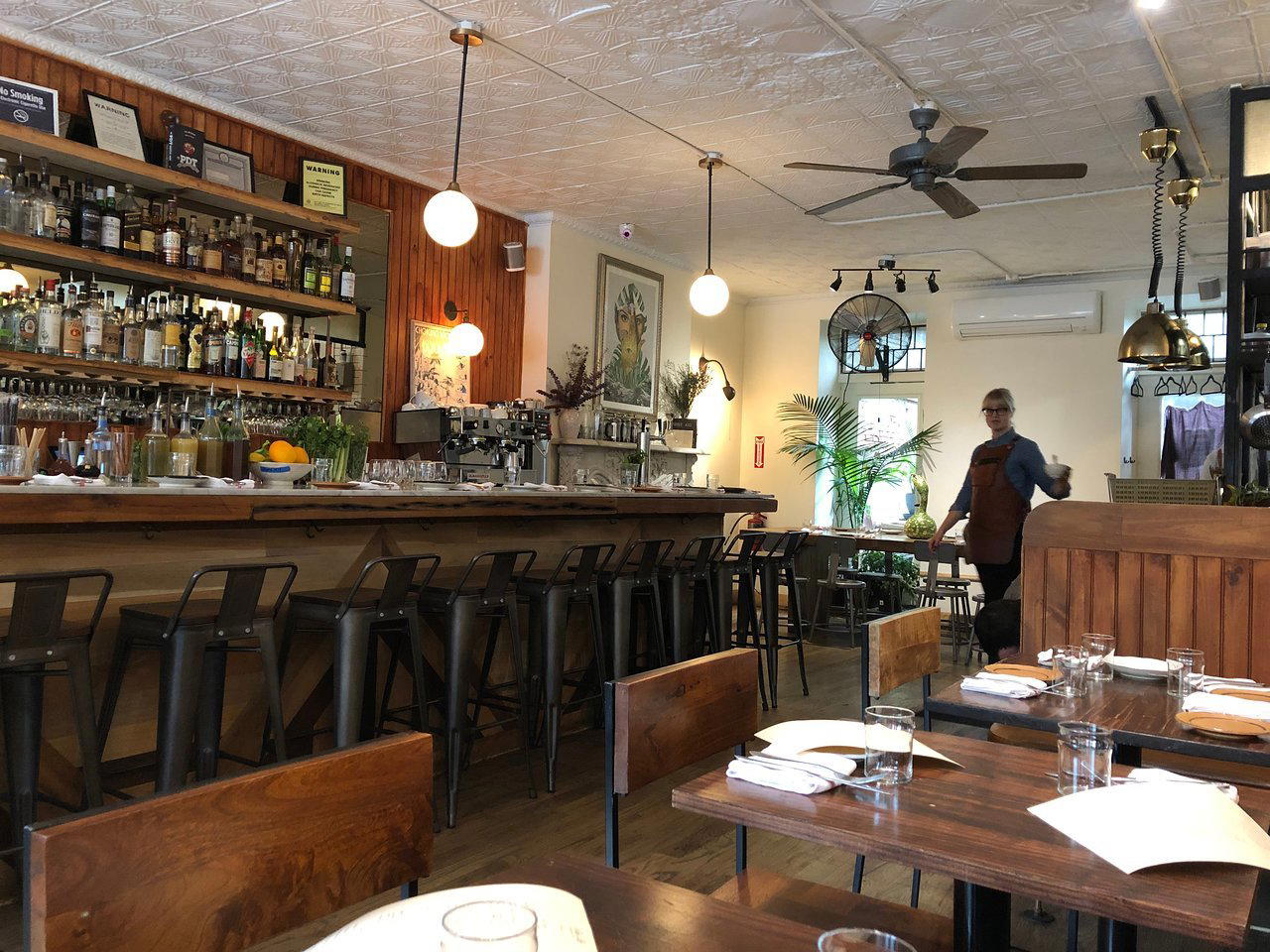
Fort Greene and the Rise of Casual Israeli Dining in New York
New York's Israeli restaurant scene has matured well beyond the falafel-and-pita shorthand that once defined it. Over the past decade, a cohort of independently owned rooms has pushed the cuisine into genuinely considered territory, not by imitating the tasting-menu format dominant at venues like Nur NYC or the ambitious cross-cultural wiring at SHMONÉ, but by doubling down on the convivial, sharing-centred register that makes the cuisine compelling in the first place. Miss Ada, operating out of a Fort Greene address on DeKalb Avenue in Brooklyn, sits squarely in that tradition. It earned a Michelin Bib Gourmand in 2024 and an Opinionated About Dining Casual North America listing in 2025, both signals that point to the same thing: serious cooking at an accessible price point, in a room that doesn't take itself too seriously.
Fort Greene is a useful neighbourhood for this kind of restaurant. Its dining character trends toward neighbourhood institutions rather than destination showcases, with a mix of long-running independents and newer arrivals that prioritise repeat business over first-impression spectacle. Miss Ada fits that ecology well. The dining room is cosy rather than cavernous, and the backyard patio and garden operate as an extension of the main space.
The Menu as a Lens on Israeli Sharing Culture
Israeli cooking at the sharing-plate level is a discipline in seasoning and balance. The format depends on enough textural and flavour contrast across the table that each dish justifies its own arrival without competing for dominance. At Miss Ada, Chef Blake Edmunds works within that discipline across dips, salads, and charred skewers, with the full spread reflecting the broader Levantine and Mediterranean influences that characterise modern Israeli restaurant cooking in cities like New York, Tel Aviv, and, further afield, Berlin, where Berta is making a comparable argument for the cuisine's depth.
The hummus topped with lamb shawarma anchors the menu at the dip tier, a combination that collapses the line between starter and small main. Whipped ricotta with brown butter, sage, and honey operates in a different register: richer and more European in its references, but calibrated to work alongside the more assertively spiced dishes around it. The skewer programme, kofta with pine nut, short rib with cabbage, halloumi with green tahini, covers the range from ground meat to cheese without repetition. Market salads complete the spread as palate-cleansing counterweights. The entire menu is built for the table to share, and it functions poorly as a solo exercise.
Compared to peers like 12 Chairs and Balaboosta, the restaurant occupies a similar casual-but-considered tier, while Miznon NYC sits further toward the counter-service end of the spectrum. The Bib Gourmand designation is the clearest calibration tool here: it marks the kitchen as producing food that exceeds expectations relative to price, which at $$ means the per-head spend sits well below the $$$$ tier occupied by Manhattan institutions like Alinea, The French Laundry, or Lazy Bear. The comparison is not about cuisine but about what award designations communicate across price tiers: the restaurant earns its recognition in a category where the margin for error is tighter because the kitchen cannot rely on premium ingredients to carry the cooking.
The Drinks Program in Context
The editorial angle that deserves attention at a room like Miss Ada is how the drinks program interacts with the food format. What matters is how the drinks program interacts with the food format. Israeli and Levantine sharing menus generate a specific challenge for wine pairing: the table accumulates contrasting flavours simultaneously, so a list needs bottles that can accommodate range rather than track a single tasting progression. Orange wines, light-bodied reds with moderate tannin, and crisp whites from the eastern Mediterranean work well in this context, and Israeli producers from the Galilee and Golan Heights have become more visible on lists like this as import pipelines have strengthened. Restaurants exploring similar Israeli-inflected territory in other cities, from Ash'Kara in Denver to the broader Israeli wave documented in our full New York City restaurants guide, tend to approach the drinks list as a complement to the sharing format rather than an independent showcase. The restaurant's $$ positioning signals a list built for accessibility and pairing utility rather than collector depth.
Practical Considerations for Visiting Miss Ada
The logistics at the restaurant follow a familiar Brooklyn neighbourhood-restaurant pattern. Reservations are recommended, and tables book out well in advance. Walk-ins are accommodated at the bar, which functions as a genuine fallback rather than a consolation: bar seating at a sharing-plate restaurant where plates arrive across the table works less naturally than at a counter-service venue, but it remains a viable entry point for flexible visitors. The backyard patio and garden extend the room seasonally, adding capacity and a different atmospheric register to the main dining room.
The restaurant is at 184 DeKalb Ave in Fort Greene, Brooklyn.
Booking and Cost Snapshot
Comparable venues nearby, for context on price, style, and recognition.
| Venue | Cuisine | Price | Awards | Notes |
|---|---|---|---|---|
| Miss AdaThis venue — the venue you are viewing | Israeli | $$ | Bib Gourmand | Not listed |
| King | Not listed | $$ | Michelin Plate | SoHo-Little Italy-Hudson Square, Italian-French Seasonal Bistro |
| Chavela’s | Not listed | $$ | Bib Gourmand | Crown Heights (North), Classic Mexican Taqueria |
| Sagara | Not listed | $$ | Bib Gourmand | Tompkinsville-Stapleton-Clifton-Fox Hills, Sri Lankan |
| Ivan Ramen | Lower East Side, Dining | Not listed | Michelin Plate | Not listed |
| Gordo's Cantina | Not listed | $$ | Bib Gourmand | Bushwick (West), Authentic Mexican Cantina |
Recognition history
Dated appearances from independent guides and award organizations, with the underlying list record or original source where available.
Opinionated About Dining Casual in North America Recommended
Opinionated About Dining
Michelin Bib Gourmand
Michelin
Opinionated About Dining Casual in North America
Opinionated About Dining
Michelin Bib Gourmand
Michelin
Continue exploring
More in New York City
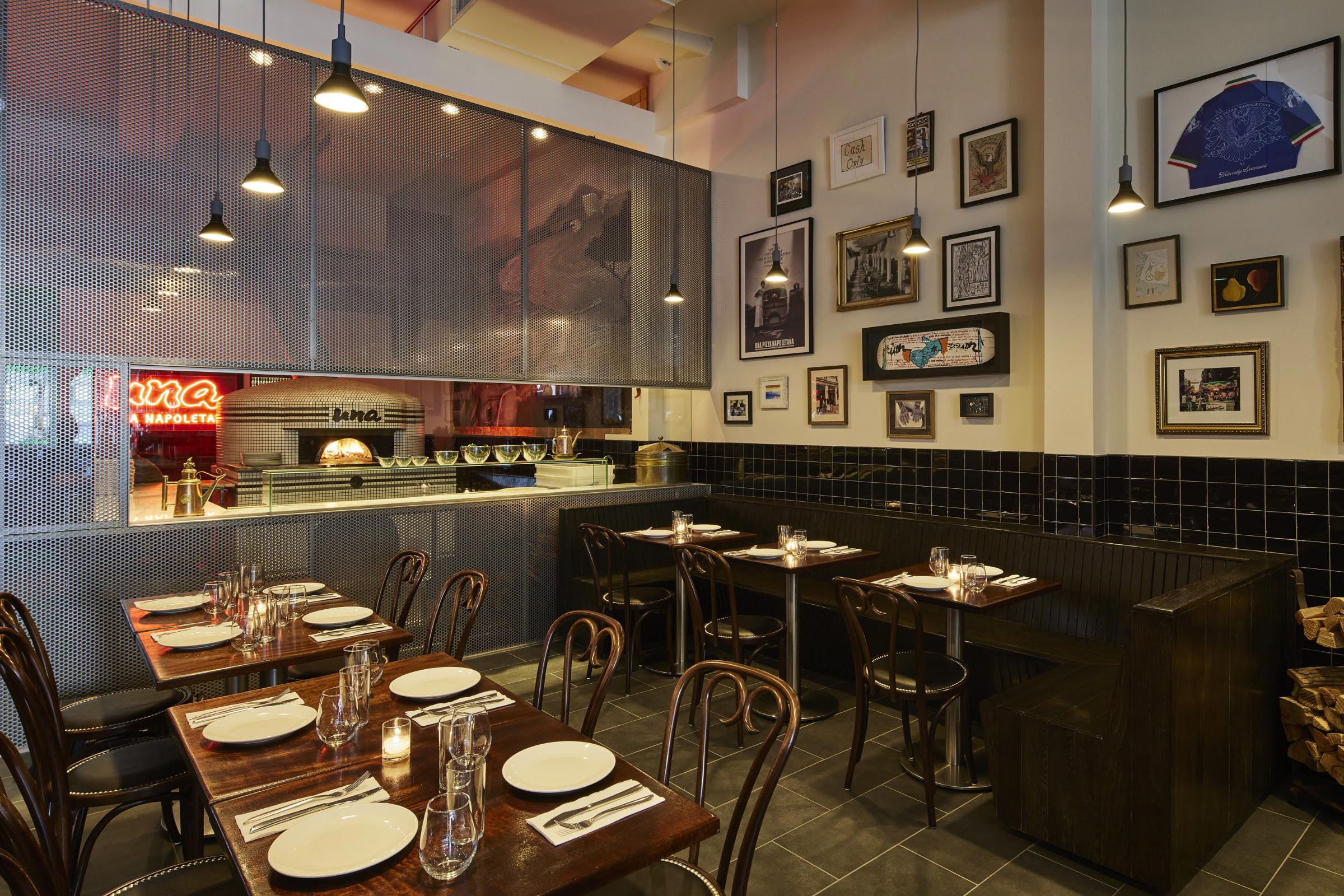
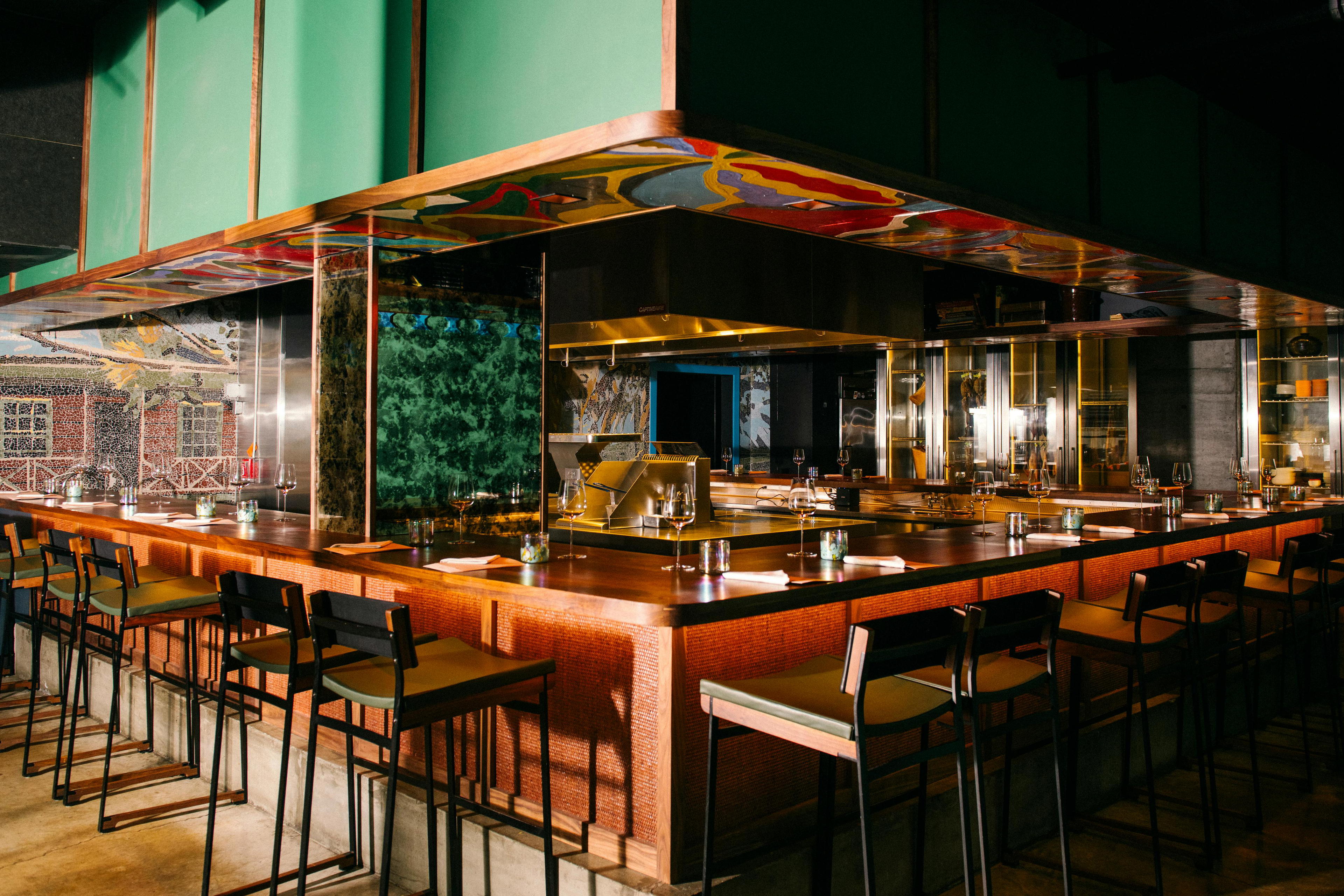
Restaurants in New York City
Browse all →
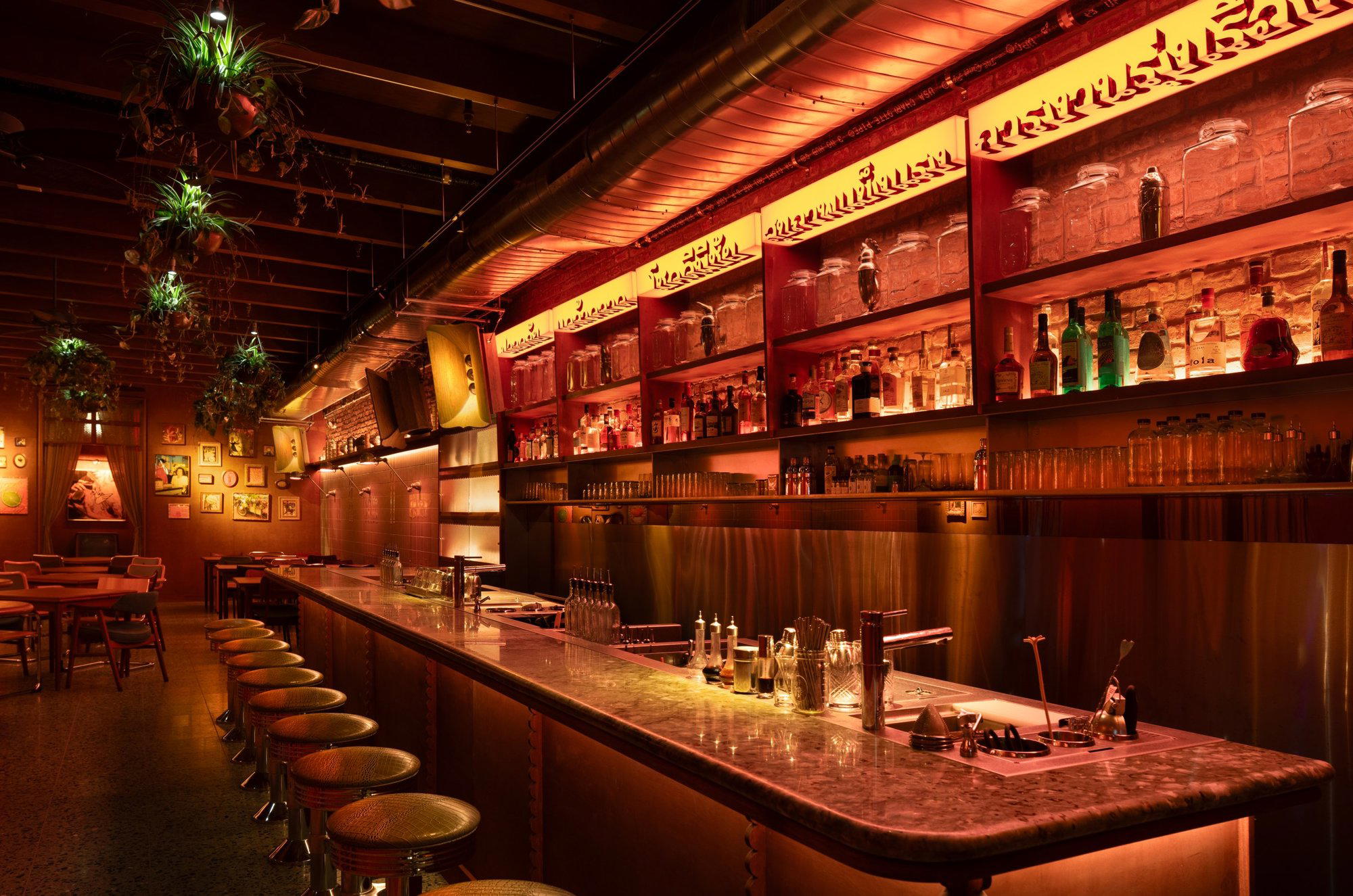
Bars in New York City
Browse all →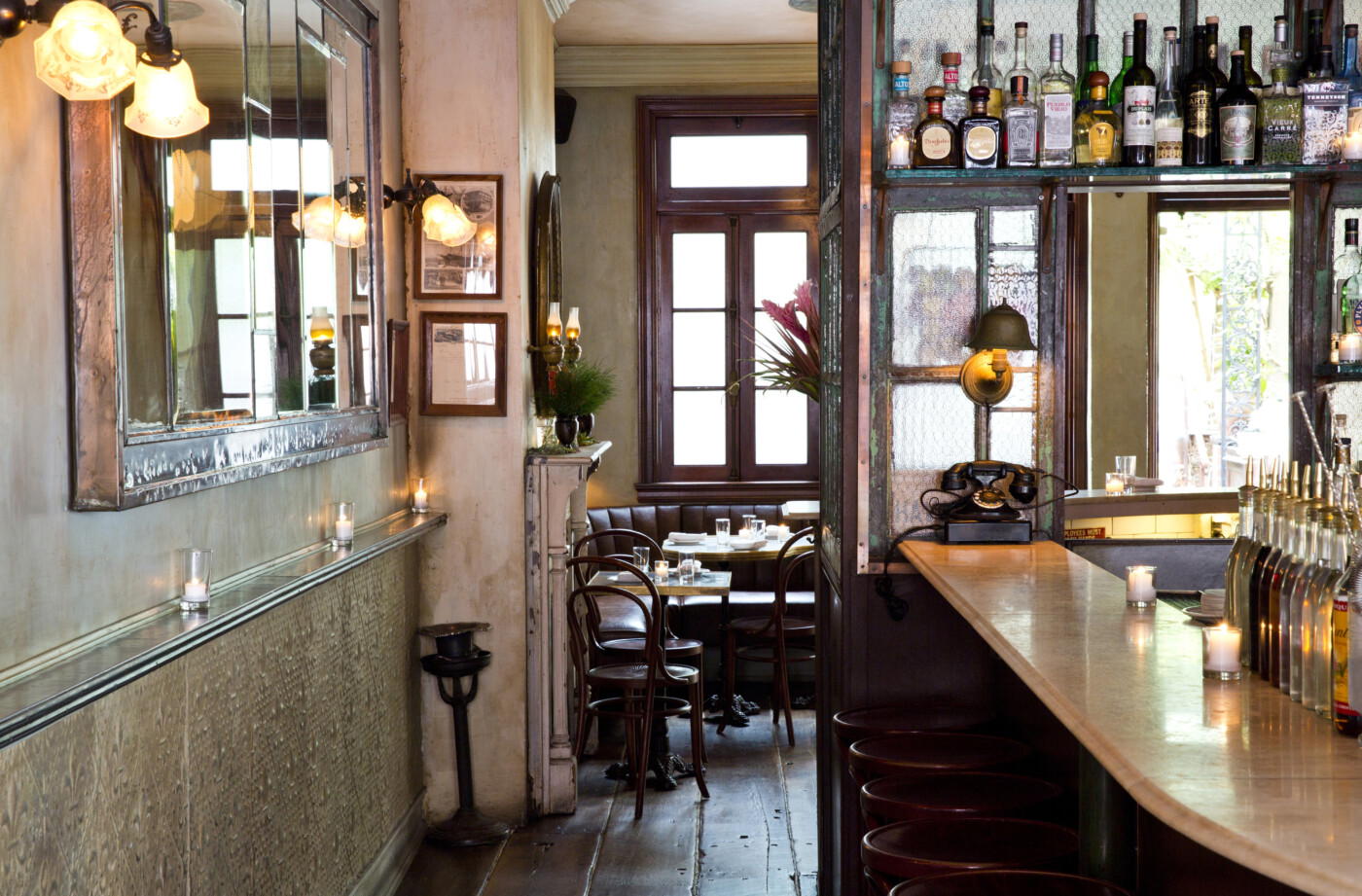
Hotels in New York City
Browse all →






At a Glance
- Cozy
- Trendy
- Intimate
- Date Night
- Group Dining
- Brunch
- Open Kitchen
- Courtyard
- Craft Cocktails
Current opening hours
- Monday
- Closed
- Tuesday
- 5:30–9:45 PM
- Wednesday
- 5:30–9:45 PM
- Thursday
- 5:30–9:45 PM
- Friday
- 5–10 PM
- Saturday
- 11 AM–2:30 PM, 5–10 PM
- Sunday
- 11 AM–2:30 PM, 5–9 PM
Hours can change for holidays and private events. Last verified .
Cozy and unassuming dining room with a warm, neighborhood feel, featuring an open kitchen aroma of roasting meats and spices; can get noisy as tables are close together.