Shota Omakase



1 Michelin Star · James Beard Award Semi Finalist
Our verdict
A Michelin-starred omakase counter in Williamsburg, Brooklyn, Shota Omakase earns its 2024 star through rigorous sourcing, repeatedly refreshed rice, and a format that favors conversation over ceremony. The counter sits on a quiet street near Domino Park, operating Tuesday through Sunday evenings at the $$$$ price point.

Pearl is the En Primeur Club membership app, where members save venues, book tables and use the concierge.
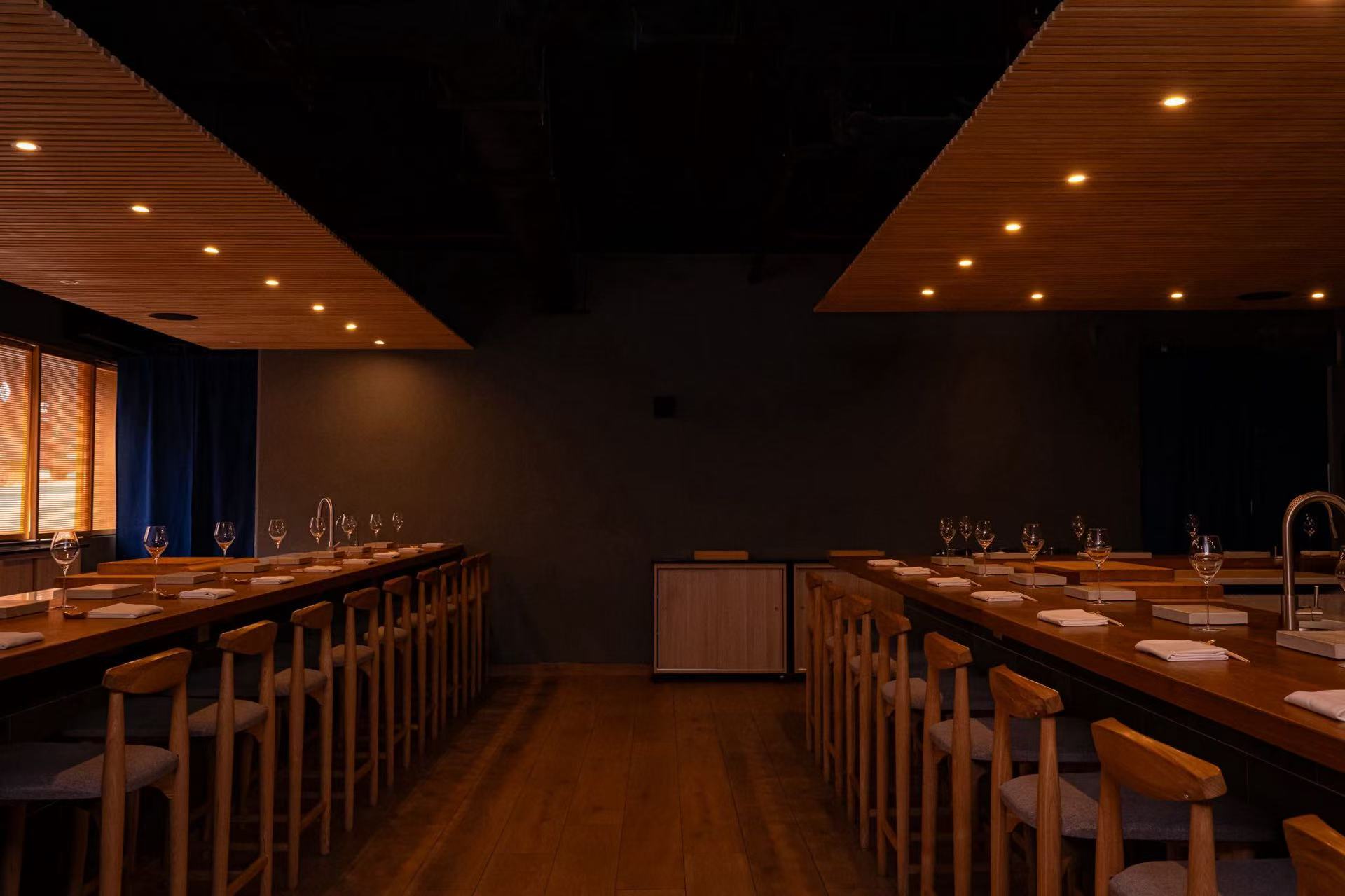
Where Brooklyn's Omakase Scene Has Arrived
New York's omakase circuit spent the better part of the 2010s consolidating in Manhattan, clustering around Midtown and the Upper East Side at price points that rivaled Tokyo's Ginza counters. The shift outward, toward Brooklyn and lower-key formats, has been incremental but now carries real critical weight. Williamsburg, in particular, has developed a tier of serious Japanese counters that hold their own against their Manhattan counterparts on product quality while operating with a different social register: less hushed reverence, more open exchange between the chef and the room. Shota Omakase, which earned a Michelin star in 2024, sits at the leading edge of that shift.
The address, 50 South 3rd Street, is a short walk from Domino Park on a block that offers little foot traffic to signal what's inside. That geographic remove from the subway is worth noting: this is a deliberate destination, not a walk-in counter. It belongs to a category of New York dining where the effort of arrival is part of the contract, alongside counters like Noz 17 in Manhattan, which similarly rewards the committed over the casual.
The Social Contract at the Counter
Omakase, taken literally, means entrusting the chef with the meal. In practice, the format's social character varies enormously from one counter to the next. Some counters enforce near-silence as a kind of aesthetic position, treating any chef-to-diner conversation as an interruption of the intended experience. Others treat the counter as something closer to an izakaya's convivial spirit: the counter as a shared table where knowledge circulates alongside food and drink, where the chef explains sourcing not as theater but as part of a genuine exchange.
Shota Omakase operates squarely in that second tradition. Chef Cheng Lin is open about where in Japan the fish originates, explains his choice of Inochi-no Ichi rice, and describes the aged soys and vinegars that underpin the seasoning philosophy. This is not incidental. The willingness to share the logic of the meal changes the atmosphere at the counter, pulling it away from the formal performance model toward something with more of a communal, educational quality. The 2024 Michelin recognition confirmed what regulars had observed: that transparency about craft and sourcing is itself a form of rigor, not a concession to accessibility.
That sensibility connects Shota Omakase to a broader izakaya-inflected hospitality tradition in Japanese dining, where the social dimension of eating is not subordinated to reverence for the chef's vision. At premium izakayas in Tokyo's Shinjuku or Shibuya districts, the exchange between the person behind the counter and the guests is the meal's connective tissue. The leading omakase counters in New York that draw on this tradition produce a different kind of evening than the silent-counter format, and one that many diners find more sustaining across the full length of a multi-course progression.
The Mechanics of the Meal
The Michelin inspectors' notes point to two technical markers worth understanding before arrival. First, the rice is refreshed repeatedly through the course of the evening, a detail that distinguishes serious nigiri counters from those treating rice as a secondary concern. Nigiri rice is a live variable: its temperature, seasoning, and texture shift within minutes of preparation. Refreshing it multiple times during service is a labor and precision commitment that directly affects the quality of every piece served late in the progression, not just the first.
Second, the meal moves between prepared dishes and the nigiri parade rather than committing to a single format. The binchotan-seared sawara (Spanish mackerel) with citrus sauce, shiso, and nori, and a restorative dashi with mushrooms, represent the kind of prepared courses that let the kitchen demonstrate range beyond raw fish assembly. Binchotan, the Japanese white charcoal, burns hotter and cleaner than standard charcoal, imparting a particular kind of surface heat without smoke contamination. Its use with oily fish like sawara reflects a technical understanding of how heat interacts with fat. These prepared courses also provide natural pacing within the meal, a hospitality function as much as a culinary one.
For comparison purposes within New York's $$$$ Japanese tier, Noz 17 operates at the high end of the Edomae tradition in Manhattan with a more formal register. Nationally, counters like Lazy Bear in San Francisco and Single Thread Farm in Healdsburg represent the premium experiential counter format across different cuisine categories, each with its own logic about the relationship between chef and diner. Within New York's broader $$$$ fine dining bracket, venues like Le Bernardin, Atomix, and Eleven Madison Park represent the best of the city's non-Japanese fine dining tier. Shota Omakase belongs to a smaller, more focused category: the outer-borough omakase counter with Michelin validation and a social format that distinguishes it from midtown luxury.
Williamsburg as a Dining Context
Williamsburg's dining character has evolved considerably from its early reputation as a neighborhood of cheap eats and bar food. The area around South 3rd Street and the Domino Park waterfront now supports a range of serious restaurants operating at price points that would have been inconceivable there fifteen years ago. The neighborhood's mix of long-term residents, design and creative industry workers, and visitors from Manhattan has produced a dining public that supports ambitious food without demanding the formal codes of the Upper East Side or Midtown.
That context matters for understanding why a Michelin-starred omakase counter in this location feels coherent rather than incongruous. The social informality that defines the neighborhood's leading restaurants aligns with the counter's own hospitality posture. Other serious drinking and eating options in the area extend the evening's possibilities; Bar Miller represents the kind of focused beverage program that complements a counter dinner. For those planning a broader New York itinerary, our full New York City restaurants guide, bars guide, and hotels guide provide broader coverage. The experiences guide and wineries guide round out the city picture.
Internationally, the format of a focused, conversation-forward counter dinner with Michelin recognition maps onto a recognizable tier: 8½ Otto e Mezzo Bombana in Hong Kong and Alain Ducasse at Louis XV in Monte Carlo anchor the highest tier globally. Within the United States, Alinea in Chicago, The French Laundry in Napa, and Providence in Los Angeles represent the certified upper tier of American fine dining. Shota Omakase, with its single 2024 star, occupies a different but legitimate position in that national picture. Emeril's in New Orleans is a useful reminder that Michelin recognition patterns vary considerably by city and cuisine category.
Planning Your Visit
Shota Omakase operates Tuesday through Thursday from 6 PM to 11 PM and Friday through Sunday from 5 PM to 11 PM, with Mondays closed. The $$$$ price designation places this counter at New York's higher omakase price tier; diners should budget accordingly for a full evening including beverage pairings.Reservations: Advance booking is essential; the counter format and limited seating mean availability disappears quickly, particularly on weekends. Getting there: The address at 50 South 3rd Street in Williamsburg is accessible by the J/M/Z trains to Marcy Avenue or the L train to Bedford Avenue; both involve a short walk. Plan the journey in advance as the street has little ambient signage. Dress: No formal dress code is documented, but the $$$$ price point and counter format suggest smart casual as a reasonable baseline. Timing: Evening service only; the format suits a dedicated dinner occasion rather than a quick meal.
Frequently asked questions
What's the price range at Shota Omakase?
Pricing at Shota Omakase is listed as $$$$.
Budget Reality Check
| Venue | Cuisine | Price | Awards | Notes |
|---|---|---|---|---|
| Shota OmakaseThis venue (the venue you are viewing) | Modern Japanese Edomae Omakase | $200–300 | 1 Michelin Star · James Beard Award Semi Finalist | Not listed |
| Le Bernardin | French Seafood Fine Dining | $300–500 | 3 Michelin Stars · World's 50 Best #13 | French, Seafood |
| Atomix | Modern Korean Tasting Menu | $300–500 | 2 Michelin Stars · World's 50 Best #7 | Modern Korean, Korean |
| Masa | Seasonal Hokkaido Tempura Omakase | $150–200 | Tabelog 100 #34 | Sushi, Japanese |
| Per Se | French Fine Dining Tasting Menu | $300–500 | 3 Michelin Stars · World's 50 Best #40 | French, Contemporary |
| Eleven Madison Park | Contemporary Plant-Based Fine Dining | $300–500 | 3 Michelin Stars · World's 50 Best #4 | French, Vegan |
Recognition history
Dated appearances from independent guides and award organizations, with the underlying list record or original source where available.
Michelin 1 Star
Michelin
James Beard Award Semi Finalist
James Beard Award
Opinionated About Dining Top Restaurants in North America Recommended
Opinionated About Dining
Full recognition history (4 entries)
Michelin 1 Star
Michelin
Continue exploring
More in New York City
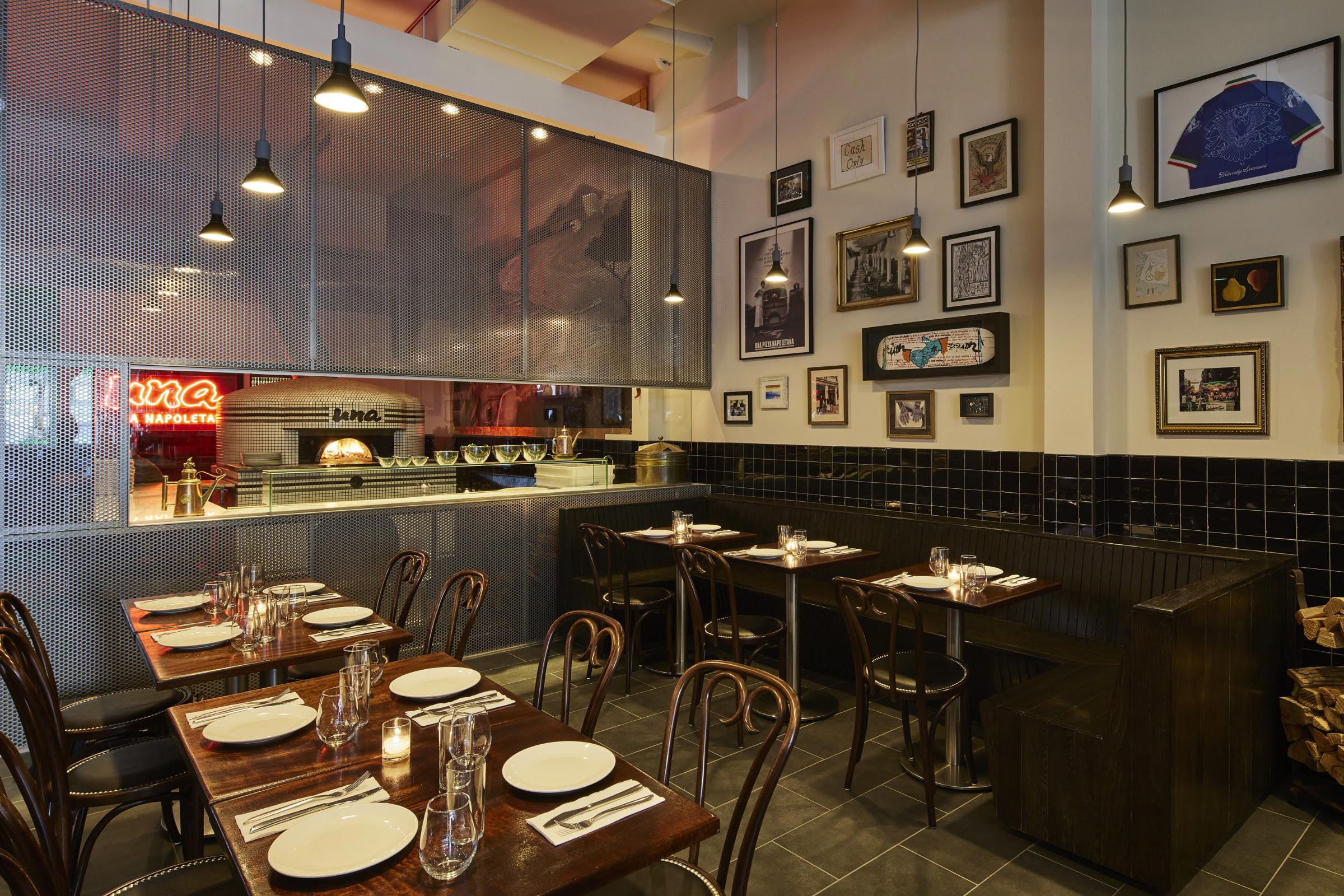
Restaurants in New York City
All restaurants in New York City →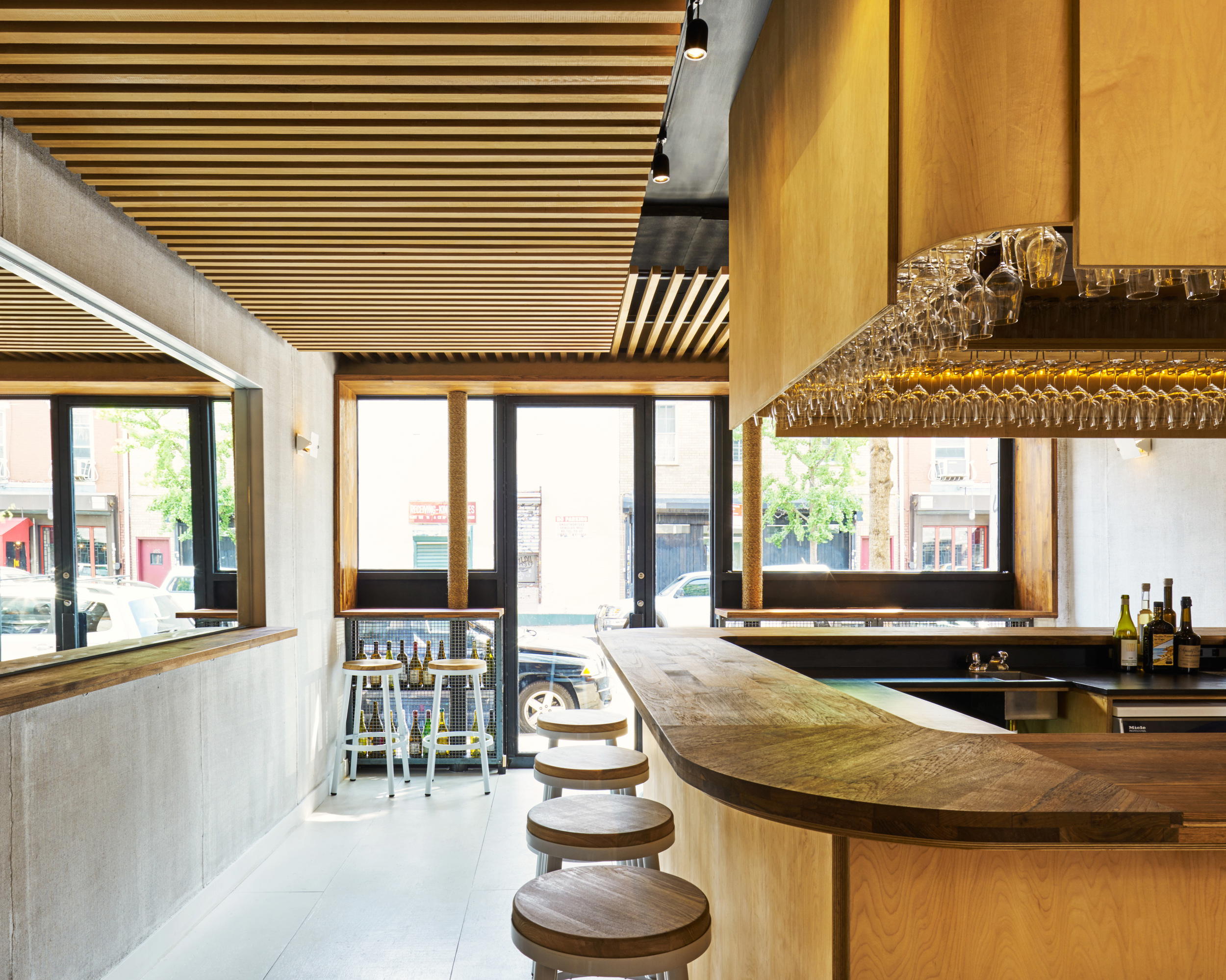
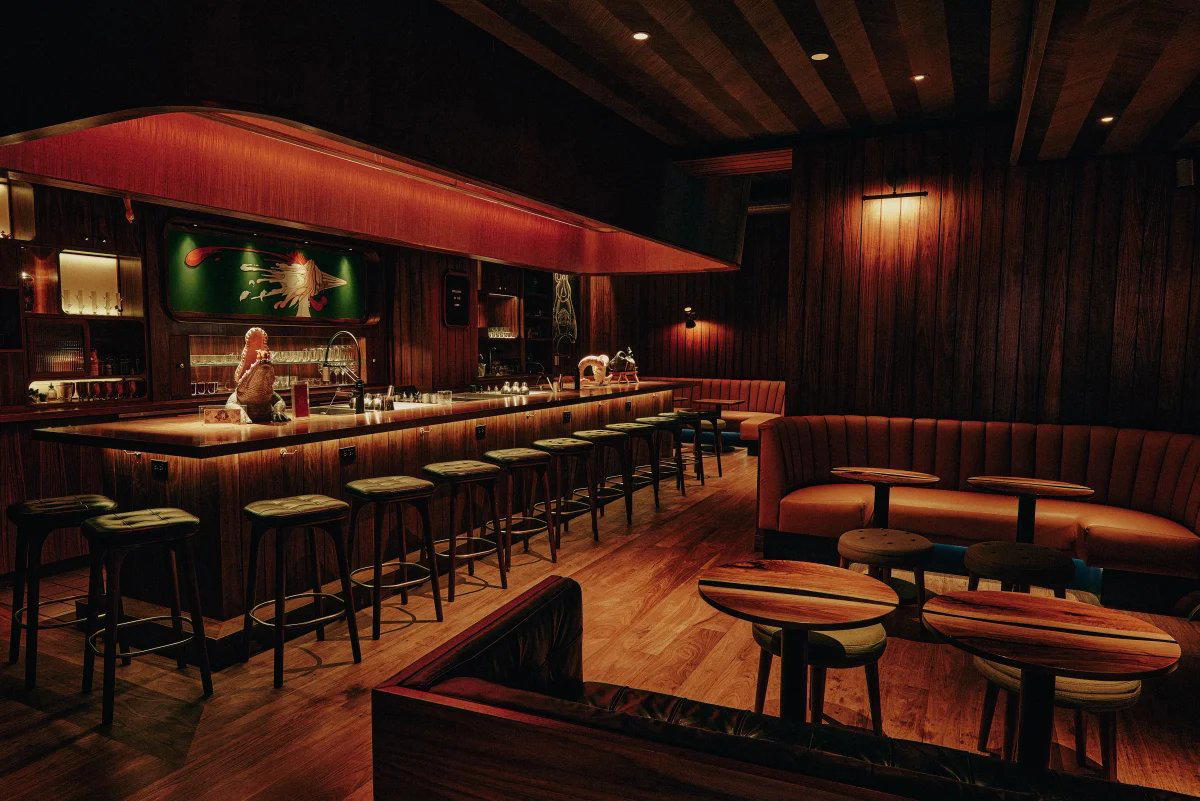
Bars in New York City
All bars in New York City →




Details
- Intimate
- Sophisticated
- Modern
- Elegant
- Special Occasion
- Date Night
- Celebration
- Solo
- Chefs Counter
- Open Kitchen
- Standalone
- Omakase
- Tasting Menu
- Counter Dining
- Set Menu
- Pescatarian Friendly
Current opening hours
- Monday
- 5:30–10:30 PM
- Tuesday
- 5:30–10:30 PM
- Wednesday
- 5:30–10:30 PM
- Thursday
- 5:30–10:30 PM
- Friday
- 12:30–2 PM, 5:30–10:30 PM
- Saturday
- 12:30–2 PM, 5:30–10:30 PM
- Sunday
- Closed
Hours can change for holidays and private events. Hours as of .
An intimate, polished sushi-counter setting focused on the chef-led omakase experience.