Skip to Main Content

UpcomingDrink over $25,000 of Burgundy at La Paulée New York

← Collection
CuisineIsraeli
Executive ChefMeir Adoni
LocationNew York City, United States
Opinionated About Dining

Nur NYC brings Israeli cooking with Ottoman and Levantine roots to Manhattan, where chef Meir Adoni applies a technique-forward approach to flavors rooted in the eastern Mediterranean. Ranked #166 on Opinionated About Dining's Gourmet Casual list for North America in 2023, the restaurant holds a 4.3 Google rating across 459 reviews. It occupies a distinct position in New York's growing Israeli dining scene.

Nur NYC restaurant in New York City, United States
About

Where Israeli Cooking Meets the Ottoman Table in Manhattan

New York's Israeli restaurant scene has expanded considerably over the past decade, moving from casual falafel counters and hummus-forward cafes toward a more considered tier of cooking that takes Levantine and Ottoman culinary inheritance seriously. That shift reflects a broader global reckoning with what Israeli cuisine actually is: not a monolithic tradition, but a layered accumulation of Sephardic, Mizrahi, Yemenite, and Ottoman influence, pressed together over generations and re-expressed in diaspora kitchens worldwide.

Nur NYC, operating in Manhattan under chef Meir Adoni, sits at that more considered end of the spectrum. The name itself, meaning "light" in Arabic and Hebrew, signals the cross-cultural register the kitchen operates in. Adoni trained in Israel's fine-dining circuit before bringing his approach to New York, and his cooking at Nur draws consistently on Ottoman-era technique — the slow-braised preparations, the spice layering, the flatbread traditions that run from Istanbul through Beirut to Tel Aviv. This is not the kind of place where the Israeli identity of the food is gestural; it is structural.

The Ottoman Thread in the Menu

To understand what distinguishes Nur's cooking from the broader field of eastern Mediterranean restaurants in New York, it helps to understand what Ottoman culinary influence actually means on a plate. The Ottoman kitchen, which governed a vast geography from the Balkans to the Arabian Peninsula for centuries, developed a cuisine built around abundance through layering: sumac over yogurt, pomegranate molasses into braises, spiced lamb with dried fruit, flatbreads used as vessel and utensil simultaneously. These are not decorative flourishes — they are structural logic.

Contemporary Israeli cooking, as practiced in the better restaurants of Tel Aviv and now exported through chefs like Adoni, inherits this logic directly. The mantı tradition , small stuffed dumplings found across Turkish and Levantine cooking , reappears in various forms across the eastern Mediterranean canon. Lahmacun, the thin spiced-meat flatbread that reads in Turkey as fast food and in finer kitchens as a vehicle for serious seasoning work, shows up in the DNA of dishes that may not carry the name. The tea ritual, the long table, the mezze structure that keeps arriving in waves: all of these Ottoman inheritances shape how Israeli restaurants think about hospitality and pacing.

At Nur, these inheritances are engaged directly rather than quietly absorbed. The cooking references Adoni's background in high-end Israeli kitchens and his familiarity with both the Ashkenazi and Mizrahi sides of the Israeli culinary conversation, with the Mizrahi , and by extension Ottoman , thread given particular weight. This places Nur in a different conversation from, say, 12 Chairs, which operates in a more casual, Eastern European-Jewish register, or Miznon NYC, whose pita-centered format is fast and counter-forward.

Nur's Position in New York's Israeli Dining Tier

The Opinionated About Dining ranking , Gourmet Casual Dining in North America, #166 in 2023 , places Nur in a specific category worth examining. OAD's Gourmet Casual tier sits between pure fine dining and neighborhood bistro, covering restaurants where the cooking is technically serious but the format does not demand the full ceremony of a tasting-menu room. In New York, this tier is where a significant amount of the most interesting food is happening, and the Israeli restaurants that have broken into it tend to share certain traits: they take spice seriously, they are comfortable with acid and richness in the same dish, and they tend to run mezze-influenced formats that reward sharing.

Balaboosta, Miss Ada, and SHMONÉ each occupy adjacent space in this tier, and comparing them helps map where Nur sits. Balaboosta operates in a warmer, more domestic register. Miss Ada leans into its Brooklyn neighborhood identity and wood-fired technique. SHMONÉ brings a shinier, more bar-program-forward approach. Nur, with its Ottoman technical vocabulary and Adoni's fine-dining background, tends to read as the most formally ambitious of the group without crossing into the white-tablecloth tier occupied by New York institutions like Alinea or The French Laundry in its own city equivalent.

Globally, Israeli cooking has been generating serious critical attention for several years. Berta in Berlin and Ash'Kara in Denver represent the genre's geographic spread, and the consistency of their critical reception suggests the category has matured past novelty into something the food world takes on its own terms.

Atmosphere and Format

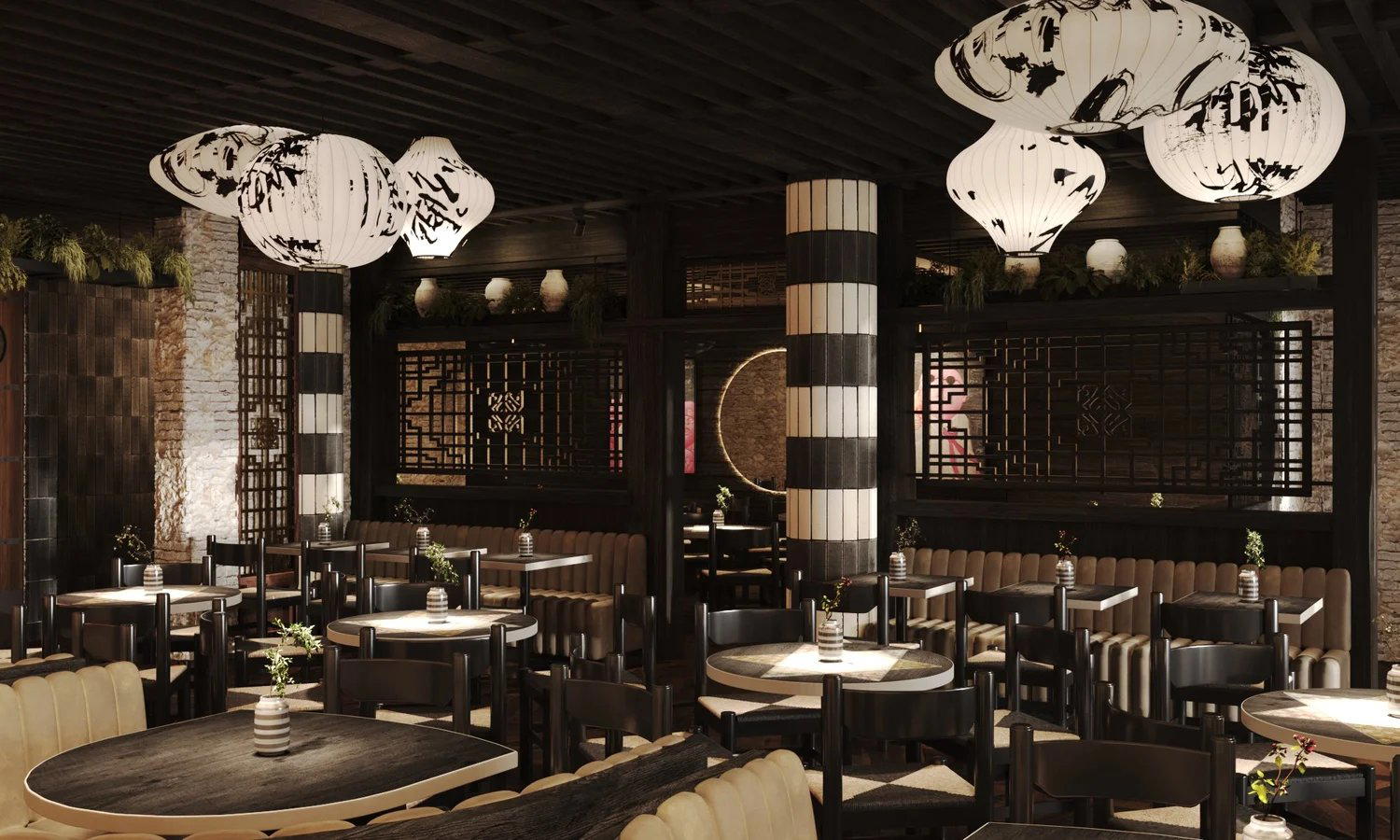
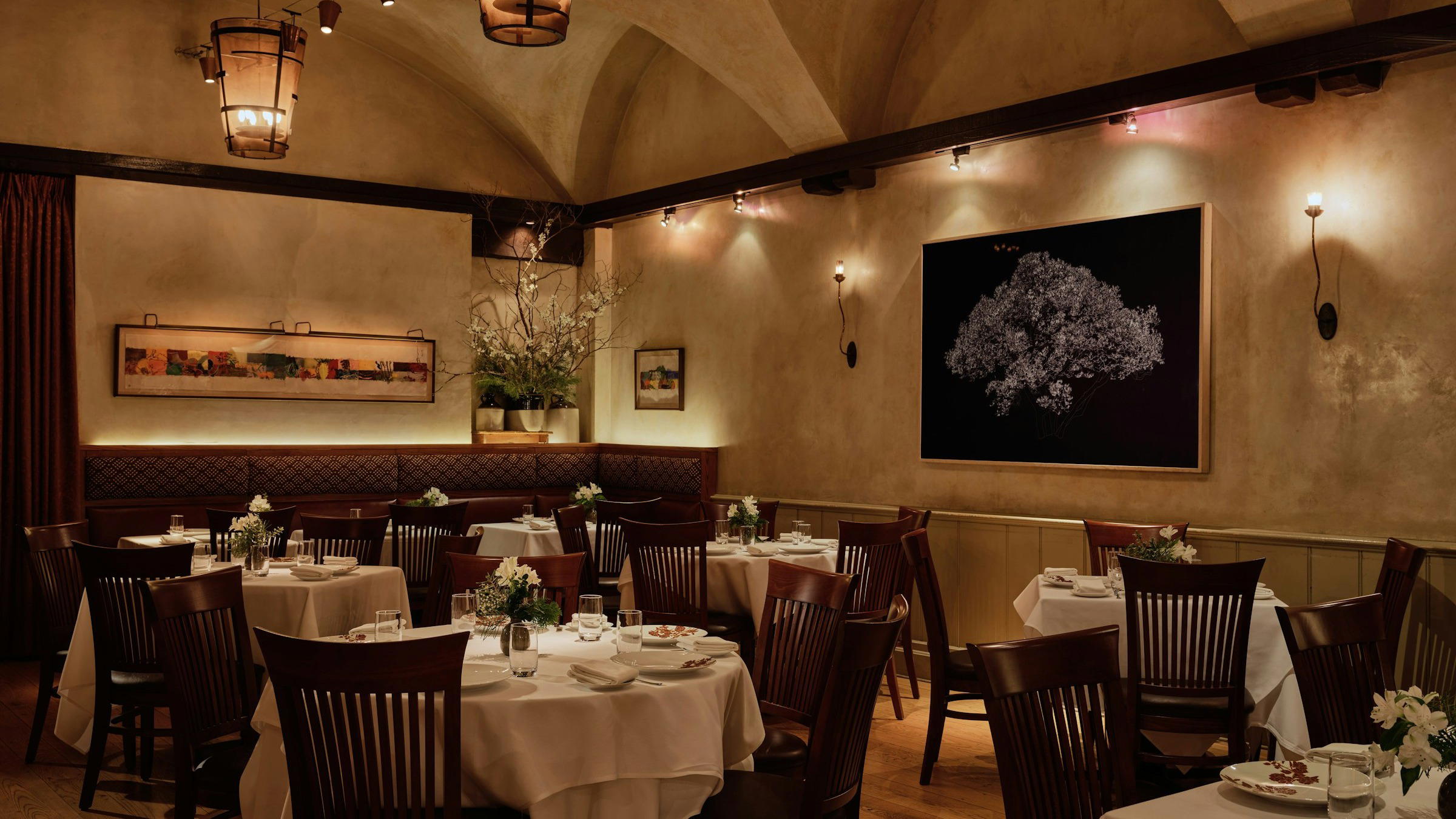
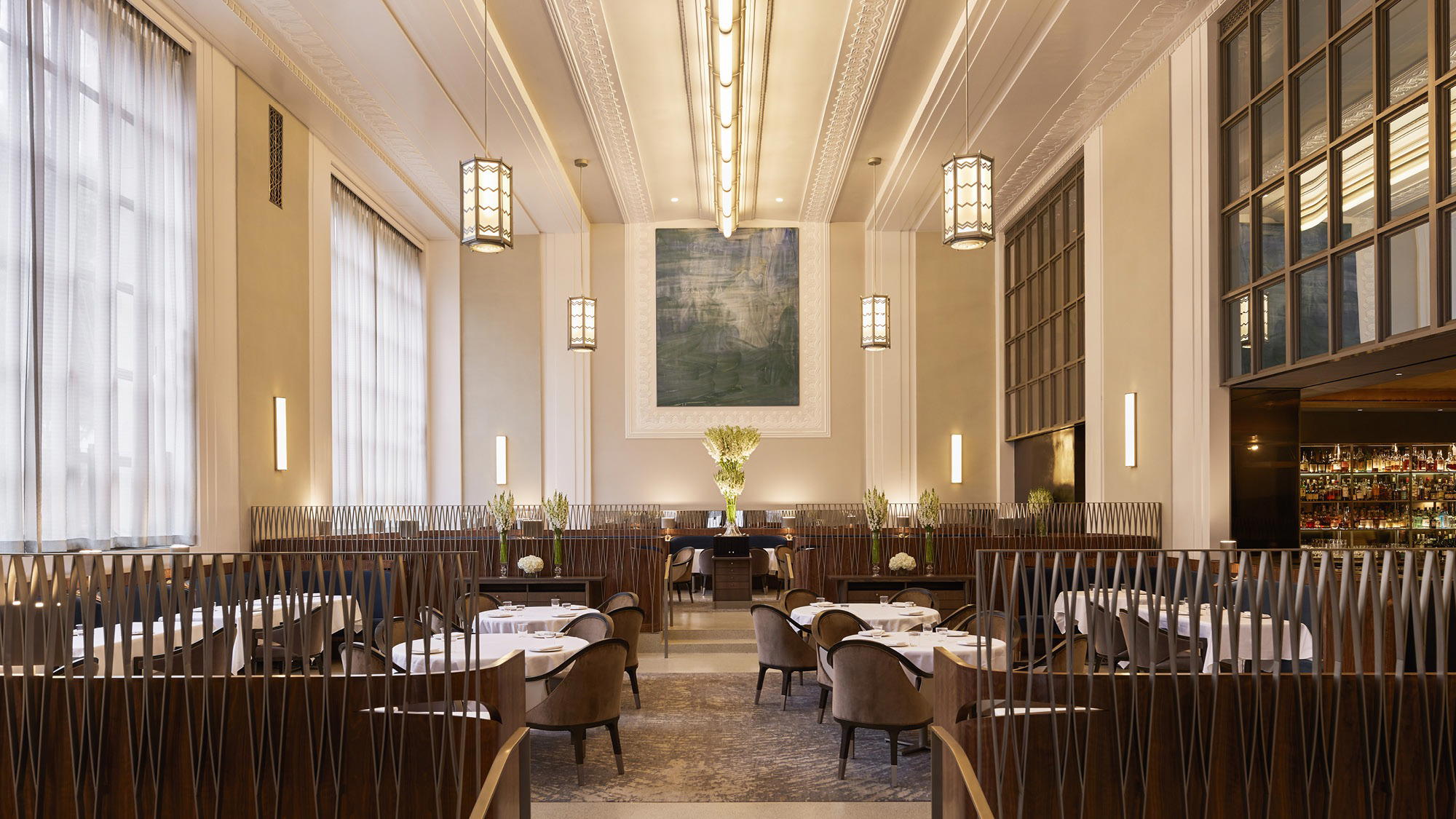
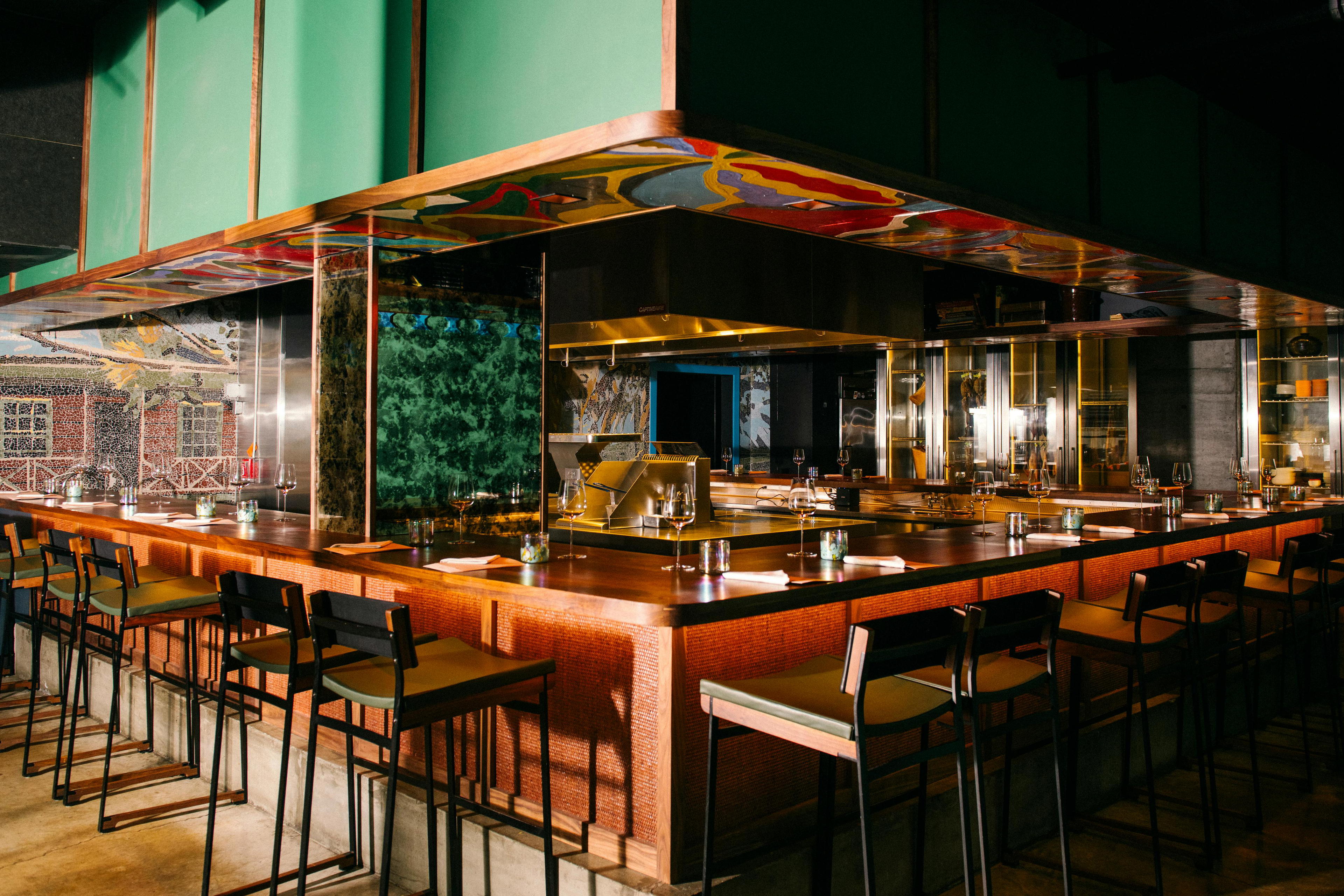
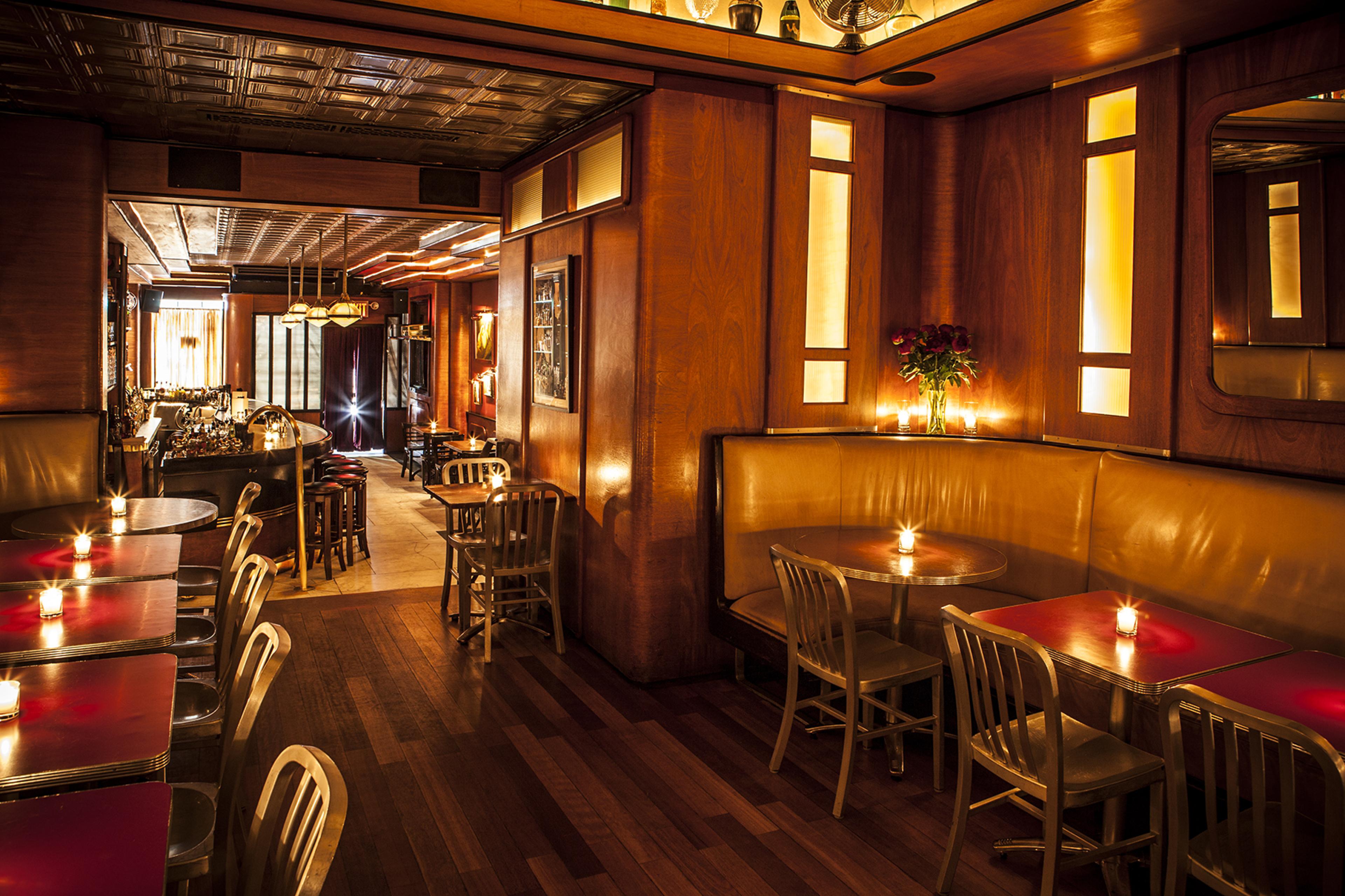
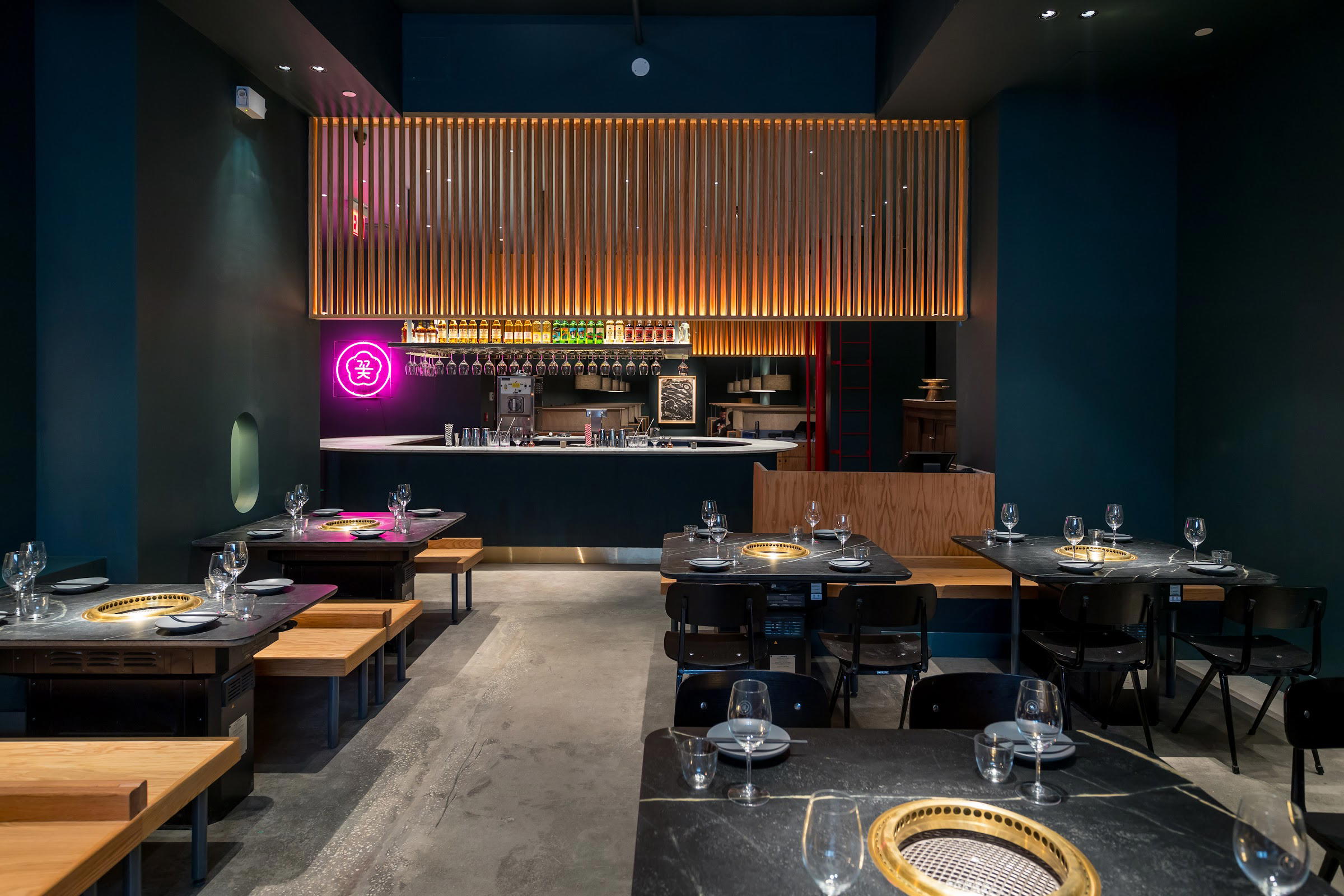
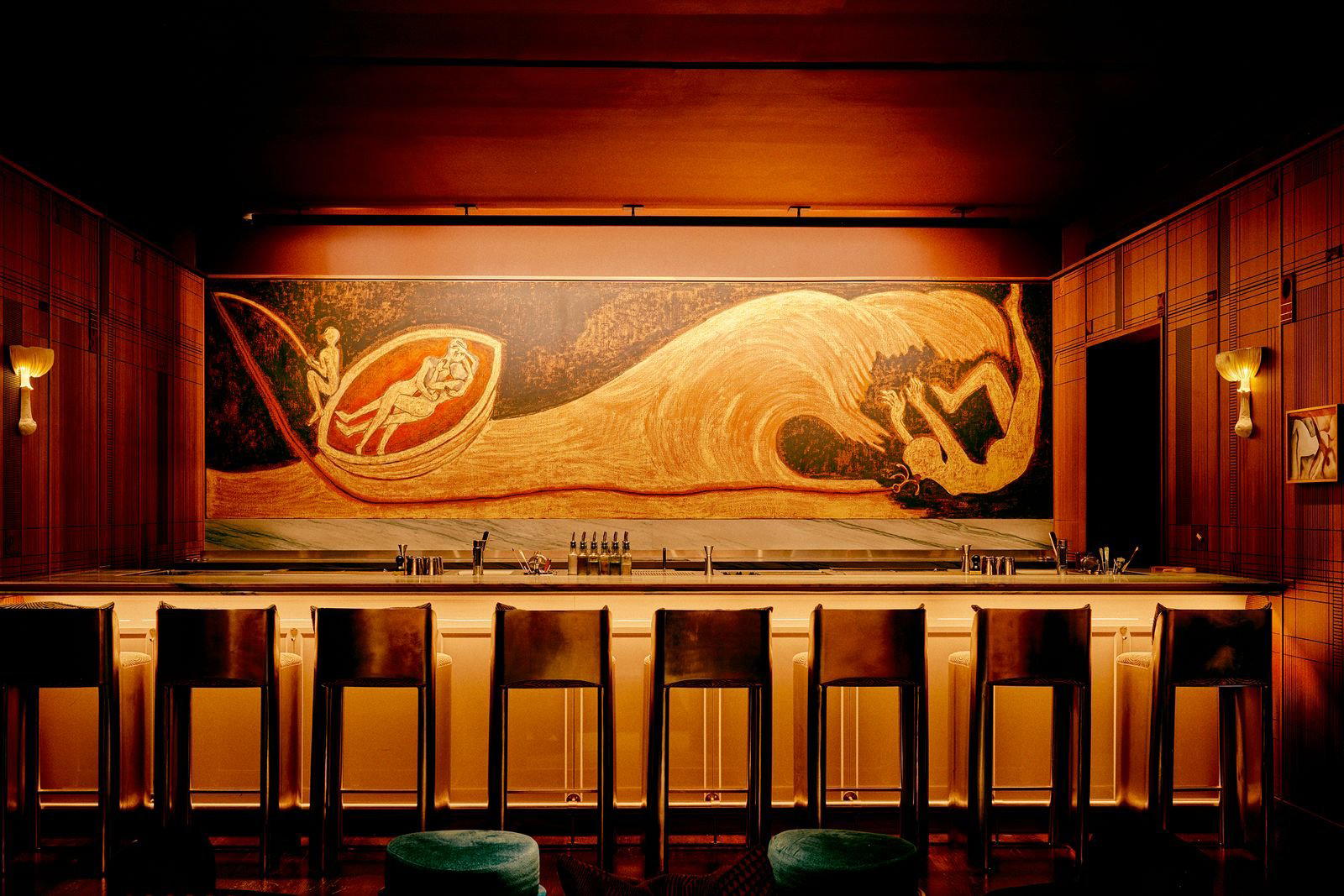
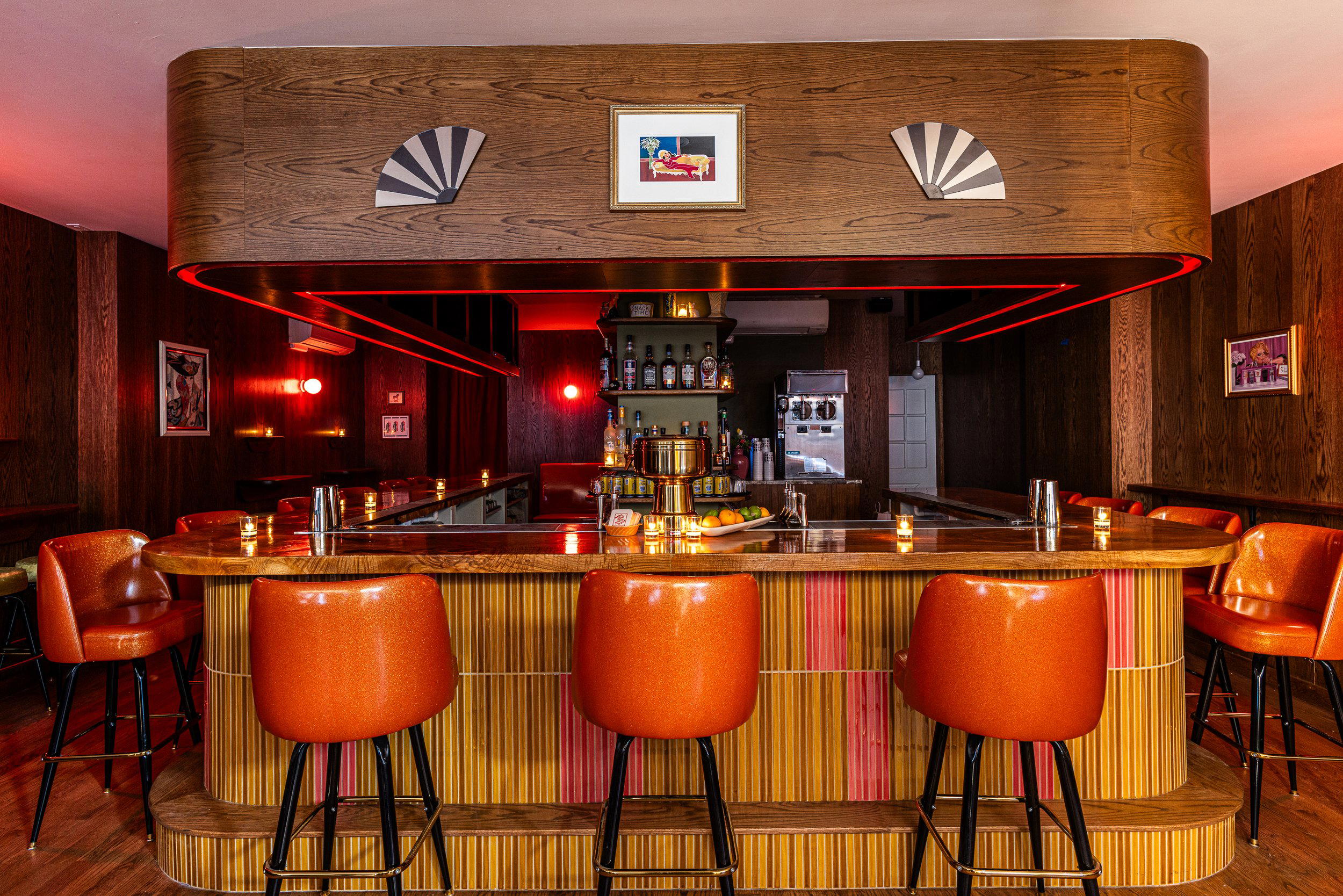
The dining room at Nur carries the warmth characteristic of Levantine hospitality traditions , the expectation that a table will be occupied for a while, that dishes will arrive in overlapping waves rather than sequential courses, and that the meal is a social event as much as a culinary one. This is not accidental. The mezze framework, which Ottoman and Levantine dining inherited and refined over centuries, is built around the idea that food generates conversation rather than interrupting it.

With a 4.3 Google rating across 459 reviews, Nur maintains consistent approval at volume , a signal that the kitchen performs reliably rather than in flashes. For a restaurant at this level of ambition, that consistency matters as much as the ceiling.

Visitors to New York planning a broader dining itinerary should note that the Israeli/Levantine category is now substantial enough in the city to merit dedicated consideration. For full context across all dining categories, see our full New York City restaurants guide, along with our New York City hotels guide, bars guide, wineries guide, and experiences guide.

Know Before You Go

  • Location: Manhattan, New York City
  • Cuisine: Israeli, with Ottoman and Levantine influences
  • Chef: Meir Adoni
  • Recognition: Opinionated About Dining Gourmet Casual Dining North America #166 (2023)
  • Google Rating: 4.3 from 459 reviews
  • Booking: Contact the restaurant directly; reservation is advisable given consistent demand
  • Format: Gourmet casual; mezze-style sharing plates suit the format

Frequently Asked Questions

What should I eat at Nur NYC?
The cooking at Nur is built around Ottoman and Levantine technique, which means the most interesting ordering strategy follows the mezze logic the kitchen is designed around: multiple smaller plates arriving across the meal rather than a single large main. Chef Meir Adoni's background in Israeli fine dining means spice combinations and preparation methods are applied with precision, and dishes in the flatbread and slow-cooked categories tend to show the kitchen's Ottoman inheritance most clearly. The OAD Gourmet Casual ranking in 2023 reflects sustained technical seriousness rather than novelty, so dishes that look simple on paper often carry more complexity than the description suggests.
What is the atmosphere like at Nur NYC?
The room reads as warm and convivial rather than formal. The Levantine hospitality tradition that informs the food also shapes the service pacing: tables are meant to linger, and the wave-arrival format of mezze-style eating slows the meal down productively. For a Manhattan restaurant with a 4.3 rating across nearly 460 Google reviews, the consistency of the atmosphere across different visit types is notable. It sits comfortably in the gourmet casual tier , more considered than a neighborhood spot, less ceremonial than the formal tasting-menu rooms that define New York's $$$$ category, represented by venues like Lazy Bear or Providence in their respective cities.
Can I bring kids to Nur NYC?
The gourmet casual format and mezze-style service make Nur more accommodating to families than a tasting-menu counter would be. Sharing plates allow children to try small amounts without committing to a fixed format. That said, the restaurant's price positioning and the considered nature of the cooking suggest it is better suited to older children who are comfortable with a longer, multi-dish meal than to very young diners. If the price point or format feels mismatched for a family visit, the broader Israeli dining tier in New York includes more casual options such as Miznon NYC, which operates in a counter-service register at a lower price point. Also worth comparing: Emeril's in New Orleans and Single Thread Farm in Healdsburg illustrate how gourmet casual and fine dining venues across the US vary in family suitability based on format rather than cuisine.
Collector Access

Need a table?

Our members enjoy priority alerts and concierge-led booking support for the world's most difficult tables.

Access the Concierge